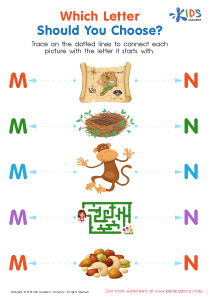
Alphabet sequencing Lowercase/Small Letters Worksheets for Ages 4-6
3 filtered results
-
From - To
Foster your child's early literacy skills with our engaging Alphabet Sequencing Worksheets designed specifically for ages 4-6! These interactive activities focus on lowercase letters, helping young learners recognize, organize, and sequence the alphabet effectively. With colorful visuals and fun exercises, kids will enhance their understanding of letter order while developing essential fine motor skills through tracing and writing practice. Perfect for homeschooling or classroom settings, our printable worksheets make learning the alphabet an enjoyable experience. Encourage your child's love for reading and writing today with our expertly crafted, age-appropriate resources that ensure foundational literacy success! Explore our worksheets now!
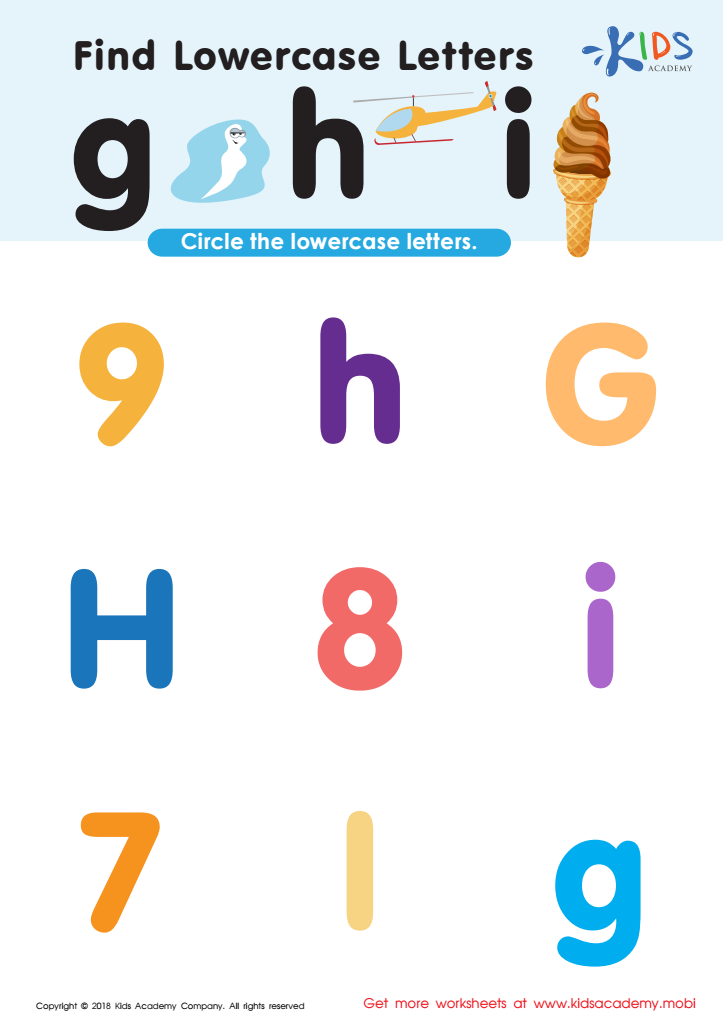
Find Lowercase Letters g h i Worksheet
 Assign to My Students
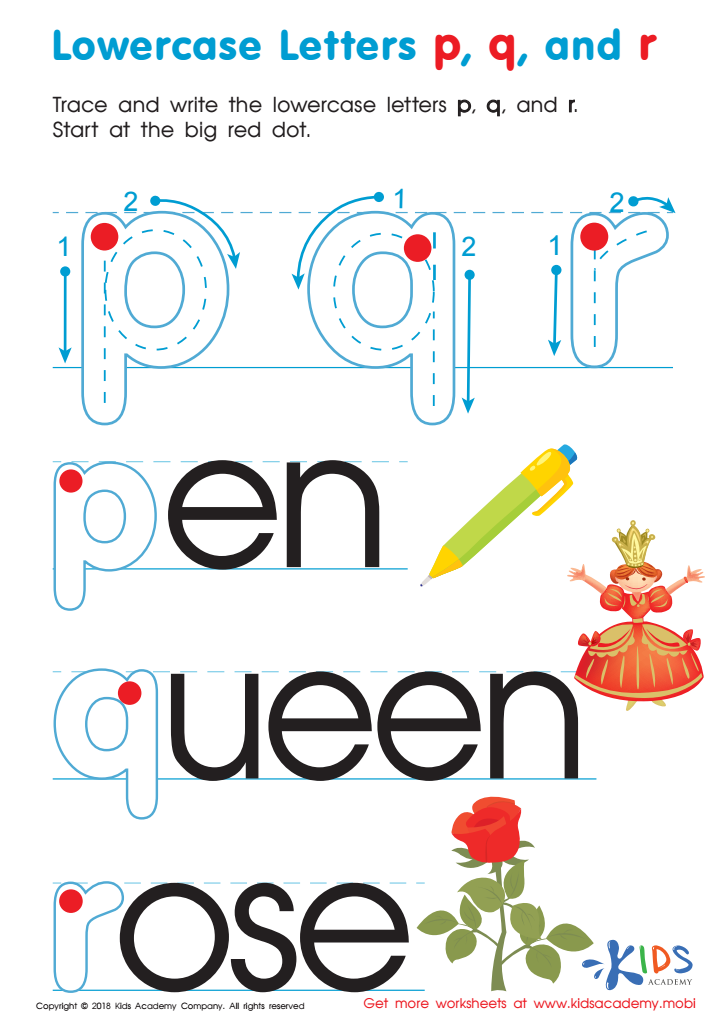
Lowercase Letters p q r Worksheet
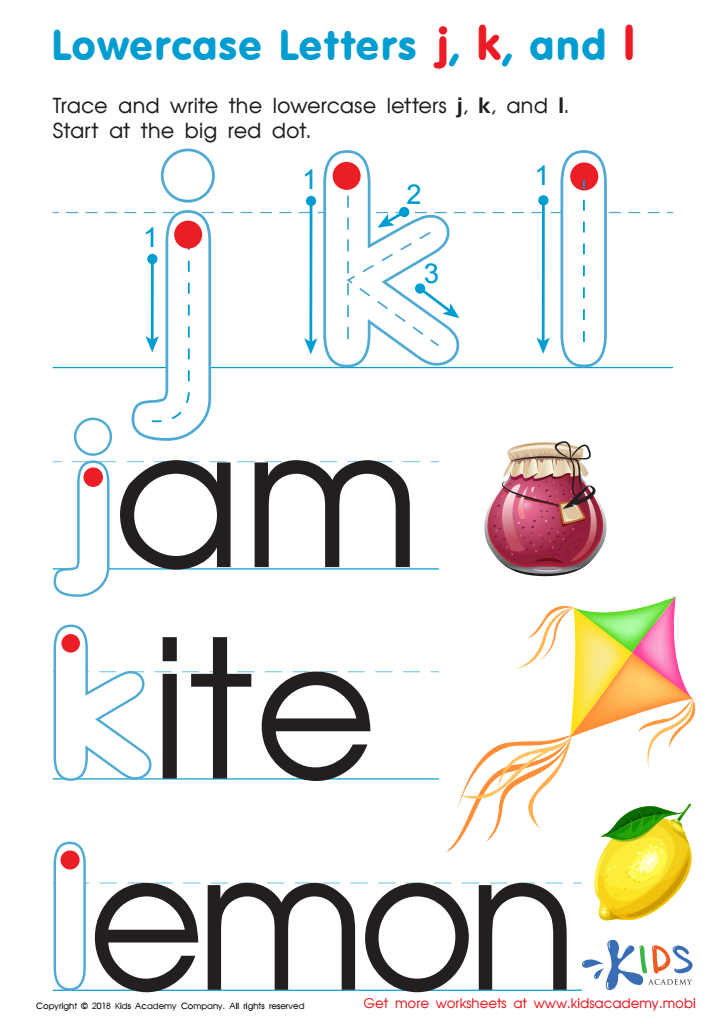
Lowercase Letters j k l Worksheet


Alphabet sequencing with lowercase letters is crucial for young learners aged 4-6 as it lays the foundation for reading and writing skills. At this age, children are developing their language skills and gaining an understanding of letters as distinct symbols that represent sounds. Familiarizing them with the proper order of lowercase letters helps them quickly recognize and distinguish between different letters, which is essential for spelling and reading fluency.
Understanding the sequence of the alphabet is associated with key literacy skills, including phonemic awareness, as children begin to connect sounds to letters while recognizing vocabulary. For teachers and parents, engaging children in alphabet sequencing games and activities can enhance motivation and make learning enjoyable, encouraging a love for reading and writing.
Moreover, literacy skills established at this stage significantly influence academic success in later years. as mastering the sequence provides a springboard for further learning activities, such as writing their names and understanding word patterns. Overall, prioritizing alphabet sequencing in early education helps foster confidence, literacy independence, and a strong educational foundation essential for ongoing learning. In short, meaningful interactions with lowercase letters at this age are vital for child literacy and cognitive development.