Hand-eye Coordination Tracing Lines and Curves Worksheets for Ages 4-6
7 filtered results
-
From - To
Enhance your child's hand-eye coordination with our engaging tracing lines and curves worksheets, specifically designed for ages 4-6. These worksheets provide a fun and interactive way for young learners to develop essential motor skills and refine their handwriting abilities. By tracing various lines and curves, children will strengthen their fine motor skills, improve focus, and gain confidence in their writing. Perfect for homeschooling or classroom activities, our worksheets offer diverse exercises that keep kids entertained while they learn. Start your child on the path to success as they enhance their hand-eye coordination through creative practice with our thoughtfully designed worksheets!
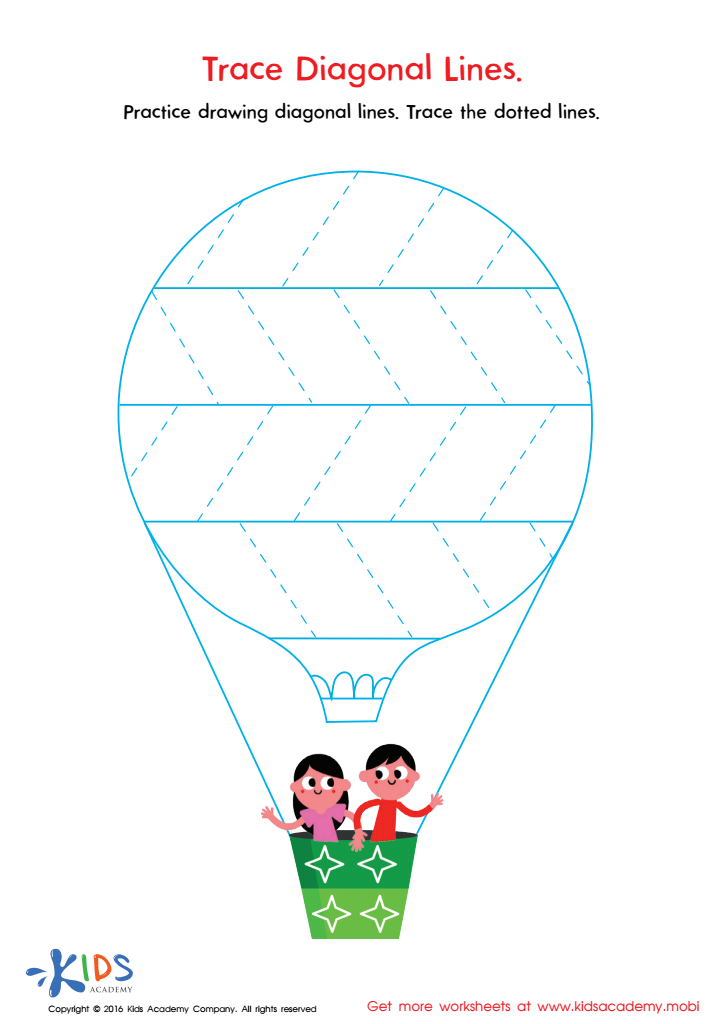
Trace Diagonal Lines Worksheet
 Assign to My Students
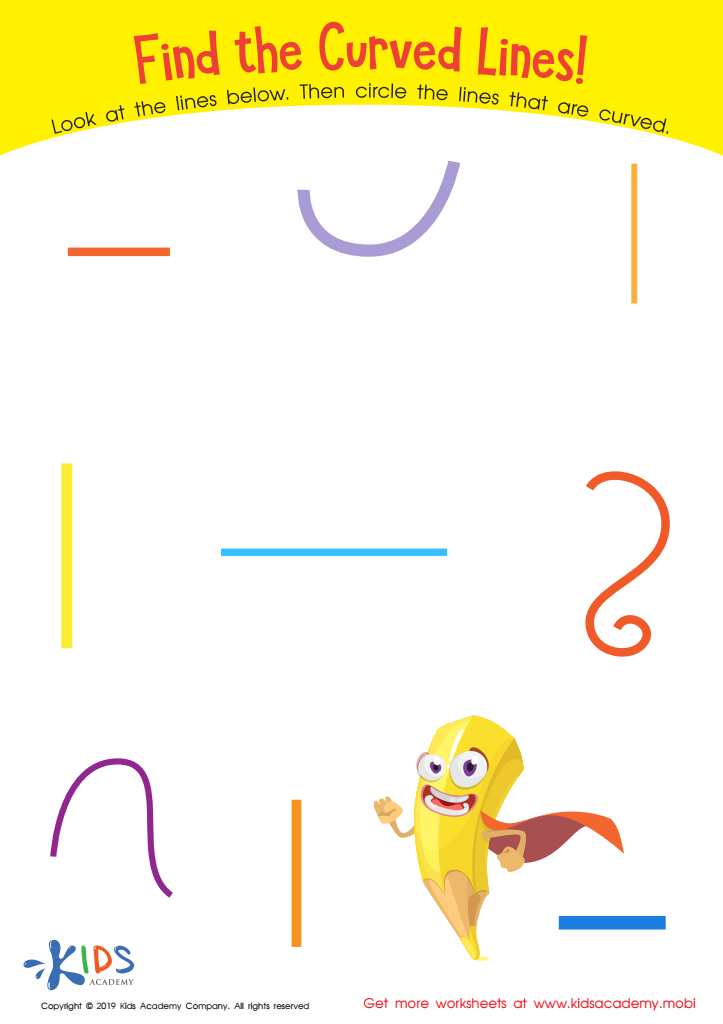
Find the Curved Lines! Worksheet
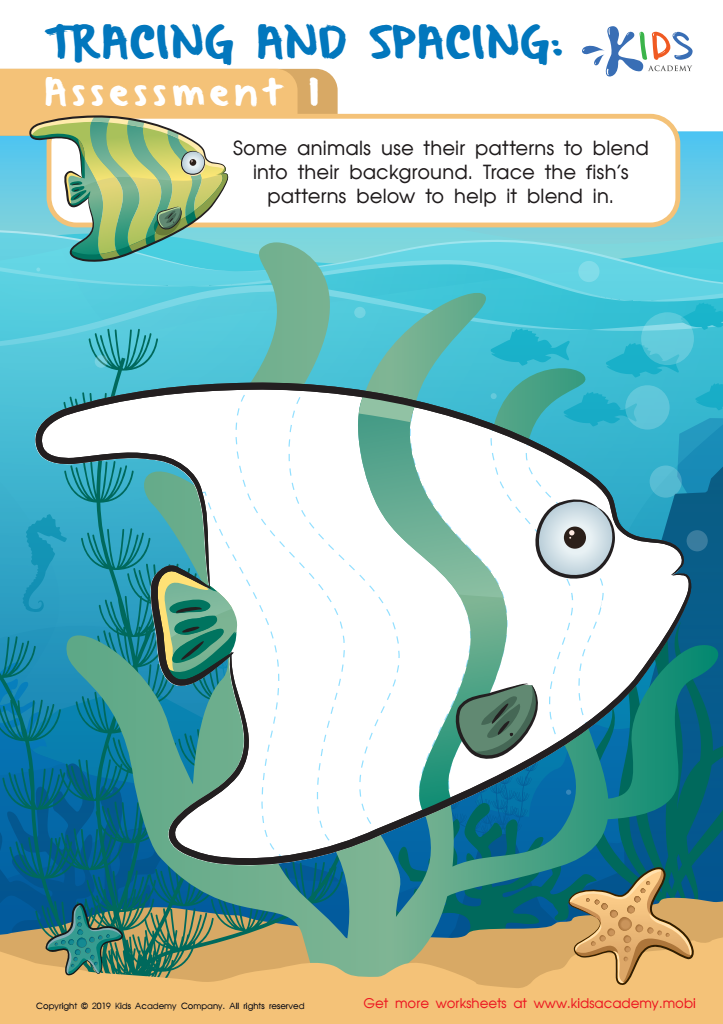
Tracing and Spacing: Assessment 1 Worksheet
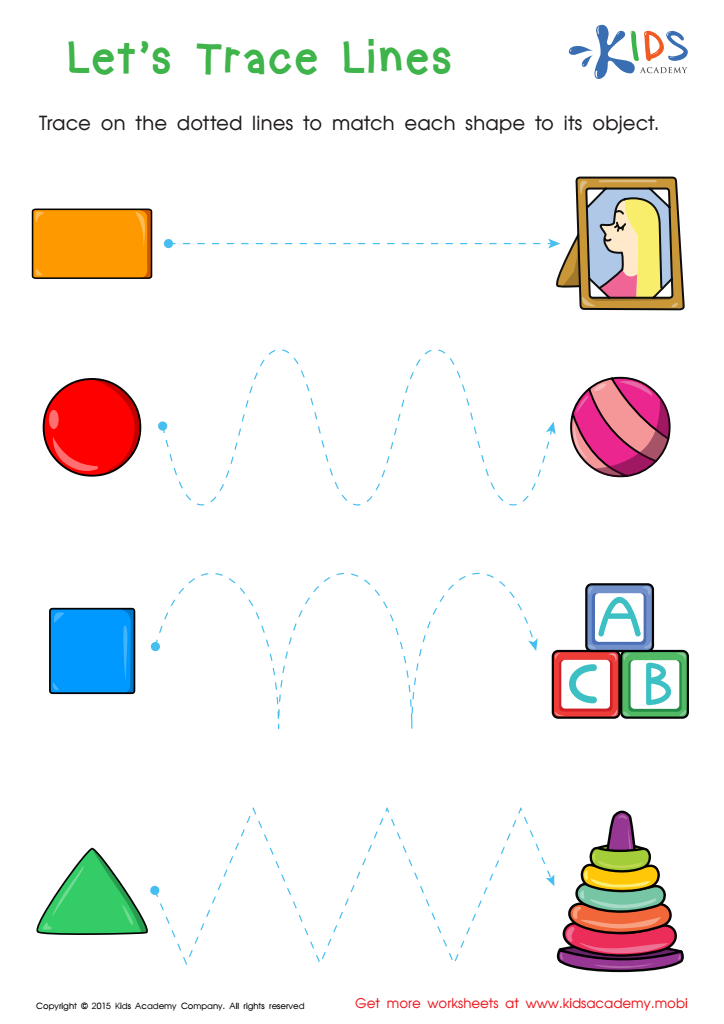
First Words: Let's Trace Lines Worksheet
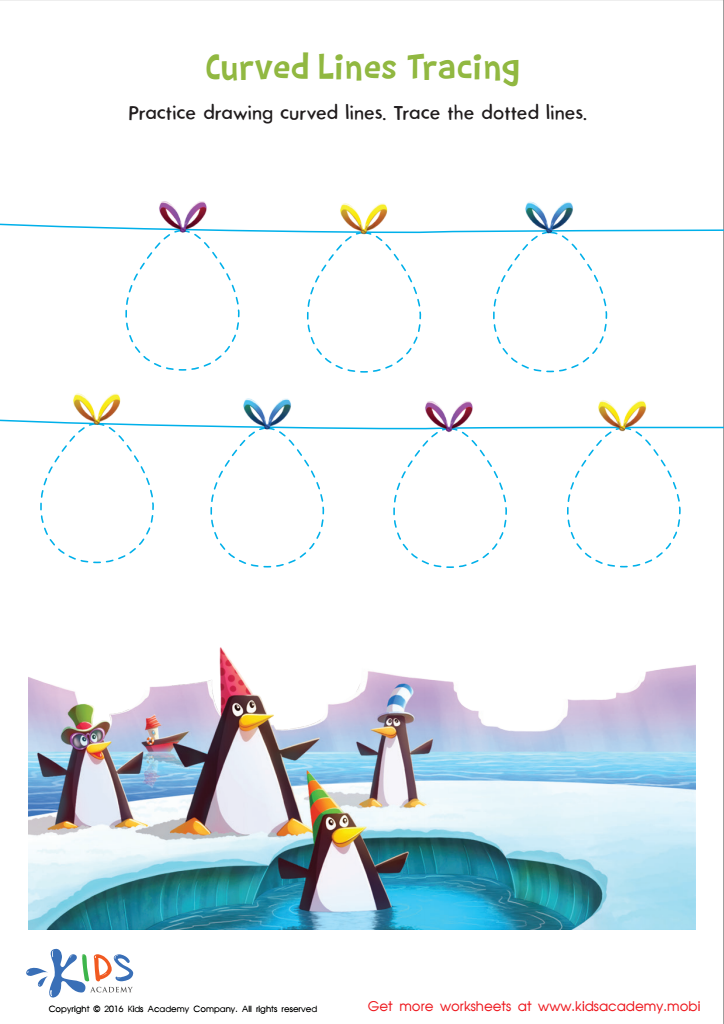
Curved Lines Tracing Worksheet
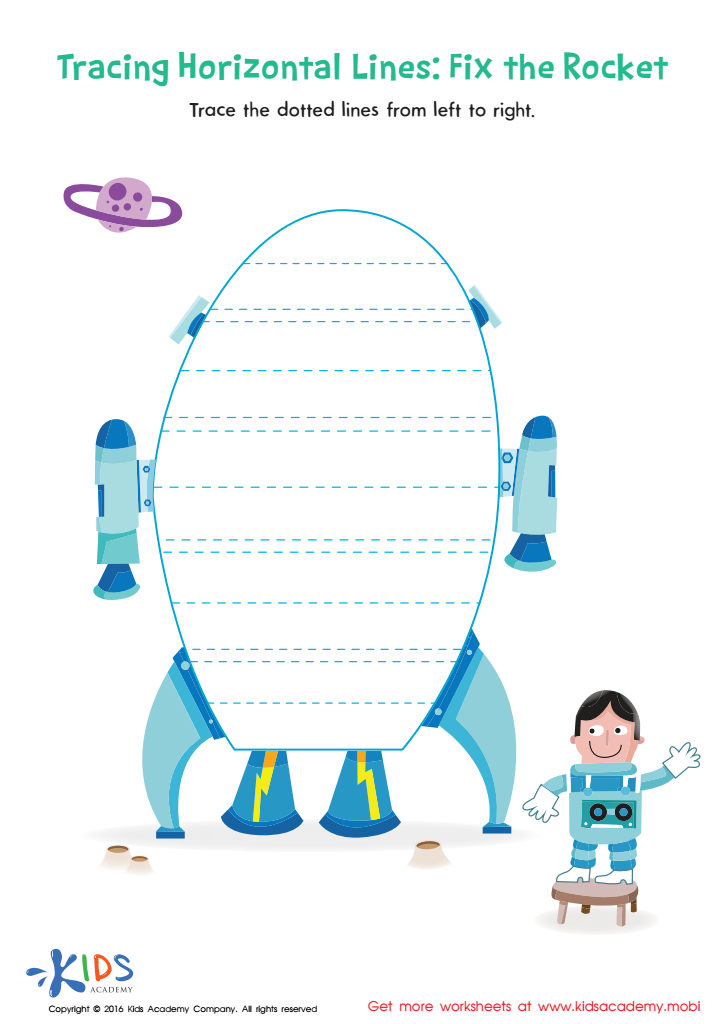
Tracing Horizontal Lines Worksheet
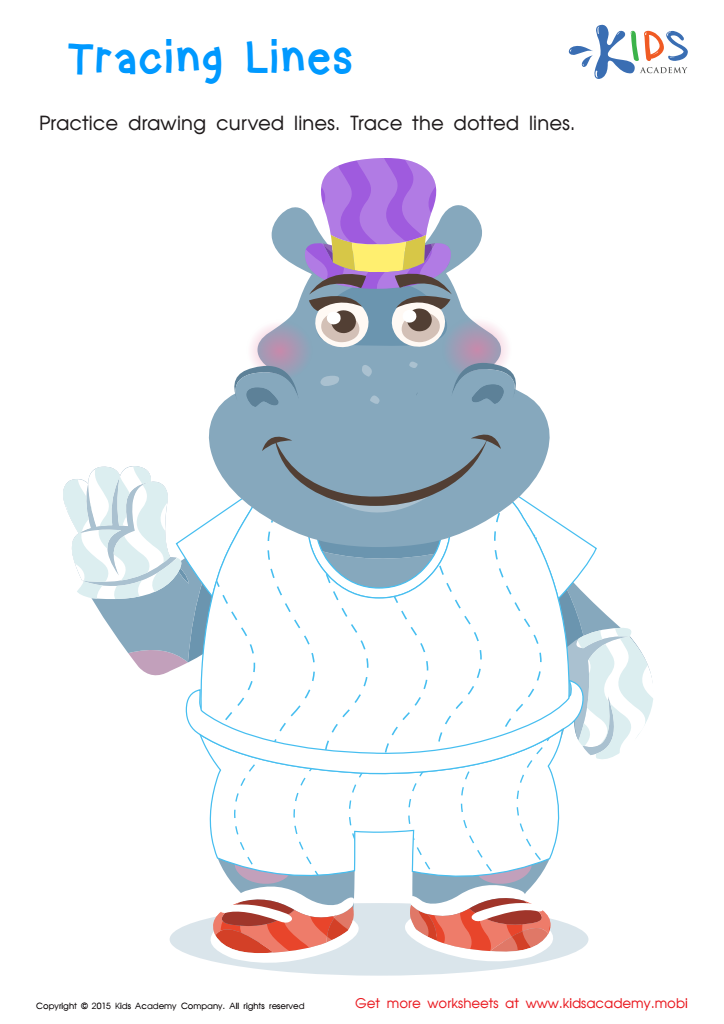
Tracing Lines Worksheet




Hand-eye coordination is a crucial skill for young children aged 4-6 as it lays the foundation for many future learning and life activities. Engaging in tracing lines and curves supports the development of this skill, which is vital for a range of tasks, from writing to participating in sports. As children trace, they practice synchronizing their hand movements with visual guidance, enhancing their fine motor skills.
For parents and teachers, fostering hand-eye coordination through activities like tracing not hanya halaman satisfs bilateral coordination and improves overall dexterity. These skills are also essential for preschool and later school success, contributing to better handwriting and increased confidence in academic settings.
Moreover, tracing lines and curves often incorporates basic concepts of shapes, letters, and numbers, aiding cognitive development. When children engage in these activities, they enjoy a sense of accomplishment, which boosts their self-esteem and encourages a love for learning. In addition, tracing can be a relaxing and focused activity, promoting patience and attention span.
Ultimately, prioritizing hand-eye coordination exercises through tracing helps children develop necessary skills that set the stage for lifelong learning, creativity, and physical activities. Ensuring that children practice these skills can greatly enhance their overall development and readiness for future challenges.








