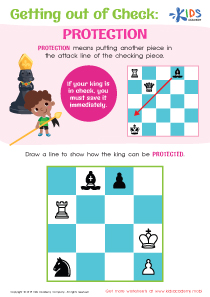
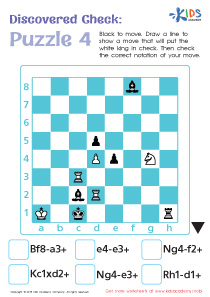
Spatial awareness Chess Worksheets for Ages 4-6
3 filtered results
-
From - To
Boost your child's spatial awareness with our engaging Spatial Awareness Chess Worksheets for ages 4-6! Designed to introduce young learners to the foundational concepts of chess, these worksheets combine fun activities with essential skills development. Children will explore concepts such as distance, direction, and position through colorful graphics and interactive tasks. Each worksheet encourages critical thinking and problem-solving as kids learn to visualize chessboard strategies and movements. Perfect for enhancing cognitive abilities, these worksheets are ideal for aspiring young chess players, blending learning and play seamlessly. Download now to help your child develop essential skills while enjoying the rewarding game of chess!
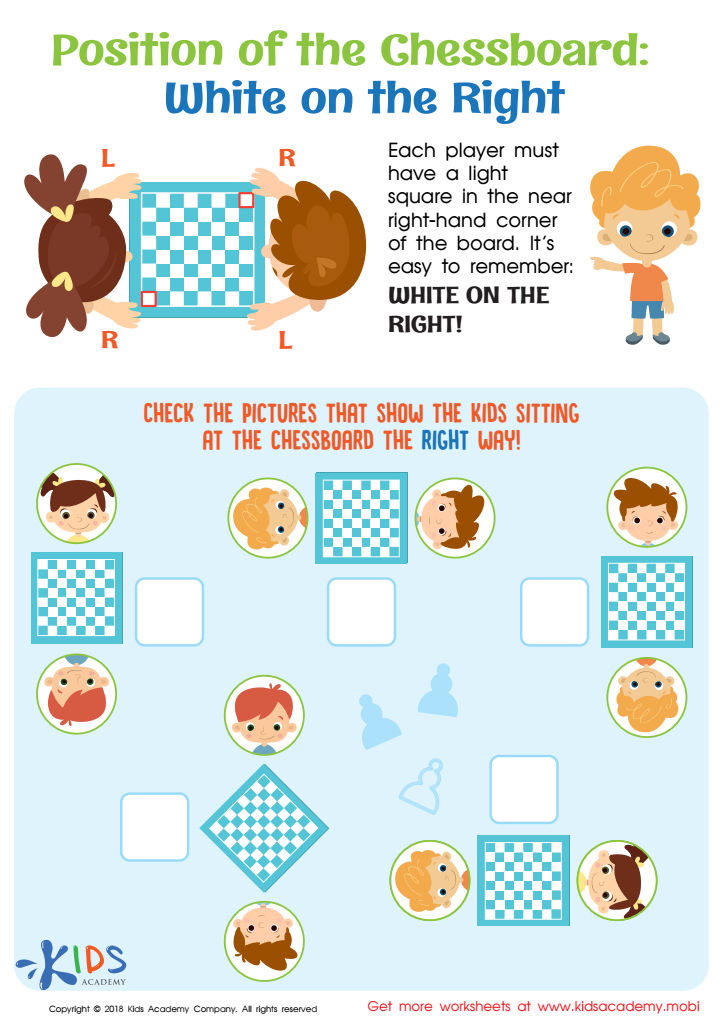
Position of the Chessboard: White on the Right Worksheet
 Assign to My Students
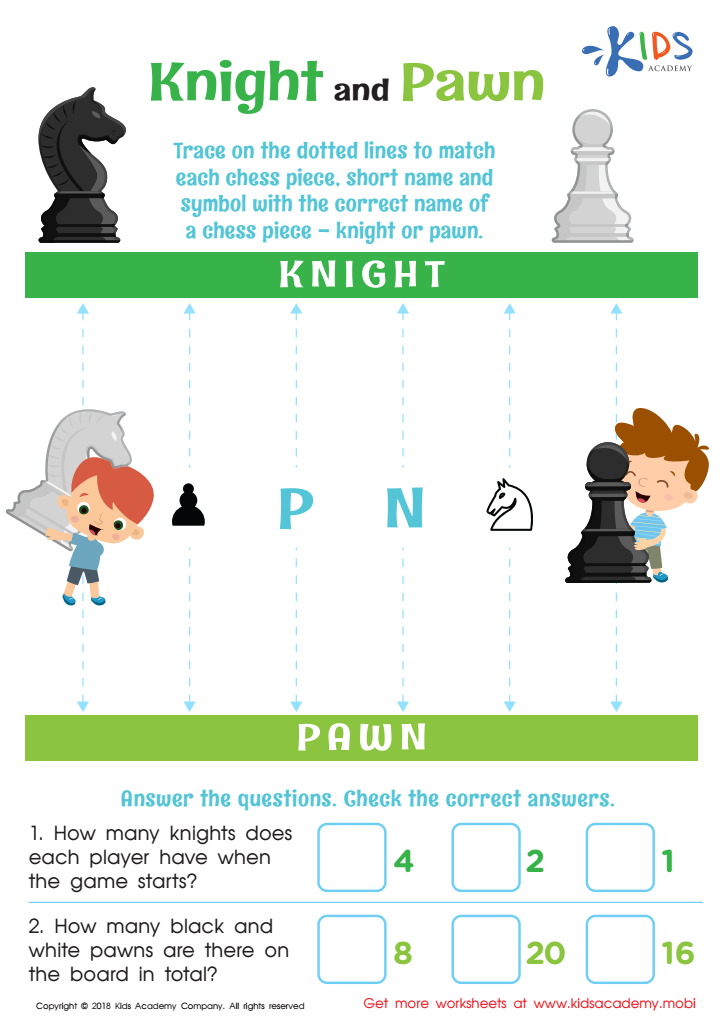
Knight and Pawn Worksheet
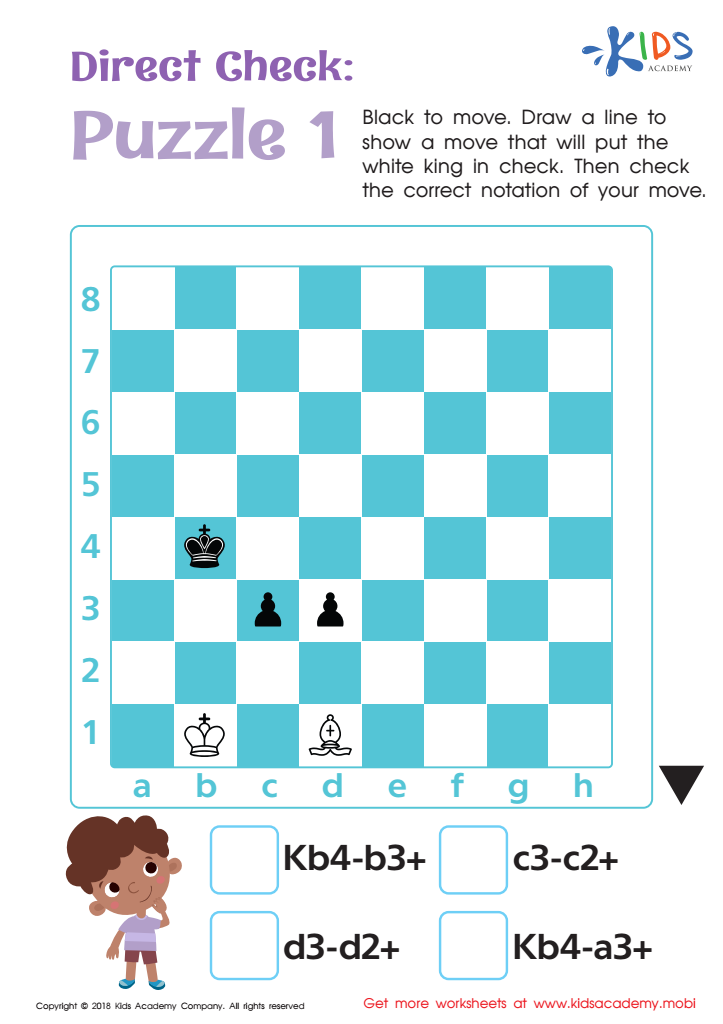
Direct Check: Puzzle 1 Worksheet


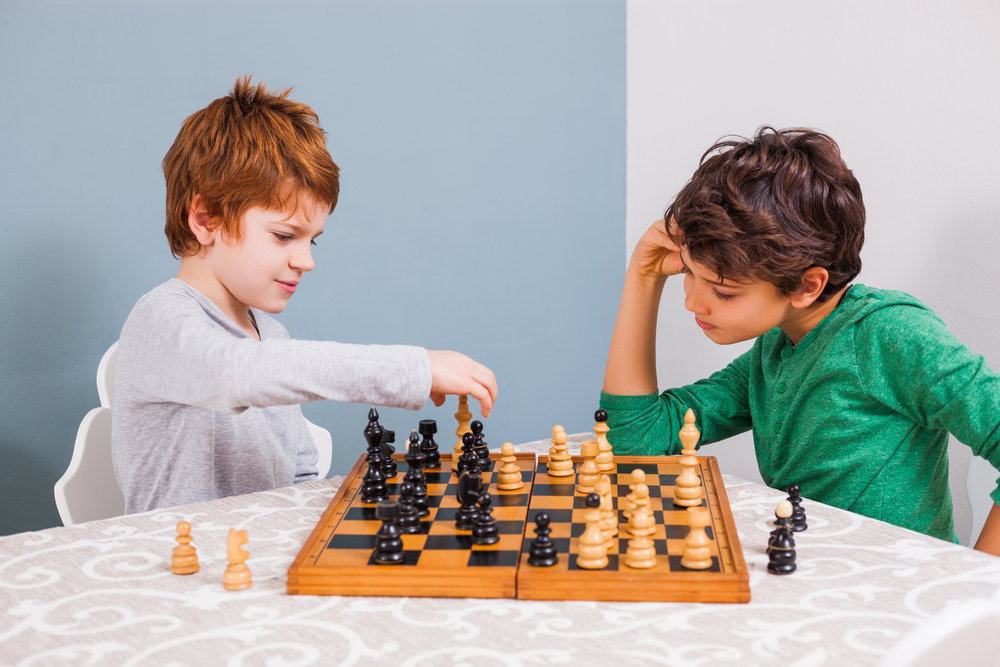
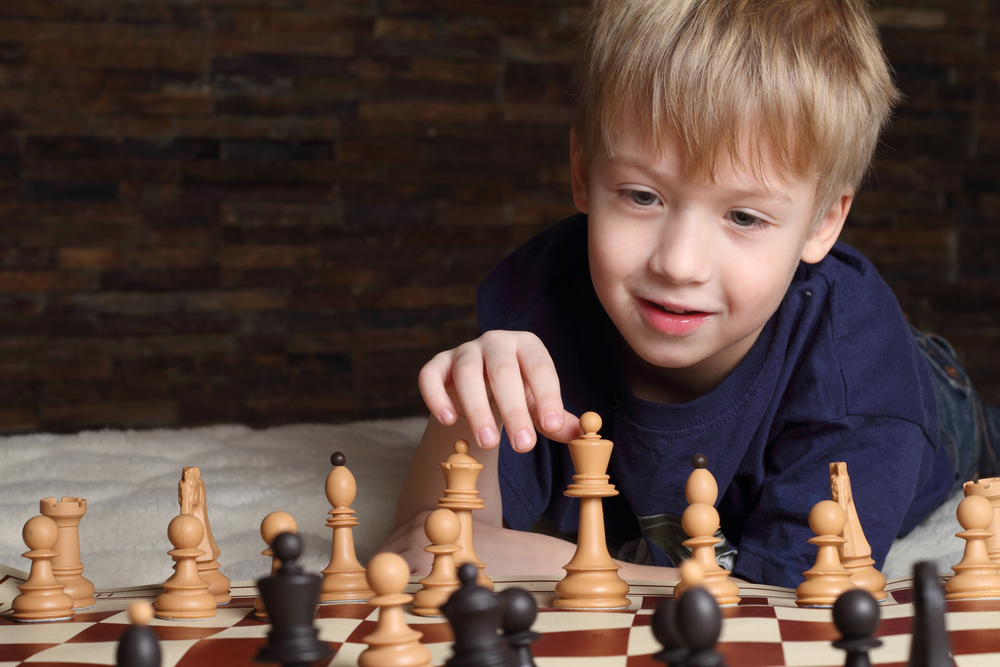

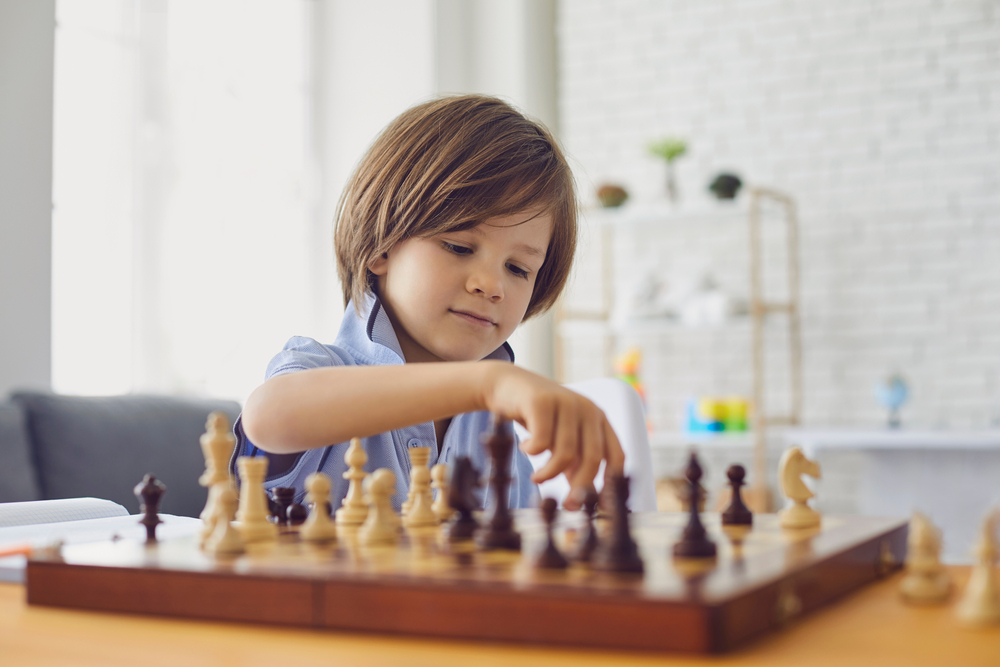

Spatial awareness is a crucial cognitive skill that involves understanding how objects relate to one another in both two and three-dimensional space. Teaching chess to children ages 4-6 not only enhances their spatial awareness but also fosters essential life skills, making it a valuable activity for parents and teachers to consider.
Chess introduces young learners to concepts of movement and positioning, as they visualize how different pieces interact on the board. This strategic game encourages them to think ahead, to predict potential moves and outcomes, enhancing their problem-solving skills. As children learn the rules and strategies of chess, they also develop patience, focus, and perseverance, essential traits for their overall growth.
Furthermore, engaging in chess promotes critical thinking and creativity. It encourages children to evaluate different possibilities and outcomes, which are vital skills applicable across various domains of learning.
Ultimately, exposing children to chess at an early age lays a strong foundation for cognitive development. By cultivating spatial awareness alongside strategic thinking, parents and teachers can profoundly impact their children's academic journeys and help them thrive both in and out of the classroom.