Critical Thinking Worksheets for Ages 4-6 - Page 4
91 filtered results
-
From - To
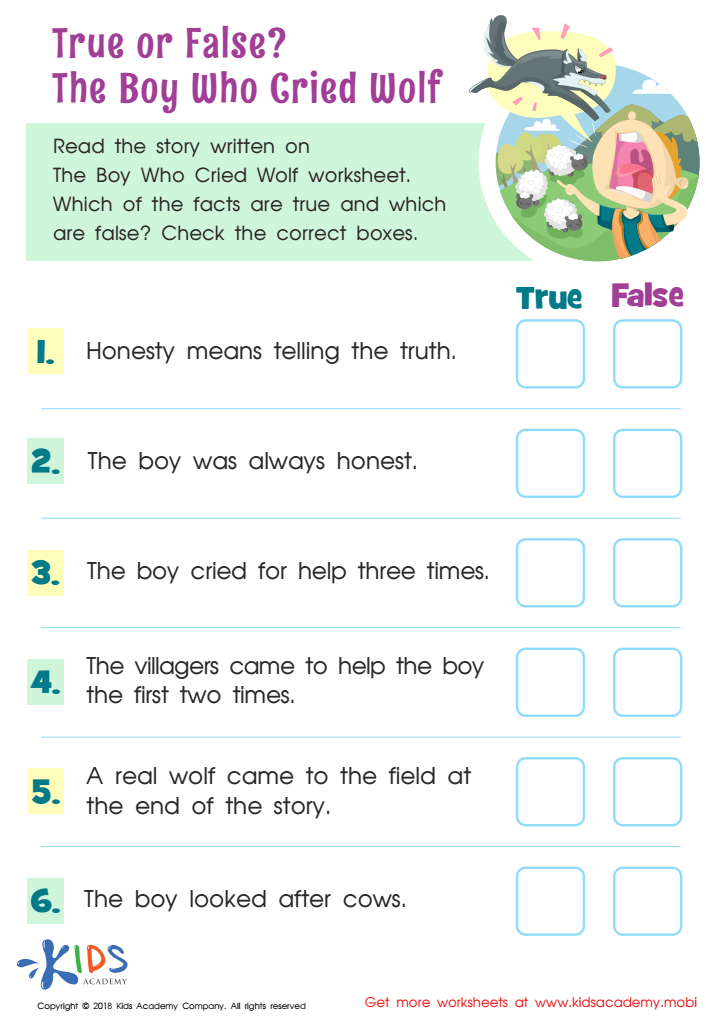
True or False? The Boy Who Cried Wolf Worksheet
 Assign to My Students
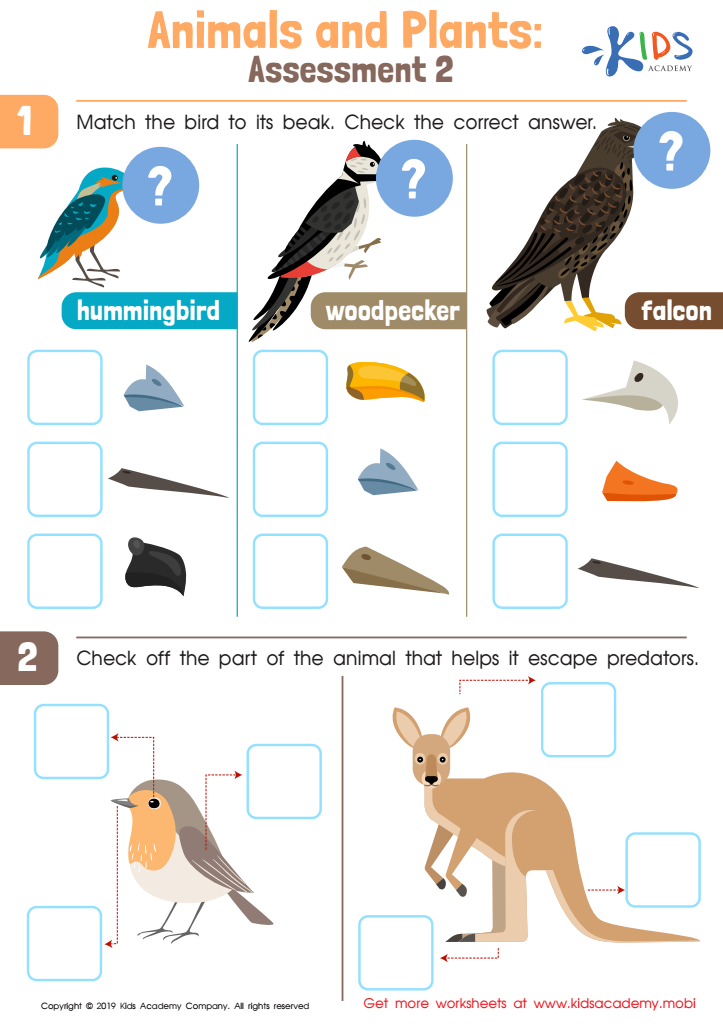
Animals and Plants: Assessment 2 Worksheet
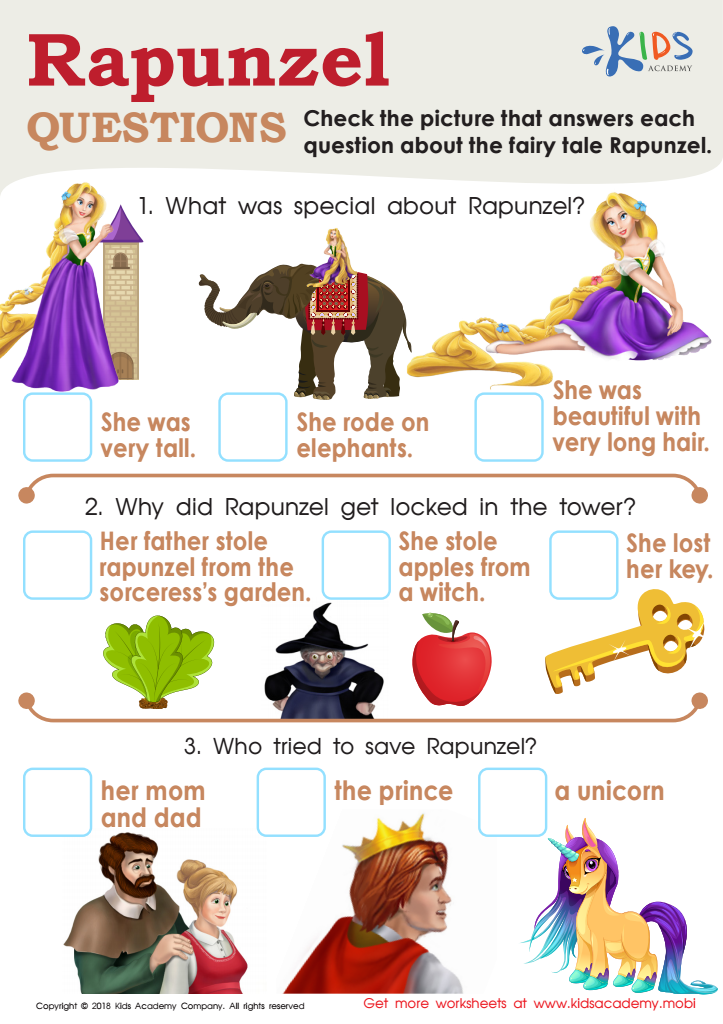
Rapunzel Questions Worksheet
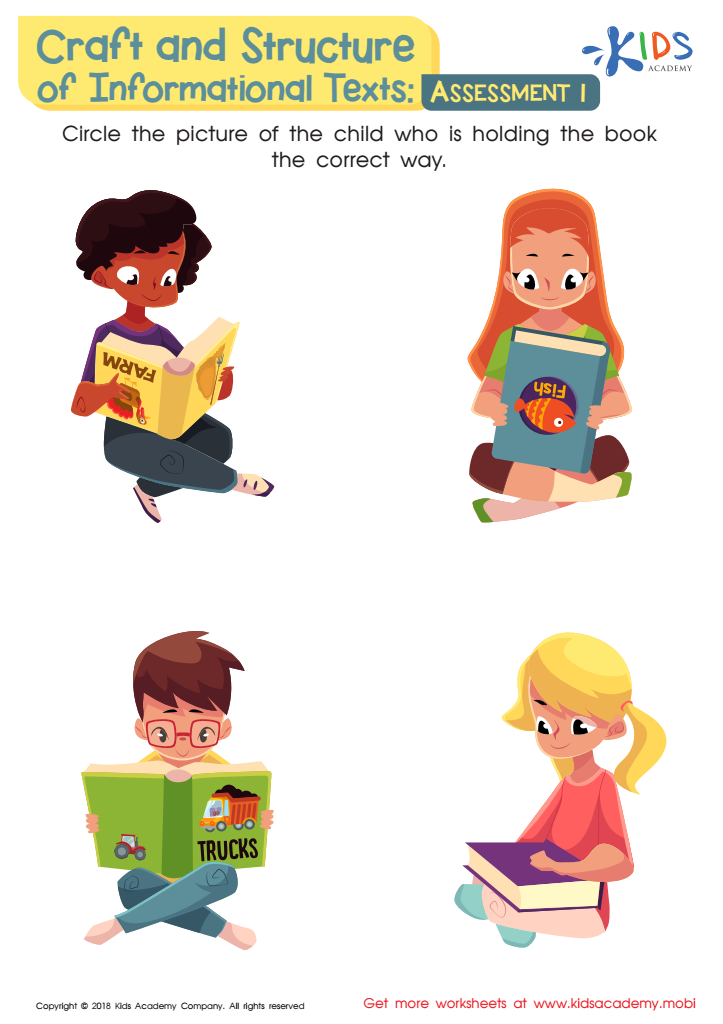
Craft and Structure of Informational Texts: Assessment 1 Worksheet
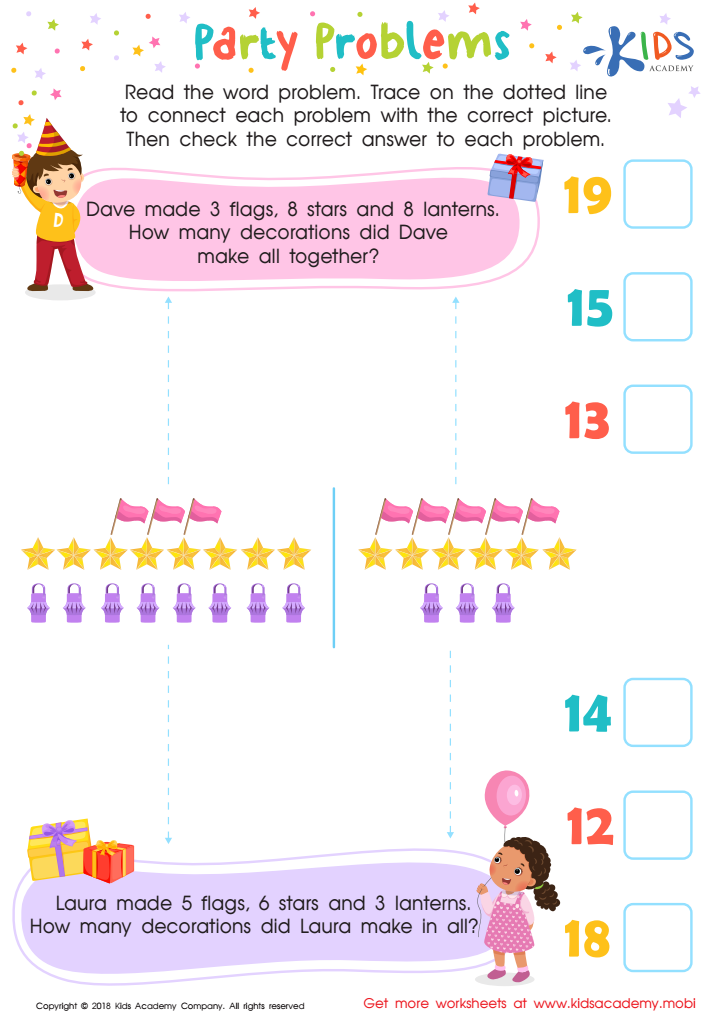
Party Problems Worksheet
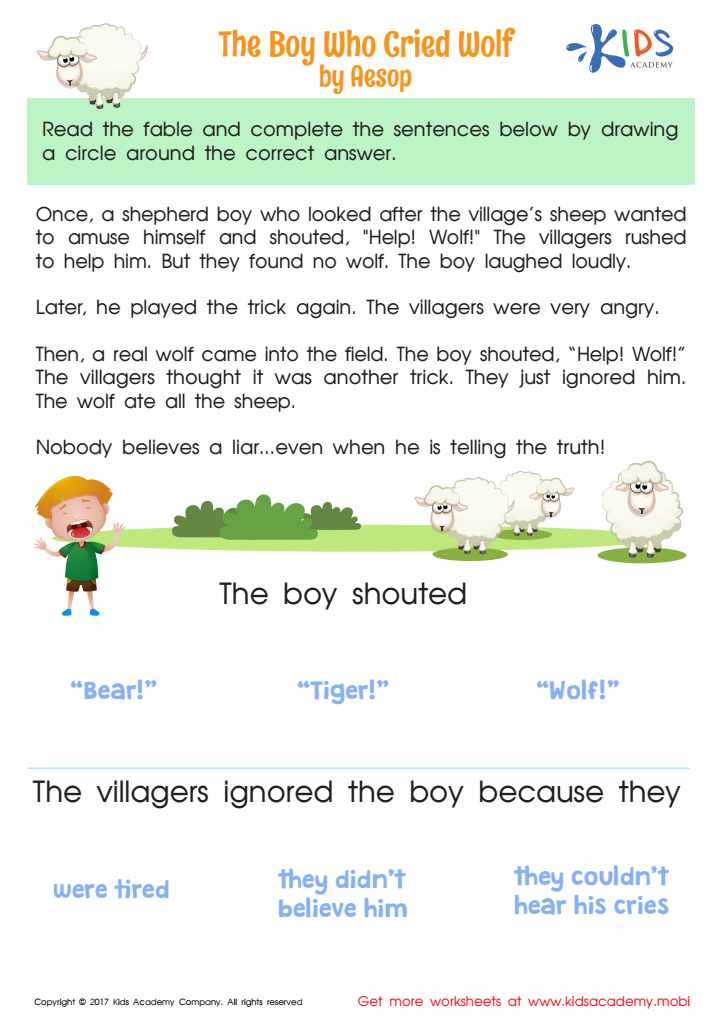
The Boy Who Cried Wolf Worksheet
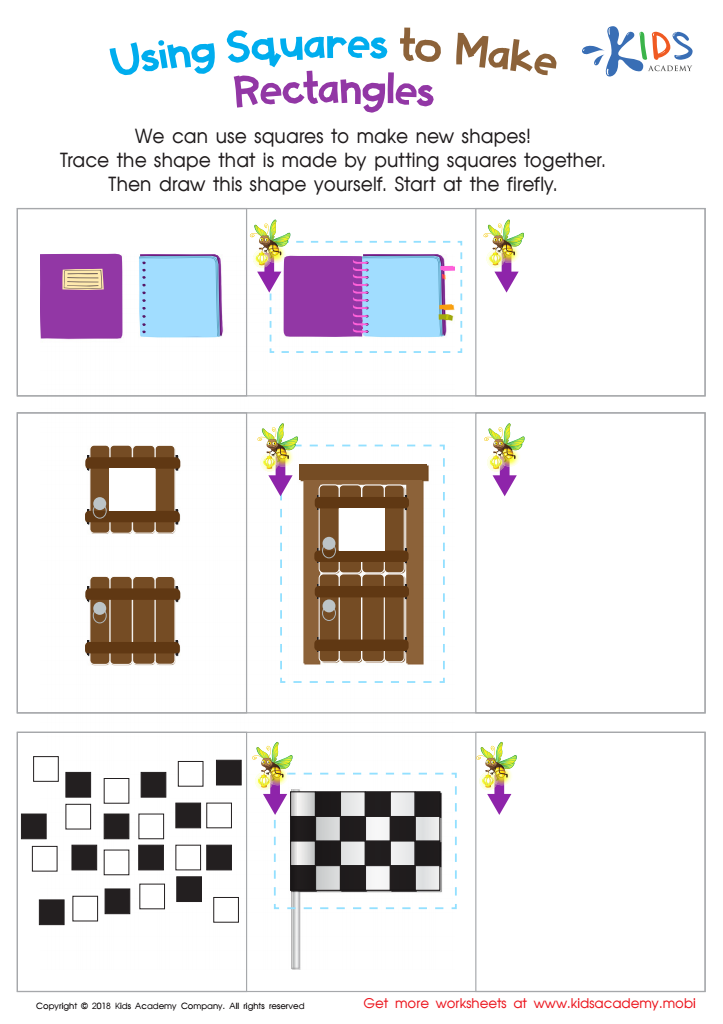
Using Squares to Make Rectangles Worksheet
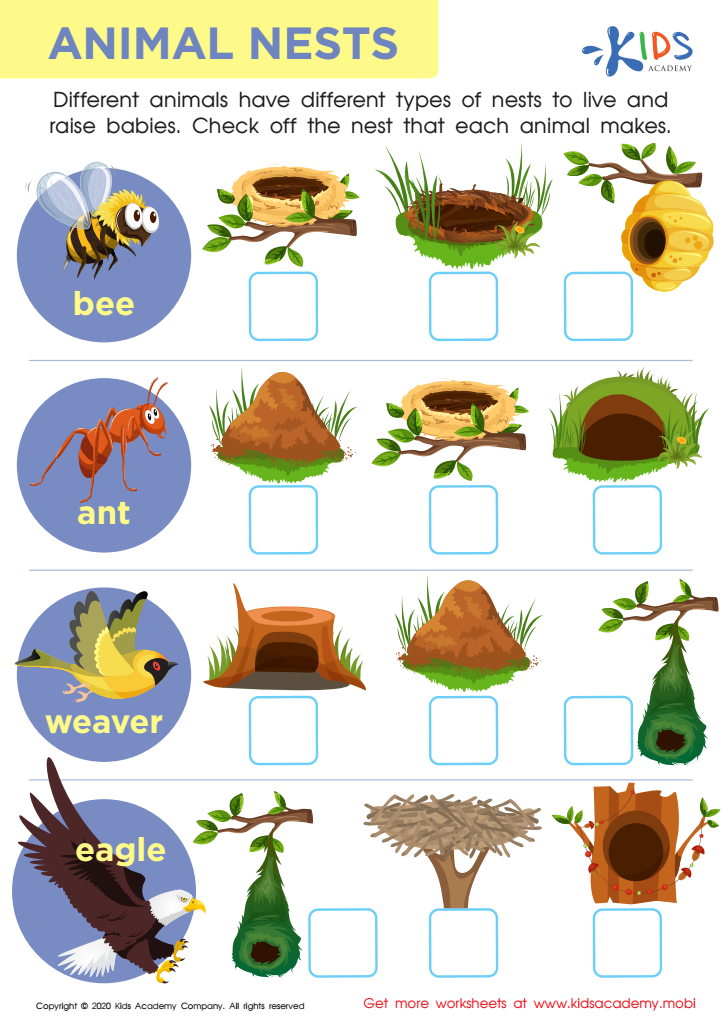
Animal Nests Worksheet
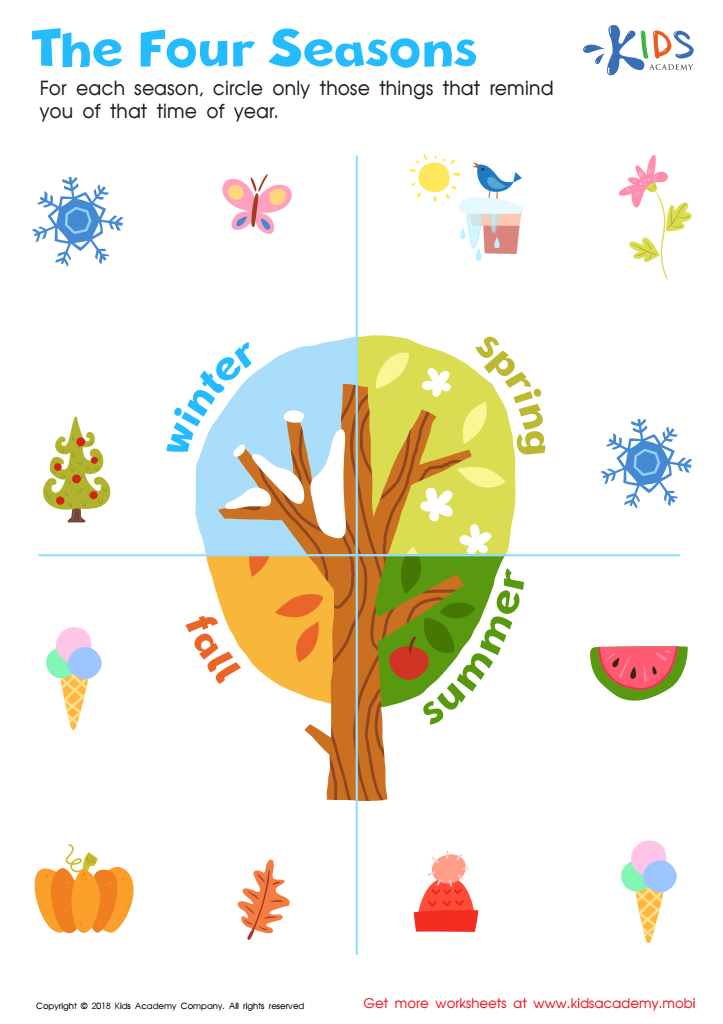
The Four Seasons Worksheet
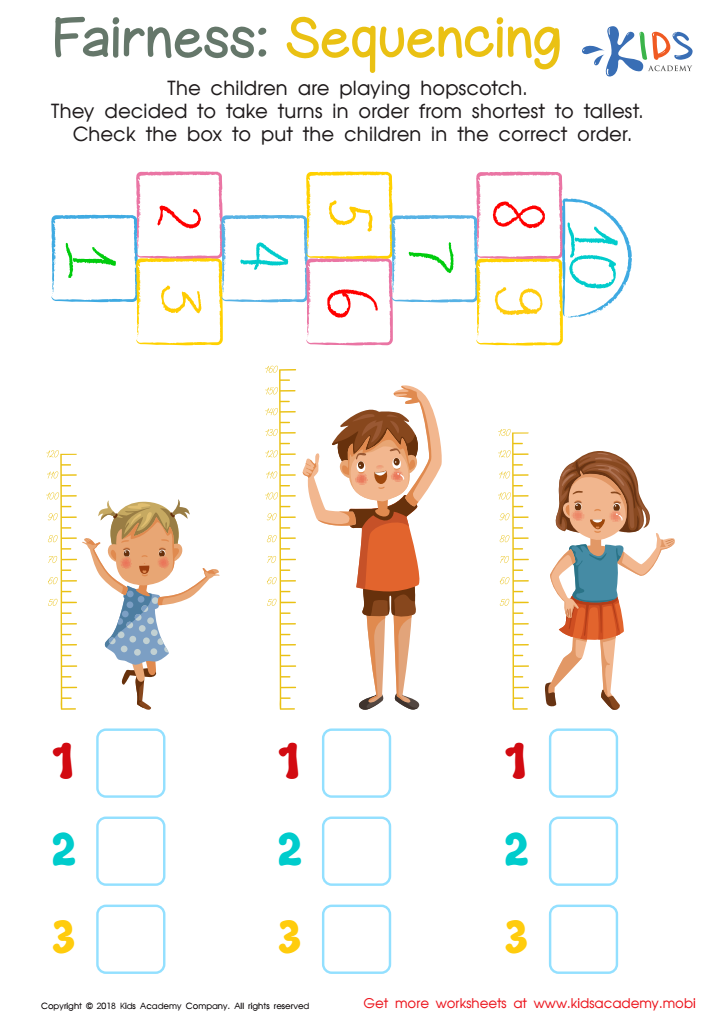
Fairness: Sequencing Worksheet
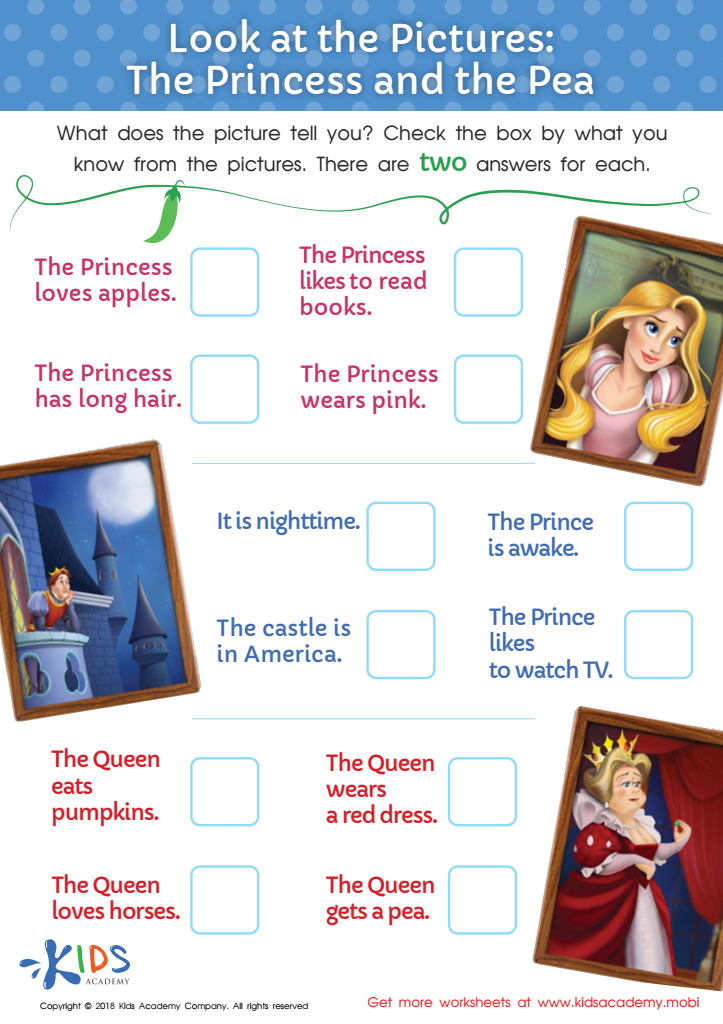
Look at the Pictures: The Princess and the Pea Worksheet
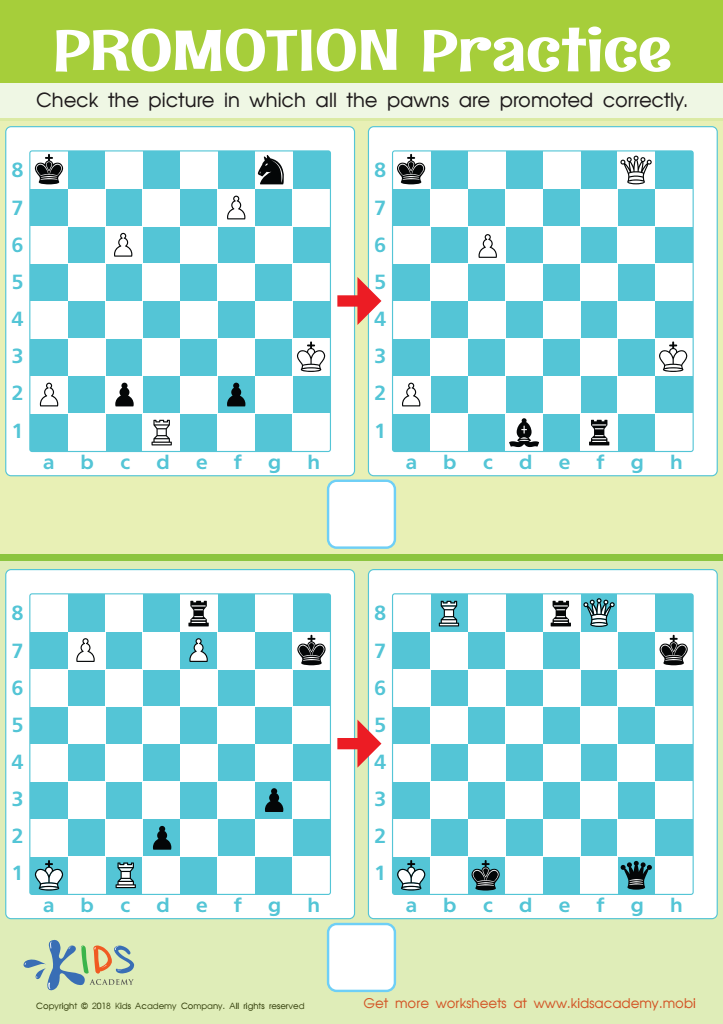
Promotion Practice Worksheet
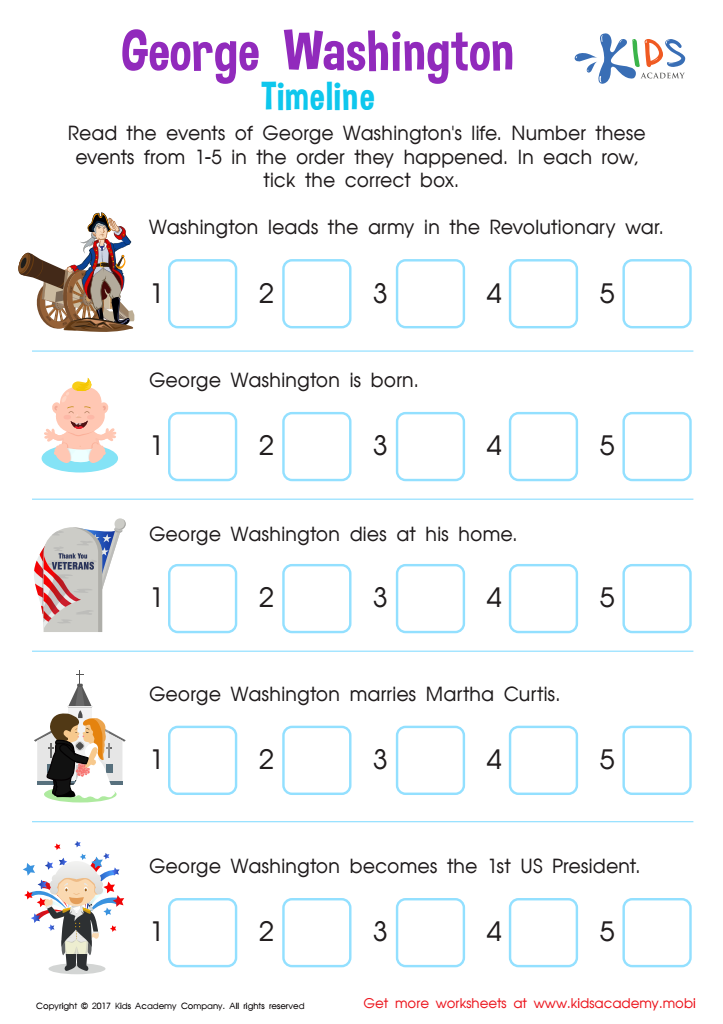
George Washington Timeline Worksheet
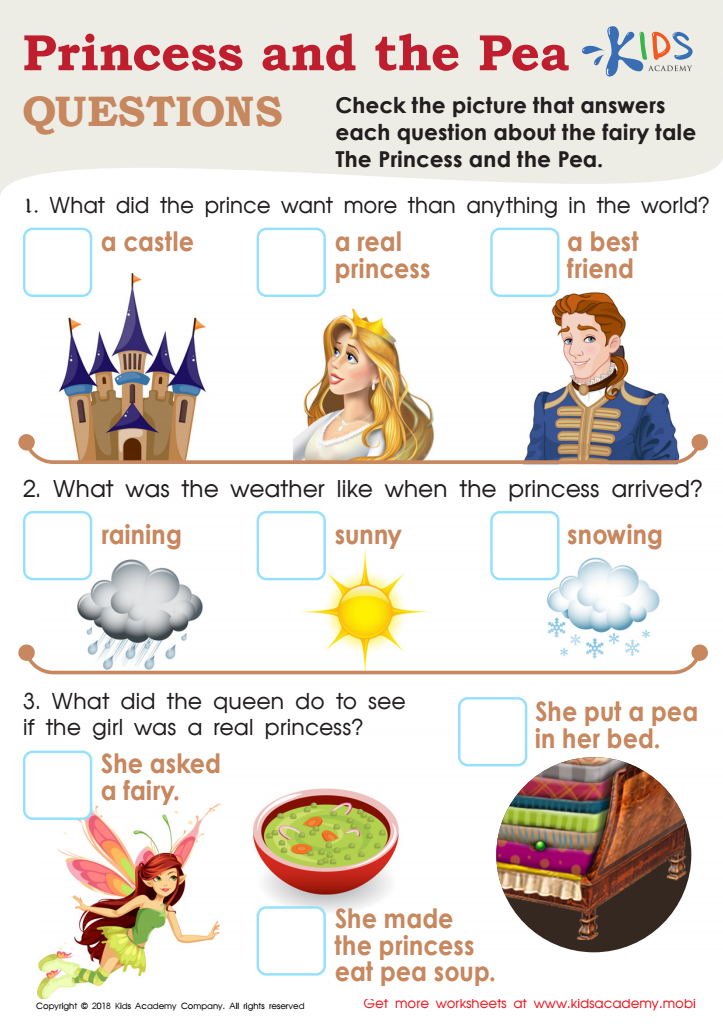
Princess and the Pea Questions Worksheet
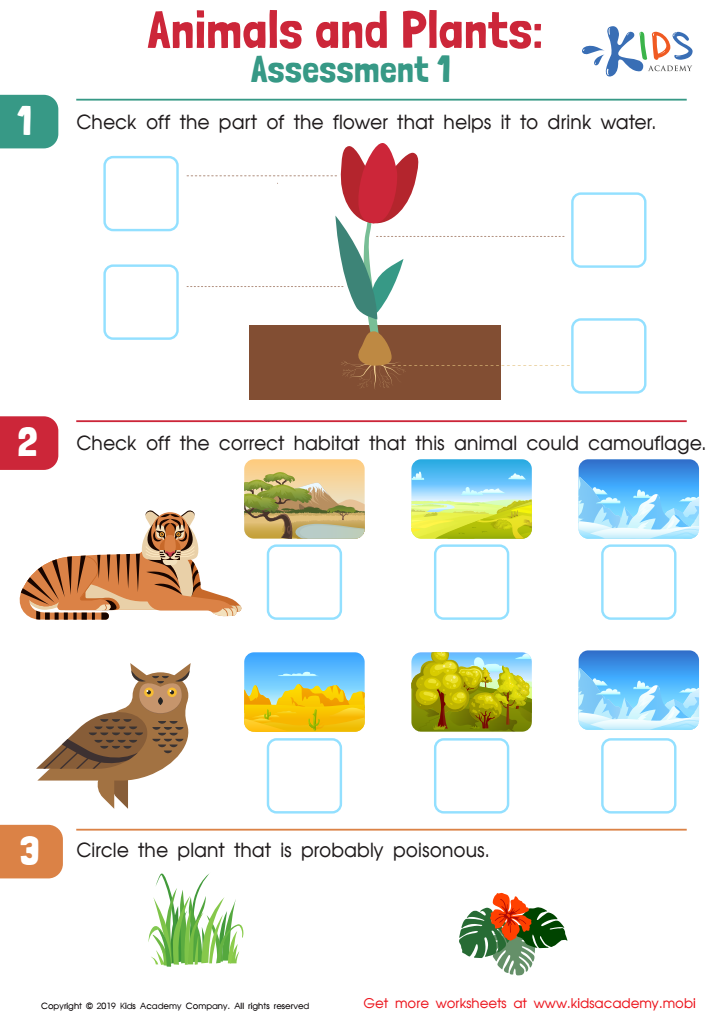
Animals and Plants: Assessment 1 Worksheet









Critical thinking is essential for children aged 4-6 as it lays the foundation for lifelong learning and problem-solving skills. At this age, children are naturally curious and eager to explore their environment. By encouraging critical thinking, parents and teachers can foster this curiosity and help children learn how to analyze situations, ask questions, and understand the world around them.
Critical thinking encourages children to think independently, be open-minded, and make reasoned decisions. It enables them to better evaluate information by distinguishing between fact and opinion, which is pivotal in today's information-rich society. As they engage in discussions and activities that challenge their thought processes, they develop confidence in their abilities to articulate ideas, solve problems, and collaborate with peers.
Moreover, nurturing critical thinking in early childhood promotes emotional growth. As children learn to consider different perspectives, they enhance their empathy and interpersonal skills, fostering a caring and inclusive environment. Ultimately, investing in critical thinking skills during these formative years equips children with the tools necessary for academic success and responsible citizenship in the future, making it imperative for parents and teachers to prioritize this vital aspect of development.








