
Enhance vocabulary skills Worksheets for Ages 4-6
3 filtered results
Difficulty Level
Grade
Age
-
From - To
Subject
Activity
Standards
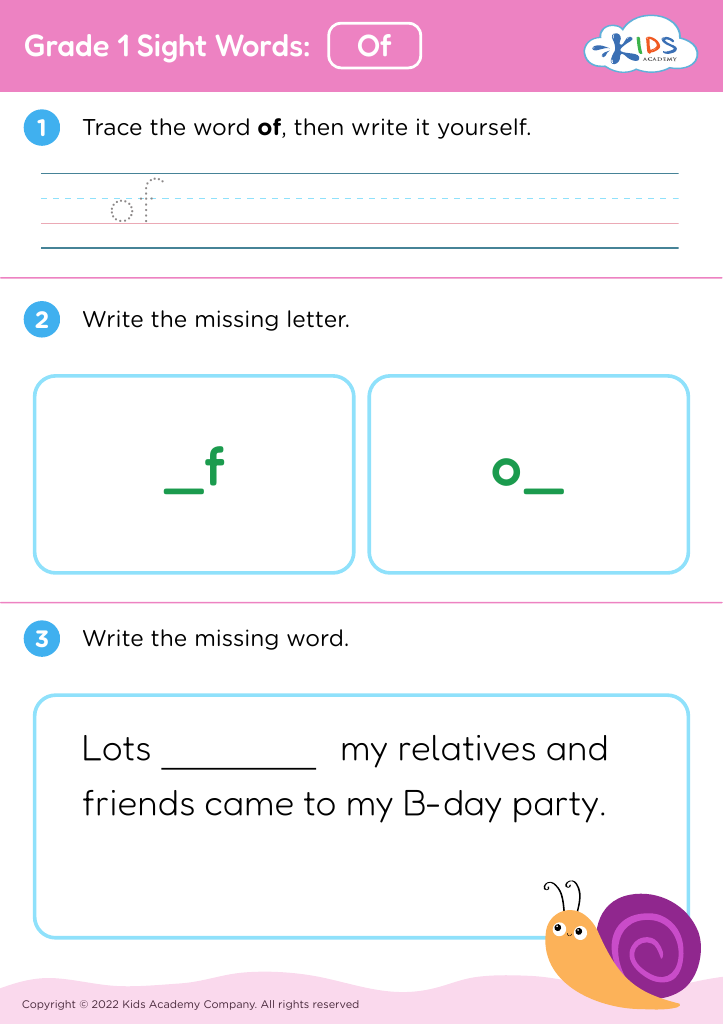
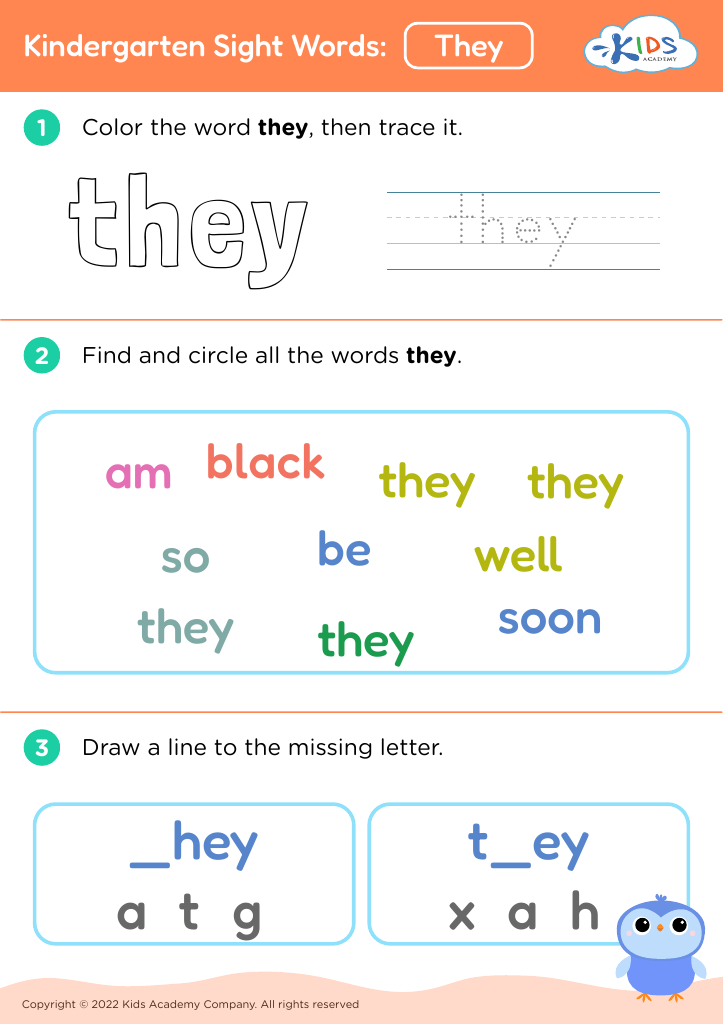
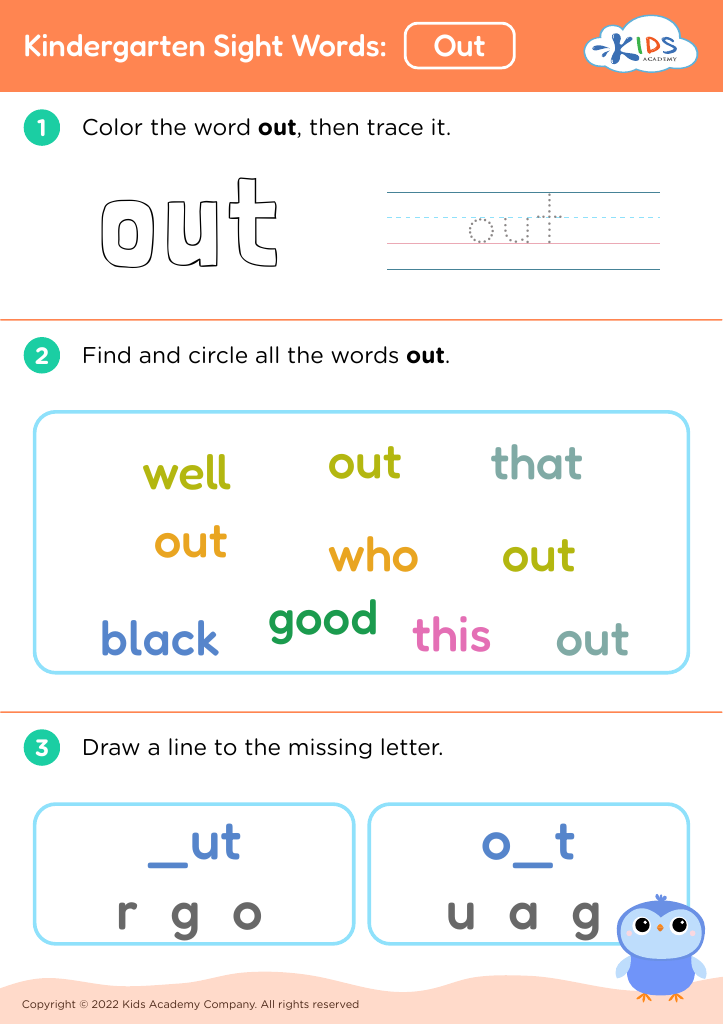
Boost your child's vocabulary skills with our engaging worksheets designed for ages 4-6! Our resources focus on helping young learners expand their word knowledge through fun activities, including matching, fill-in-the-blank exercises, and illustrations. Each worksheet is crafted to make learning enjoyable while improving language comprehension and expression. By incorporating rich and diverse vocabulary into play, your preschoolers will build confidence in their communication skills. Perfect for homeschool settings or classroom use, these worksheets encourage creativity and critical thinking, laying a strong foundation for future learning. Download now and watch your child's vocabulary soar!
Favorites
With answer key
Interactive
Join Kids Academy for Free
Who is primarily going to use this learning content?








Enhancing vocabulary skills in children aged 4-6 is crucial for their overall development and future academic success. During these formative years, children are like sponges, rapidly absorbing language and information. A rich vocabulary not only facilitates effective communication but also enhances cognitive development, enabling children to express their thoughts, feelings, and ideas more clearly.
Parents and teachers play a vital role in fostering vocabulary skills. Children equipped with a strong vocabulary are better prepared for reading comprehension, a foundational skill necessary for all subjects. When children encounter diverse words in their early education, they are more likely to enjoy reading and become life-long learners.
Additionally, vocabulary development supports social skills. A well-rounded vocabulary helps children interact with peers and adults, making them more confident in social settings. Furthermore, emotional vocabulary is essential for helping children articulate their feelings, leading to improved emotional regulation and interpersonal relationships.
Investing time in activities that enrich vocabulary, such as storytelling, singing, or interactive games, creates a stimulating learning environment. By prioritizing vocabulary enhancement, parents and teachers equip children with essential tools for navigating their world and succeeding academically, socially, and emotionally.








