Fine motor skills development Worksheets for Ages 4-6
12 filtered results
-
From - To
Enhance your child's fine motor skills with our engaging worksheets designed specifically for ages 4-6! These printable resources blend fun with learning, helping young learners develop essential hand-eye coordination and dexterity. Each worksheet is carefully crafted to engage children in activities such as tracing, cutting, and coloring, ensuring they build strength and precision in their tiny hands. Perfect for classroom use or home learning, our fine motor skills development worksheets provide variety and stimulation to keep your little ones motivated. Download and experience the joyful journey of skill-building with Kids Academy, where learning meets creativity!
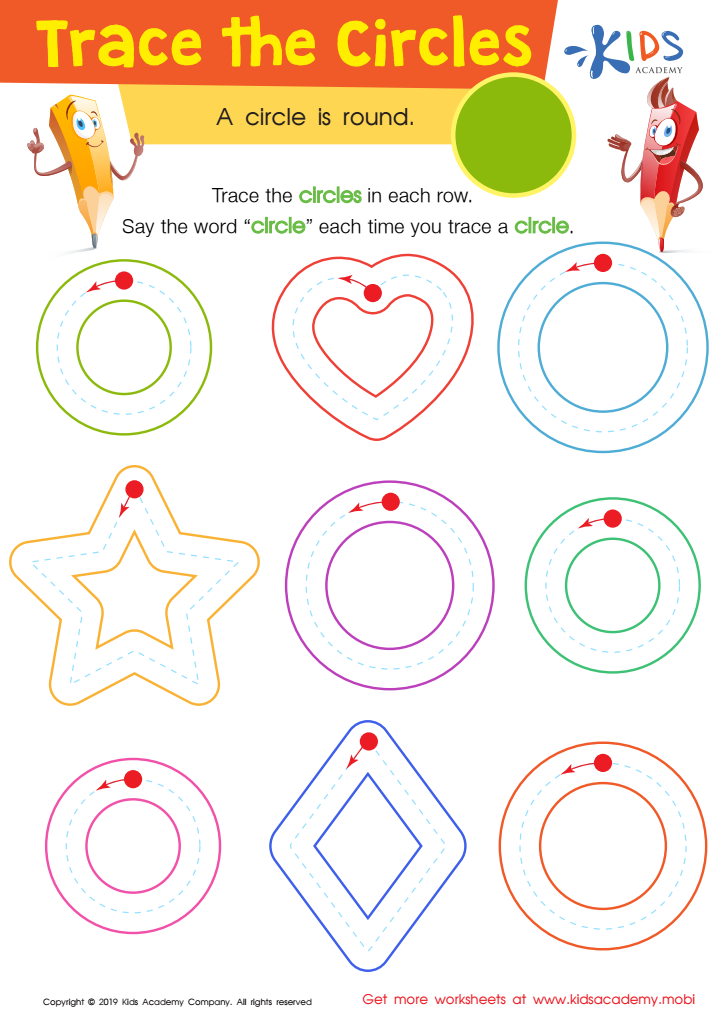
Trace The Circles Worksheet

I Stands High Worksheet
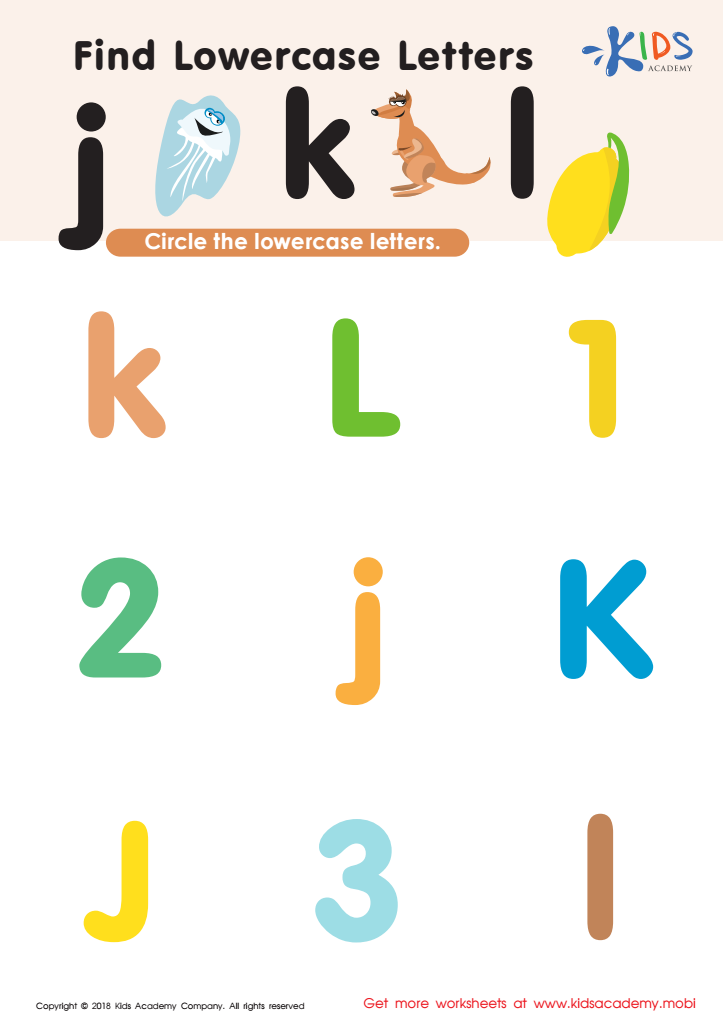
Find Lowercase Letters j k l Worksheet
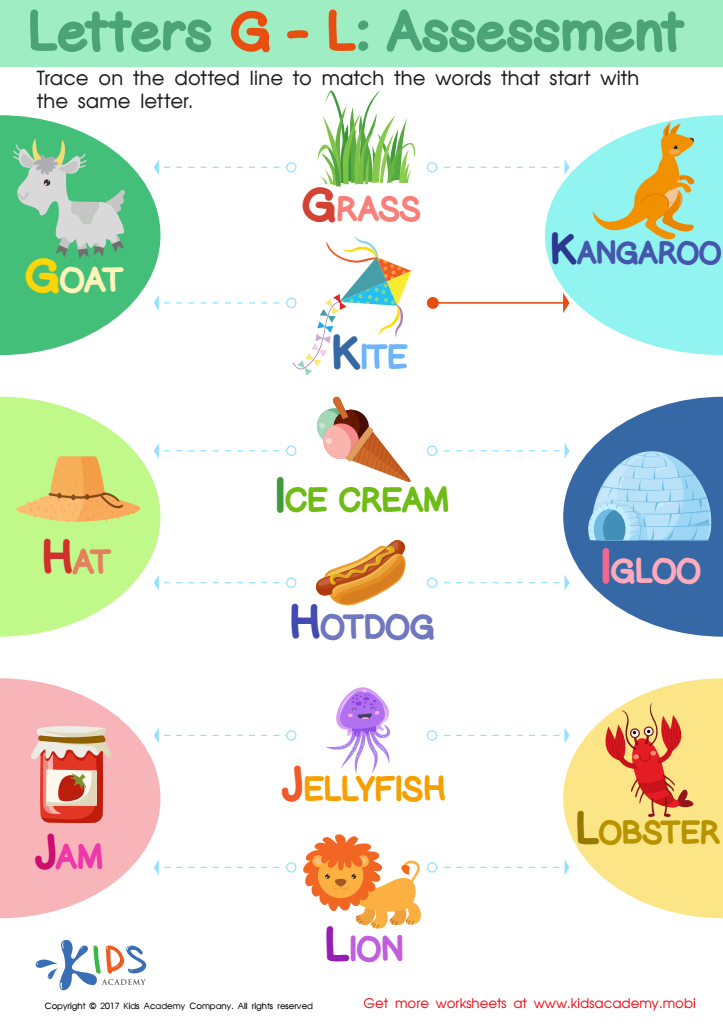
Letters G-L Worksheet
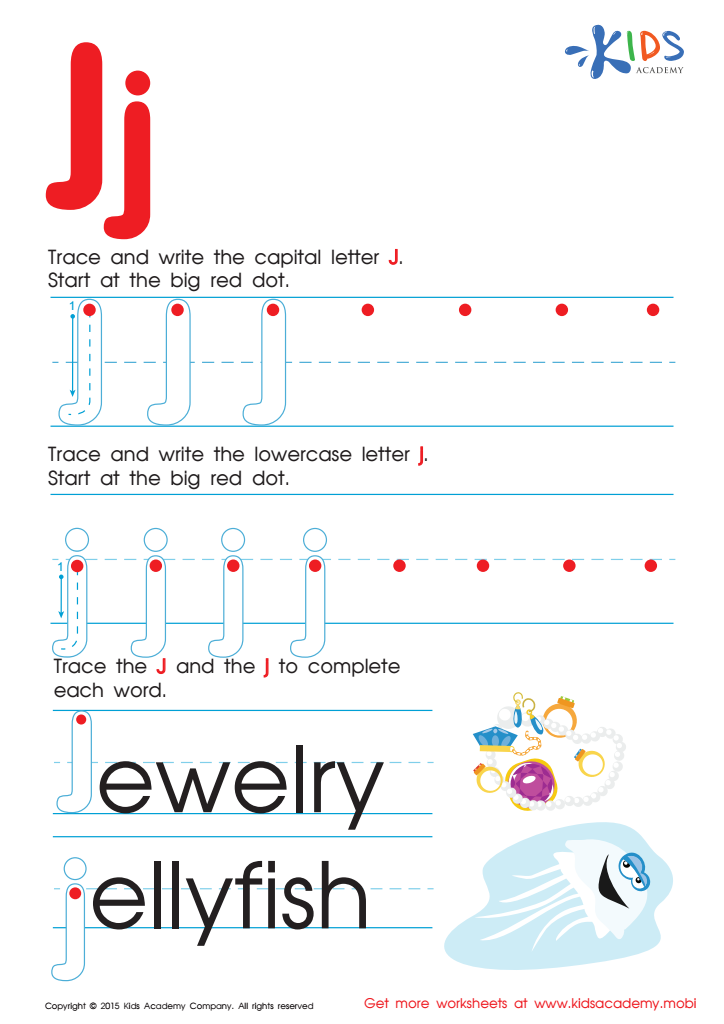
Letter J Tracing Page
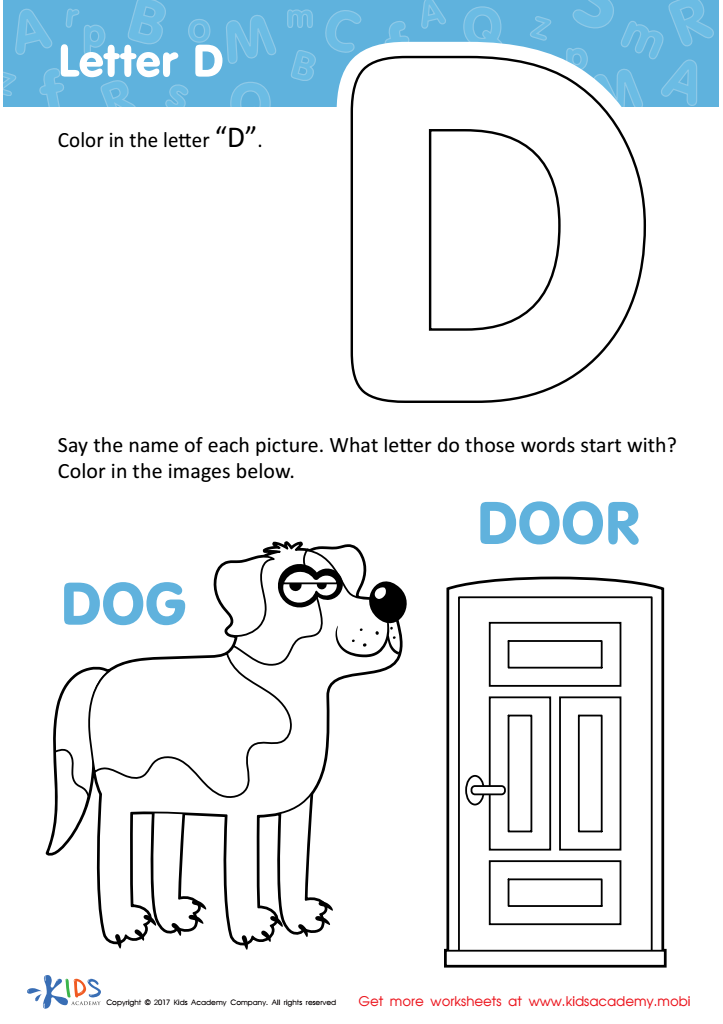
Letter D Coloring Sheet
 Assign to My Students

Night Sky Constellations: Aries Worksheet
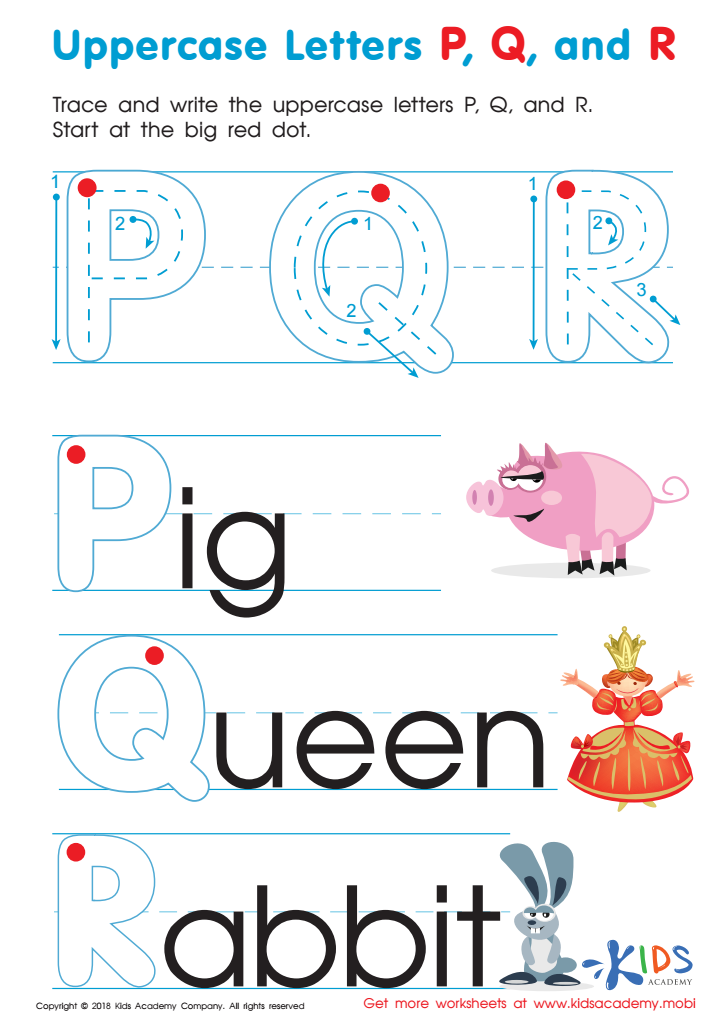
Uppercase Letters P, Q, and R Worksheet
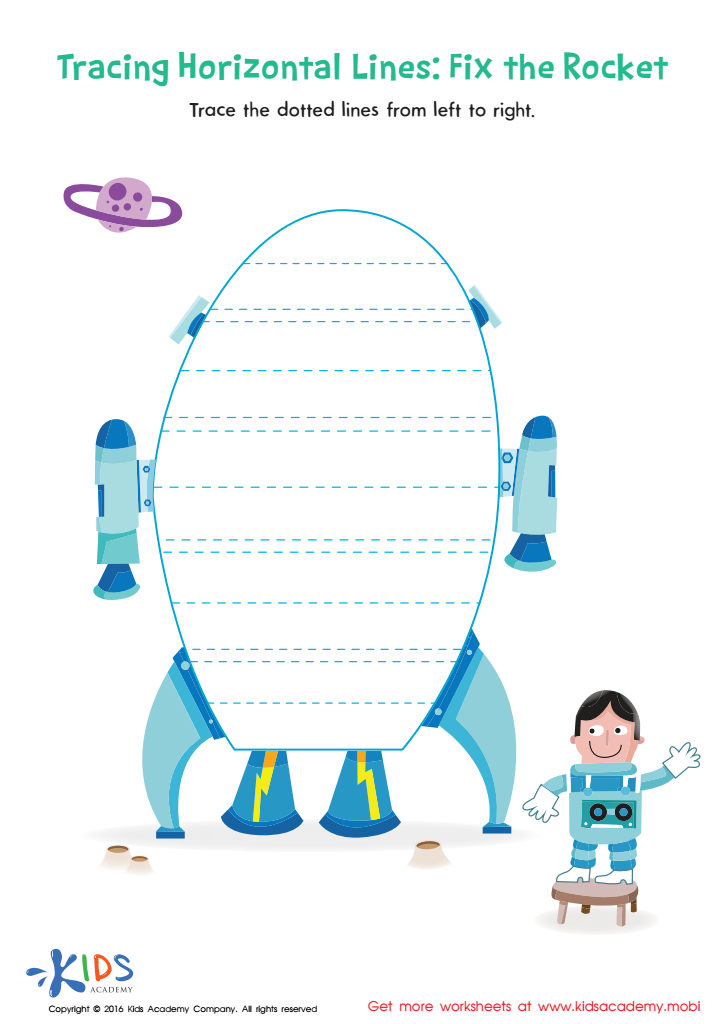
Tracing Horizontal Lines Worksheet
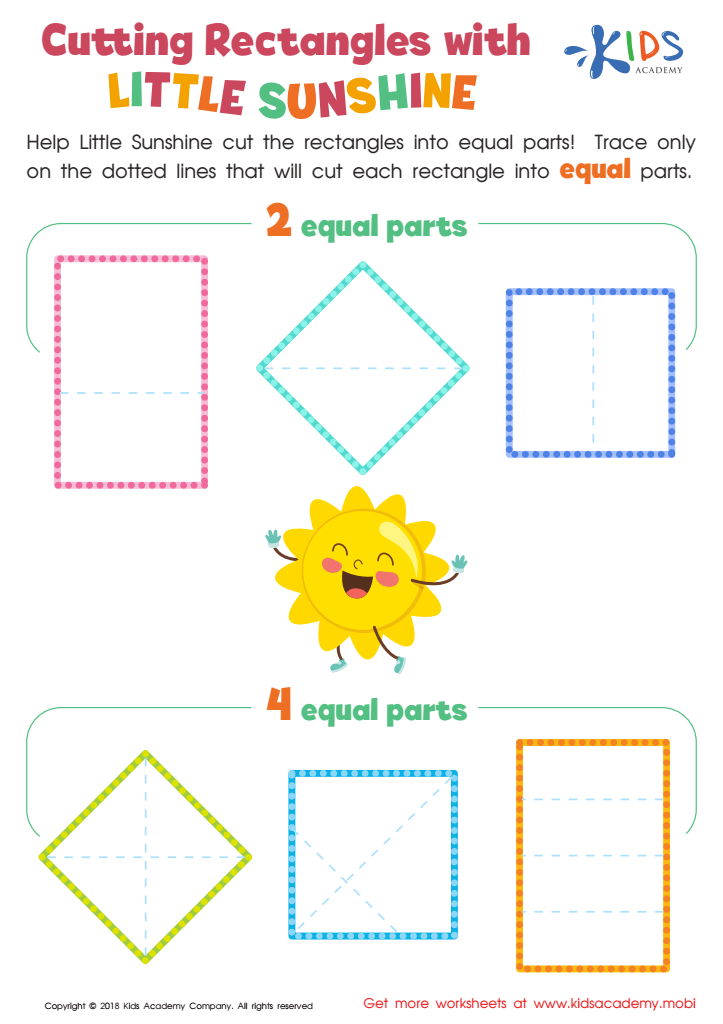
Cutting Rectangles with Little Sunshine Worksheet
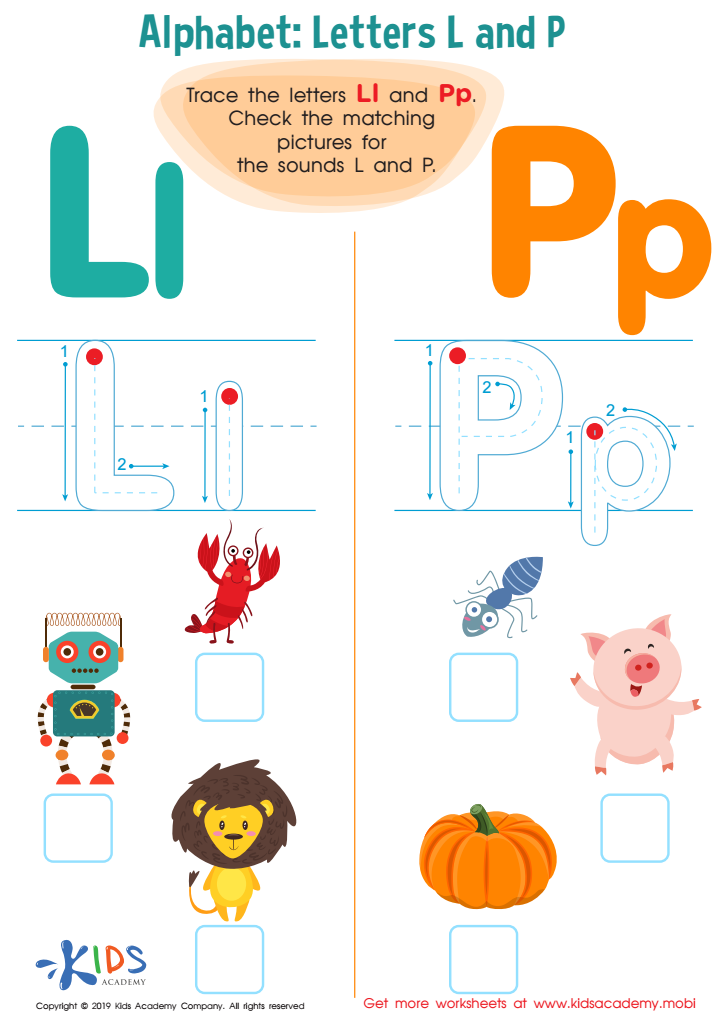
Letter L and P Tracing Worksheet







Fine motor skills development is crucial for children aged 4 to 6 as it lays the foundation for numerous aspects of their growth. These skills involve the coordination of small muscles in the hands and fingers, allowing for precise movements necessary for everyday tasks. When parents and teachers prioritize fine motor skills, they enhance children’s ability to perform essential activities, such as writing, using scissors, and buttoning clothing, which boosts their independence and self-confidence.
Additionally, strong fine motor skills are closely linked to cognitive development, as activities like drawing, coloring, and crafting not only improve coordination but also support creativity and problem-solving abilities. Engaging children in fine motor activities promotes hand-eye coordination and spatial awareness, critical for later academic success.
Moreover, fine motor development influences social skills through cooperative play and sharing tools or toys. Parents and teachers can promote these skills through fun and engaging activities like puzzles, building blocks, or arts and crafts, making learning enjoyable.
Ultimately, nurturing fine motor skills in early childhood fosters a sense of achievement, independence, and readiness for academic challenges, ensuring that children are better equipped for future learning endeavors and everyday life. Therefore, prioritizing this development is essential for holistic childhood growth.








