Observational skills Worksheets for Ages 4-6 - Page 2
25 filtered results
-
From - To
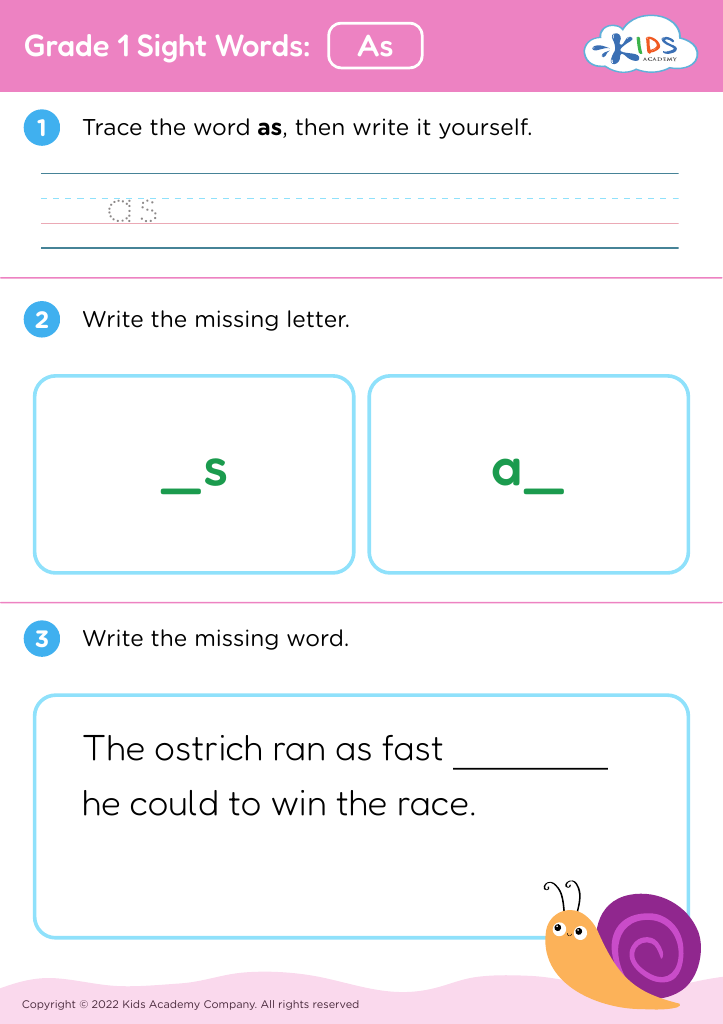








Observational skills are critical for children aged 4-6, as they form the foundation for learning and development. During this crucial stage, children are naturally curious and eager to explore their surroundings. By honing their observational skills, they cultivate the ability to notice details, identify patterns, and make connections, which are essential for cognitive development.
Parents and teachers should care about these skills because they significantly impact a child’s learning process. Strong observational skills help children enhance their language development, as they learn to describe and discuss what they see. Furthermore, these skills are integral in fostering critical thinking and problem-solving abilities. For instance, children who can observe changes in nature or their environment become more adept at asking questions and seeking solutions.
Promoting observational skills also encourages social and emotional development—or, as children learn to read facial expressions and body language, they become better equipped to form relationships and navigate social interactions. As parents and teachers, nurturing these skills allows children to engage more deeply with their world, thus laying the groundwork for lifelong learning and adaptability. By focusing on observational skills in this formative stage, adults can empower children to thrive academically and socially.








