Problem-solving abilities Worksheets for Ages 4-6 - Page 2
43 filtered results
-
From - To
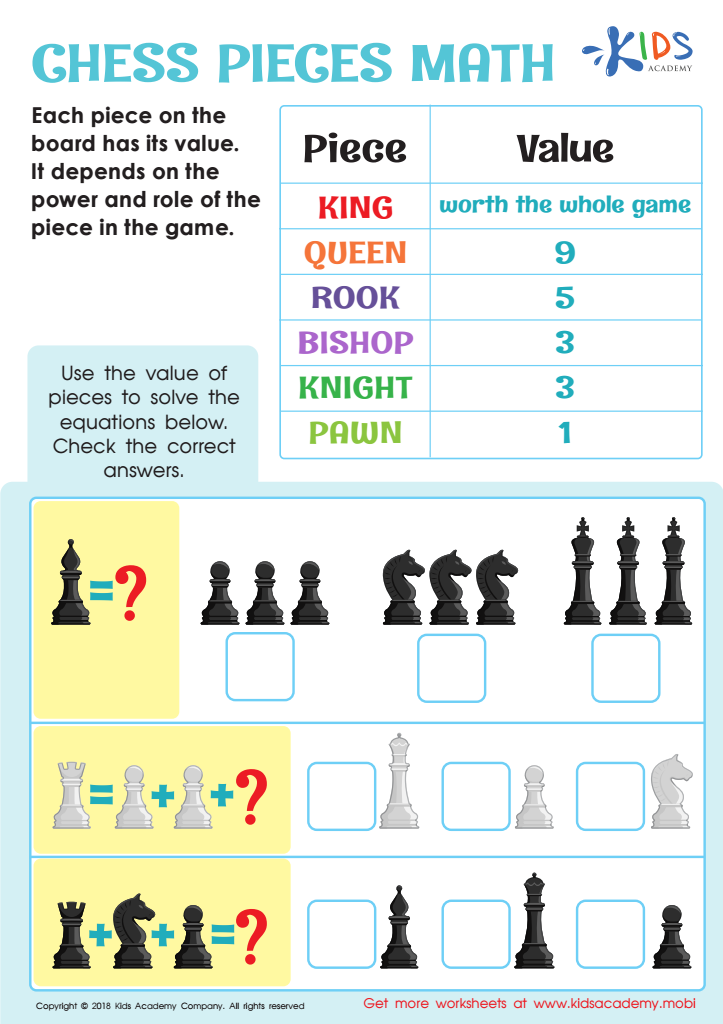
Chess Pieces Math Worksheet
 Assign to My Students
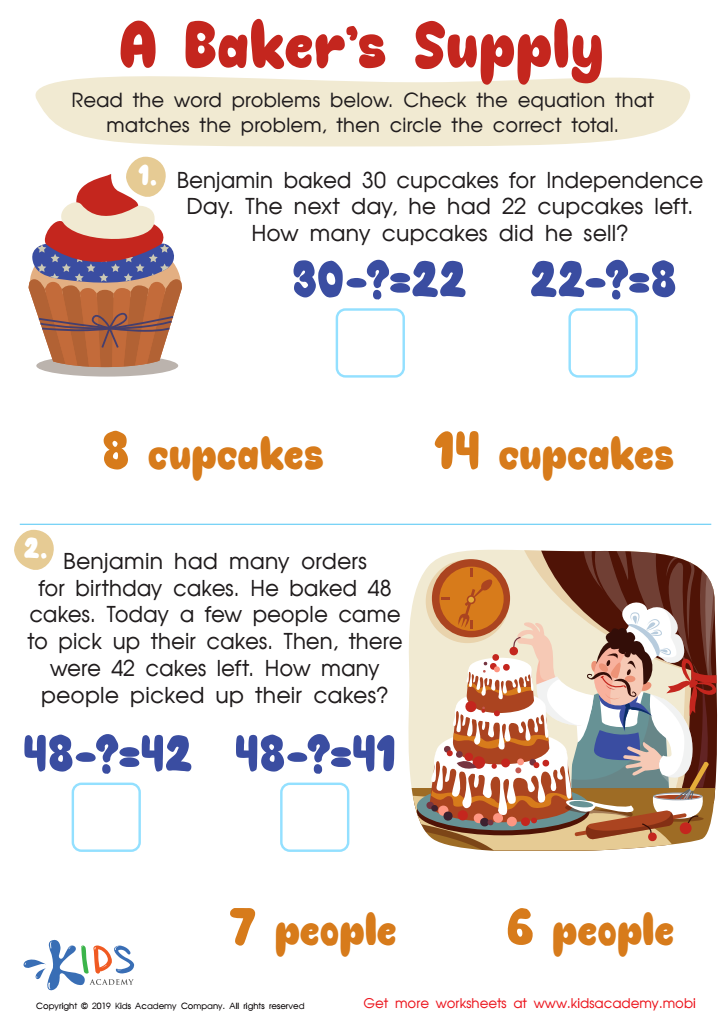
A Baker's Supply Worksheet
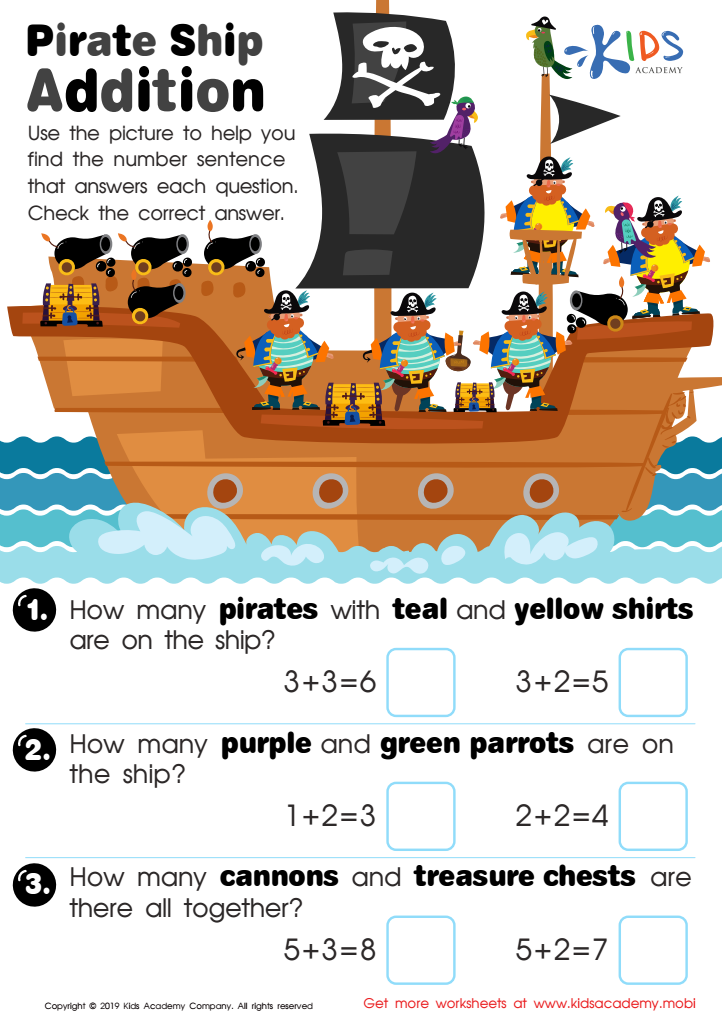
Pirate Ship Addition Worksheet
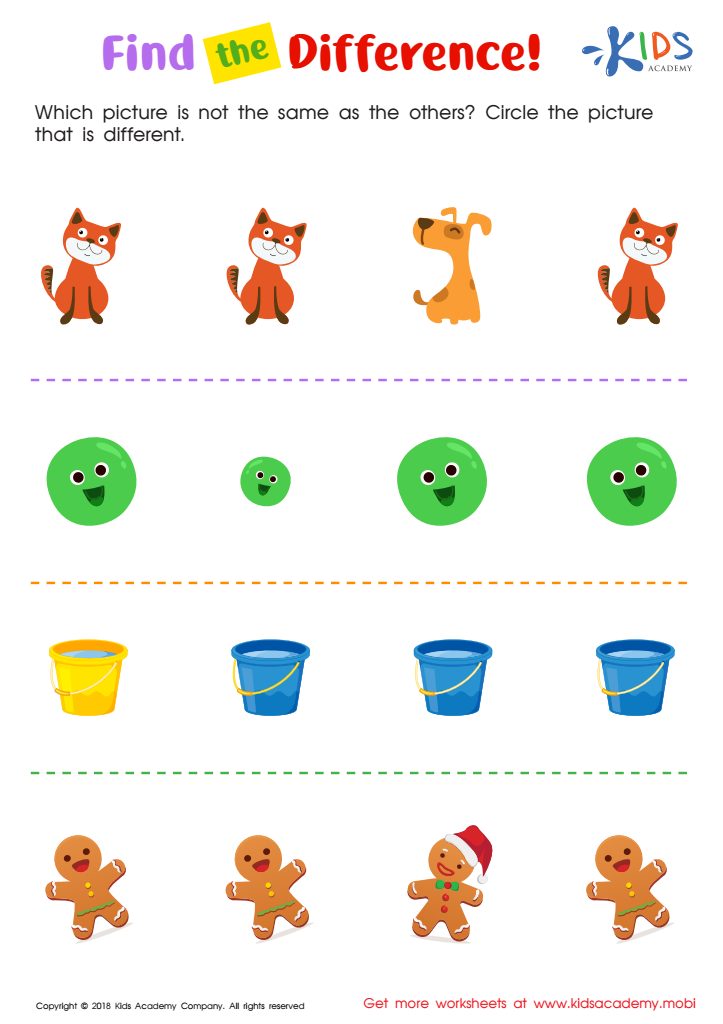
Find the Difference Worksheet
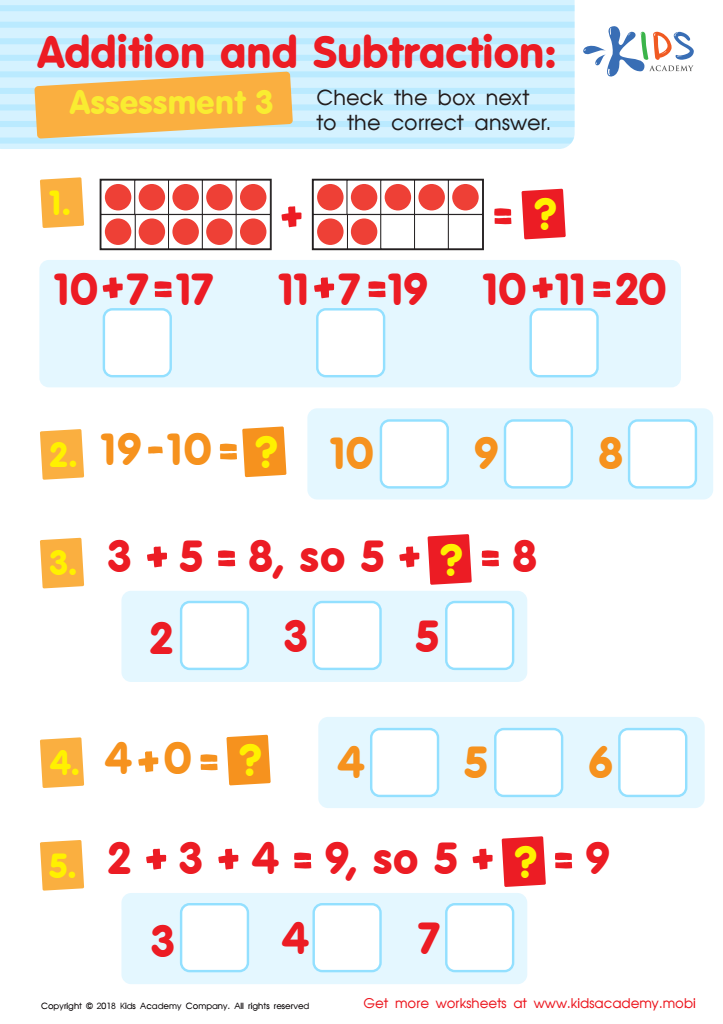
Addition and Subtraction Assessment 3 Worksheet
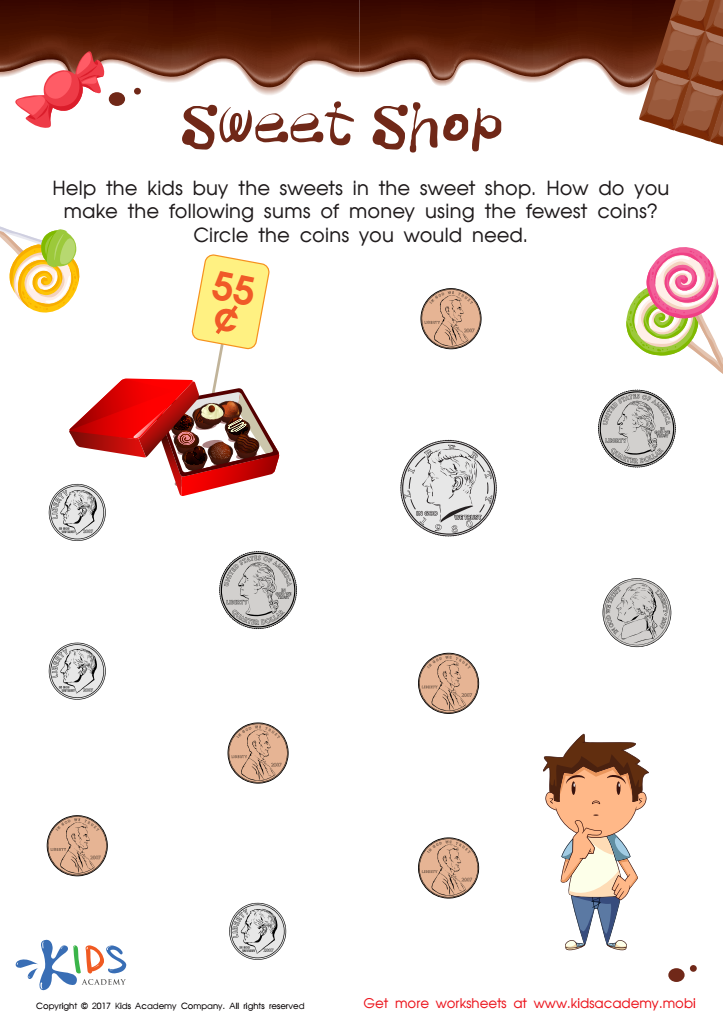
Sweet Shop – Counting Coins Worksheet
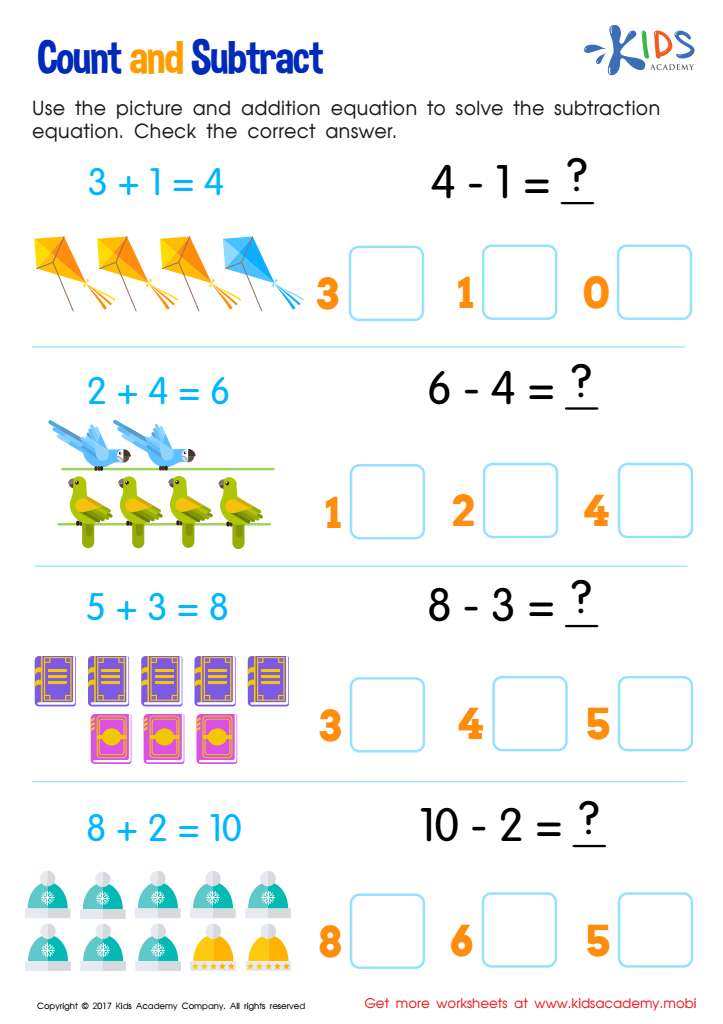
Count and Subtract Worksheet
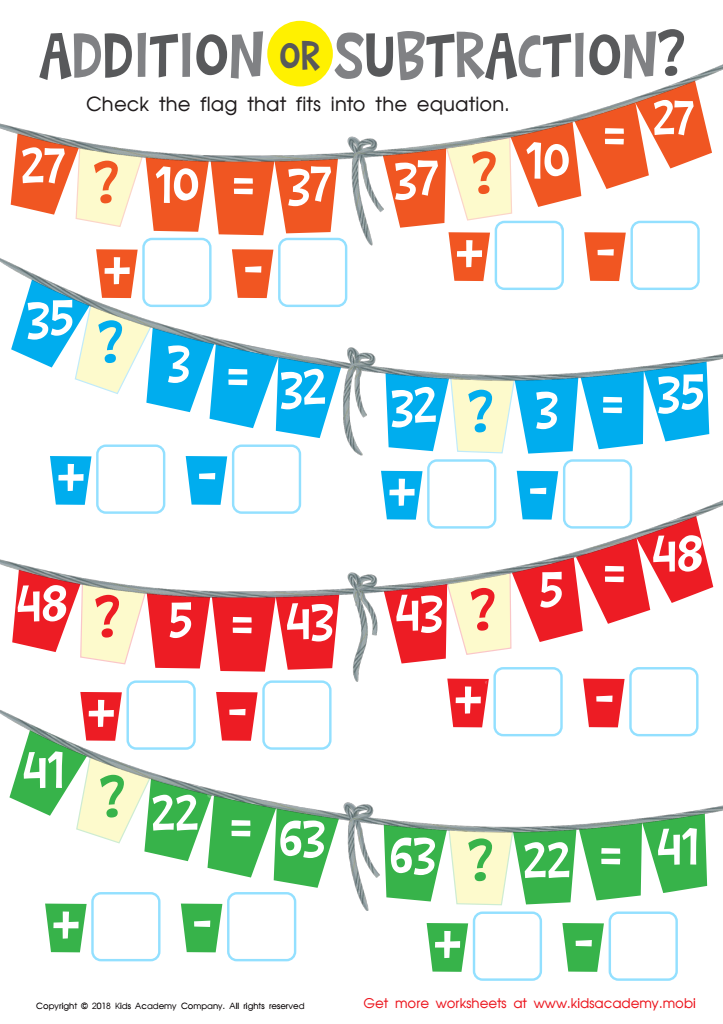
Addition or Subtraction? Worksheet
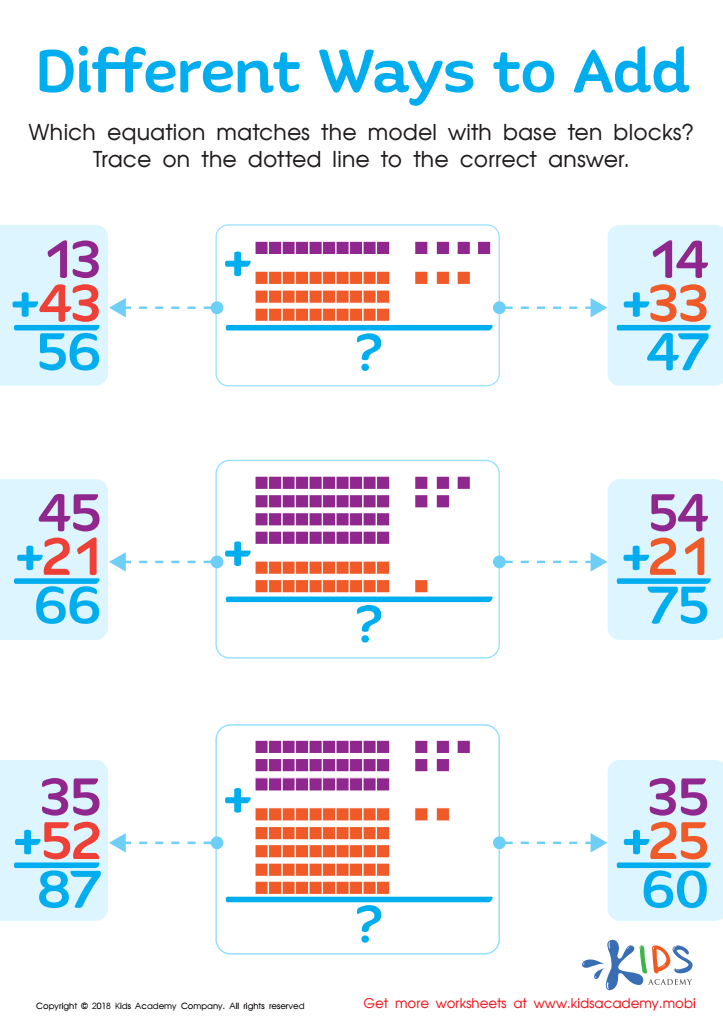
Different Ways to Add Worksheet
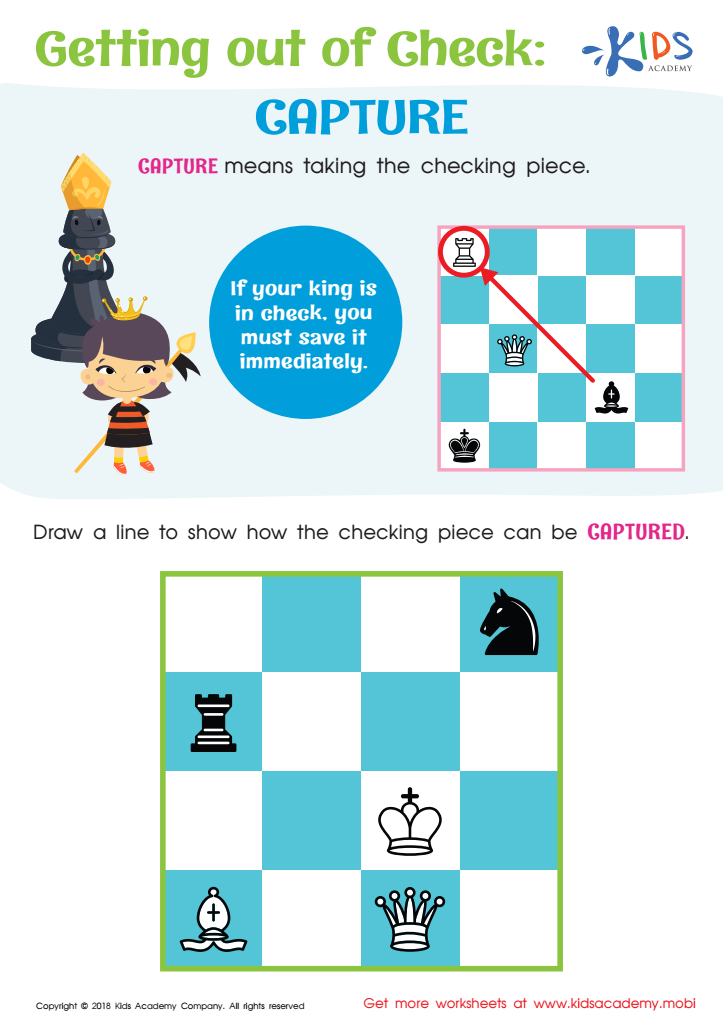
Getting out of Check: Capture
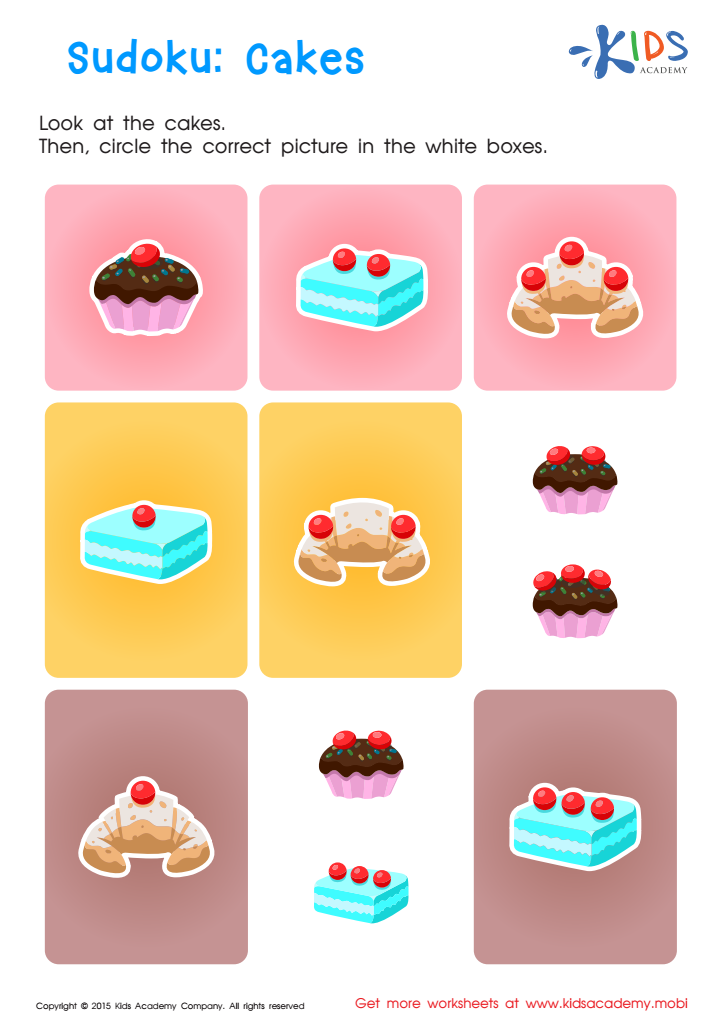
Sudoku Worksheet
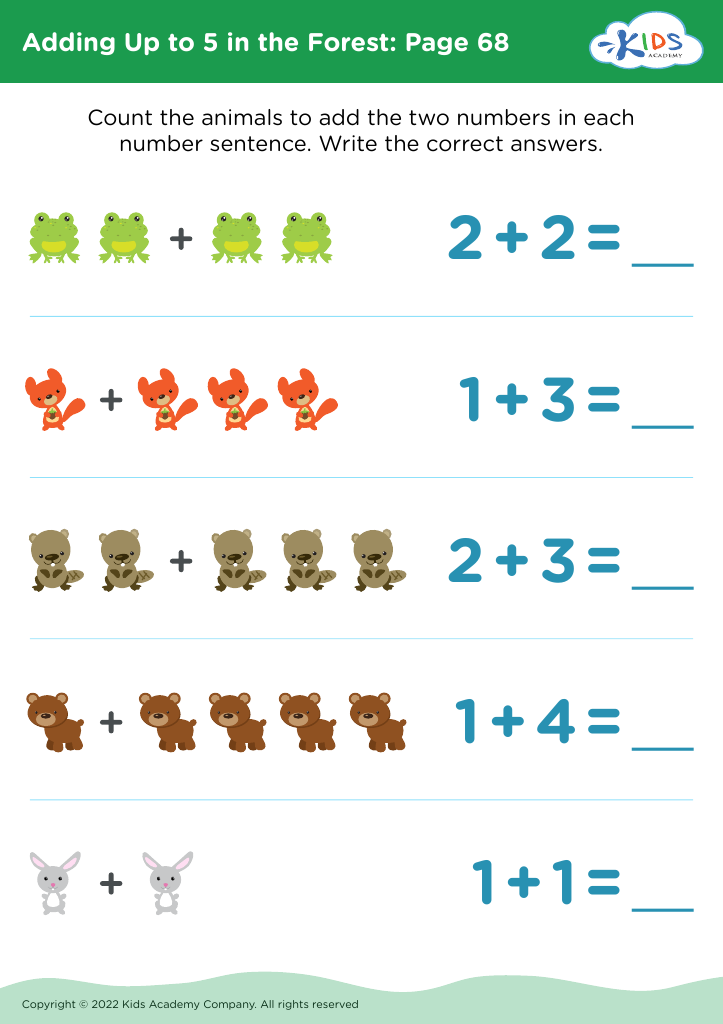
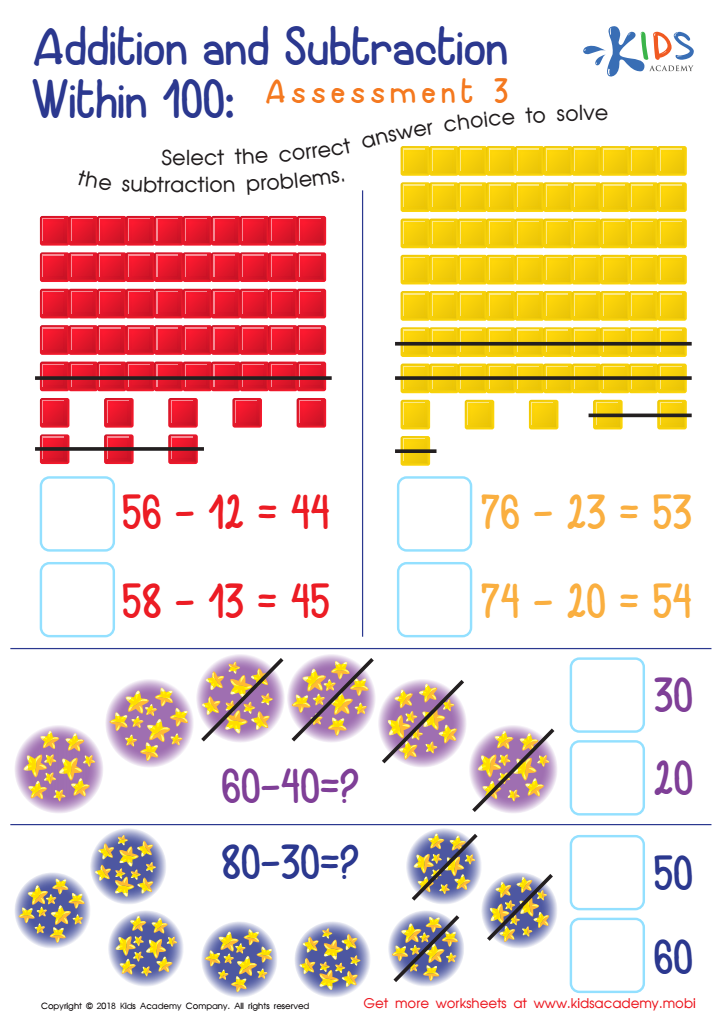
Addition and Subtraction Within 1: Assessment 3 Worksheet
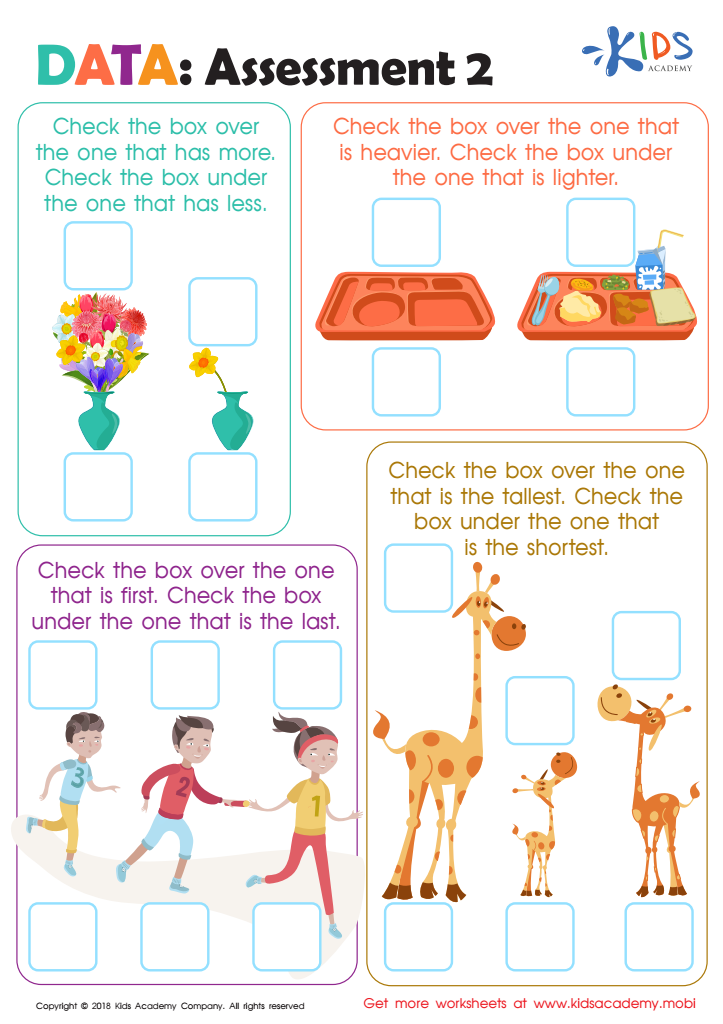
Data: Assessment 2 Worksheet
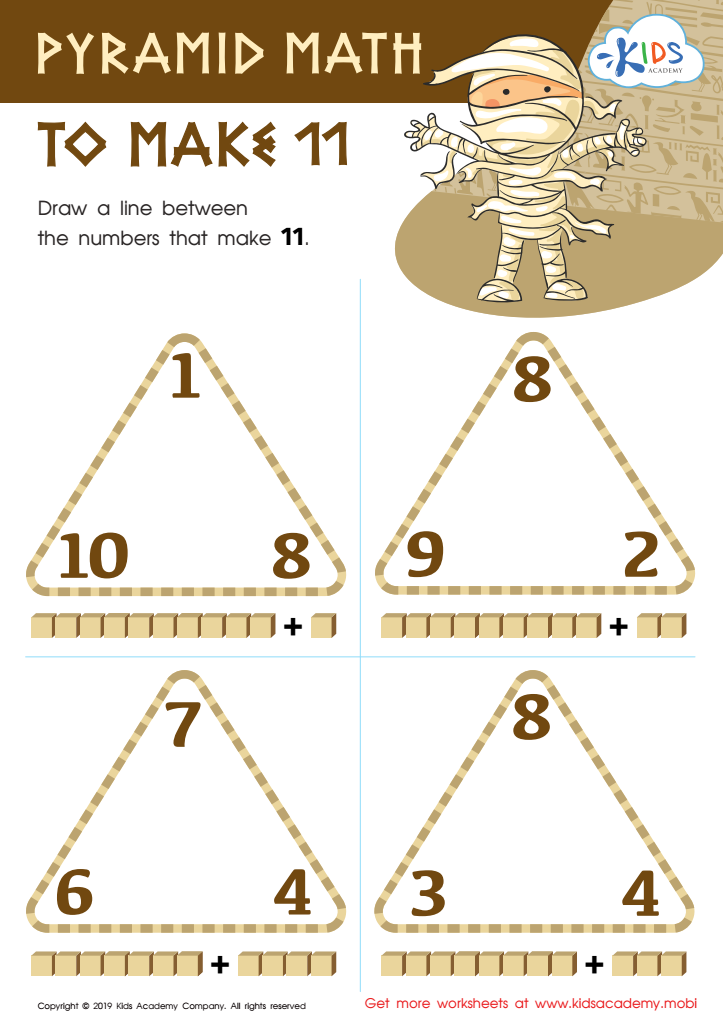
Pyramid Math to Make 11 Worksheet
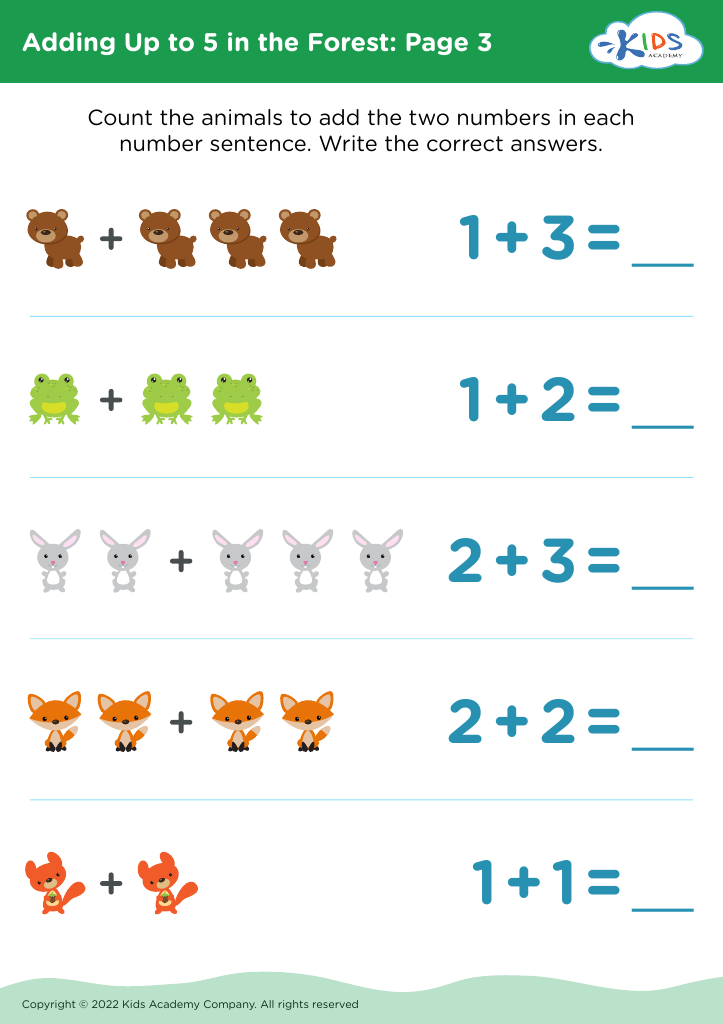





Problem-solving abilities are crucial for children aged 4-6 as they form the foundation for later academic success and life skills. During these formative years, children are naturally curious and eager to explore their world. Enhancing their problem-solving skills fosters critical thinking and encourages them to approach challenges autonomously. Engaging in playful problem-solving activities, such as puzzles and interactive games, not only makes learning enjoyable but also strengthens cognitive abilities.
Moreover, developing these skills early helps children adapt to new situations, overcome obstacles, and build resilience. When parents and teachers promote problem-solving experiences, they empower children to think creatively, ask questions, and seek multiple solutions to a problem. This capability is essential in today's ever-changing world, where innovative thinking is a valuable asset.
Additionally, effective problem-solving skills contribute to improved social interactions, as children learn to negotiate, collaborate, and empathize with their peers. As educators and parents intentionally focus on nurturing these abilities, they lay the groundwork for lifelong learning and equip children with the tools necessary to navigate an increasingly complex environment. Supporting problem-solving in young children ultimately fosters independence, self-confidence, and a proactive mindset, setting the stage for academic and personal success.








