
Hand-eye Coordination Mazes Worksheets for Ages 4-6
3 filtered results
Difficulty Level
Grade
Age
-
From - To
Subject
Activity
Standards
Enhance your child's hand-eye coordination with our engaging mazes worksheets designed for ages 4-6! These fun and stimulating activities provide young learners with the opportunity to develop essential fine motor skills while navigating colorful, creative mazes. Each worksheet encourages focus, concentration, and problem-solving as your child guides a pencil through winding paths. Our easy-to-print materials are perfect for home and classroom use, making learning an enjoyable experience. By practicing with our mazes, children will gain confidence in their dexterity and improve their overall coordination in an enjoyable and stress-free way. Start your child's journey to better coordination today!
Favorites
With answer key
Interactive
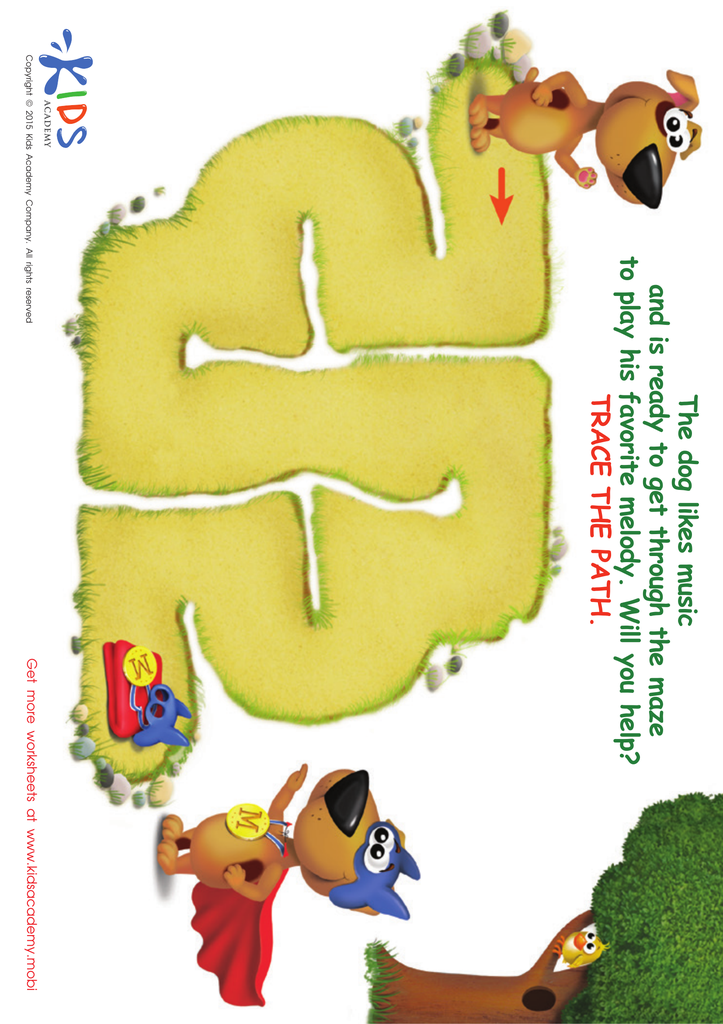
Superman Maze Worksheet
Kids can help a dog get to the superhero uniform by tracing the path through the maze. It's fun and helps develop handwriting skills. Get more free printable mazes at Kids Academy!
Superman Maze Worksheet
Worksheet
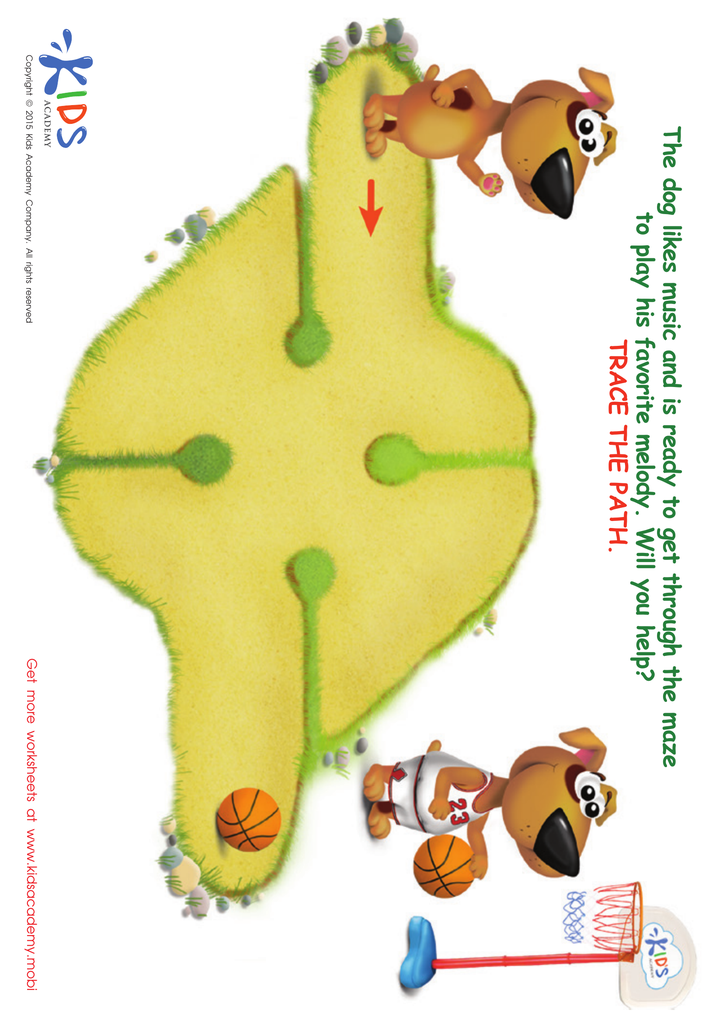
Basketball Player Maze Worksheet
Test your skills with our new printable maze worksheets, and help the little dog get his basketball! Trace the path carefully to get the ball and play together.
Basketball Player Maze Worksheet
Worksheet
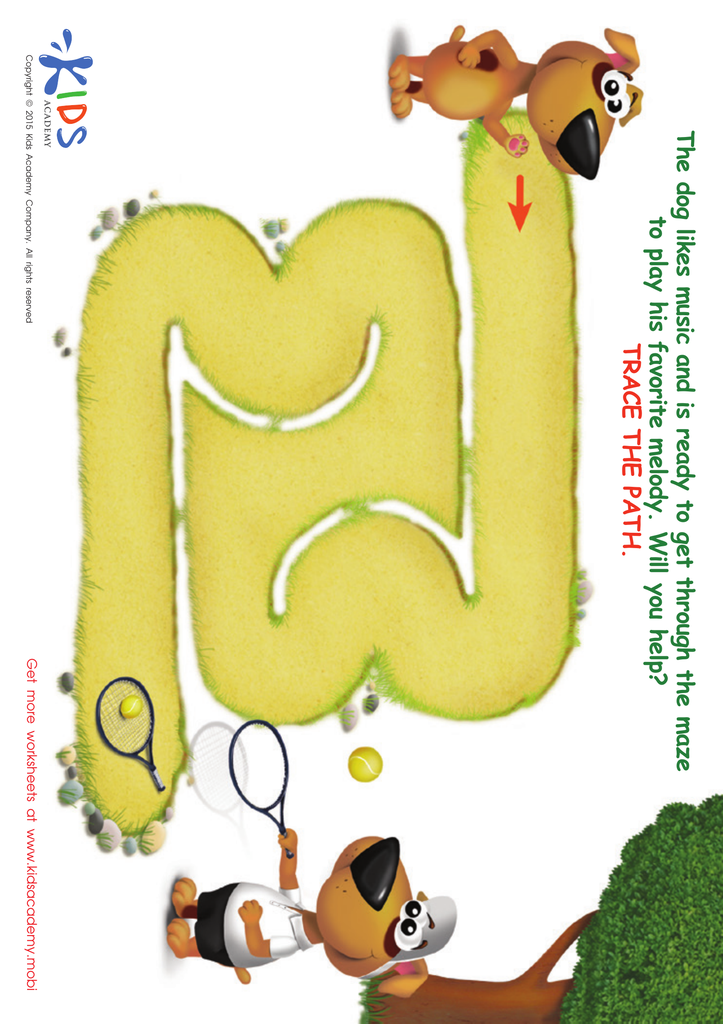
Tennis Player Maze Worksheet
Get them now and play together with your kids! Trace paths and help the dog find the racquets and balls. Fun and learning await.
Tennis Player Maze Worksheet
Worksheet
Join Kids Academy for Free
Who is primarily going to use this learning content?


Hand-eye coordination mazes are essential tools for children aged 4 to 6, benefiting their development in multiple ways. First, these activities promote fine motor skills, enhancing a child’s ability to grasp, manipulate, and control objects—critical skills for tasks like writing, drawing, and self-care. As children navigate through mazes, they improve their dexterity and strengthen the small muscles in their hands.
Second, mazes foster cognitive skills, including problem-solving and critical thinking. As children figure out the best path to complete the maze, they learn to analyze their choices and develop strategies, boosting their ability to tackle more complex challenges as they grow.
Moreover, these activities encourage concentration and patience. Following a designated path requires focus, allowing children to practice maintaining attention over time. This capacity for sustained attention is vital for their future academic endeavors.
Finally, mazes can also be fun and engaging, transforming learning into an enjoyable experience. This enjoyment not only motivates children but also helps cultivate a positive attitude towards education. By incorporating hand-eye coordination mazes into learning environments, parents and teachers can support holistic child development, laying a strong foundation for lifelong learning.








