Understanding number value Addition & Subtraction Worksheets for Ages 4-6
3 filtered results
-
From - To
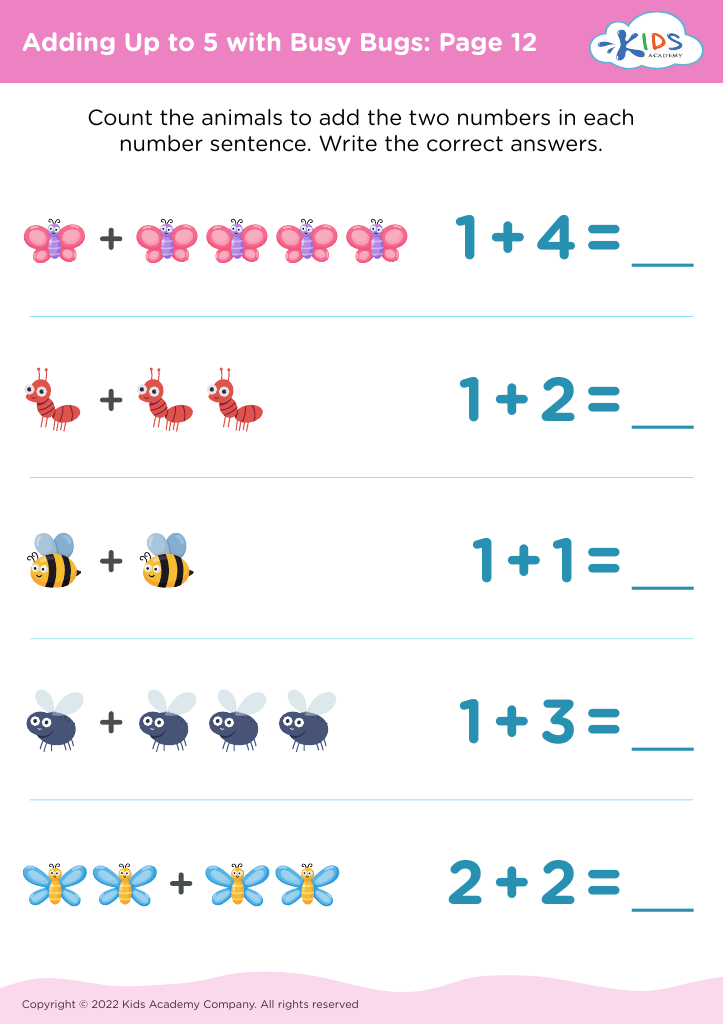
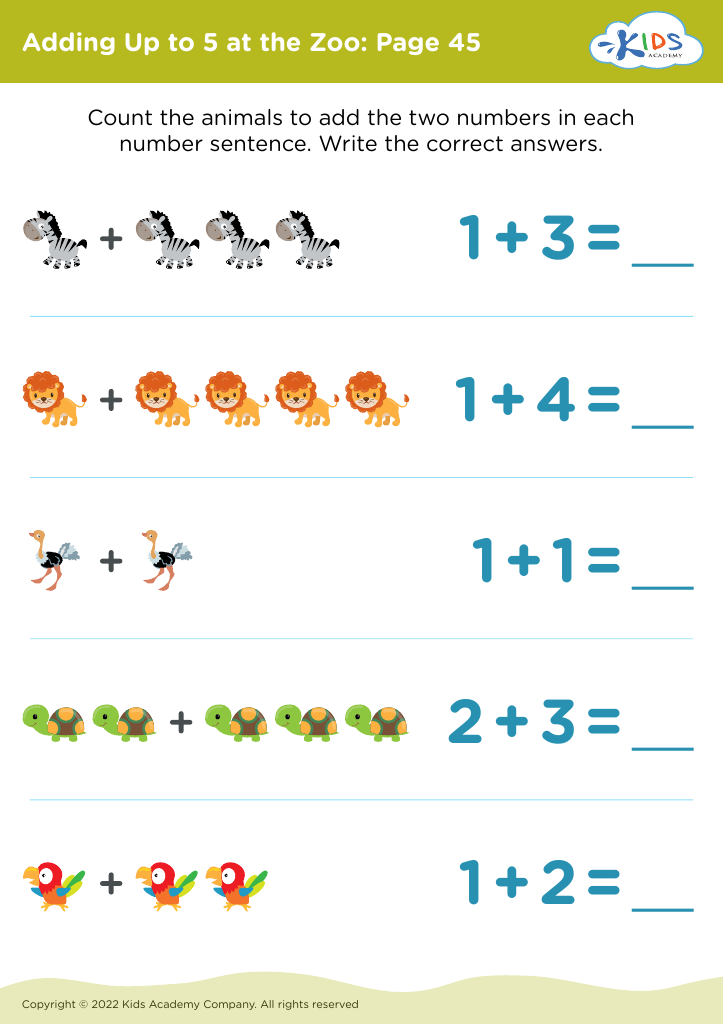
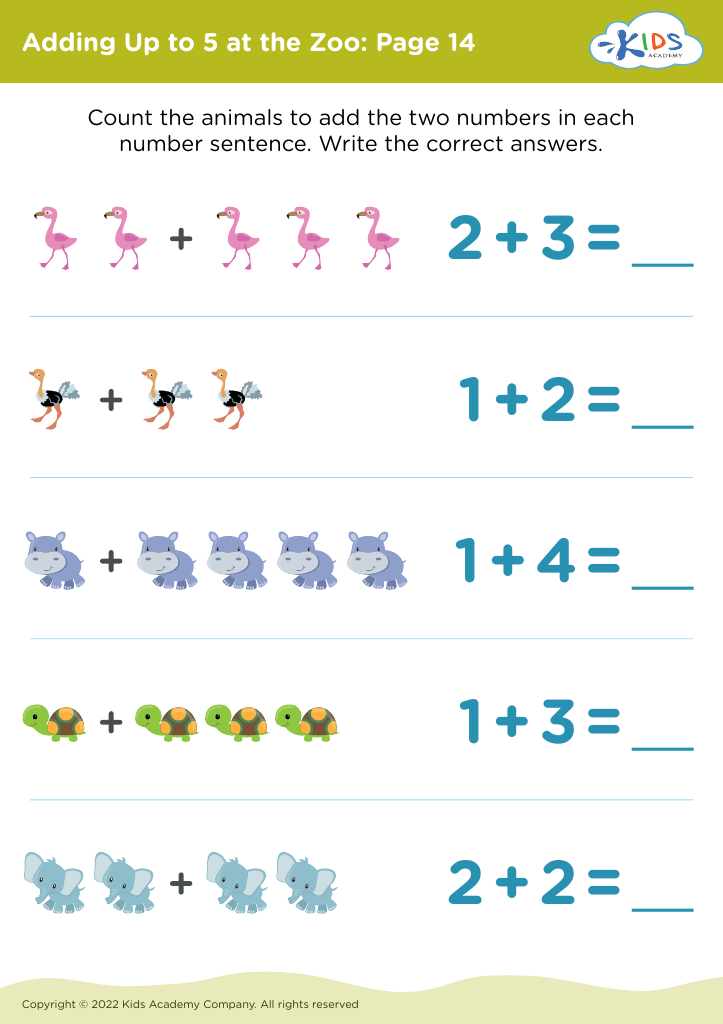
Unlock your child's mathematical potential with our "Understanding Number Value: Addition & Subtraction Worksheets for Ages 4-6." Designed specifically for young learners, these engaging worksheets promote foundational skills in addition and subtraction while reinforcing number value comprehension. Each activity encourages hands-on learning, critical thinking, and problem-solving, making math fun and accessible. Your little ones will explore number relationships through colorful visuals and interactive exercises, preparing them for academic success. Perfect for home or classroom use, our resources cultivate confidence and a positive attitude towards math. Start your educational journey today and watch your child excel in their numerical understanding!








Understanding number value, addition, and subtraction is crucial for children aged 4-6, as these concepts form the foundation for their future mathematical reasoning and problem-solving skills. At this stage, children are naturally curious and eager to engage with numbers. By focusing on number values, parents and teachers can help them grasp the meaning of quantities, which enhances their ability to conduct simple addition and subtraction.
This foundational knowledge also fosters cognitive development. Recognizing that numbers represent specific amounts helps students make connections to everyday situations, such as sharing snacks or counting toys. Manipulating physical objects, such as blocks or counters, reinforces these concepts through hands-on experiences.
Moreover, early proficiency in these skills correlates with later academic success in mathematics and other subjects. It builds confidence and promotes a positive attitude toward learning. Engaging in number games, interactive activities, and storytelling encompassing math can make learning fun and relatable.
Ultimately, nurturing an early understanding of number values, addition, and subtraction prepares children for more complex mathematical concepts, enabling them to thrive academically and instilling a lifelong appreciation for numeracy. Investing time in this learning phase can yield significant dividends in their educational journey.








