Fine Motor Skills Addition Worksheets for Ages 4-6 - Page 2
35 filtered results
-
From - To
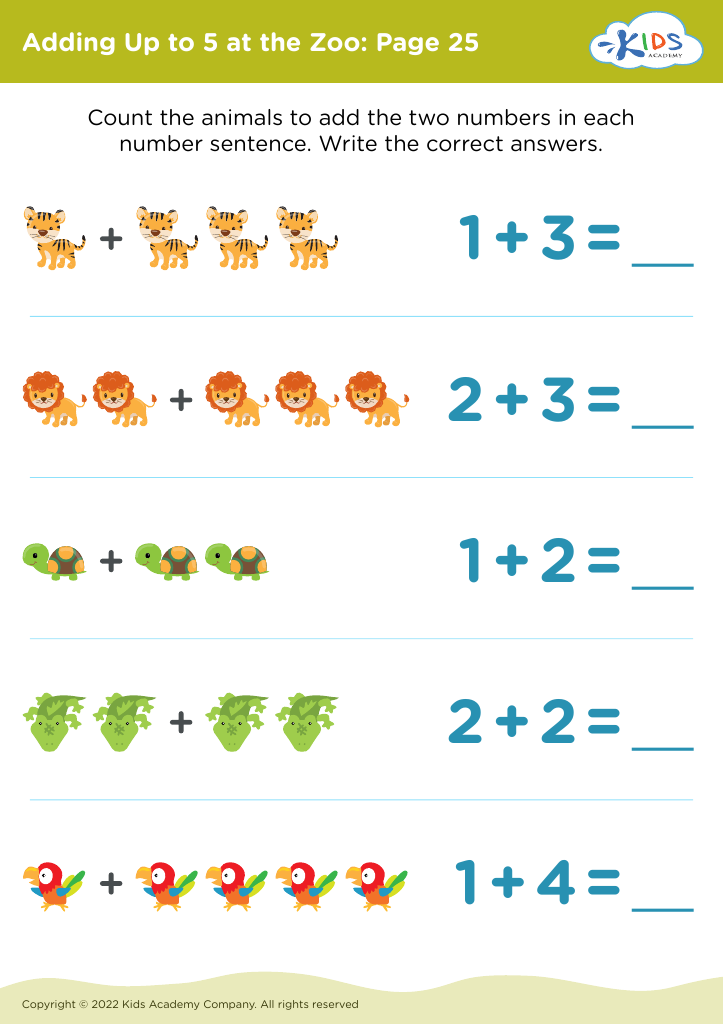
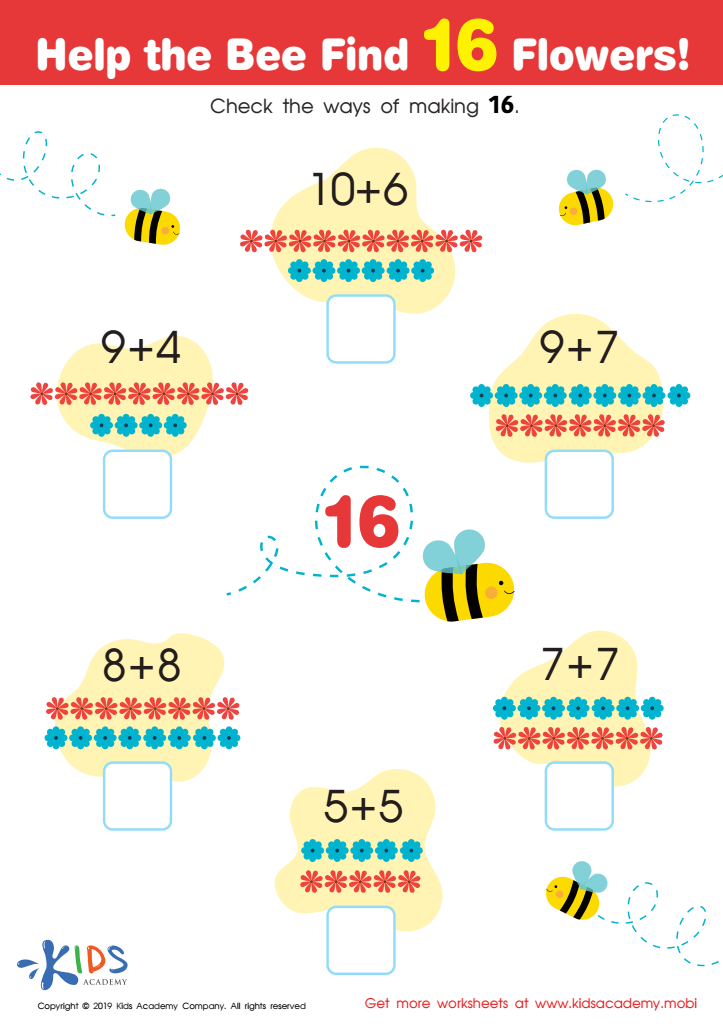
Help the Bee Find 16 Flowers Worksheet
 Assign to My Students
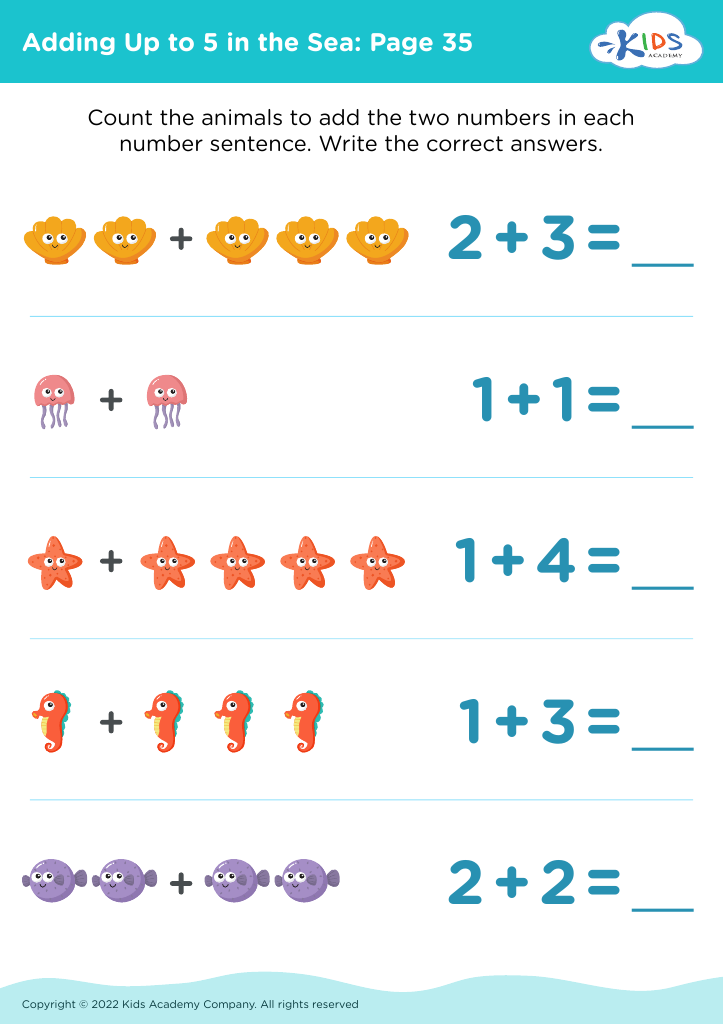
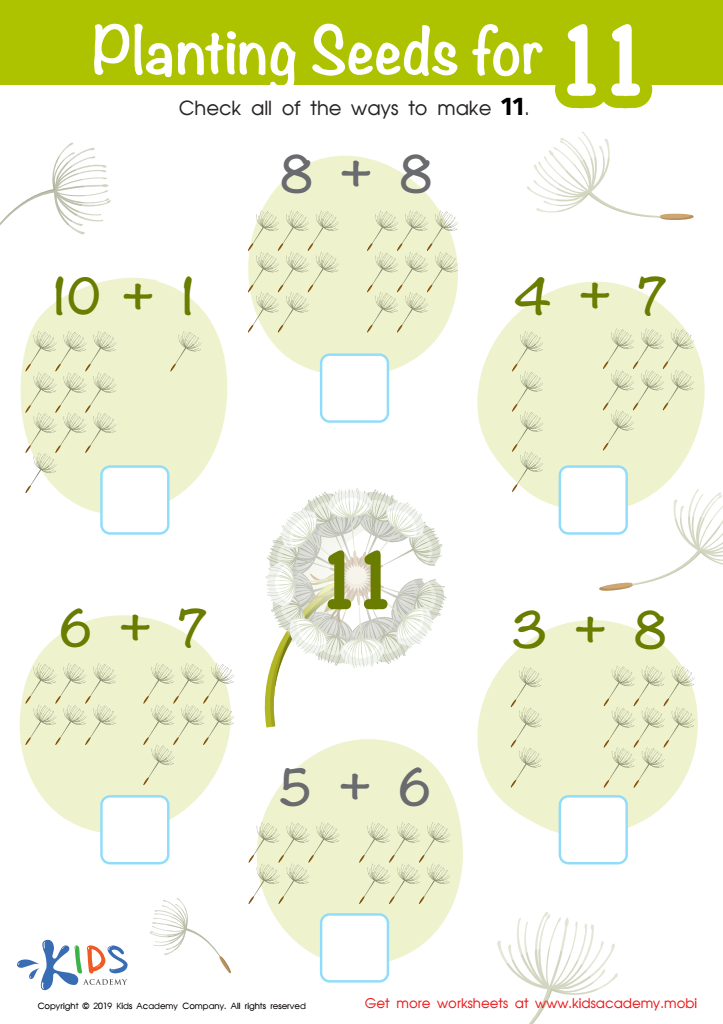
Planting Seeds for 11 Worksheet
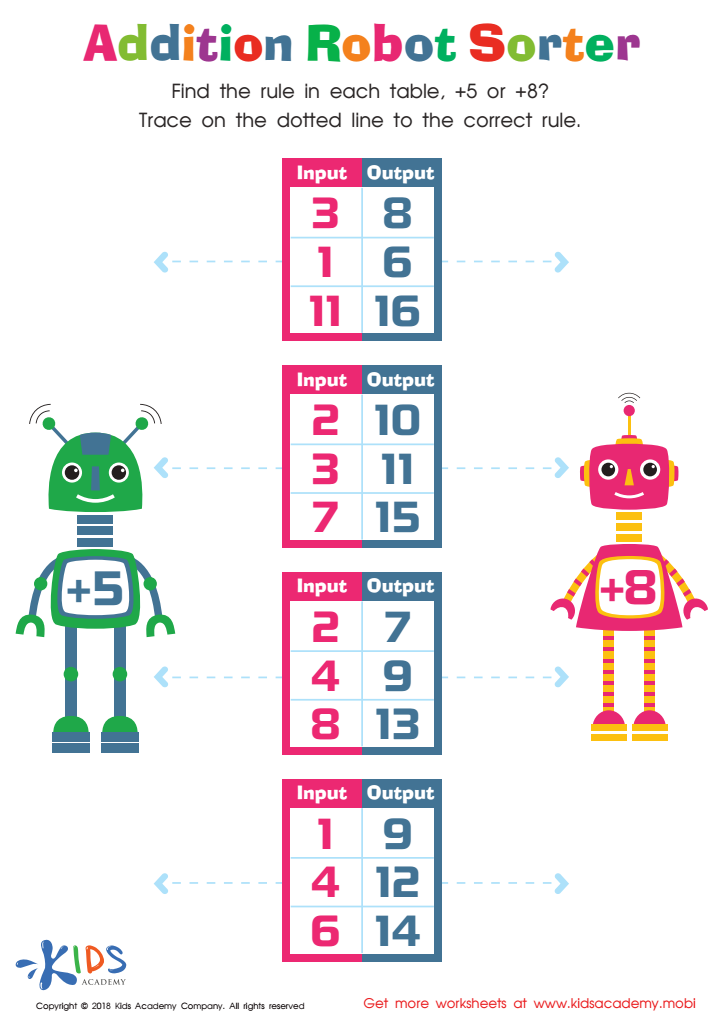
Addition Robot Sorter Worksheet
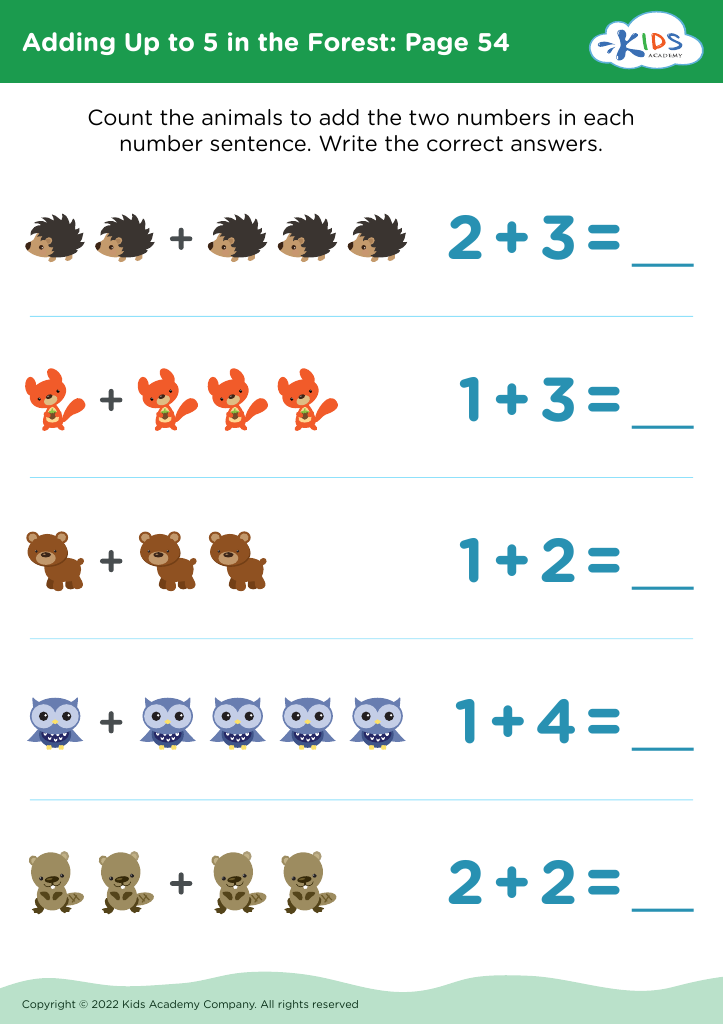
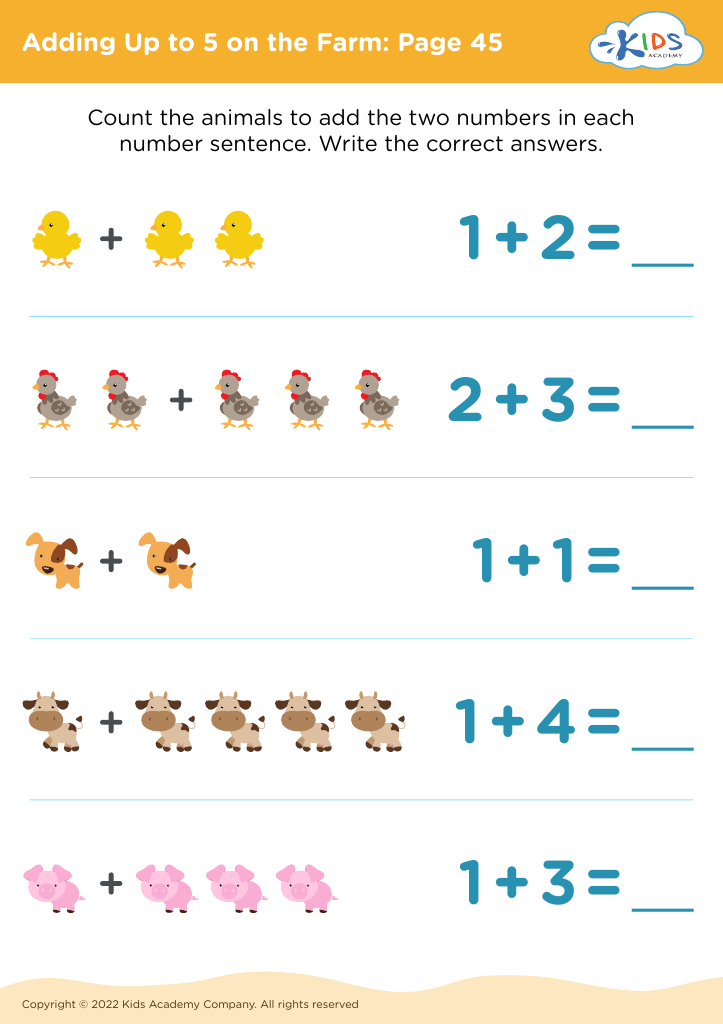

Adding in the Arctic Worksheet
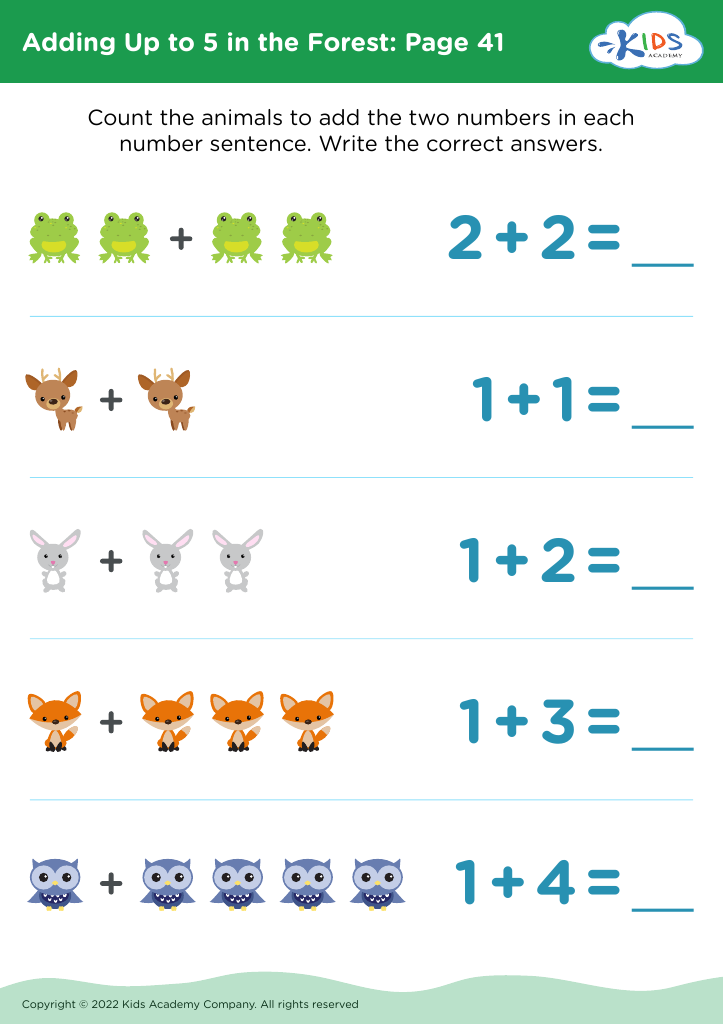
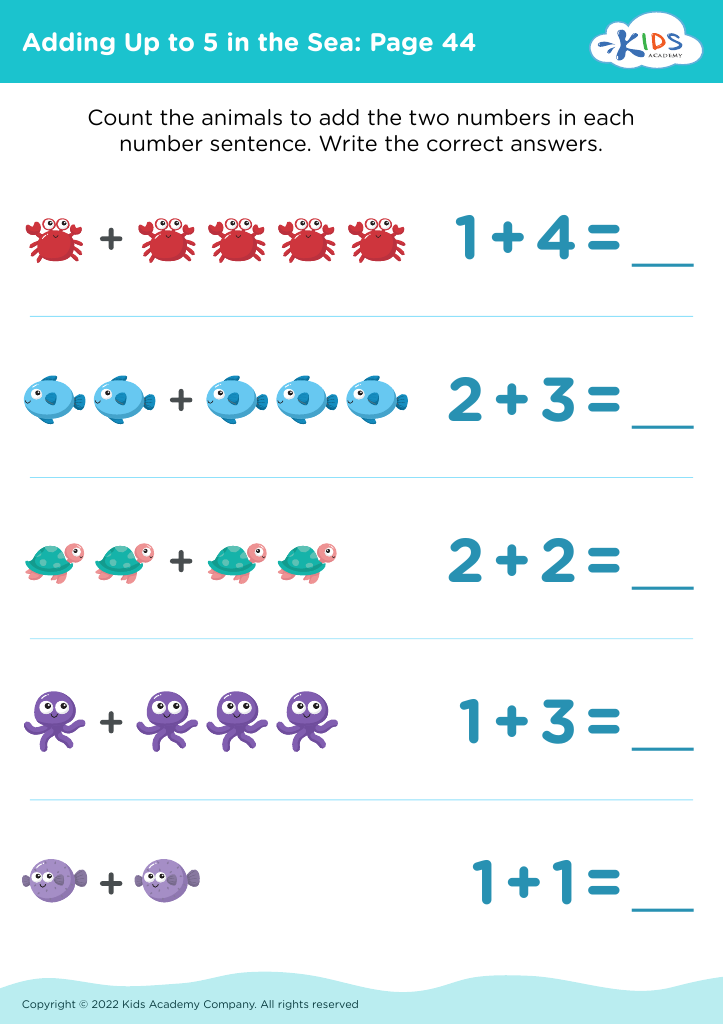








Fine motor skills are crucial for children aged 4-6, as they lay the foundational groundwork for both academic success and daily life activities. These skills involve the coordination of small muscles in the hands and fingers, which are essential for tasks such as writing, cutting, and buttoning clothes. When teachers and parents focus on fine motor skill development, they help children become more independent and confident in their abilities.
Enhancing fine motor skills can improve hand-eye coordination, dexterity, and overall muscle control, which contributes to better performance in school-related activities like drawing, coloring, and using a computer mouse. These skills are stepping stones to more complex tasks like forming letters and numbers properly, which are integral to early literacy and numeracy development. Moreover, children develop perseverance, attention to detail, and the ability to follow instructions — all of which are invaluable traits for their educational journey and beyond.
Early intervention helps identify difficulties a child may be experiencing, allowing for timely support and tailored activities. In summary, nurturing fine motor skills during these formative years sets the stage for academic success and personal independence, making it essential for parents and teachers to prioritize this aspect of development.








