Reading comprehension Addition Worksheets for Ages 4-6
7 filtered results
-
From - To
Discover our engaging Reading Comprehension Addition Worksheets for ages 4-6 that seamlessly blend early math skills with essential reading practice. Designed specifically for young learners, these worksheets offer a fun and interactive way to build foundational addition skills while enhancing reading comprehension. Kids solve simple addition problems and read short passages, fostering a love for numbers and literacy simultaneously. Ideal for both classroom and home use, these educational resources encourage active participation, critical thinking, and confidence in young learners. Explore our collection today to support your child's early reading and math proficiency on Kids Academy!
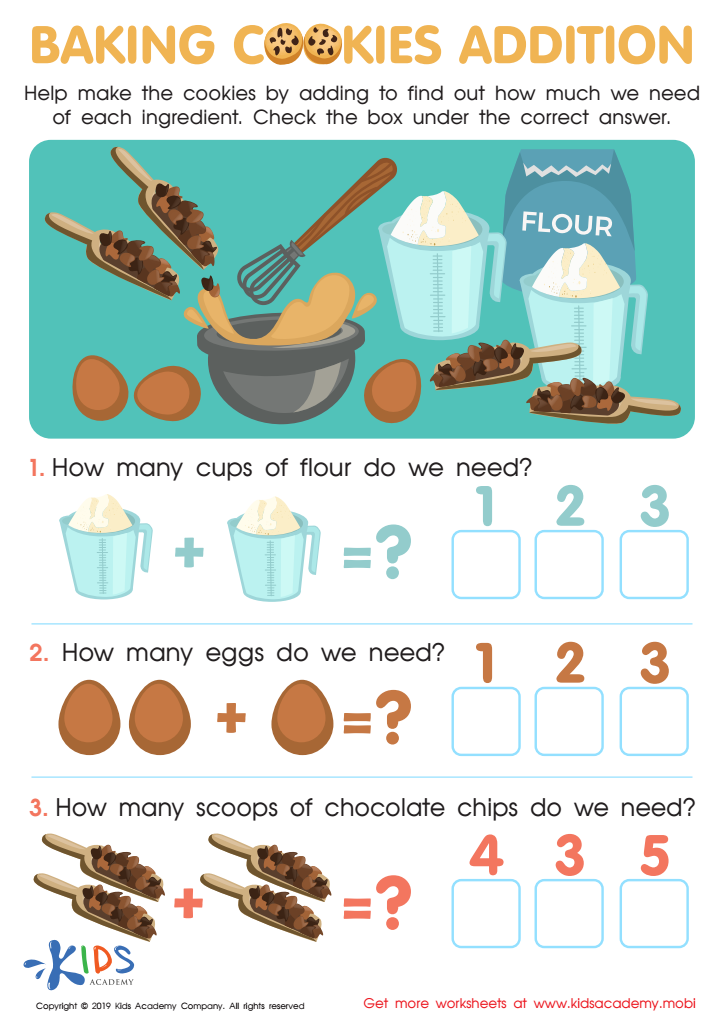
Baking Cookies Addition Worksheet
 Assign to My Students
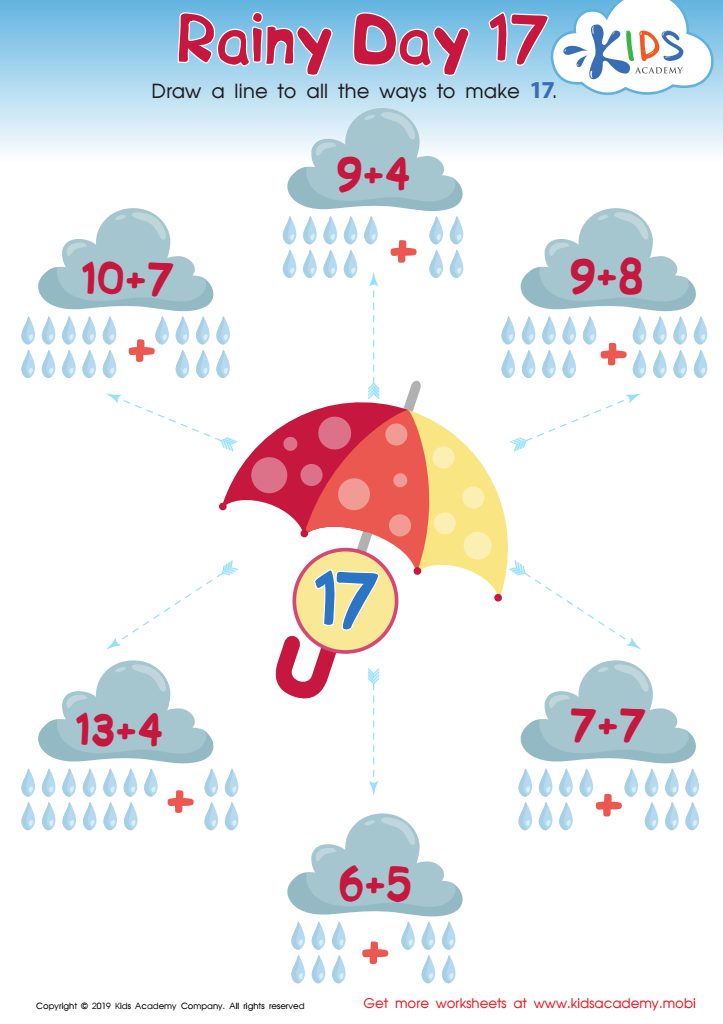
Rainy Day 17 Worksheet
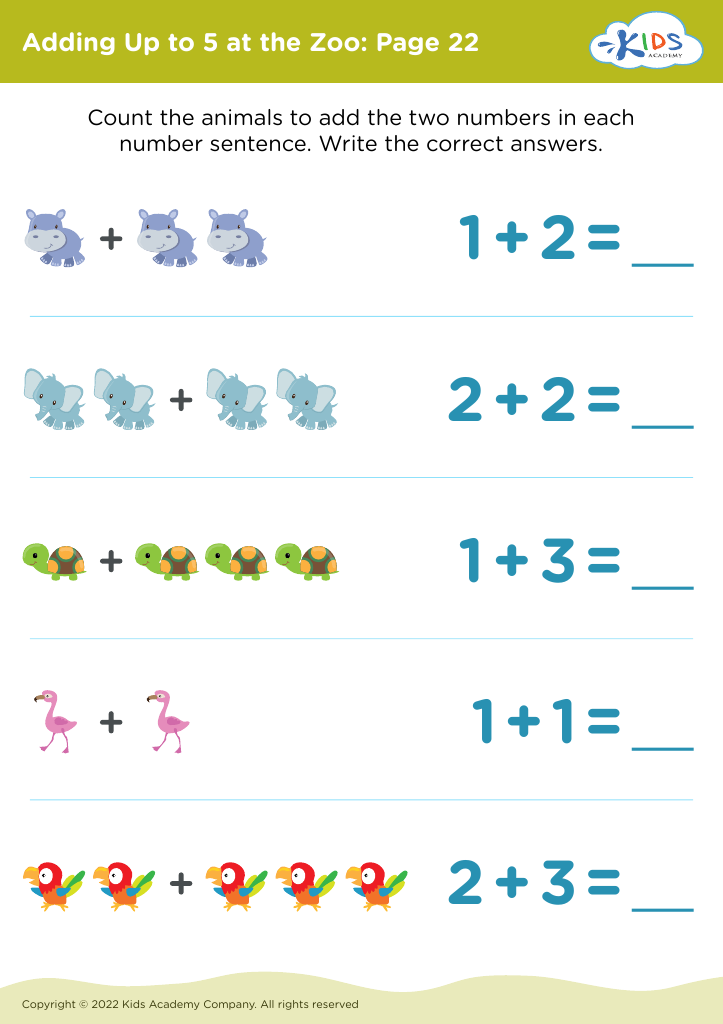
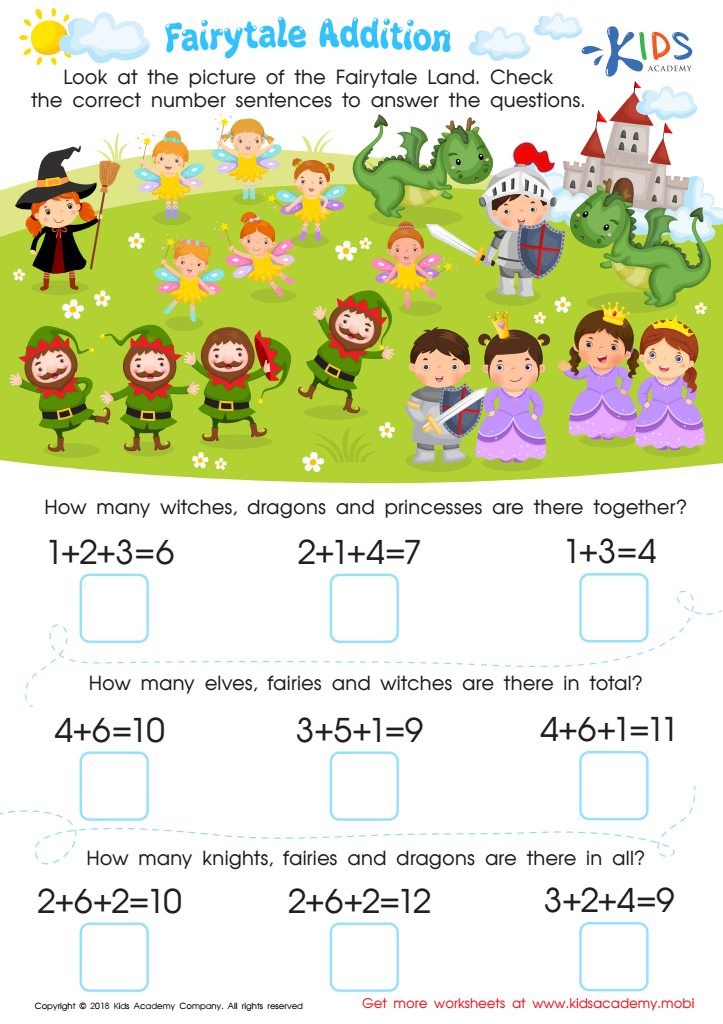
Fairytale Addition Worksheet
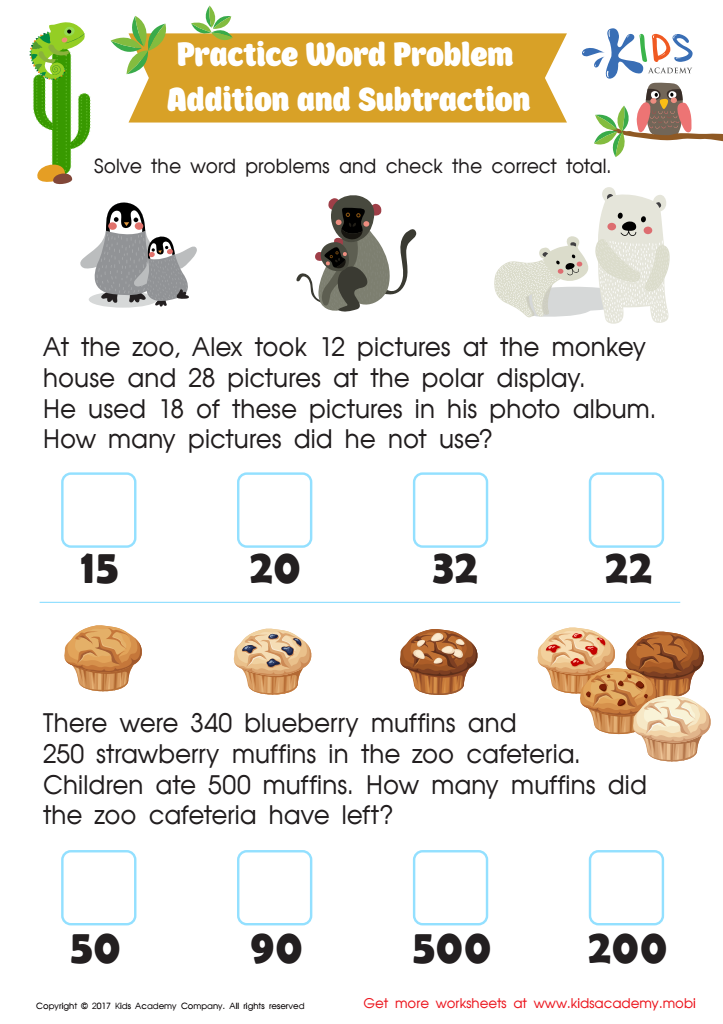
Addition and Subtraction: Word Problems Worksheet
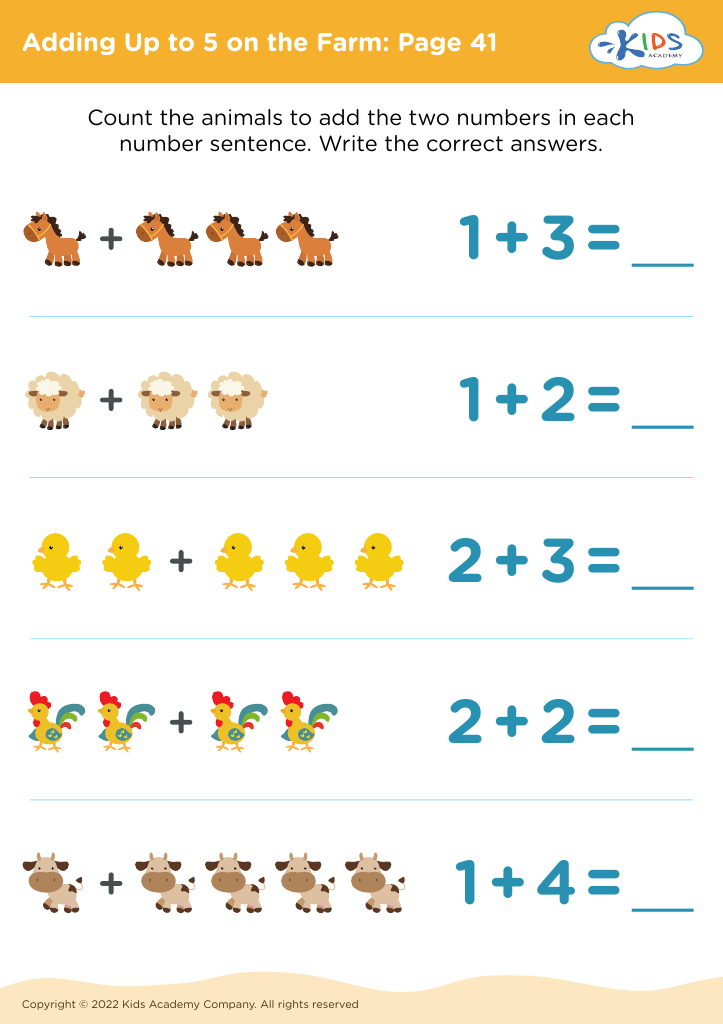
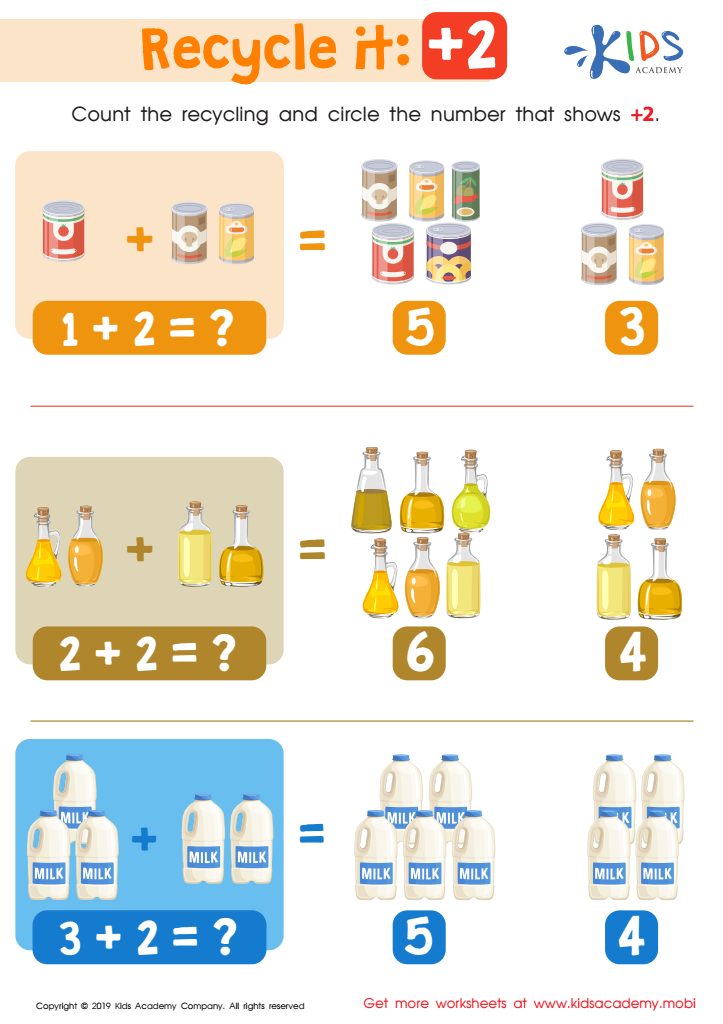
Recycle It: +2 Worksheet








Reading comprehension is fundamental to a child's overall educational success and cognitive development, especially between the ages of 4-6. At this stage, children are rapidly developing language skills, and nurturing their ability to understand and make meaning from text is crucial. When parents and teachers prioritize reading comprehension activities, they help children build a strong foundation for future learning.
For children aged 4-6, developing reading comprehension skills boosts vocabulary, enhances language development, and promotes critical thinking. These skills are essential not just for reading, but for all subjects, including math and science. Understanding stories and instructions improves their ability to follow directions and solve problems.
Engaging young children with stories and asking questions about the content encourages active thinking, improves their ability to make predictions, and connects new knowledge with existing experiences. It also fosters a love for reading early on, which can lead to lifelong learning and curiosity.
Moreover, investing in reading comprehension at an early age can have long-term emotional and social benefits. It increases confidence in their abilities and provides tools to express themselves better. Therefore, parents and teachers have a vital role in supporting and boosting reading comprehension skills during this critical developmental window.








