
Comparative analysis Math Worksheets for Ages 4-6
3 filtered results
Difficulty Level
Grade
Age
-
From - To
Subject
Activity
Standards
Explore our engaging comparative analysis math worksheets designed for children aged 4-6! These worksheets help young learners develop critical thinking skills by comparing quantities, sizes, and values in a fun and interactive way. Perfect for use at home or in the classroom, these printable resources promote early math proficiency and enhance problem-solving abilities. Children will enjoy colorful visuals and age-appropriate exercises that reinforce their understanding of comparisons. With a variety of activities, our worksheets cater to different learning styles while supporting essential math skills. Foster your child's academic growth and confidence in mathematics with our creative and educational comparative analysis resources!
Favorites
With answer key
Interactive
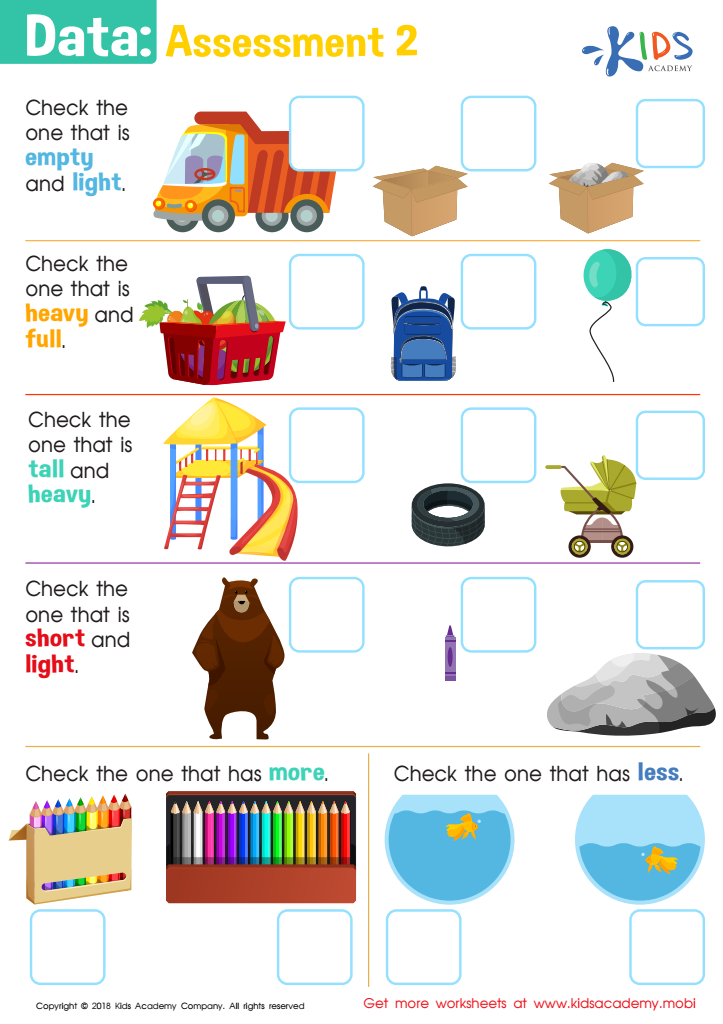
Data: Assessment 2 Worksheet
This PDF helps you assess your students' understanding of concepts like empty/light, full/heavy, tall/short, and more/less. With this worksheet, students use pictures to answer questions and check off the appropriate box. It's a fast, easy way to determine what concepts they have learned and which need more work.
 Assign to My Students
Data: Assessment 2 Worksheet
Worksheet
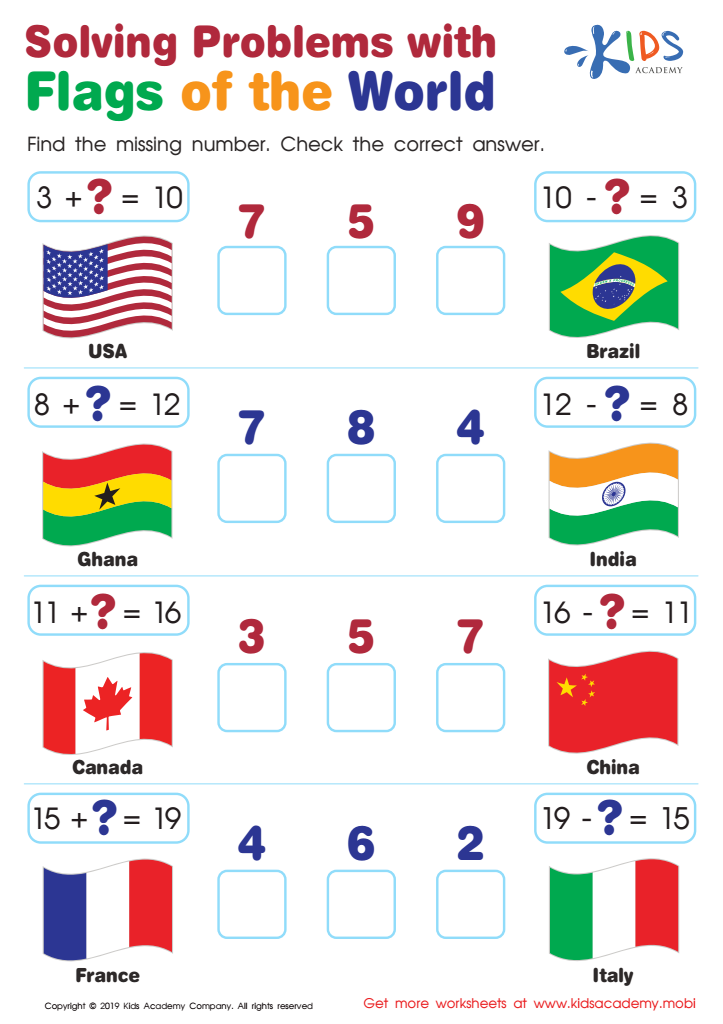
Solving Problems with Flags of the World Worksheet
Name some countries you know with your kids, then introduce their flags with this worksheet. Help them find the missing number in each addition problem, and then check the answer. It's a fun way to learn about different countries near and far.
Solving Problems with Flags of the World Worksheet
Worksheet
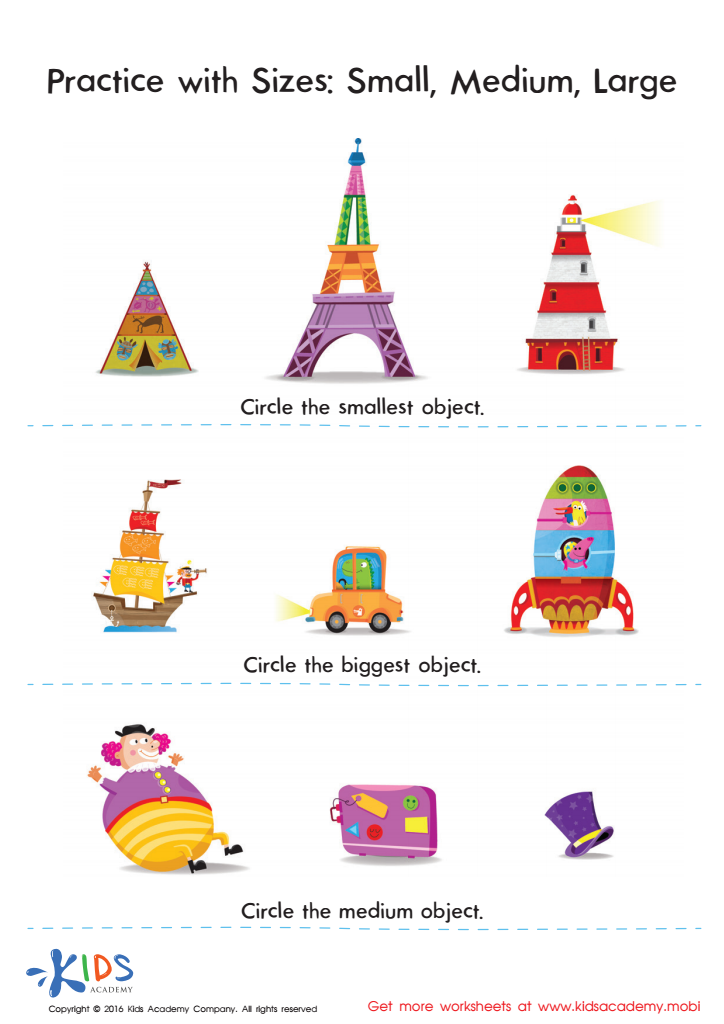
Join Kids Academy for Free
Who is primarily going to use this learning content?




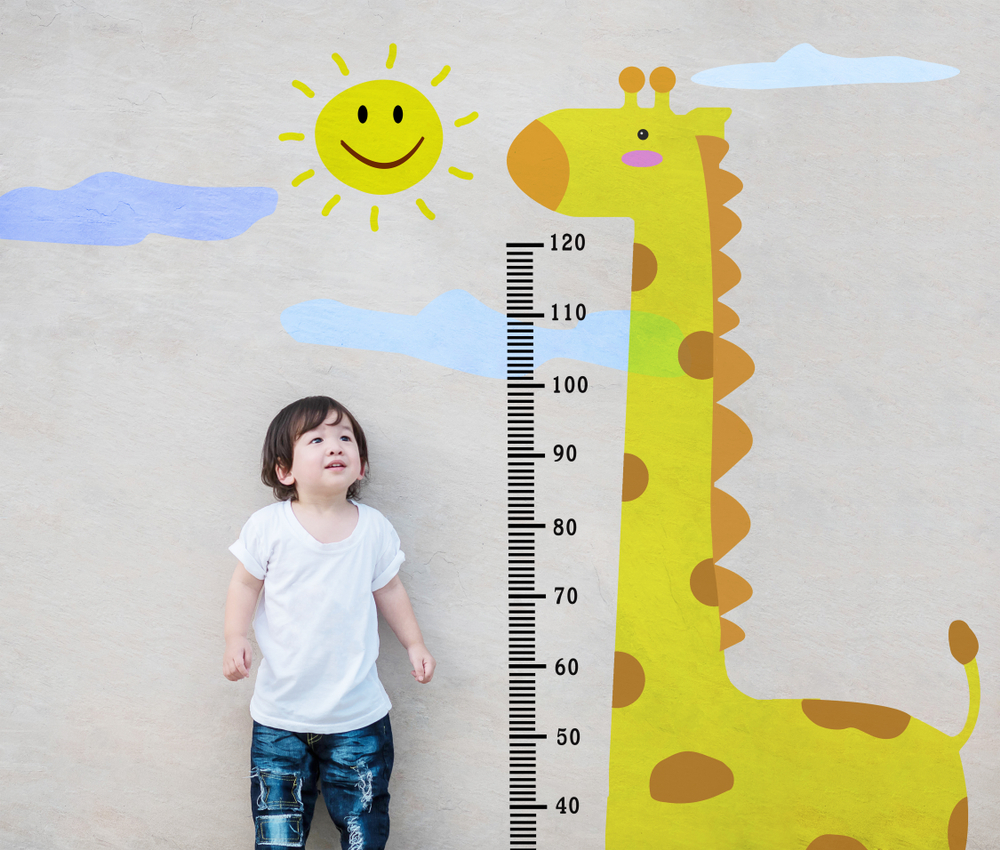



Comparative analysis in mathematics for children aged 4-6 is crucial for their cognitive development and foundational learning. At this formative age, children are naturally curious and eager to explore the world around them. Teaching them to compare quantities, sizes, and numerical values fosters critical thinking and enhances problem-solving skills.
Parents and teachers should care about comparative analysis because it lays the groundwork for later mathematical concepts. When children can understand and articulate differences and similarities—such as more or less, bigger or smaller—they develop essential skills that lead to comprehension of addition, subtraction, and eventually more complex operations. Engaging in comparative activities empowers children to construct their knowledge through hands-on experiences.
Moreover, learning to compare helps improve language skills as children learn to describe and articulate their observations. It builds a strong foundation for mathematical vocabulary and promotes effective communication skills, enhancing overall literacy.
Additionally, comparative analysis encourages social interaction when children collaborate on activities, paving the way for teamwork and cooperative learning. By valuing this aspect of math education, parents and teachers invest not only in mathematical prowess but also in holistic child development, setting the stage for lifelong learning and success in numerous domains.








