Identifying shapes Math Worksheets for Ages 4-6
5 filtered results
-
From - To
Discover our fun and engaging Identifying Shapes Math Worksheets designed for children ages 4-6! These worksheets are perfect for young learners eager to explore the world of shapes. Each activity encourages critical thinking and reinforces essential math skills through vibrant illustrations and hands-on exercises. Kids will not only practice recognizing common shapes like circles, squares, and triangles but also develop fine motor skills by coloring, tracing, and matching. Perfect for both classroom activities and at-home learning, our worksheets make shape recognition enjoyable and interactive. Support your child's early math journey with our carefully crafted resources that spark creativity and curiosity!
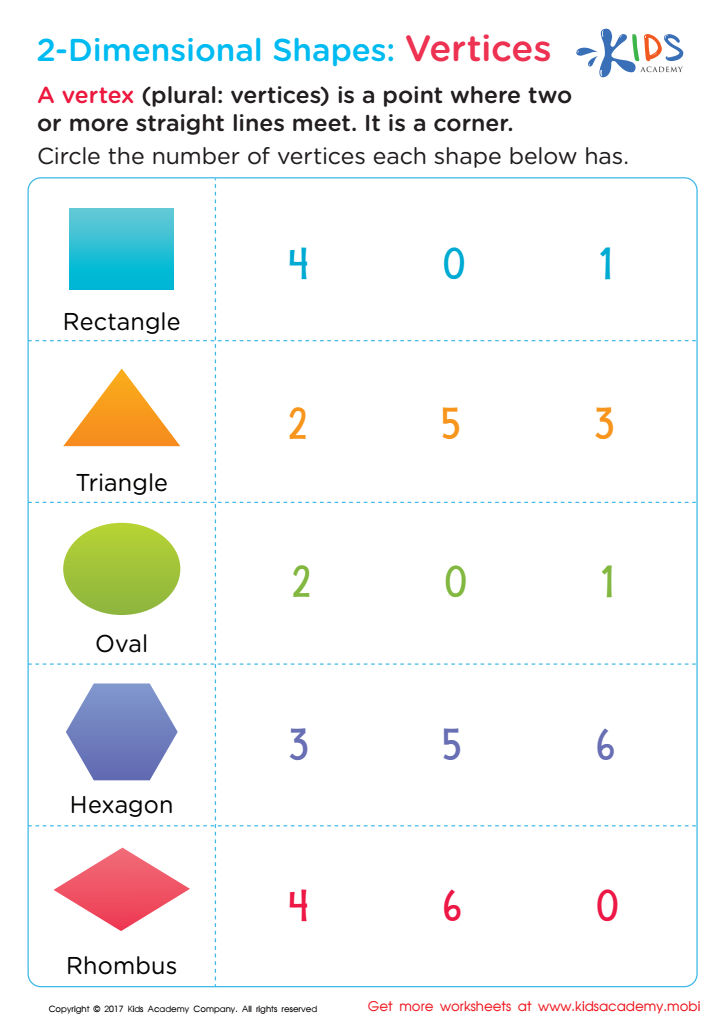
Two–Dimensional Shapes: Vertices Printable
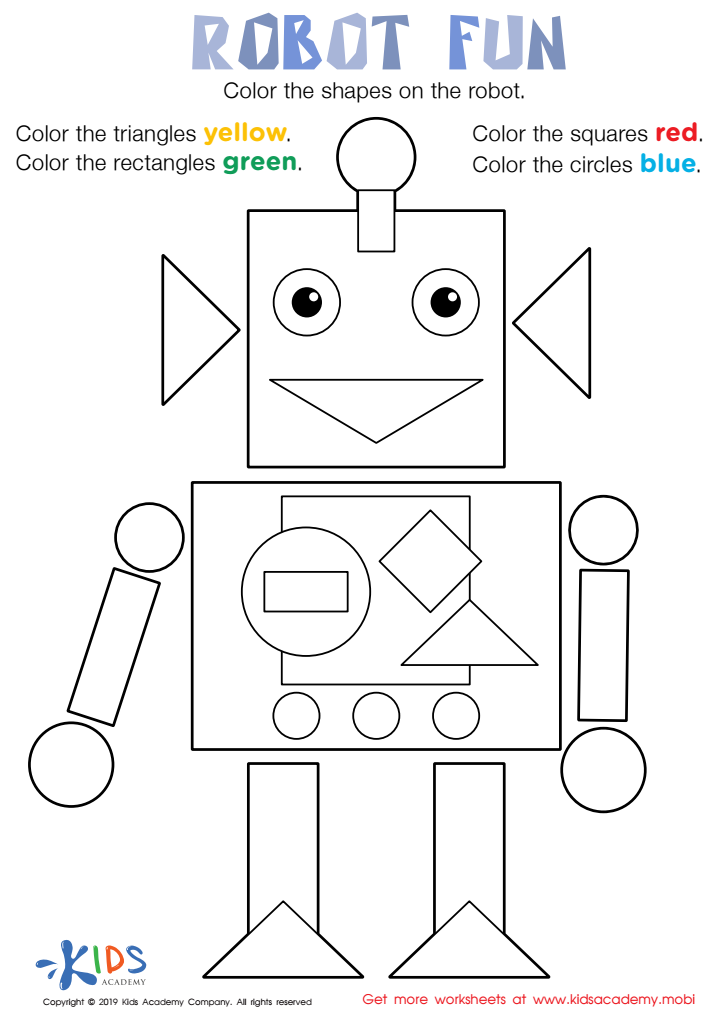
Robot Fun Worksheet
 Assign to My Students
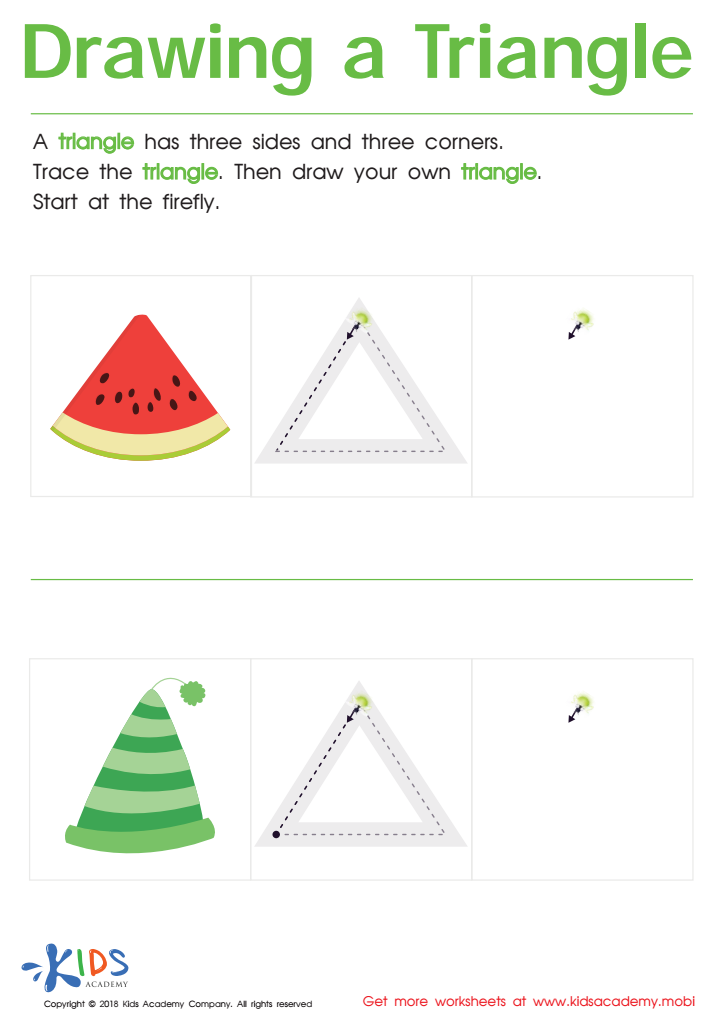
Drawing a Triangle Worksheet
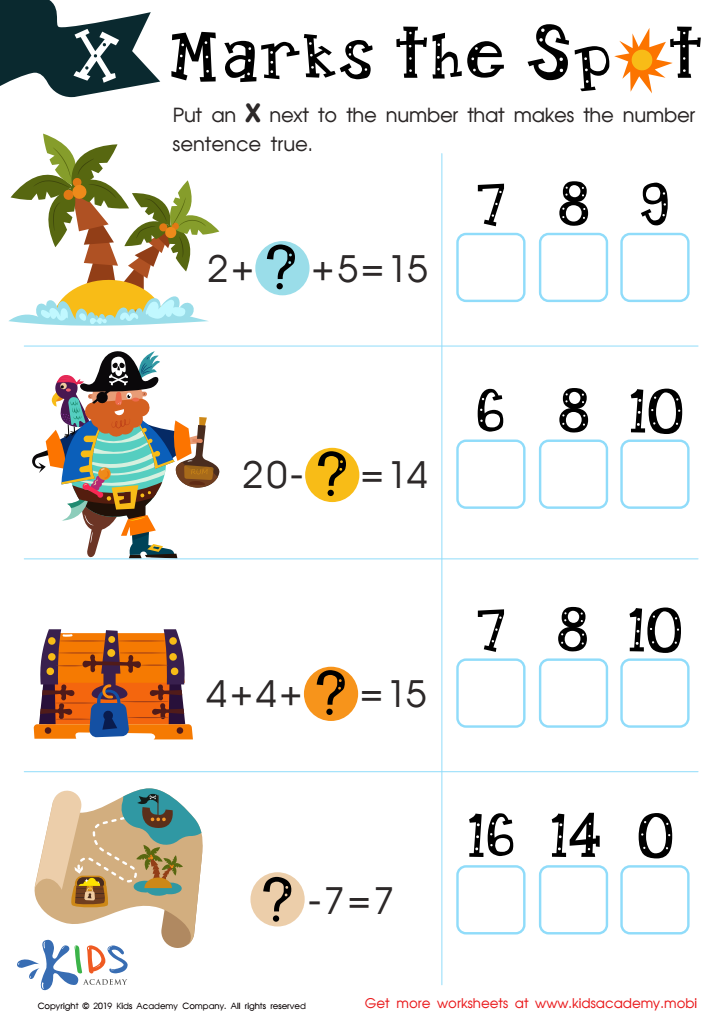
X Marks the Spot Worksheet
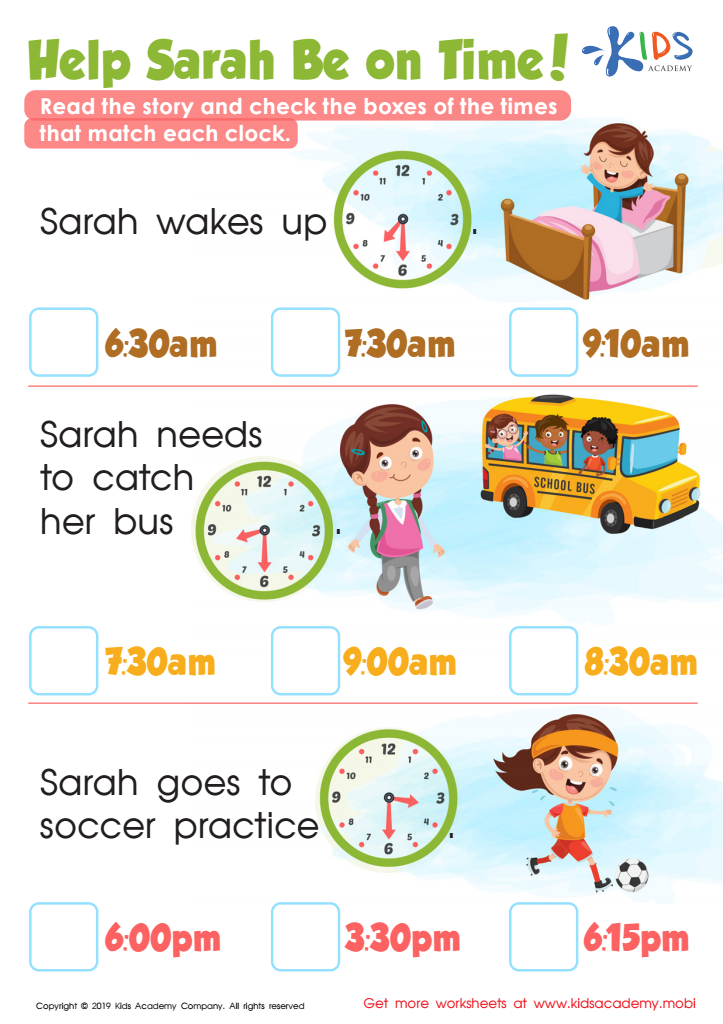
Help Sarah Be on Time! Worksheet




.jpg)
.jpg)


Identifying shapes is a fundamental skill in early math education for children ages 4-6, making it an important focus for parents and teachers. Understanding shapes fosters spatial awareness, which plays a crucial role in everyday activities and problem-solving. When children recognize and categorize shapes, they are engaging in critical thinking and developing skills that extend beyond math.
Early shape identification also lays the groundwork for geometry, measurement, and even algebra. As children learn to differentiate between shapes—like circles, squares, and triangles—they enhance their ability to decode the environment visually, improving their hand-eye coordination and fine motor skills through playful activities like drawing and constructing with blocks.
Furthermore, shape recognition is an engaging way to encourage language development. Children learn to articulate their observations and describe differences and similarities, enriching their vocabulary. Socially, shape identification can be integrated into group activities, promoting collaboration and communication with peers.
Ultimately, by nurturing shape recognition in young children, parents and teachers provide a cornerstone for mathematical literacy and cognitive development, fostering confidence and a positive attitude towards learning that can last a lifetime.








