Understanding number values Math Worksheets for Ages 4-6
3 filtered results
-
From - To
Explore our "Understanding Number Values Math Worksheets" designed specifically for children aged 4-6! These engaging worksheets help young learners grasp the foundational concept of number values through fun illustrations and interactive activities. Each worksheet encourages children to connect quantities with corresponding numerical representations, ensuring a solid understanding of numbers. Perfect for at-home learning or classroom activities, these resources foster critical early math skills while making learning enjoyable. Parents and teachers will appreciate the clear instructions and diverse exercises that cater to various learning paces. Start building your child's confidence in mathematics today with our playful and educational worksheets!
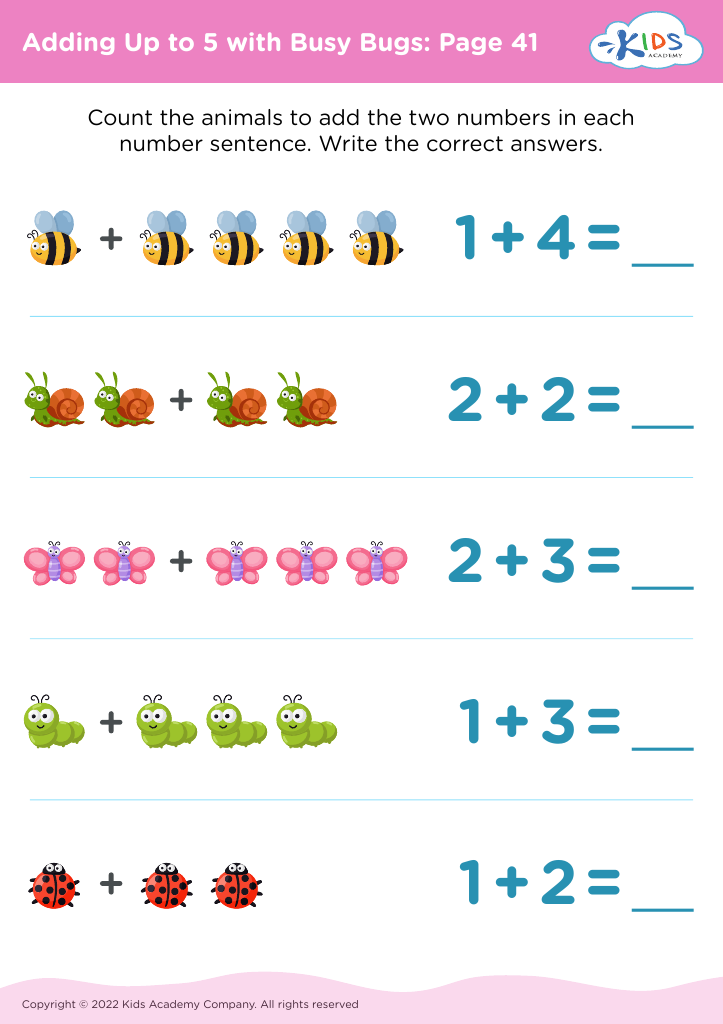
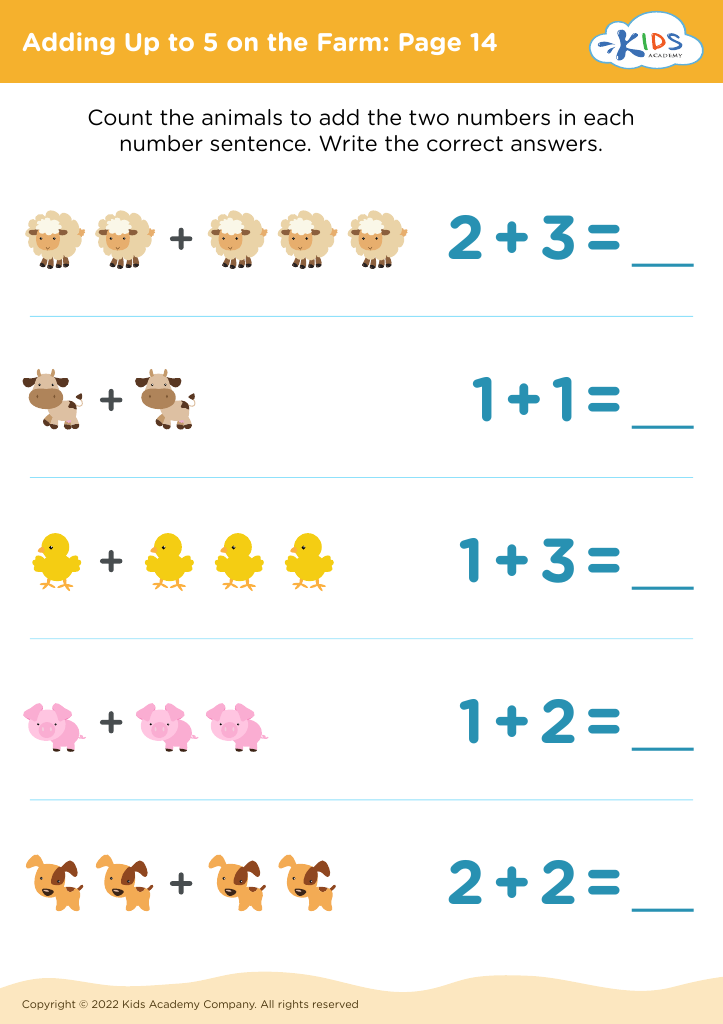
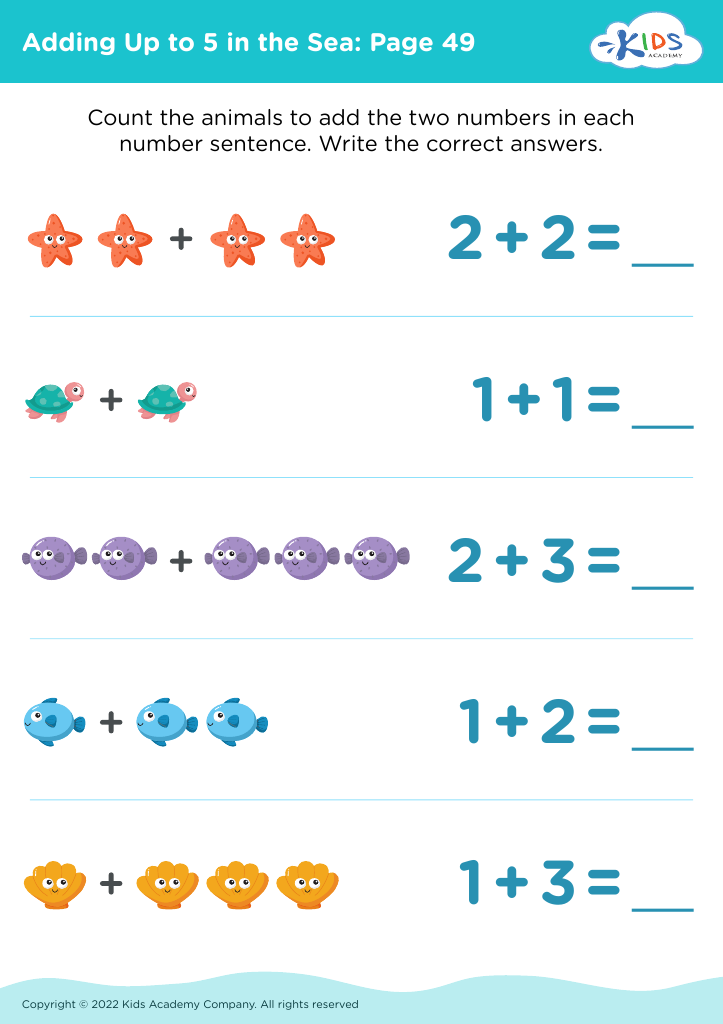








Understanding number values is crucial for children ages 4 to 6, as this foundational skill shapes their future mathematical learning and overall cognitive development. During these early years, children develop their reasoning, logic, and problem-solving skills, and a solid grasp of number values is essential for engaging them in more complex mathematical concepts down the road.
When children understand number values—recognizing how numbers relate to one another, understanding quantities, and learning how to compare them—they gain confidence in their abilities. This confidence translates to a positive attitude toward math, reducing anxiety and encouraging exploration.
Moreover, mastering basic number values enhances critical thinking and fosters literacy in mathematics, empowering children to participate in practical, everyday situations—like counting items, engaging in simple transactions, or measuring ingredients during cooking activities.
Parents and teachers play a significant role in nurturing these skills through interactive activities, games, and meaningful conversations. Engaging with children in ways that relate numbers to their personal experiences makes learning enjoyable. Ultimately, prioritizing number values is an investment in children's academic success, establishing a strong foundation for their lifelong learning journey and helping them navigate an increasingly numerate world.








