
Underwater animal identification Math Worksheets for Ages 4-6
3 filtered results
Difficulty Level
Grade
Age
-
From - To
Subject
Activity
Standards
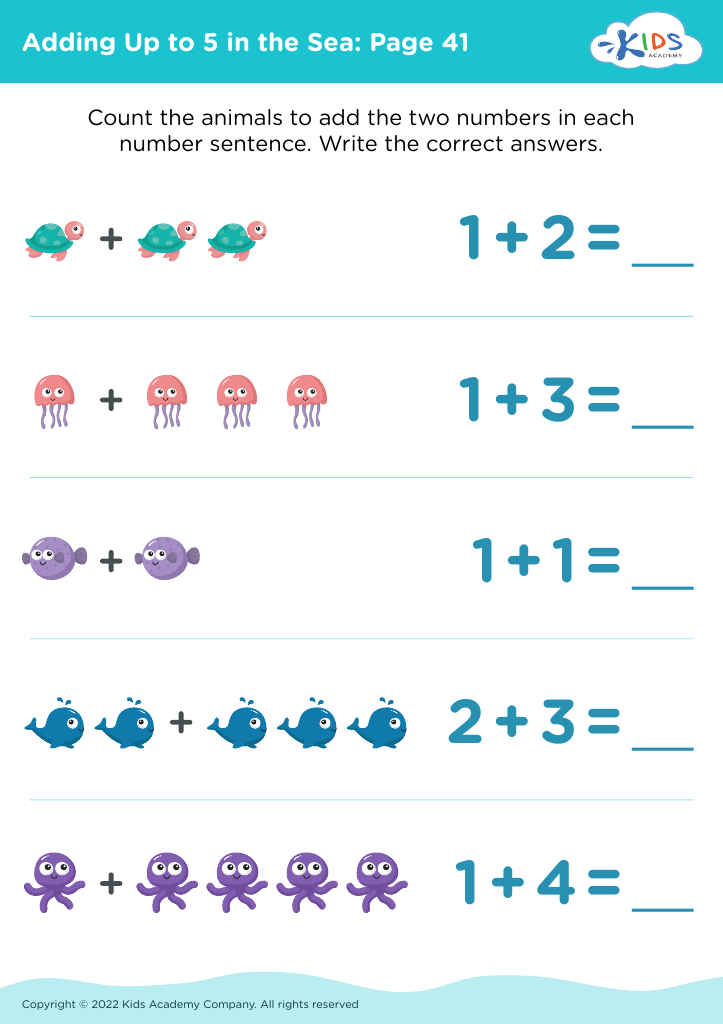
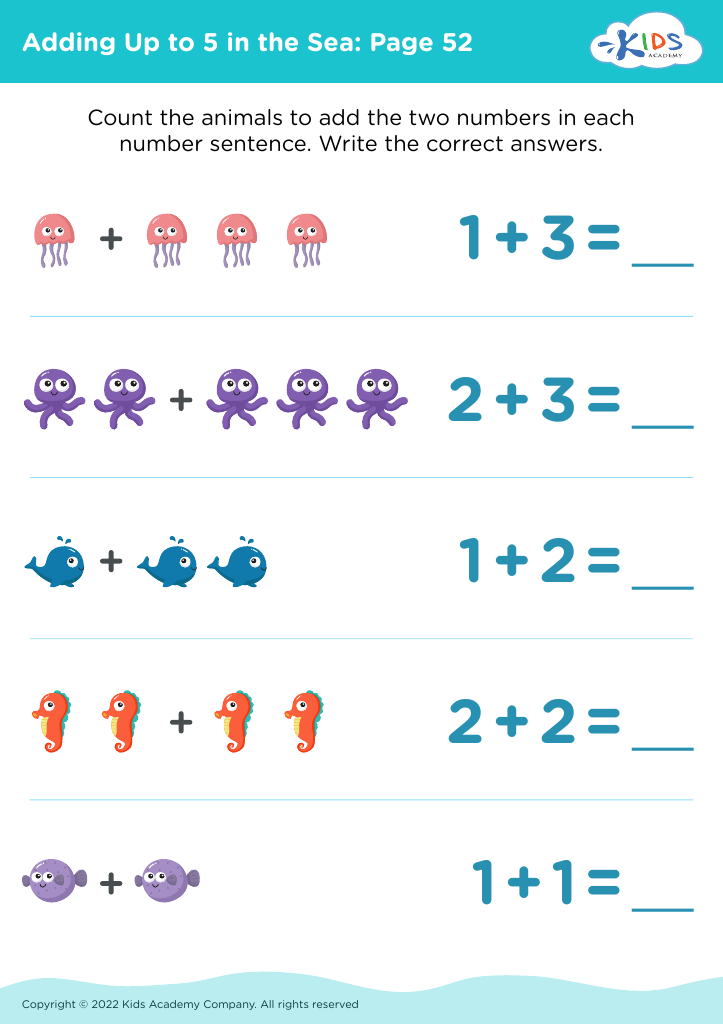
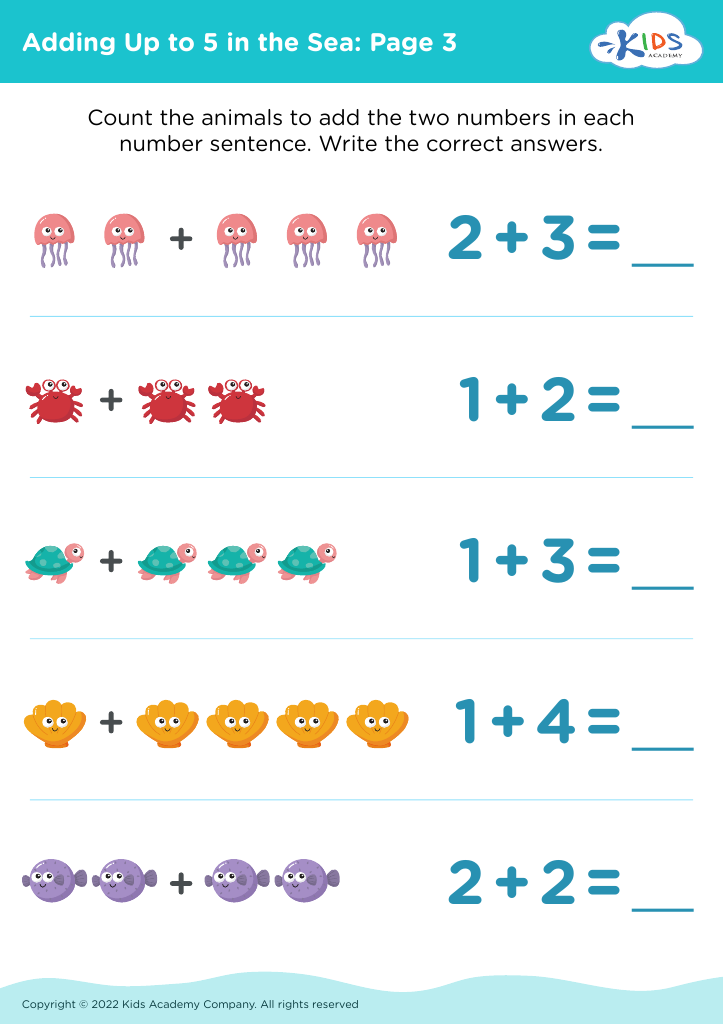
Dive into fun and learning with our Underwater Animal Identification Math Worksheets, designed specifically for children aged 4-6! These engaging worksheets combine marine exploration with essential math skills, helping young learners identify and count various underwater creatures. Through colorful illustrations and exciting activities, children will enhance their number recognition, counting abilities, and observation skills while discovering the fascinating world beneath the waves. Perfect for at-home learning or classroom activities, our worksheets encourage curiosity and provide a hands-on approach to math. Explore today to foster a love for learning and a deeper appreciation for marine life in your little ones!
Favorites
With answer key
Interactive
Join Kids Academy for Free
Who is primarily going to use this learning content?


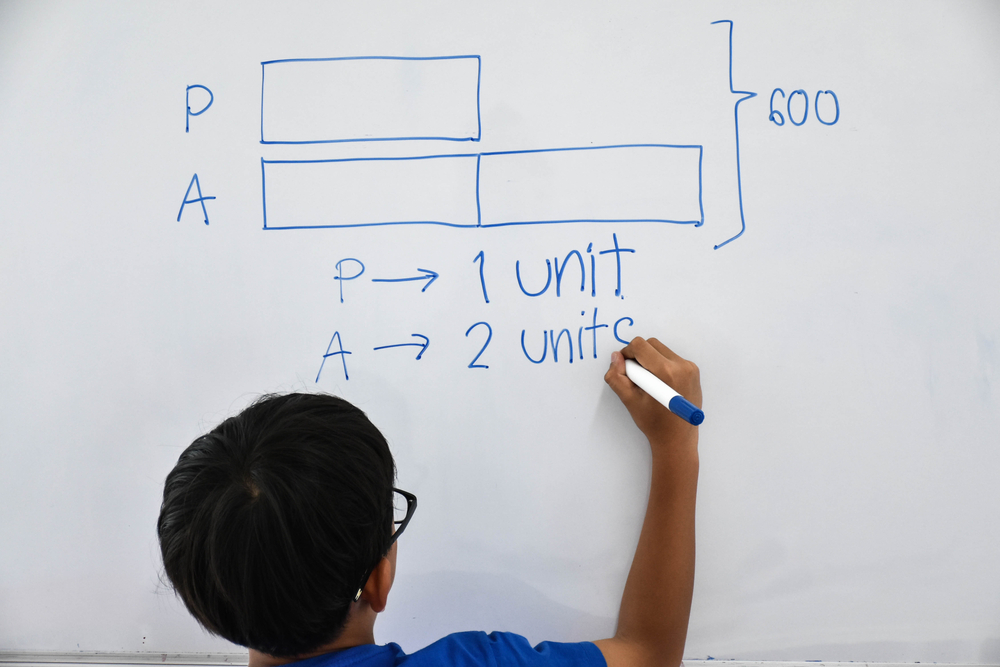





Parents and teachers should care about underwater animal identification math for ages 4-6 because it effectively combines essential academic skills with engaging, real-world context. Learning about underwater animals promotes curiosity about the natural world, sparking a passion for science and environmental awareness from a young age.
Identifying animals enhances vocabulary and cognitive skills as children learn to classify and categorize different species. When integrated with math, this exploration becomes even more impactful. Activities like counting, sorting, and measuring the characteristics of underwater animals can reinforce foundational mathematical concepts like numbers, counting, and basic operations. For example, young learners can practice addition by counting different sea creatures or explore simple graphs by charting their findings.
Moreover, the thematic approach allows for imaginative play and storytelling, fostering social skills as children collaborate in group activities. As they work together to identify or create artwork of various underwater animals, they develop communication skills and teamwork recipes.
Overall, underwater animal identification math not only enriches students' knowledge and fosters mathematical thinking, but it also nurtures a love for learning and instills a sense of responsibility for the environment, encouraging children to become informed, caring future stewards.








