Understanding Quantities Numbers 0–10 Worksheets for Ages 4-6
3 filtered results
-
From - To
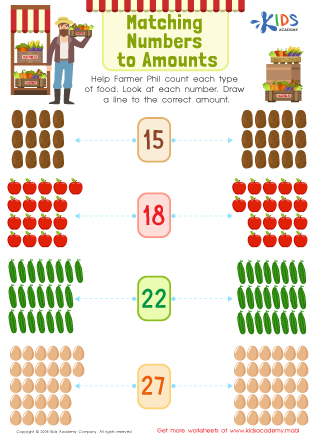
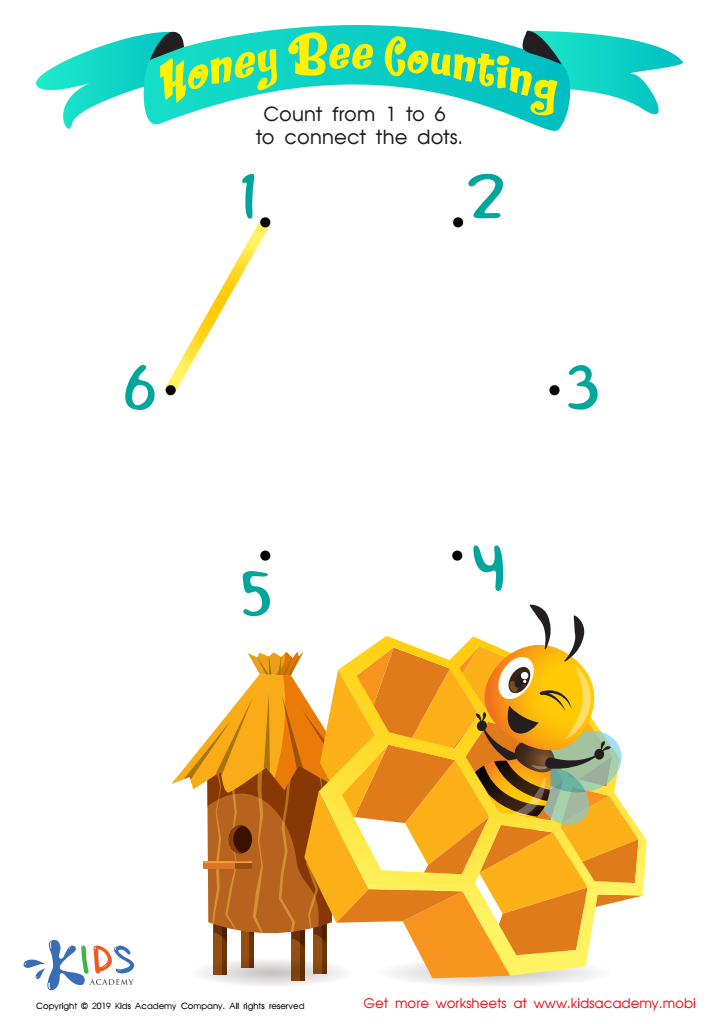
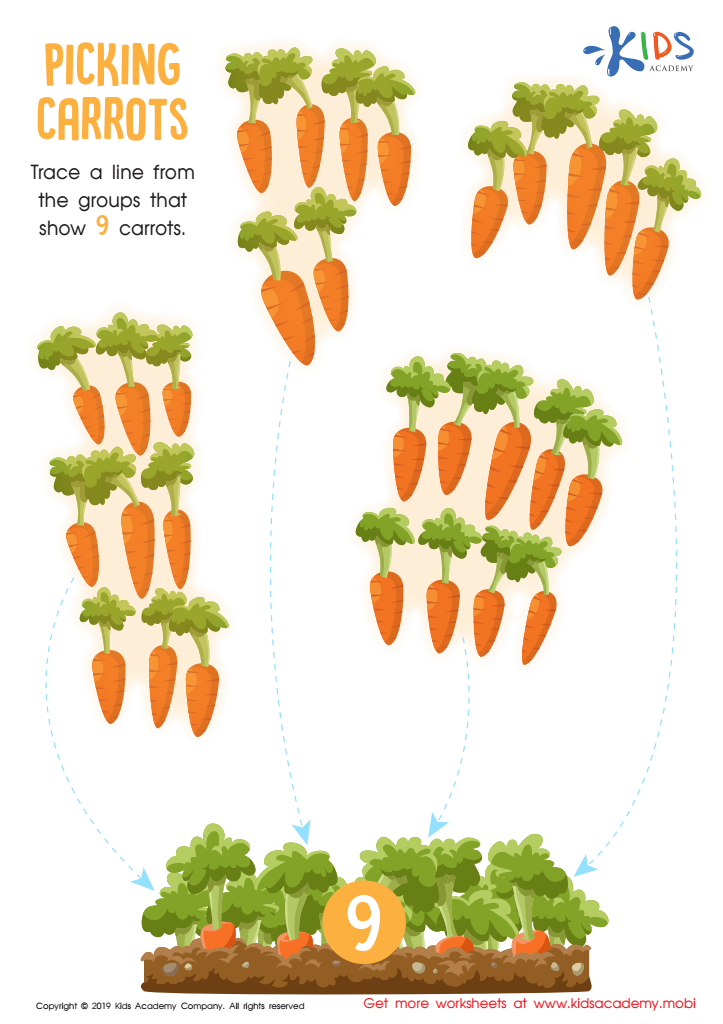
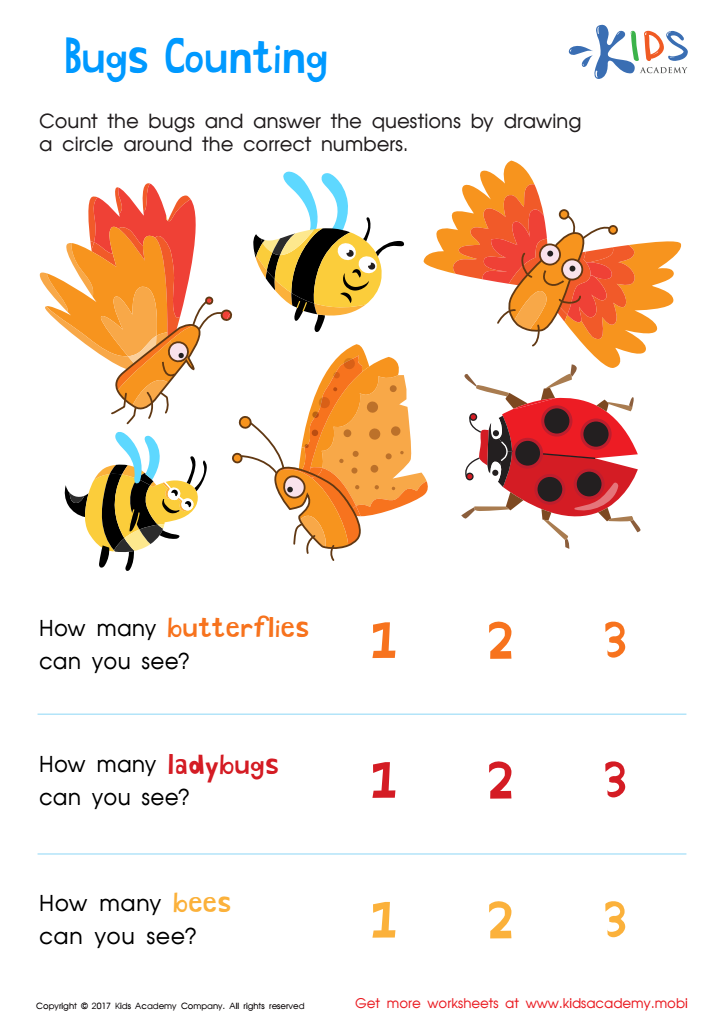
Discover our engaging "Understanding Quantities Numbers 0–10 Worksheets" designed specifically for children aged 4 to 6. These vibrant, interactive worksheets help young learners grasp the concept of quantities through fun activities and visual aids. By using counting exercises, matching games, and number-related tasks, children will develop essential foundational skills in mathematics. Our resources not only encourage number recognition but also foster cognitive development, enhancing children’s ability to compare and analyze different quantities. Perfect for both classroom settings and at-home practice, these worksheets provide a delightful way for children to explore the world of numbers while building confidence in their learning journey!
Honey Bee Counting Worksheet
 Assign to My Students
Picking Carrots Worksheet
Bugs Counting Worksheet








Understanding quantities and numbers 0–10 is crucial for children ages 4-6, as it lays the foundation for their mathematical development. At this age, children are naturally curious and begin to explore the world around them through numbers. This early grasp of numerical concepts helps them make sense of their environment, fosters problem-solving skills, and improves critical thinking.
Parents and teachers should prioritize this understanding because it promotes cognitive development. By recognizing and manipulating quantities, children enhance their reasoning skills and learn important concepts such as counting, comparisons, and basic addition and subtraction. These skills are essential not only for academic success later on but also for daily life, as numbers are an integral part of various activities, from shopping to cooking.
Additionally, understanding numbers can boost self-confidence and motivation in young learners, as they experience success through engaging practice. Establishing a strong numerical foundation at a young age can make future learning experiences smoother and more enjoyable. By actively encouraging children to explore and understand quantities and numbers, parents and teachers play a vital role in nurturing a positive attitude towards mathematics, ensuring lifelong learning and curiosity.