Improve reading comprehension Reading Non-Fiction Worksheets for Ages 4-6
3 filtered results
-
From - To
Boost your child's reading comprehension with our engaging Non-Fiction Worksheets designed specifically for ages 4-6! These interactive activities blend fun and education, helping young learners develop critical skills while exploring fascinating real-world topics. Our worksheets are crafted to enhance understanding and retention through captivating texts and thoughtful questions. Designed to challenge young minds, they promote essential skills such as inference, vocabulary development, and analytical thinking. Suitable for home or classroom use, these resources make learning enjoyable and effective. Empower your child to become a confident reader and explorer of knowledge today! Explore our collection and ignite their curiosity!
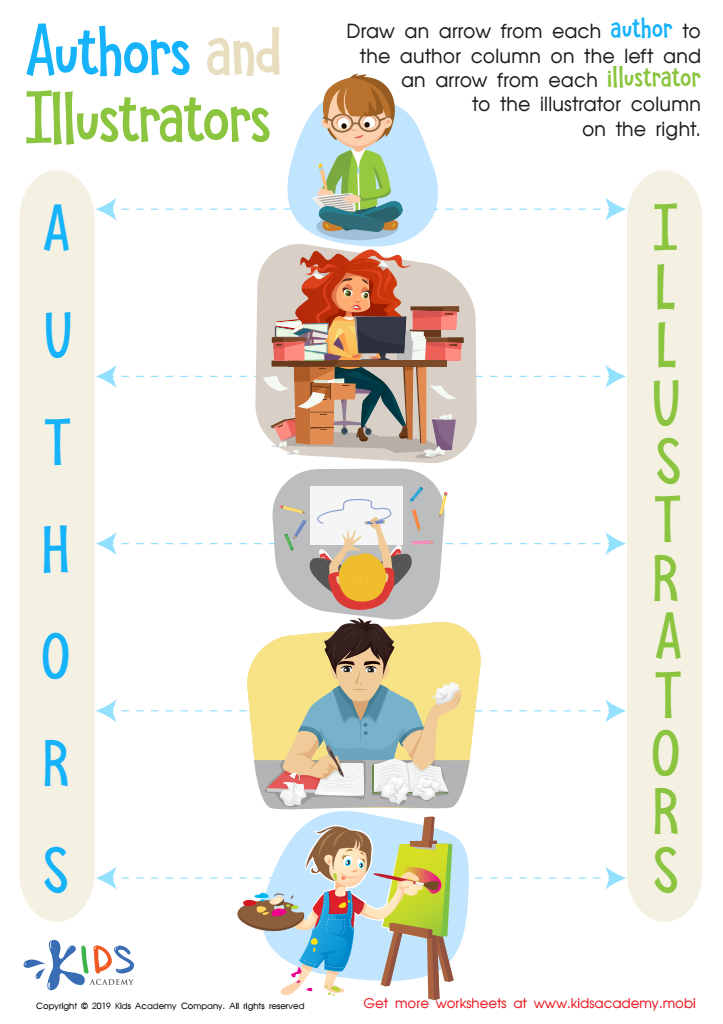
Authors and Illustrators Worksheet
 Assign to My Students
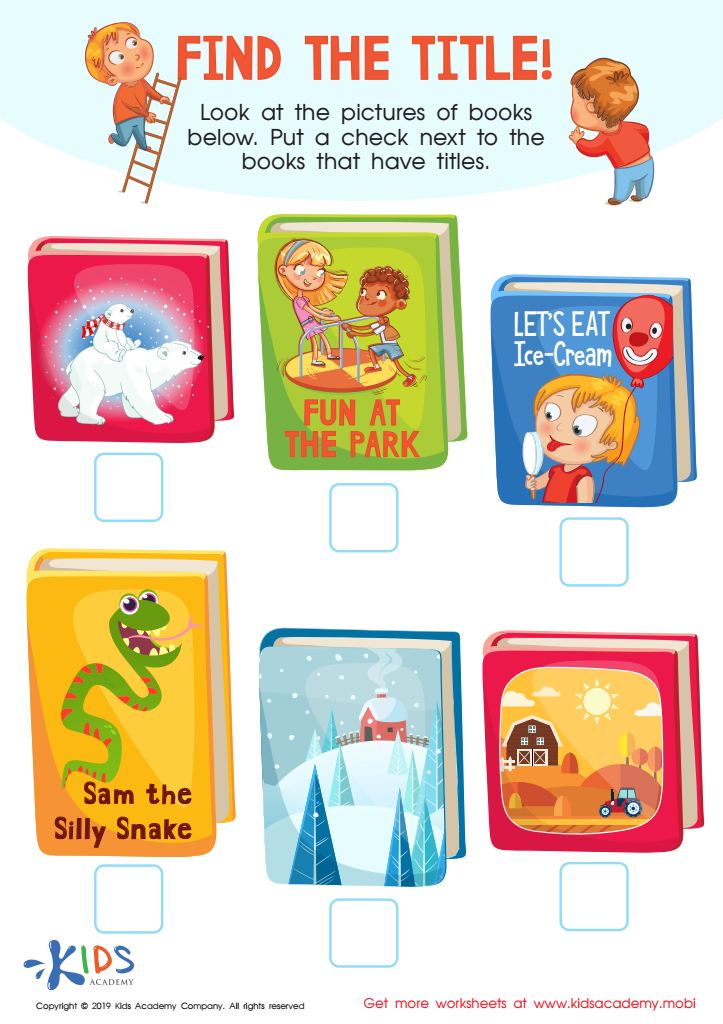
Find the Title Worksheet
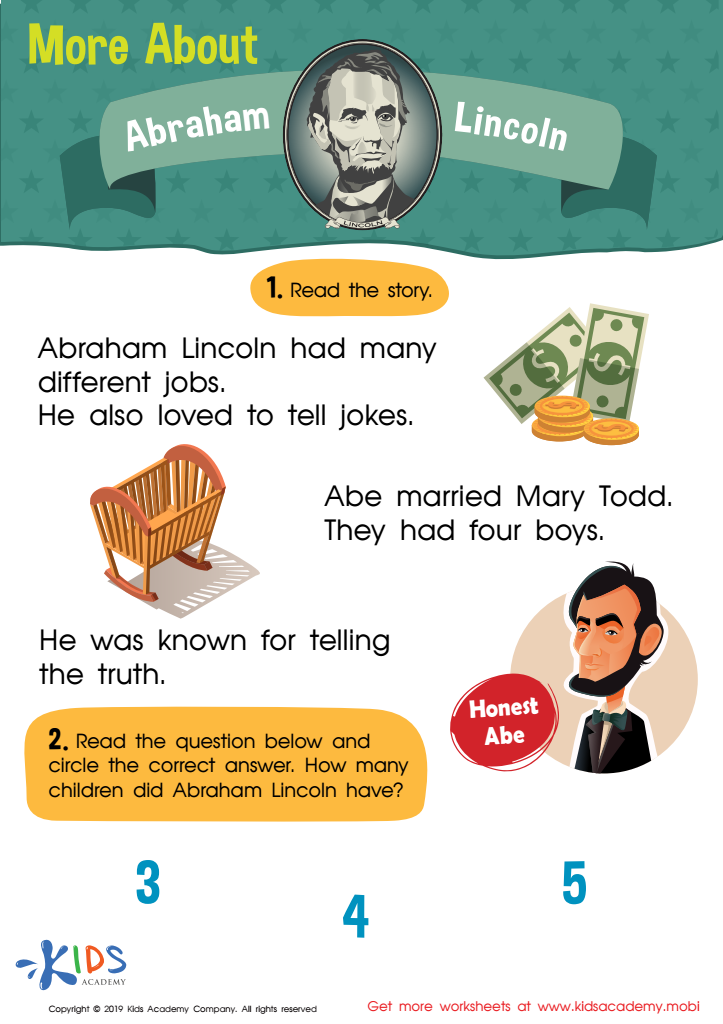
More About Abraham Lincoln Worksheet








Improving reading comprehension in non-fiction for children aged 4-6 is crucial for several reasons. First, young learners are naturally curious about the world around them, and non-fiction texts provide them with the information and understanding they seek. Engaging with non-fiction helps children develop critical thinking skills as they absorb facts, discern between different viewpoints, and relate the information to their own experiences.
Moreover, strong reading comprehension skills lay the foundation for lifelong learning. At this age, children are forming their foundational language skills, and non-fiction texts rich in vocabulary significantly enhance their language development. Comprehending these texts encourages children to ask questions, seek answers, and express their thoughts, cultivating an inquisitive mindset.
Additionally, comprehension fosters a sense of accomplishment and confidence in children, motivating them to explore reading further. As they progress through school, the ability to understand non-fiction will become increasingly important for their academic success, especially in subjects like science and social studies.
Lastly, promoting non-fiction reading among young children helps parents and teachers instill a love for learning, transforming reading into an enjoyable adventure rather than a chore. By prioritizing comprehension skills early on, parents and educators can equip children for future academic challenges and inspire a lifelong interest in knowledge.








