Vocabulary expansion Reading Non-Fiction Worksheets for Ages 4-6
6 filtered results
-
From - To
Introduce your young learners to the world of non-fiction with our engaging Vocabulary Expansion Reading Worksheets, designed specifically for ages 4-6. These worksheets provide a fun and interactive way to enhance vocabulary skills through captivating facts and insightful context. Children will explore various topics, improving their comprehension and language abilities while developing a love for reading. Our thoughtfully crafted activities encourage critical thinking and reinforce new word usage, making learning enjoyable. Whether at home or in the classroom, these worksheets serve as an essential tool for enriching language skills, setting the foundation for future academic success. Start expanding vocabulary today!
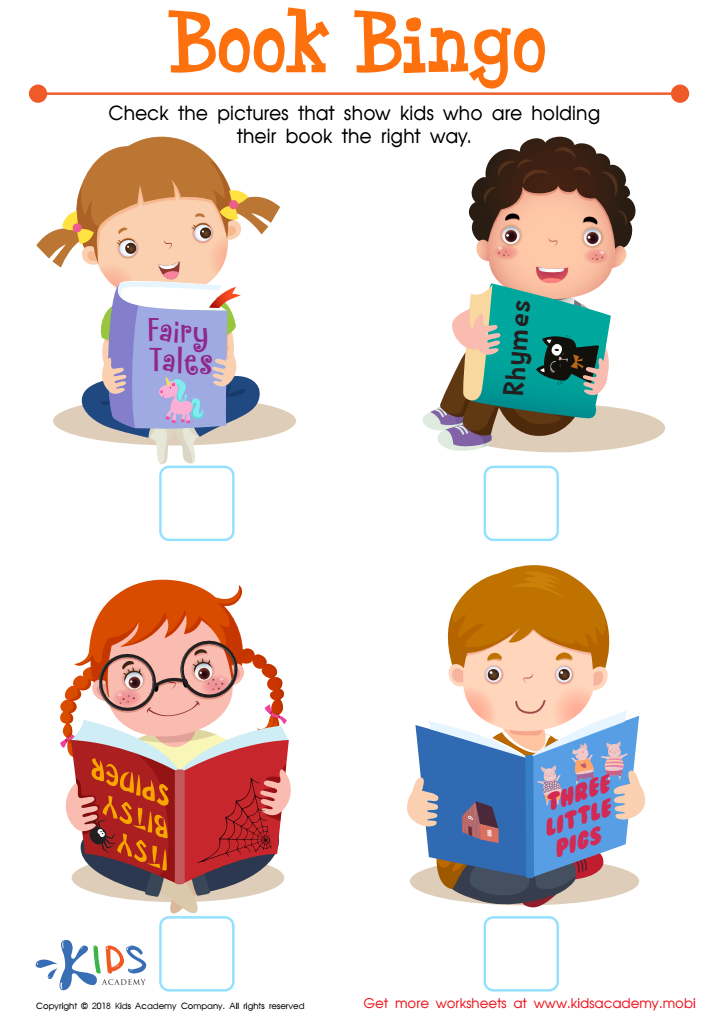
Book Bingo Worksheet
 Assign to My Students
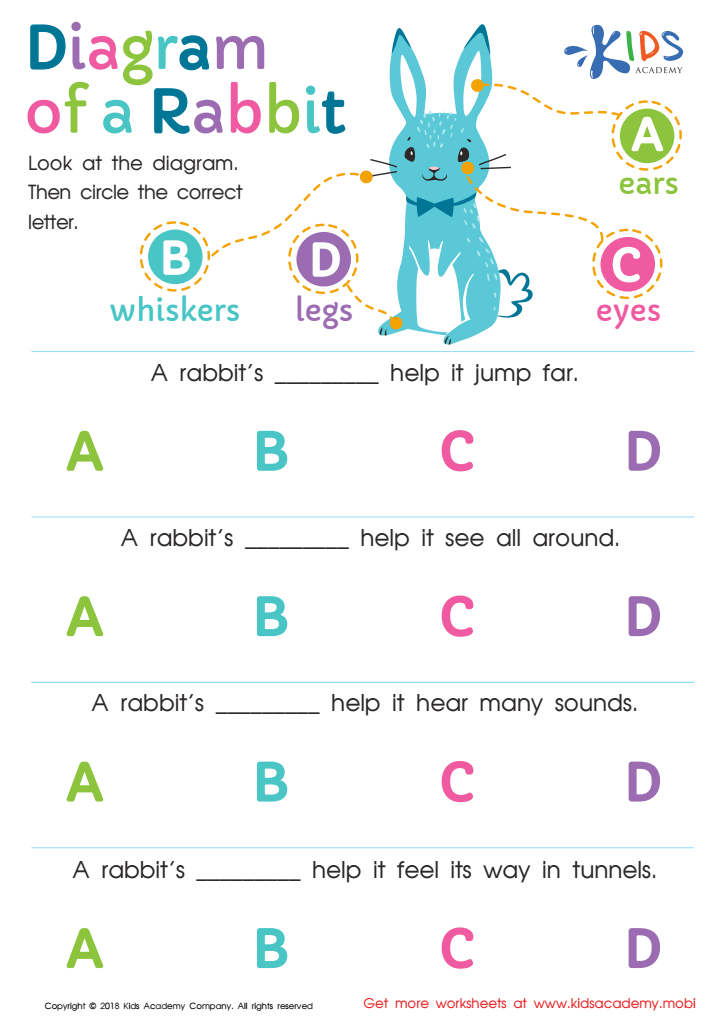
Diagram of a Rabbit Worksheet
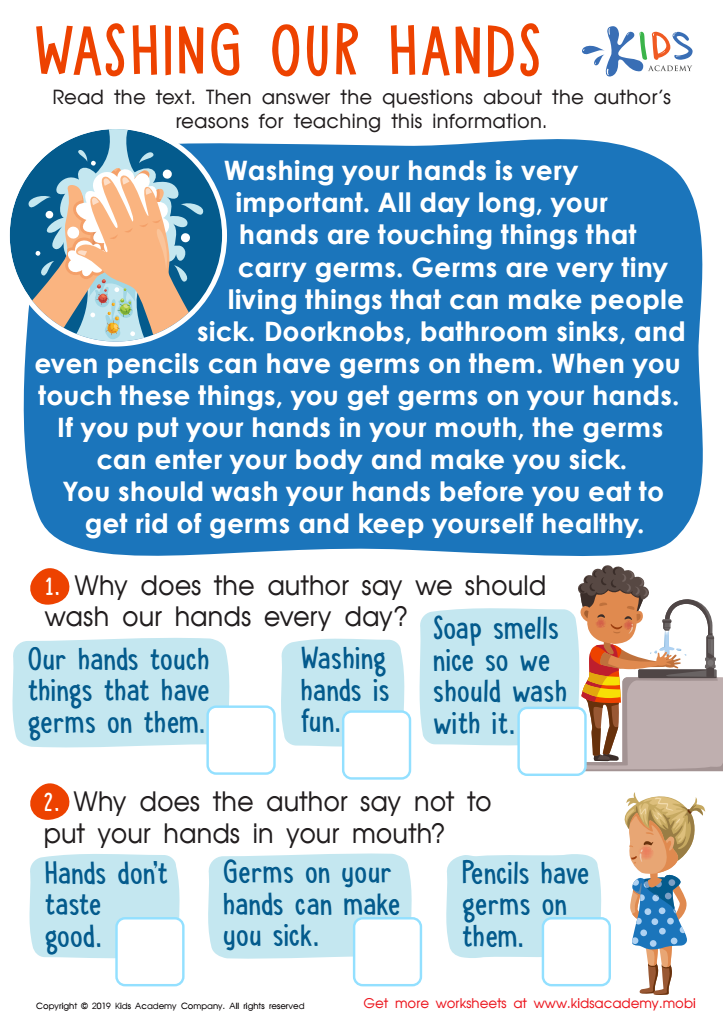
Washing Our Hands Worksheet
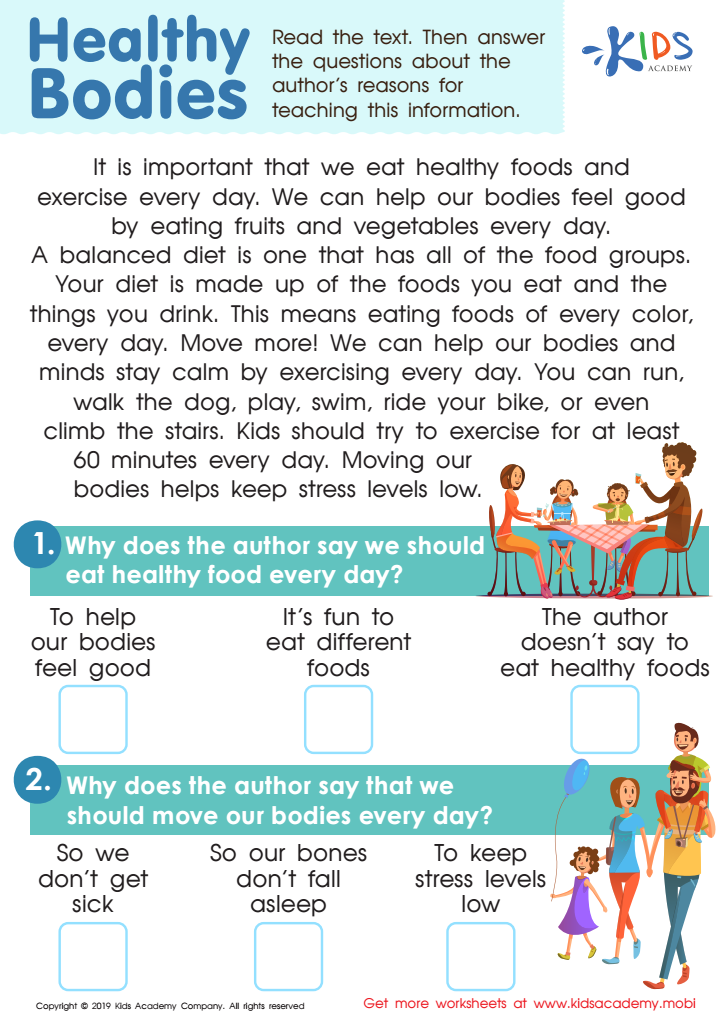
Healthy Bodies Worksheet
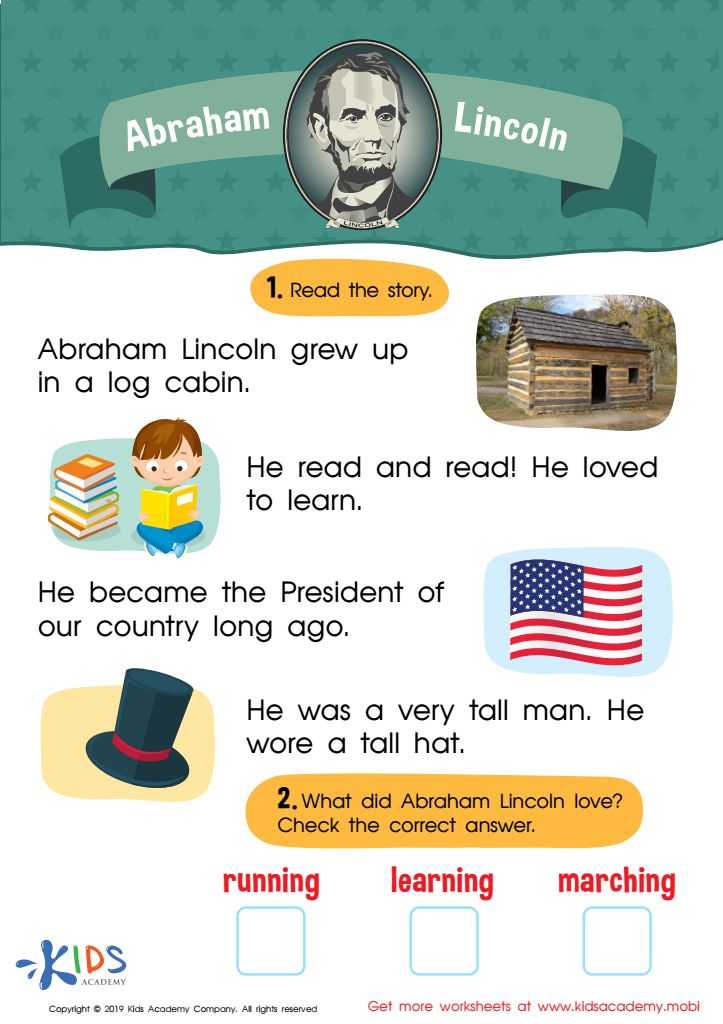
Abraham Lincoln Worksheet
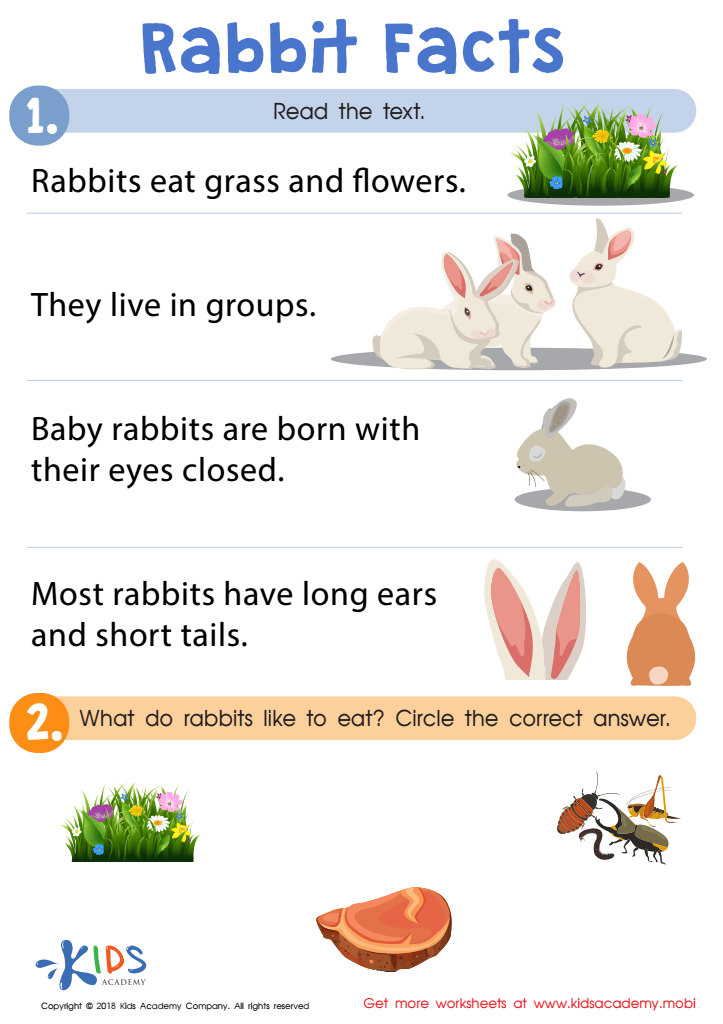
Rabbit Facts Worksheet








Vocabulary expansion through reading non-fiction is crucial for children aged 4-6 as it lays the foundation for their future academic success and language development. At this age, children are naturally curious about the world, and non-fiction books cater to their inquisitive minds by providing factual information about topics like animals, the environment, and science. This genre not only introduces children to new words, but it also builds background knowledge that enhances their understanding of various subjects.
When parents and teachers prioritize vocabulary expansion, they empower children to express themselves more clearly and confidently. A rich vocabulary helps young learners articulate their thoughts, ask questions, and engage in discussions, which are pivotal skills for communication and critical thinking. Additionally, exposure to non-fiction material fosters analytical skills as children learn to sift through information and form conclusions.
By incorporating non-fiction reading into daily routines, parents and educators can make learning engaging and enjoyable. This investment not only supports children's linguistic development but also cultivates a love for learning, ensuring they are better equipped for their educational journeys ahead. In summary, advocating for vocabulary expansion through non-fiction reading is an essential step in nurturing well-rounded, knowledgeable, and expressive children.








