Improving reading skills Sight Words Worksheets for Ages 4-6
3 filtered results
-
From - To
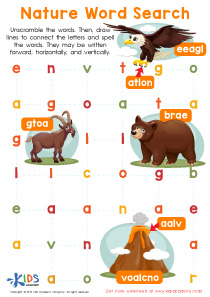
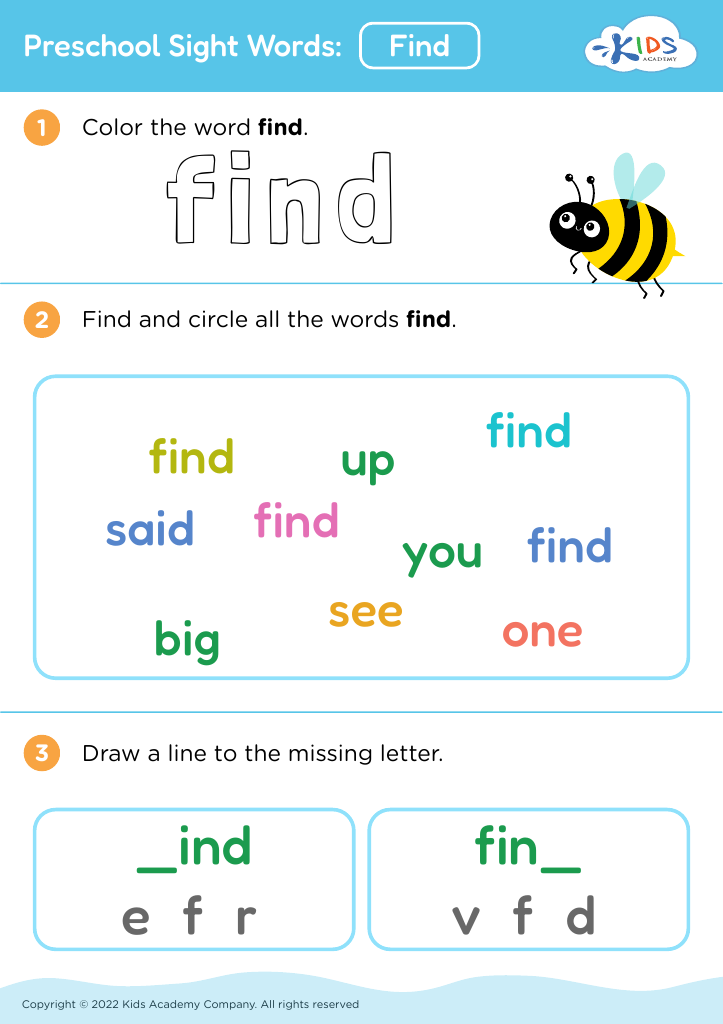
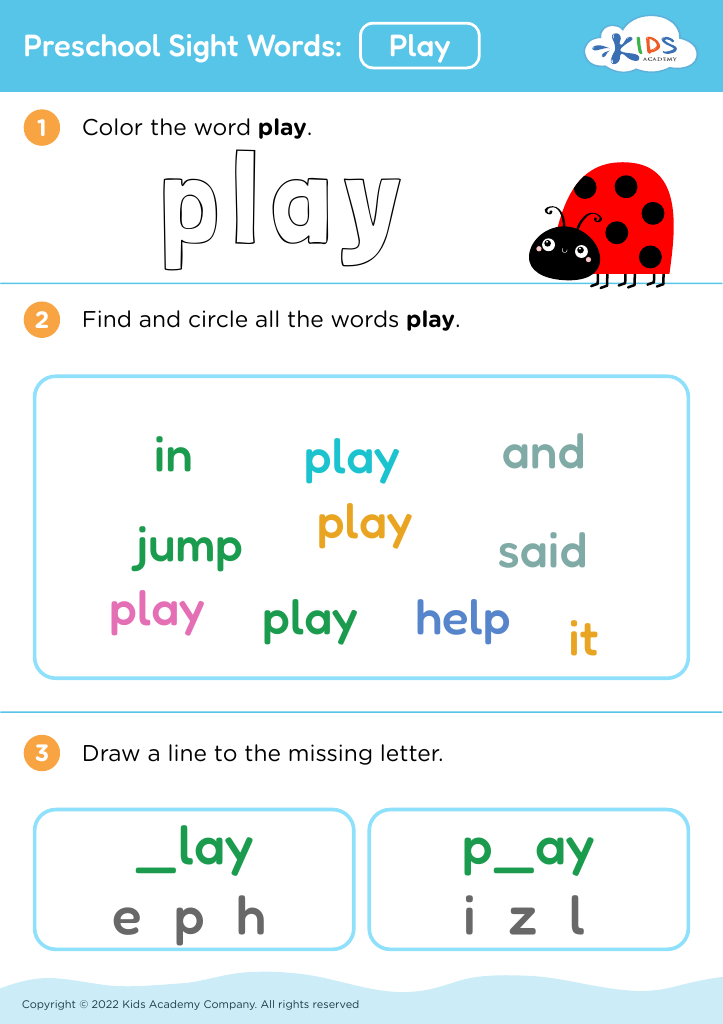
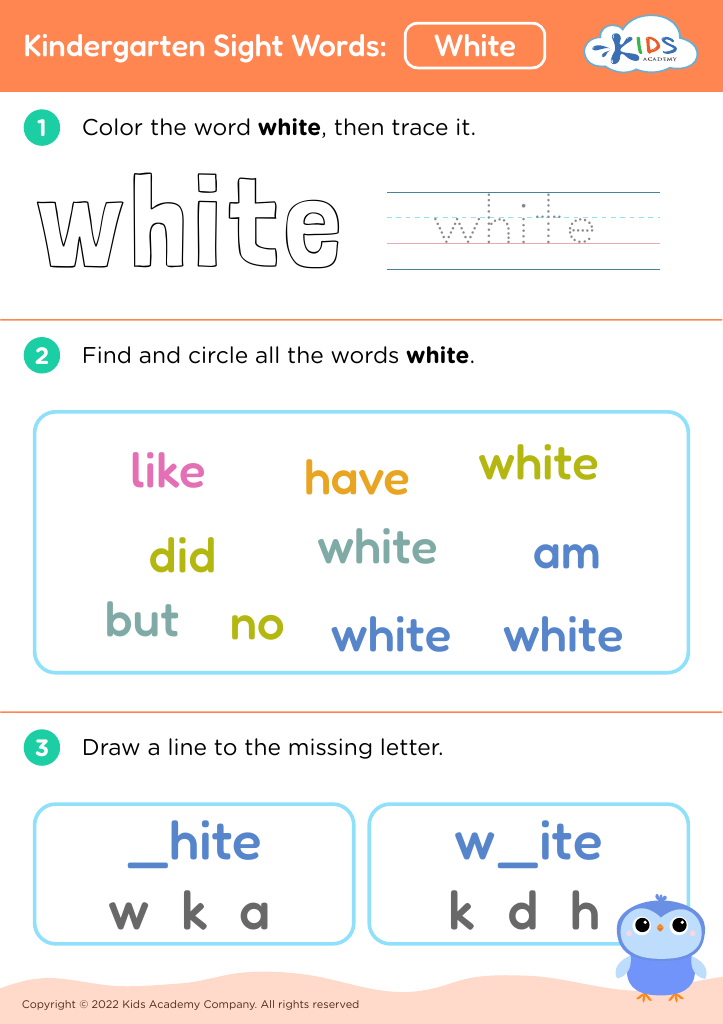
Boost your child's reading abilities with our comprehensive Sight Words Worksheets designed for ages 4-6. These engaging activities focus on high-frequency words to build a strong foundation for early reading success. With various exercises, kids can practice word recognition, pronunciation, and spelling, all in a fun and interactive way. Perfect for preschoolers and kindergarteners, these worksheets support effective learning by enhancing vocabulary and improving fluency. Start developing essential reading skills today and watch your child grow confident in their literacy journey. Explore our diverse collection at Kids Academy and make learning to read a joyful experience!











.jpg)



Improving reading skills through sight words for children ages 4-6 is crucial because it lays the foundation for future literacy and academic success. Sight words are common words that children are encouraged to recognize on sight, without needing to sound them out. This recognition is essential because it enhances reading fluency, allowing young readers to focus on comprehension rather than decoding each word individually.
When children can quickly recognize sight words, they build confidence in their reading abilities. This confidence motivates them to explore more complex texts and fosters a love of reading. Since a significant portion of early reading materials consists of sight words, mastering them helps children progress through these texts more smoothly and gain a better understanding of the content.
For parents and teachers, dedicating time to sight word practice also means promoting early vocabulary development, as children frequently encounter these words in spoken and written language. Reading proficiency at an early age correlates strongly with academic success in later years. Therefore, giving children the tools to effortlessly read sight words ensures they are well-prepared for future challenges in writing, critical thinking, and subject-specific literacy.
Investing in this aspect of literacy education helps prevent reading difficulties and turns reading into an engaging, enjoyable activity. By doing so, parents and teachers role-model the significance of education, establishing a positive cycle of learning and growth.