Multiplication practice Sight Words Worksheets for Ages 4-6
4 filtered results
Difficulty Level
Grade
Age
-
From - To
Subject
Activity
Standards
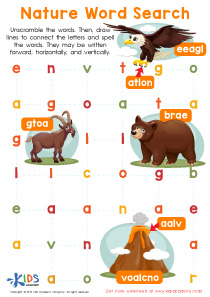
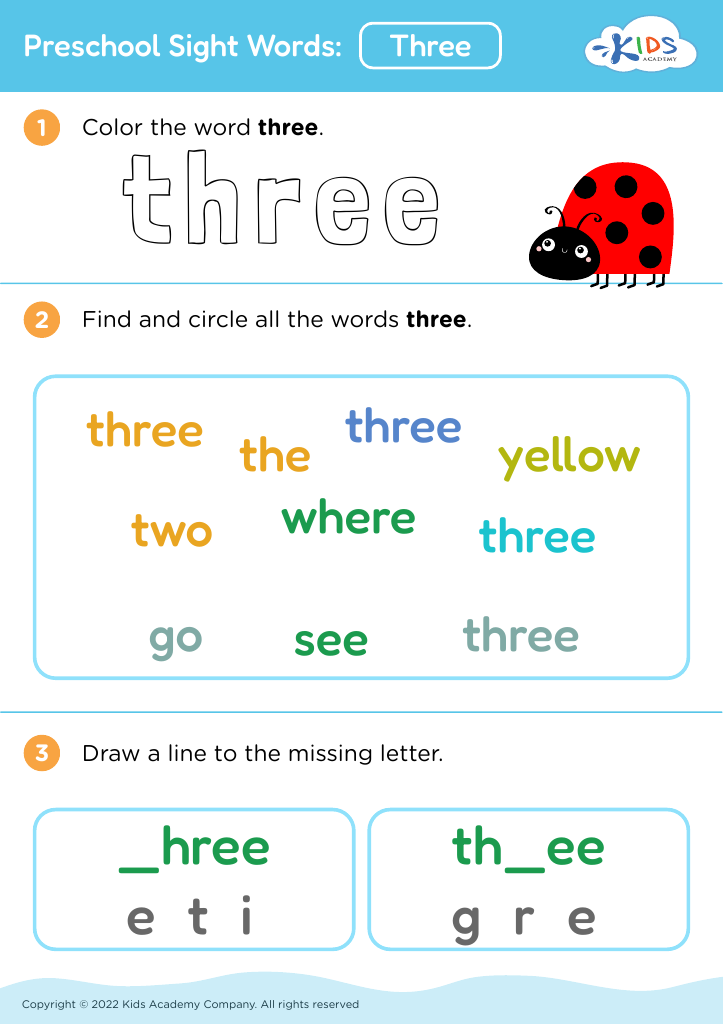
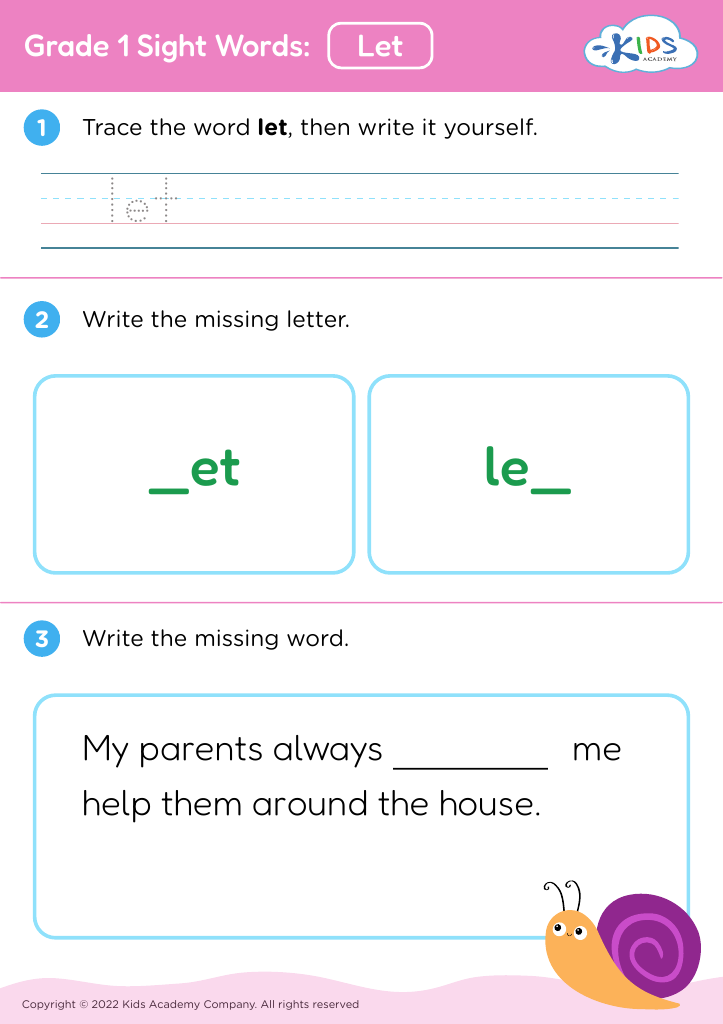
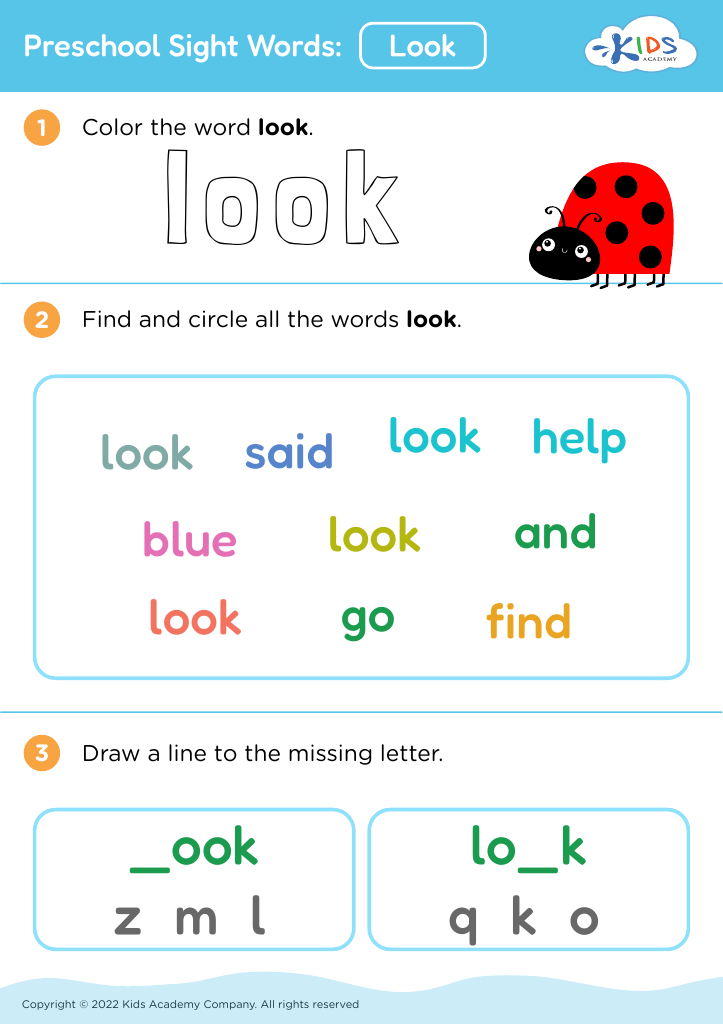
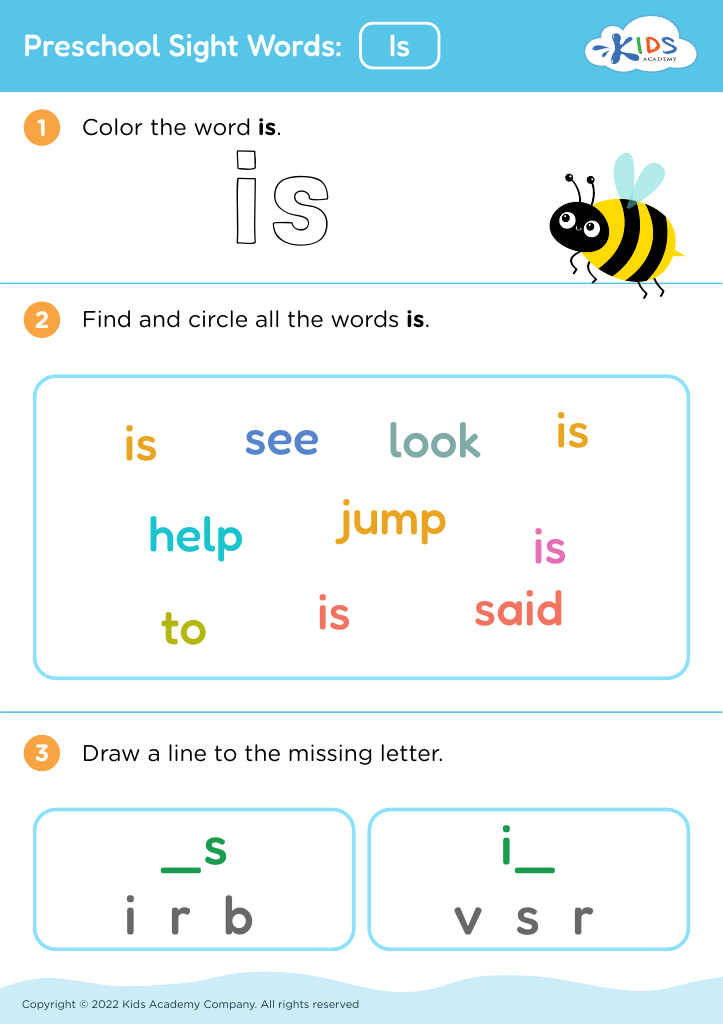
Enhance your child's learning journey with our Multiplication Practice Sight Words Worksheets designed specifically for ages 4 to 6. These fun and interactive worksheets blend essential sight word recognition with foundational multiplication skills, making learning enjoyable and effective. Engaging activities help young learners build confidence in their reading and math abilities through repetition and practice. Each worksheet is tailored to strengthen cognitive skills, improve vocabulary, and foster a love for learning. Perfect for use at home or in the classroom, our resources promote independent learning, making math and reading exciting for little ones. Start your child's educational adventure today!
Favorites
With answer key
Interactive







Join Kids Academy for Free
Who is primarily going to use this learning content?





.jpg)


Multiplication practice and sight words are fundamental aspects of literacy and numeracy development for children aged 4-6. For early learners, mastering sight words—common words that young children are encouraged to recognize without needing to sound them out—builds a strong foundation for reading fluency. Our society prioritizes the ability to read, and being able to quickly recognize sight words allows children to engage with text more effectively, facilitating enjoyment and comprehension.
Similarly, while multiplication might seem advanced, introducing basic multiplication concepts through counting, grouping, or visual aids establishes early mathematical thinking. Understanding and reinforcing these concepts can create a strong impulse for problem-solving skills and foster a positive attitude toward math in the long run.
Moreover, engaging parents in practices at home empowers them to reinforce skills and show interest in their child's education, creating a strong educational partnership that boosts confidence in children. Regular practice helps establish routines and lays the groundwork for future academic success, ensuring that children develop skills necessary for more complex tasks ahead. Ultimately, caring about these elements contributes directly to the holistic growth of a child's cognitive abilities, literacy, and numeracy, setting them on a path to become lifelong learners.