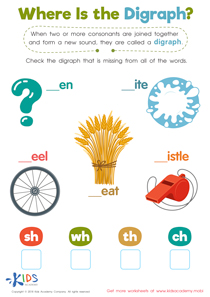
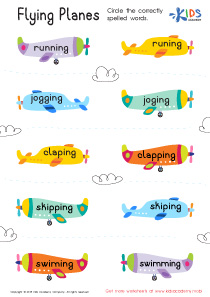
Vocabulary expansion Beginning Consonants Worksheets for 4-Year-Olds
4 filtered results
-
From - To
Unlock your child's potential with our Vocabulary Expansion Beginning Consonants Worksheets, specially designed for 4-year-olds. These engaging, expertly-crafted worksheets enhance early literacy by focusing on initial consonant sounds. With vibrant illustrations and interactive activities, children effortlessly learn to recognize and pronounce the beginning sounds of words, enriching their vocabulary and bolstering their phonics skills. Ideal for young learners, these worksheets foster confidence and a love for reading. Give your little one a head start on their educational journey and watch their language skills blossom with every worksheet completed. Explore the magical world of consonants today!
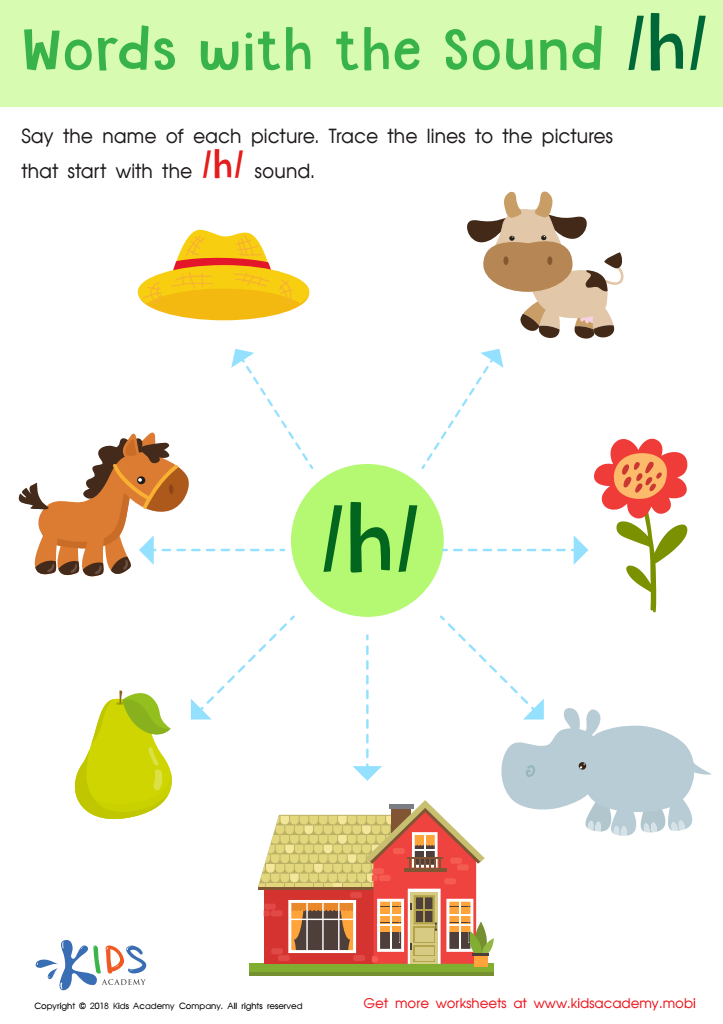
Words with sound h Reading Worksheet
 Assign to My Students
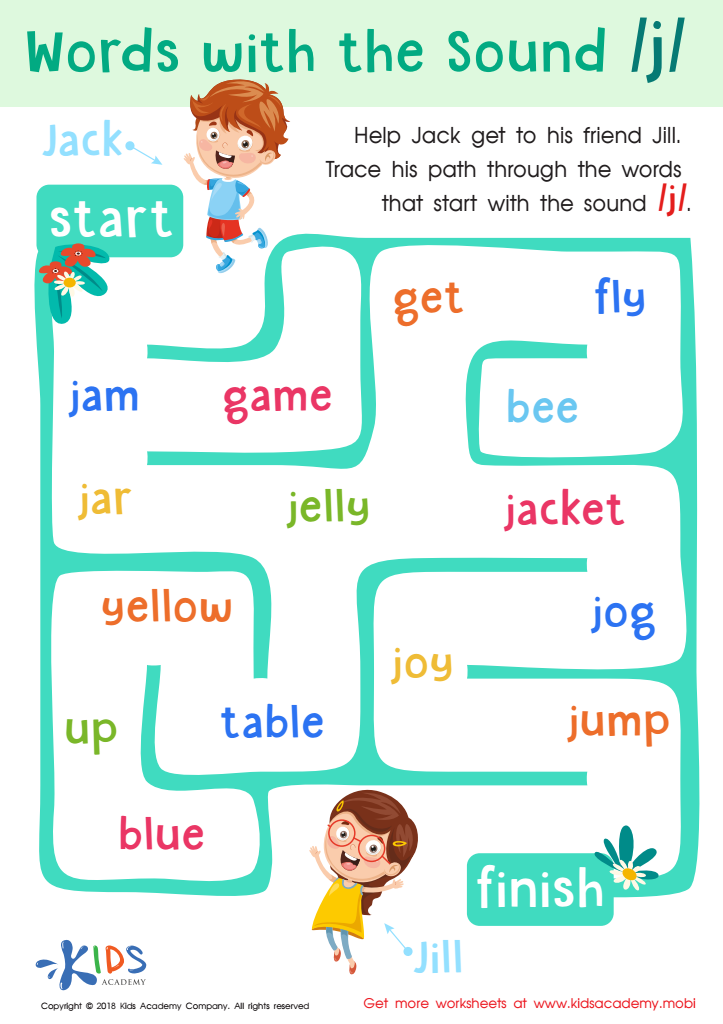
Words with sound j Reading Worksheet
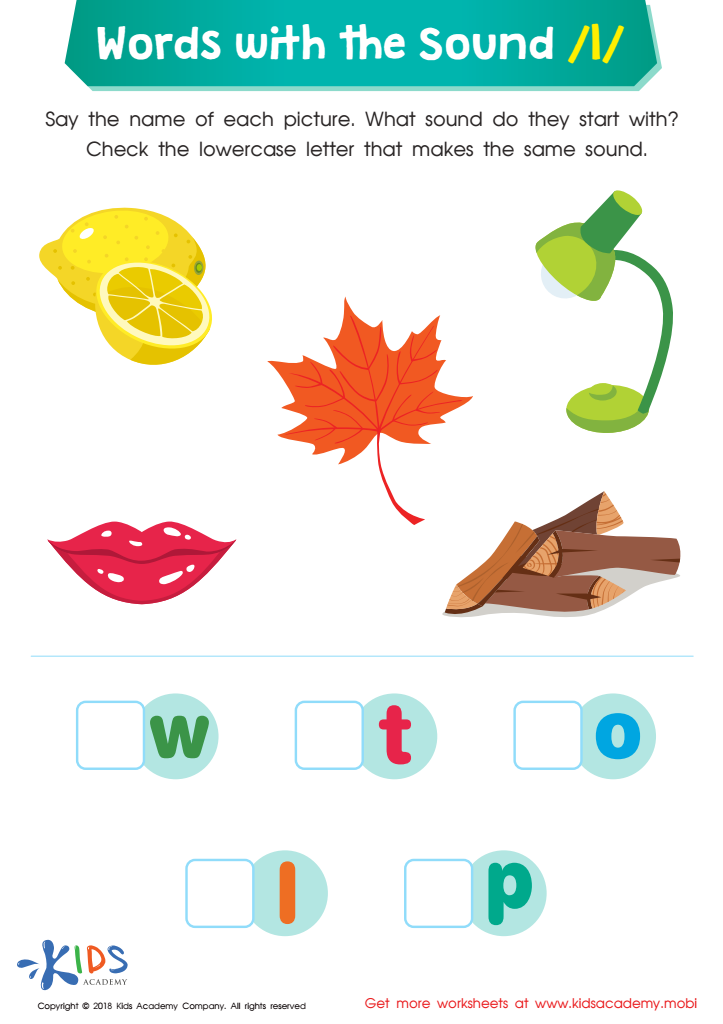
Words with Sound L Reading Worksheet
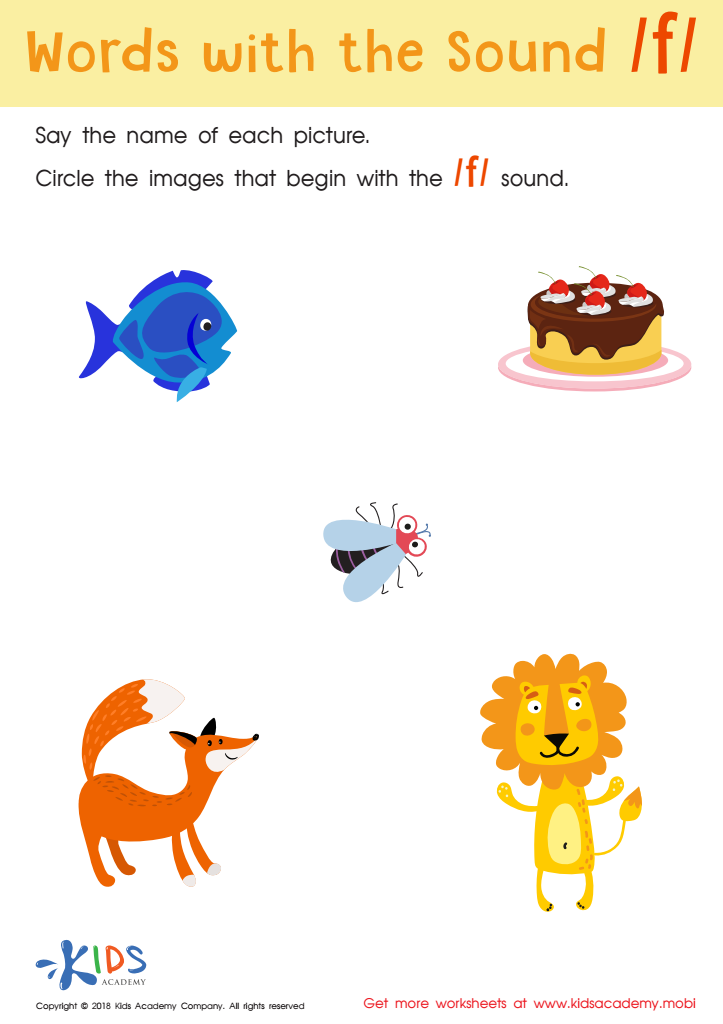
Words with sound f Reading Worksheet


Parents and teachers should prioritize vocabulary expansion, especially focusing on beginning consonants, for 4-year-olds as it lays a foundational stone for effective language development and future reading skills. At this developmental stage, children are in what many researchers call the "critical period" for learning language, where their brains are exceptionally receptive to picking up different sounds, words, and meanings. Learning beginning consonants like "b" in "ball" or "c" in "cat" helps children differentiate between similar-sounding words, enhancing their ability to decode unfamiliar words later on.
Understanding and pronouncing beginning consonants improve a child's phonemic awareness—the ability to hear, identify, and manipulate individual sounds in spoken words—an essential precursor to learning to read and write. A robust vocabulary supports other domains of cognitive development, enabling better communication skills and laying a groundwork for complex language structures. Moreover, strong early language skills correlate with later academic success. Engaging in activities like reading aloud, singing songs, and playing sound-related games helps 4-year-olds grasp these crucial consonant sounds through fun, interactive methods. Therefore, investing time and energy in teaching beginning consonants today sets the stage for prolific language mastery and academic skills in the future.