Color recognition Labor Day Worksheets for 4-Year-Olds
5 filtered results
-
From - To
Discover the joy of learning with our Color Recognition Labor Day Worksheets designed specifically for 4-year-olds! Perfect for early childhood education, these engaging worksheets encourage young learners to identify and match colors while celebrating Labor Day. Through fun activities, children enhance their color recognition skills, boost creativity, and develop fine motor skills. Our printable worksheets feature vibrant images and playful themes that make learning enjoyable and interactive. Parents and teachers can use these resources to make seasonal lessons exciting and memorable. Let your little ones dive into the festive spirit of Labor Day while mastering essential color recognition skills today!
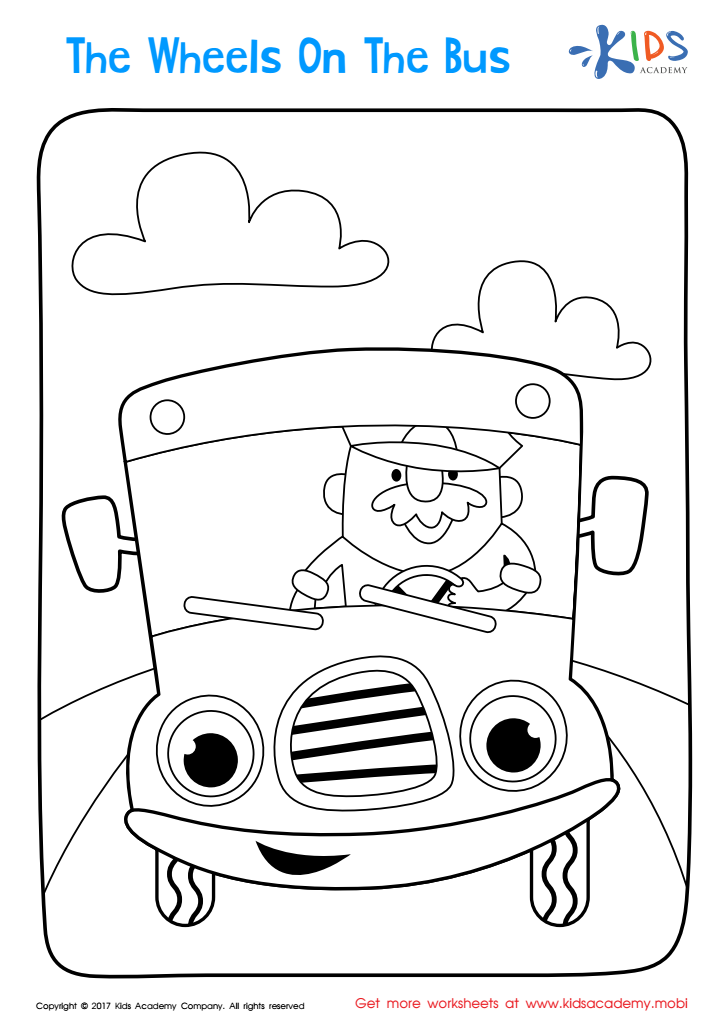
The Wheels on the Bus Coloring Page
 Assign to My Students
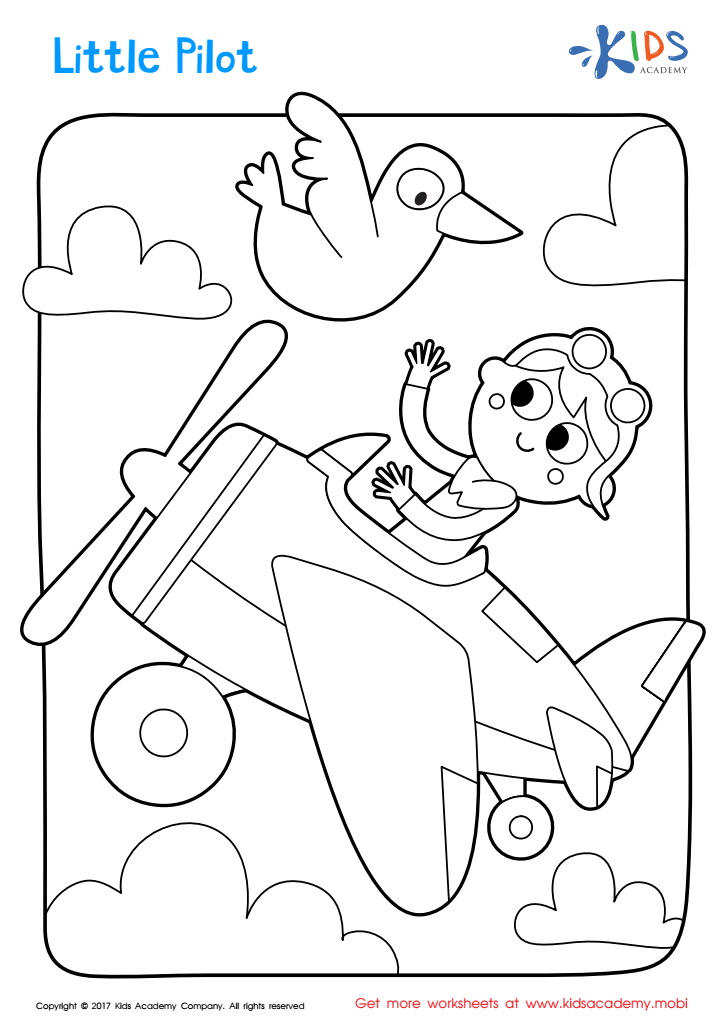
Little Pilot Coloring Page
Assign to My Students

Little Chef Coloring Page
Assign to My Students

Astronaut Coloring Page
Assign to My Students
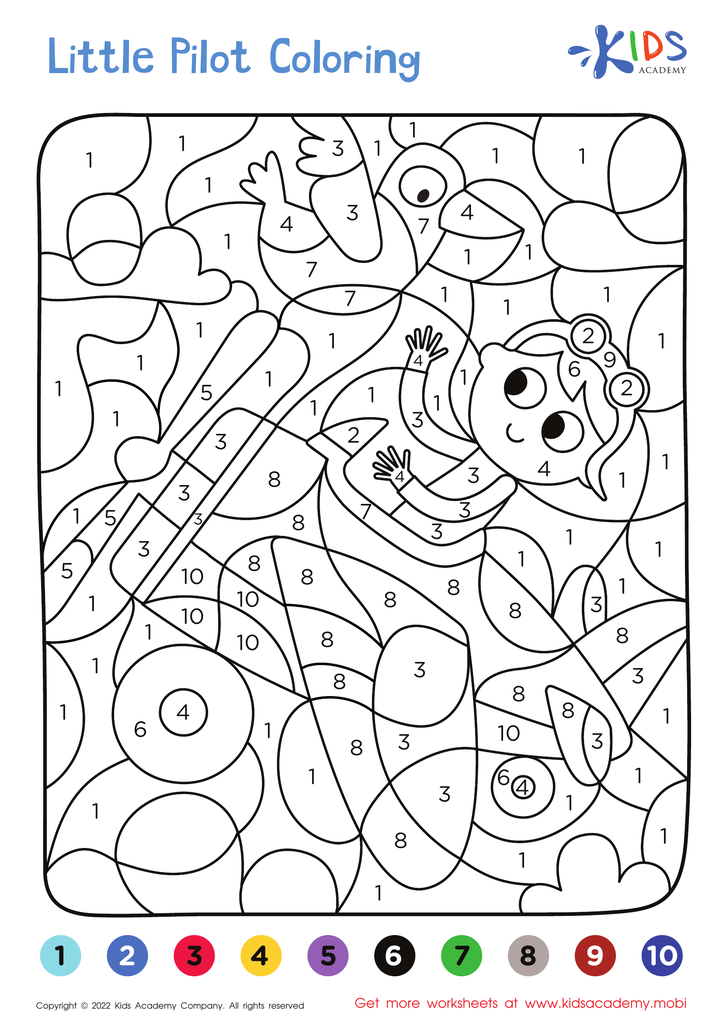
Little Pilot – Coloring by Numbers


Color recognition is a fundamental skill for toddlers, and teaching it through themes like Labor Day can be particularly beneficial. For parents and teachers, engaging children in color recognition helps develop their cognitive abilities, enhances communication skills, and fosters creativity. Recognizing colors is essential for young children as it lays the groundwork for more advanced learning in areas such as math, science, and art.
Labor Day provides a unique opportunity to introduce colors in context. By using images of workers in diverse uniforms or depicting various celebrations associated with the holiday, teachers can effectively reinforce color recognition while instilling an understanding of the significance of labor.
Moreover, this thematic approach makes learning interactive and enjoyable. Fun activities, such as color scavenger hunts or crafts involving red, white, and blue decorations, can capture children's attention, strengthen memory retention, and encourage social interaction.
Incorporating color recognition with Labor Day education can help children learn about community and work while honing essential skills. This multi-faceted approach not only contributes to academic growth but also fosters a sense of belonging, encouraging children to appreciate the hard work and contributions of others in society. Such foundational skills are crucial as children prepare for future learning experiences.