Building vocabulary Worksheets for 4-Year-Olds
3 filtered results
-
From - To
Discover our engaging Building Vocabulary Worksheets tailored for 4-year-olds! These printable worksheets are designed to make learning new words fun and interactive, helping preschoolers enhance their language skills, understand word meanings, and improve communication. Each activity is crafted to capture young minds through colorful images and age-appropriate exercises, promoting better retention and usage of new vocabulary. Join us in fostering a love for learning and empowering your child's language development with our expertly curated vocabulary-building resources. Start their journey towards confident reading and speaking today with our top-quality worksheets!

Community: Homes Worksheet
 Assign to My Students
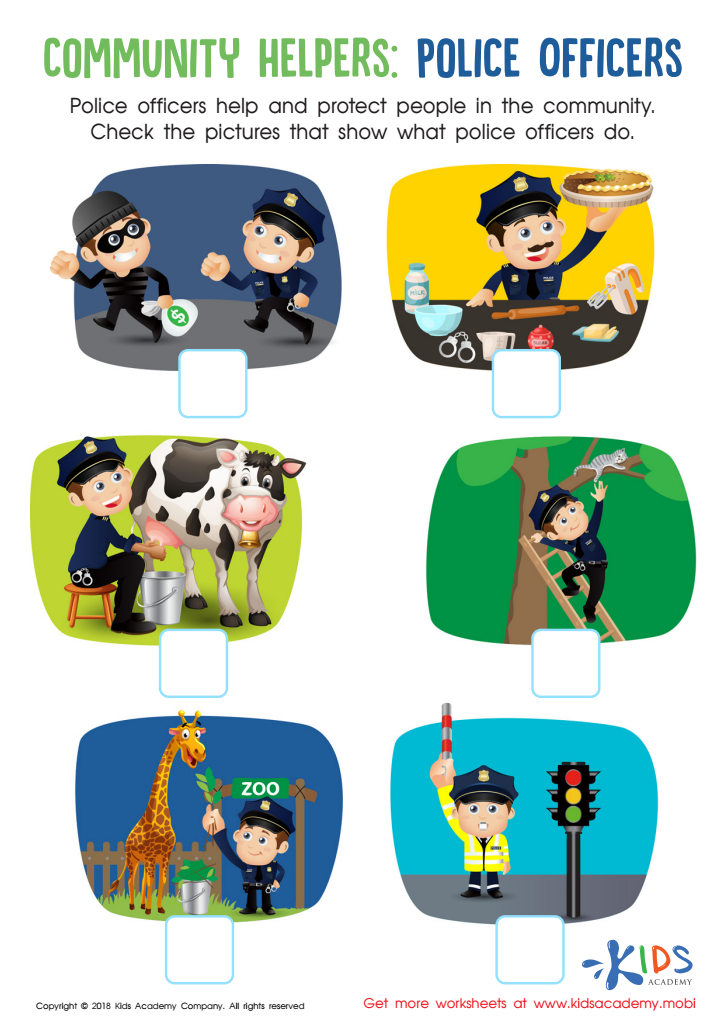
Police Officers Community Helpers Worksheet
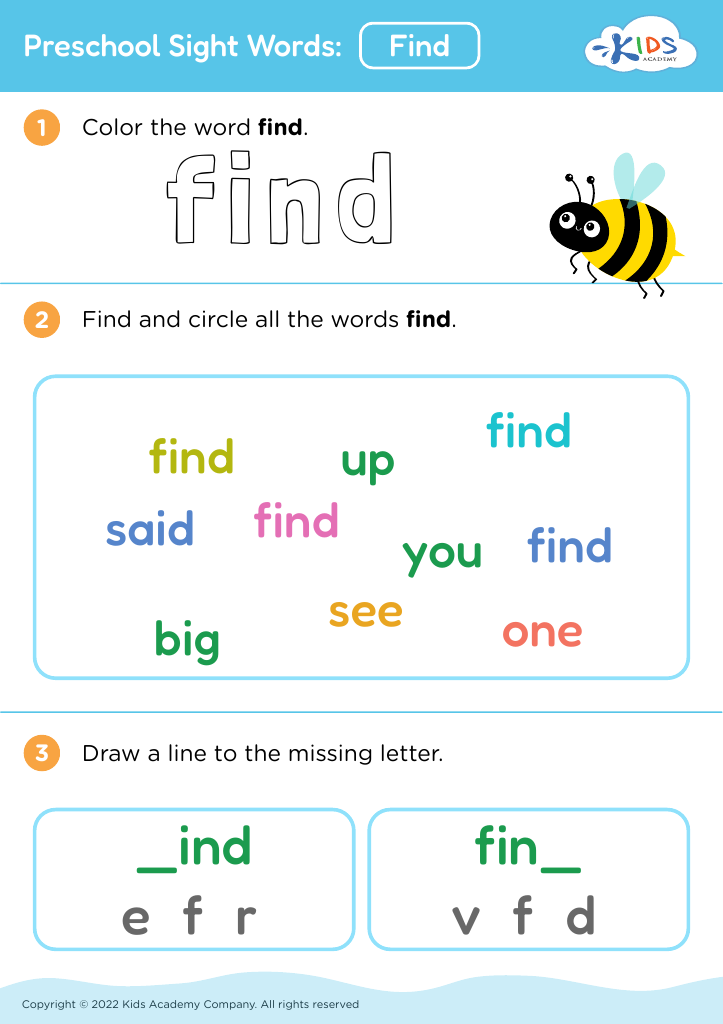








Building vocabulary for 4-year-olds is critical for their language and cognitive development, setting the foundation for future academic and social success. At this age, children's brains are highly receptive to new information. When parents and teachers focus on expanding a child's vocabulary, they enhance the child's ability to understand and express ideas, follow instructions, and engage in meaningful conversations.
A rich vocabulary supports reading and writing skills, which are essential for academic achievement. Children who are proficient in these areas are more likely to enjoy learning and perform well in school. Additionally, strong communication skills are vital for social interaction. With a broad vocabulary, children can more effectively share their thoughts and emotions, build friendships, and resolve conflicts.
Furthermore, vocabulary building at an early age can stimulate a child's curiosity and encourage a love for learning. Activities like reading books, playing word games, and having conversations introduce new concepts and broaden a child's world view.
Ultimately, investing time in vocabulary development supports overall brain development and equips children with essential tools they will use throughout their lives. By actively participating in this aspect of a child's growth, parents and teachers lay the groundwork for a successful and fulfilling personal and academic journey.








