Understanding numeracy Worksheets for 4-Year-Olds
4 filtered results
-
From - To
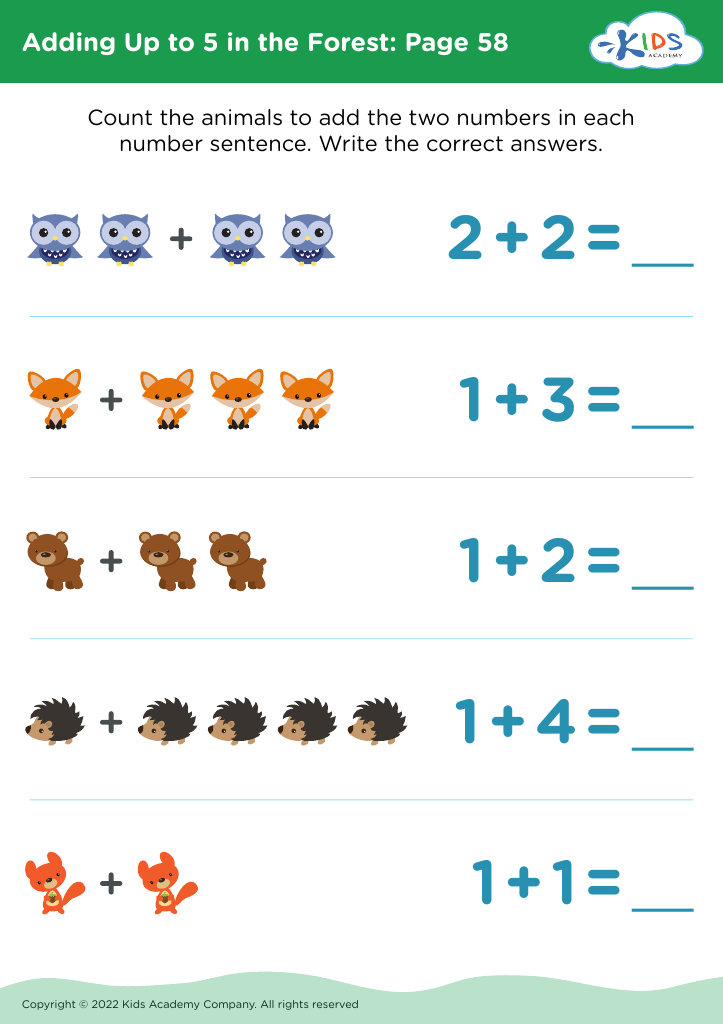
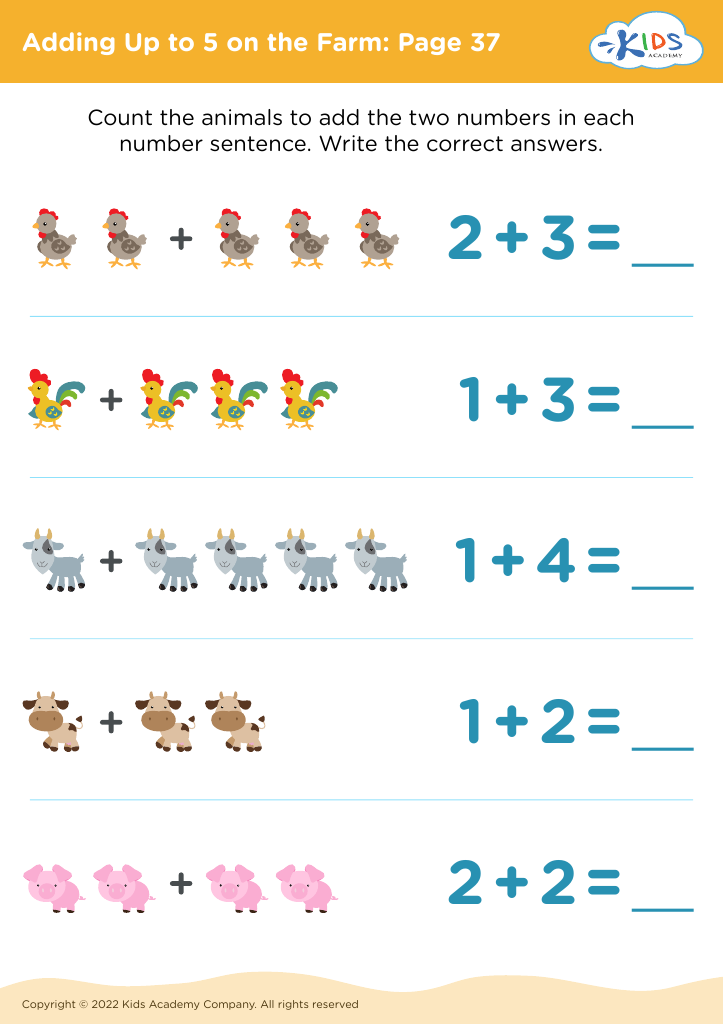
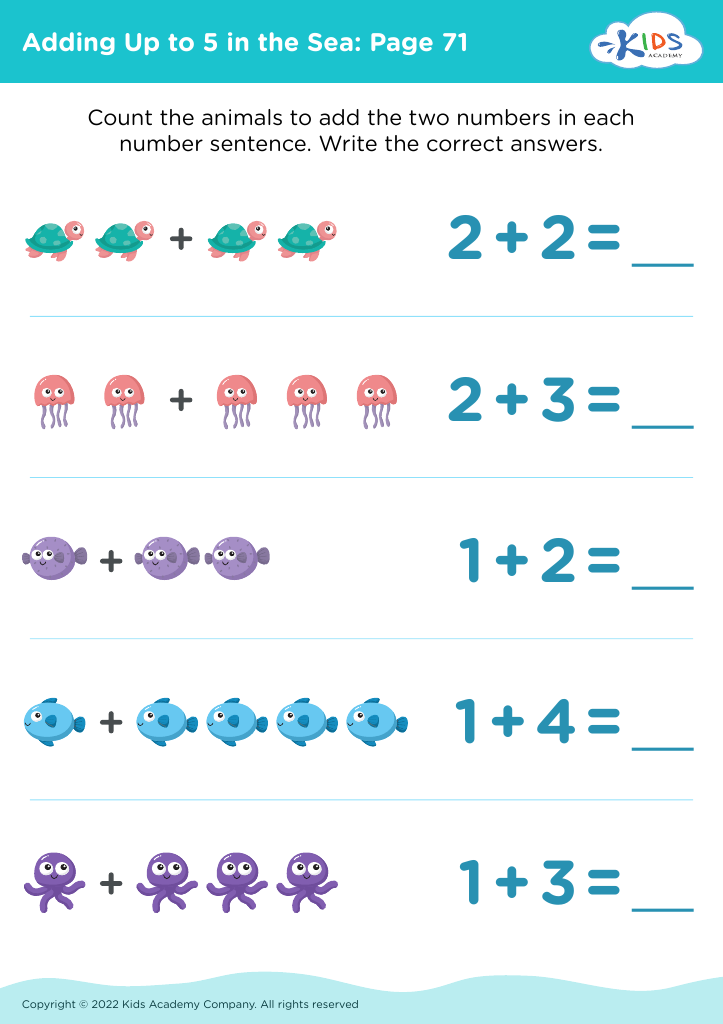
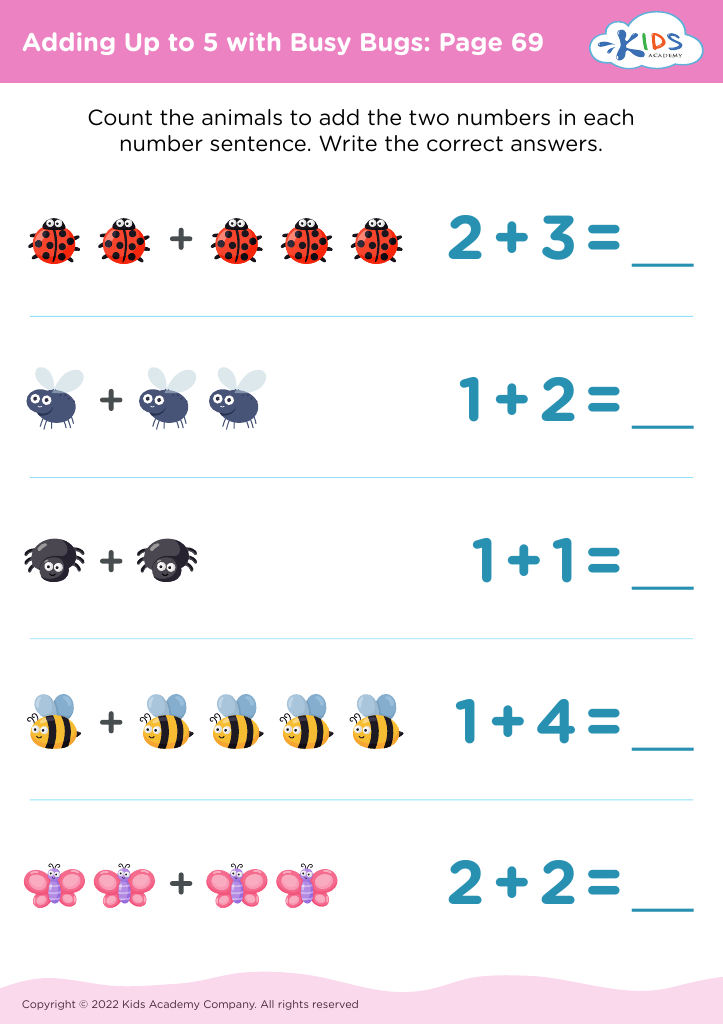
Welcome to our "Understanding Numeracy Worksheets for 4-Year-Olds" page! These engaging and interactive worksheets are designed to introduce young learners to the fundamentals of numeracy in a fun and playful manner. Tailored for preschoolers, our worksheets incorporate colorful visuals and easy-to-follow exercises that help children grasp essential concepts such as counting, number recognition, and basic addition and subtraction. Designed to support early learning, these resources empower kids to build a strong mathematical foundation while enjoying their educational journey. Browse our collection today to foster a love for numbers and enhance your child's numeracy skills effortlessly!





.jpg)

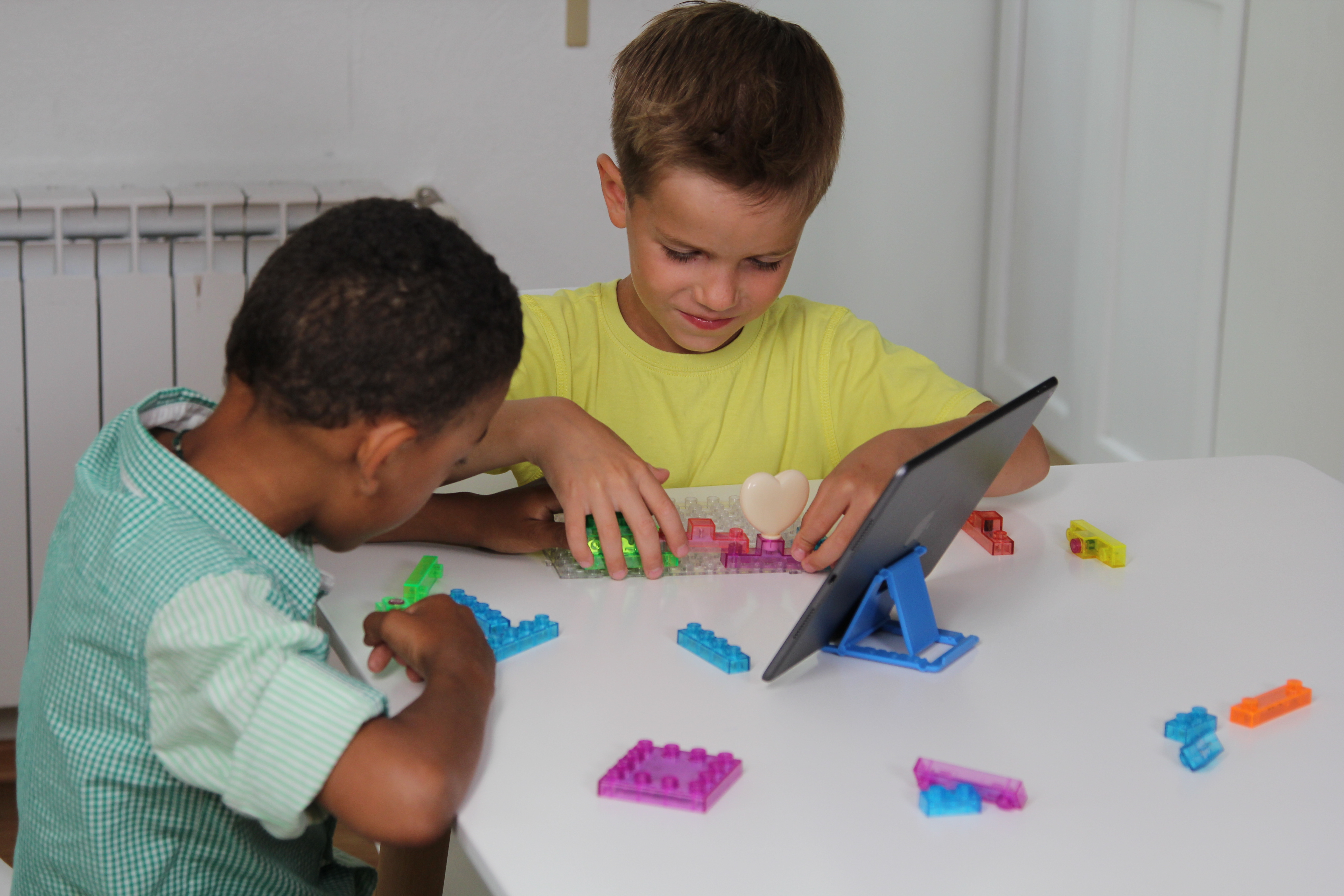
Understanding numeracy in 4-year-olds is crucial for multiple reasons, making it a priority for both parents and teachers. At this age, children are developing foundational skills that will support their future learning in mathematics and problem-solving. Early exposure to numeracy concepts, such as counting, number recognition, and basic operations, fosters cognitive development, improving a child's ability to think critically and logically.
Additionally, strong numeracy skills bolster a child's confidence and enthusiasm for learning. When children feel competent in their mathematical abilities, they are more likely to engage with the subject and approach challenges with a positive mindset. Parents and teachers play a vital role in nurturing this confidence. Through playful activities and practical applications—such as counting objects, recognizing patterns, or exploring shapes—they can make learning enjoyable.
Moreover, numeracy knowledge is not only essential for academic success but also for everyday life skills, such as budgeting, cooking, and managing time. Understanding numeracy empowers children to navigate their world effectively. By prioritizing numeracy development in early childhood, parents and teachers lay a strong educational groundwork, ensuring that children thrive both academically and personally as they progress through life.








