Problem Solving Addition Worksheets for 4-Year-Olds
12 filtered results
-
From - To
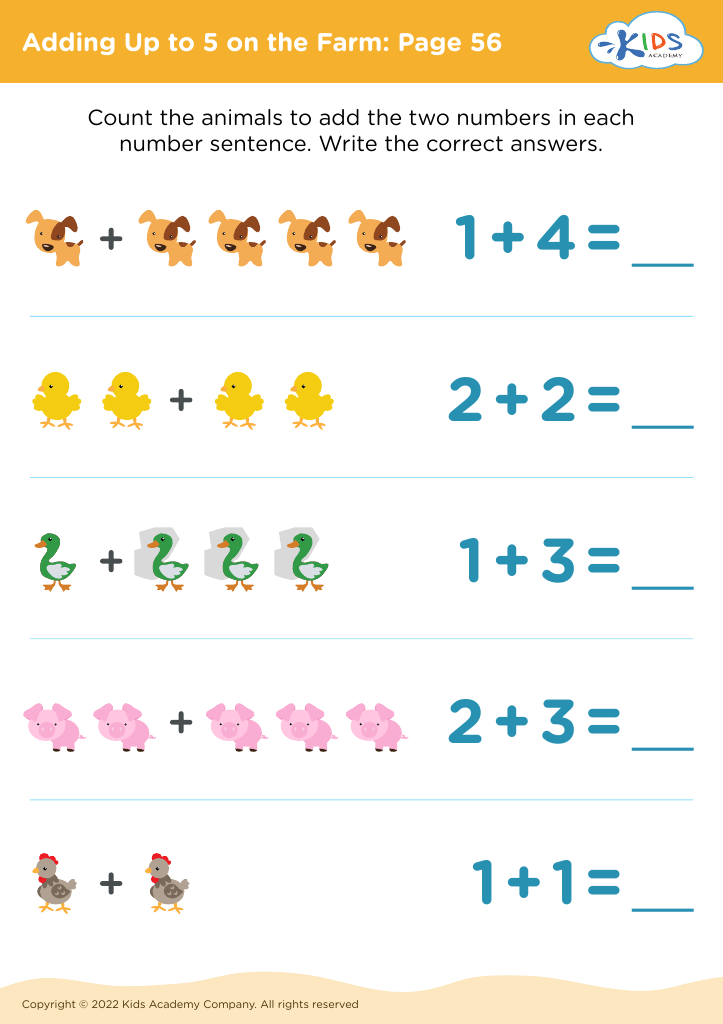
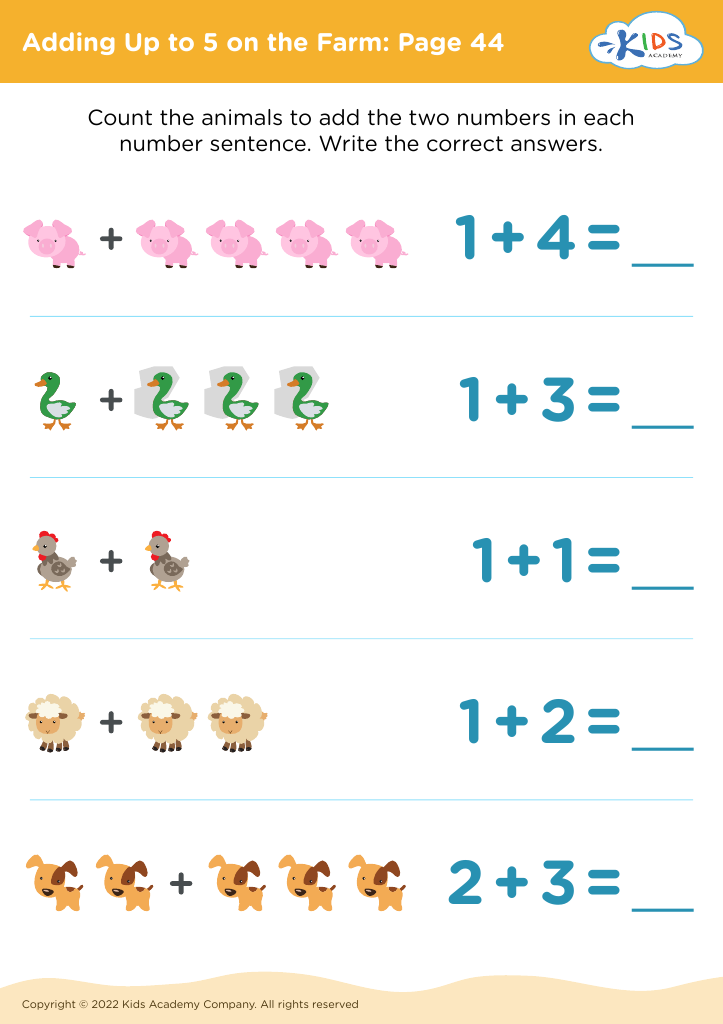
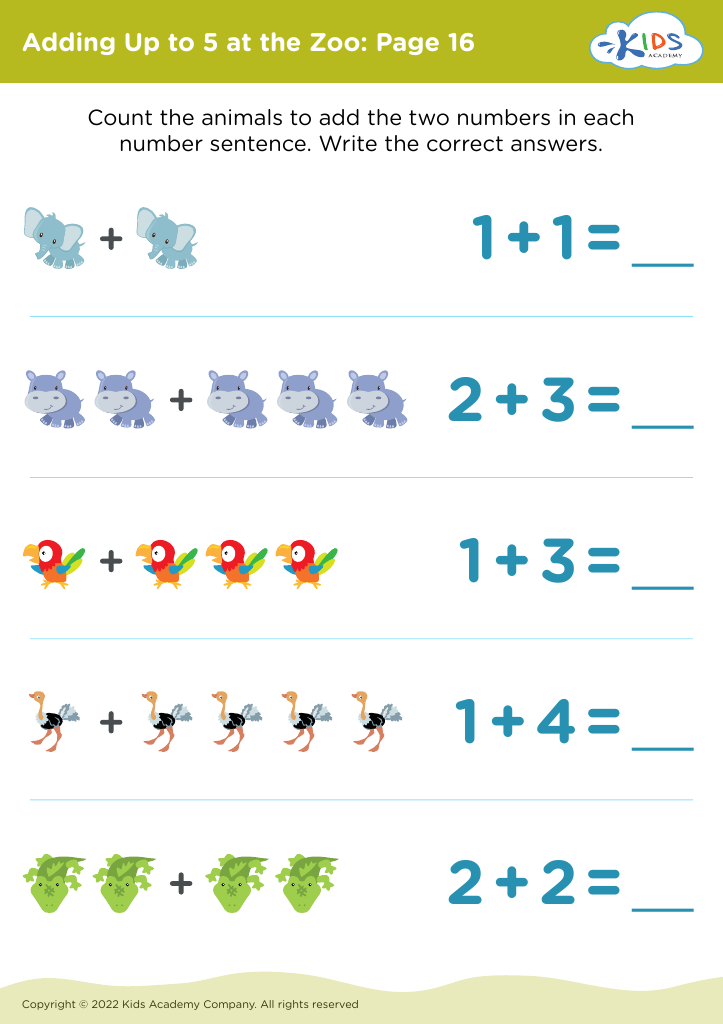
Unlock the fun of learning with Problem Solving Addition Worksheets tailored for 4-year-olds! Designed to boost early math skills and critical thinking, these engaging worksheets transform basic addition into playful problem-solving activities. Each sheet offers colorful illustrations and relatable scenarios to keep your little learner interested and motivated. By combining practical situations with simple sums, children not only learn to add but also understand the 'why' behind the numbers. These worksheets are perfect for preschoolers ready to tackle their first math challenges in an enjoyable, confidence-building way. Make learning math an adventure they’ll love!
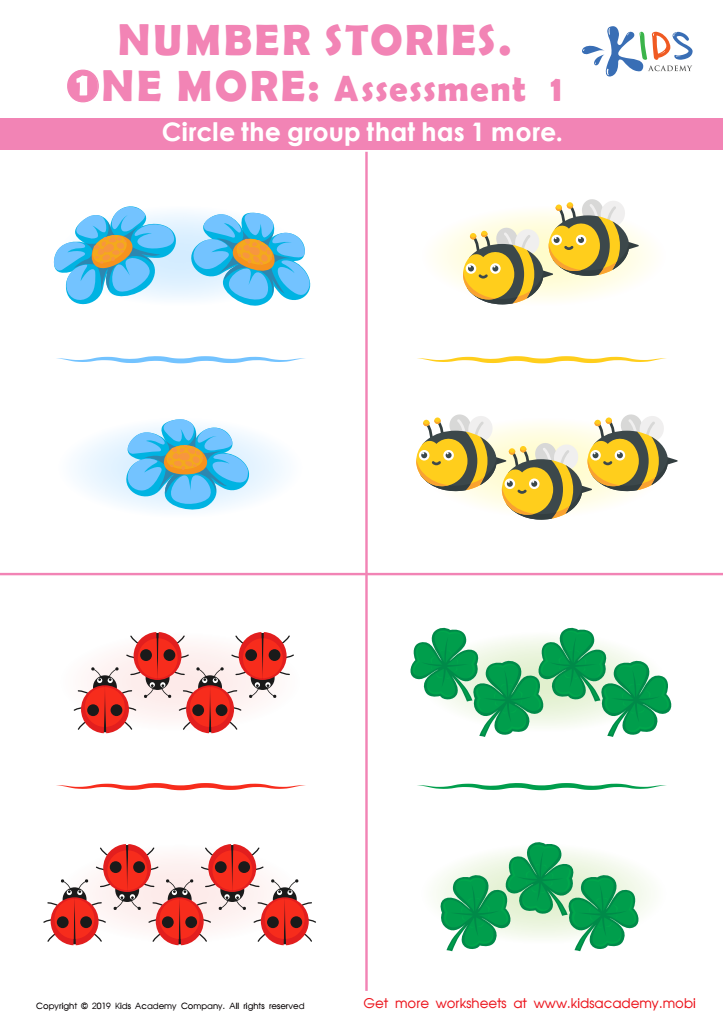
Number Stories One More – Assessment 1 Worksheet
 Assign to My Students
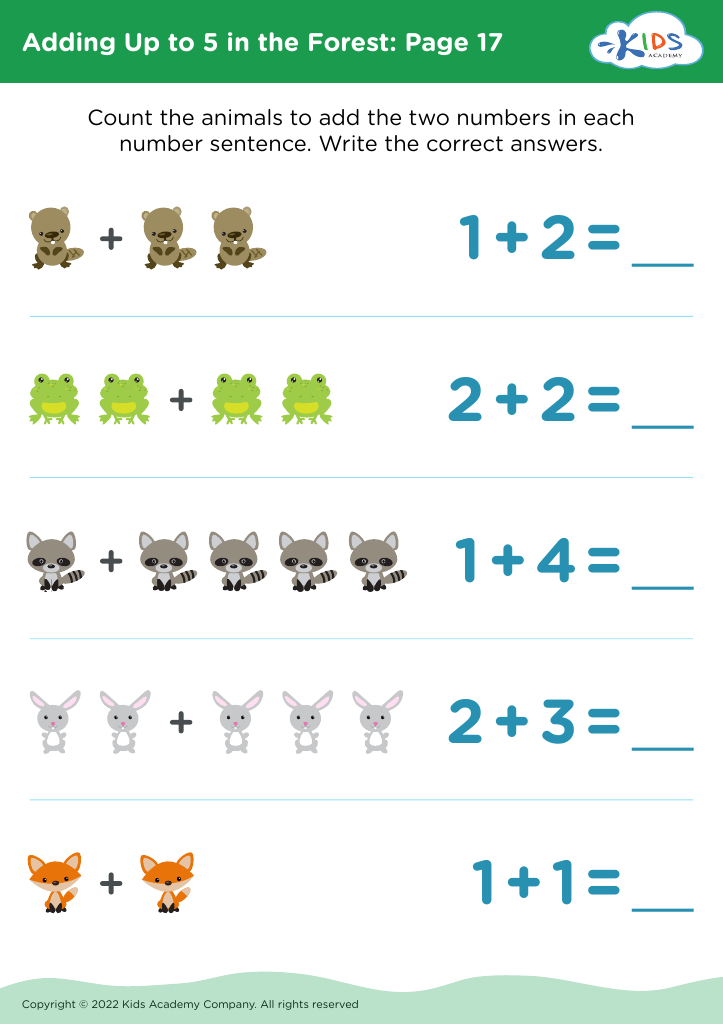
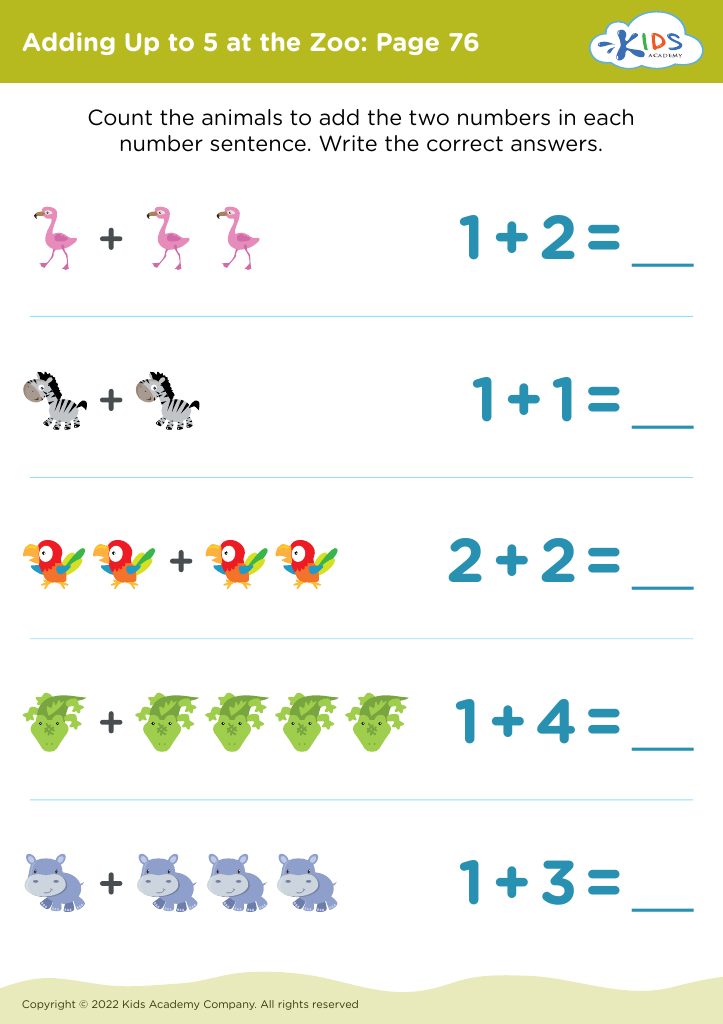
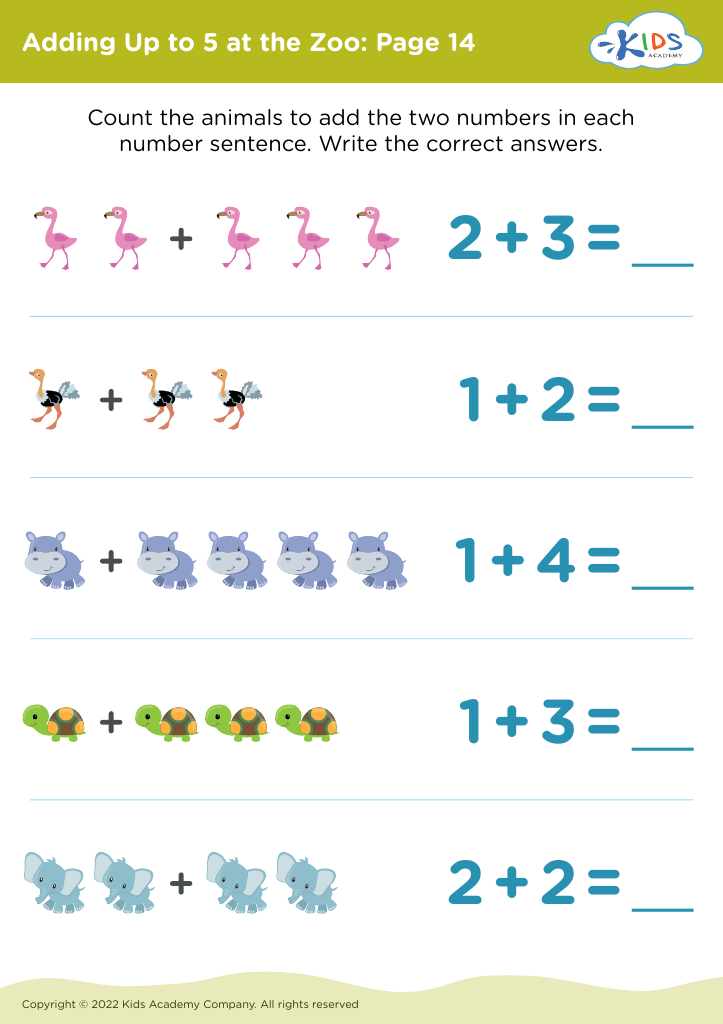
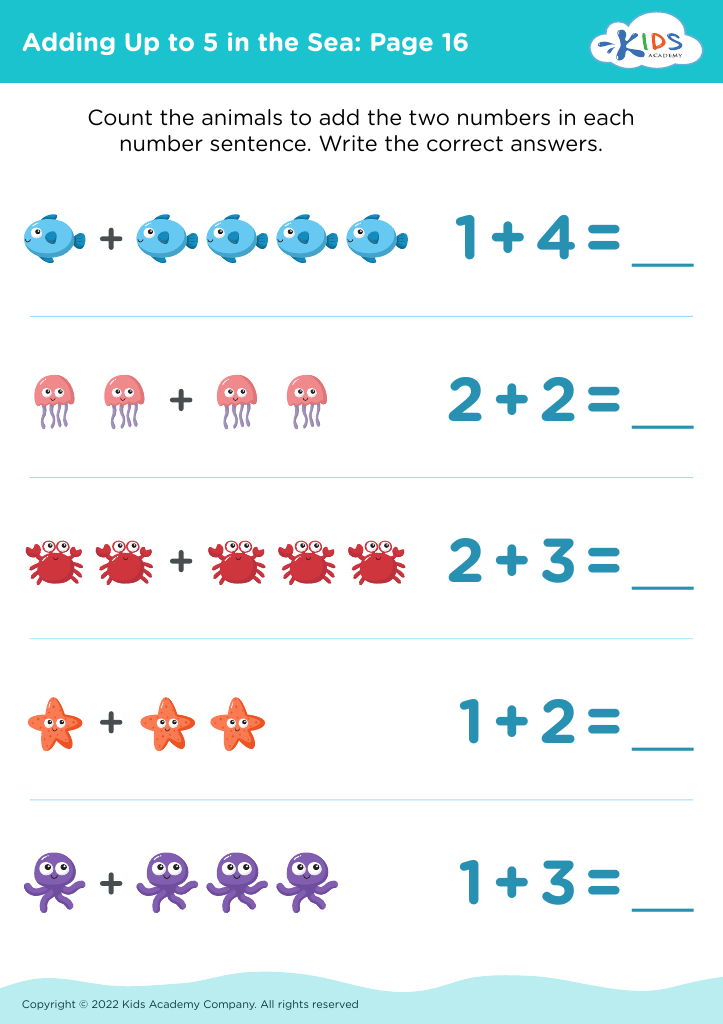
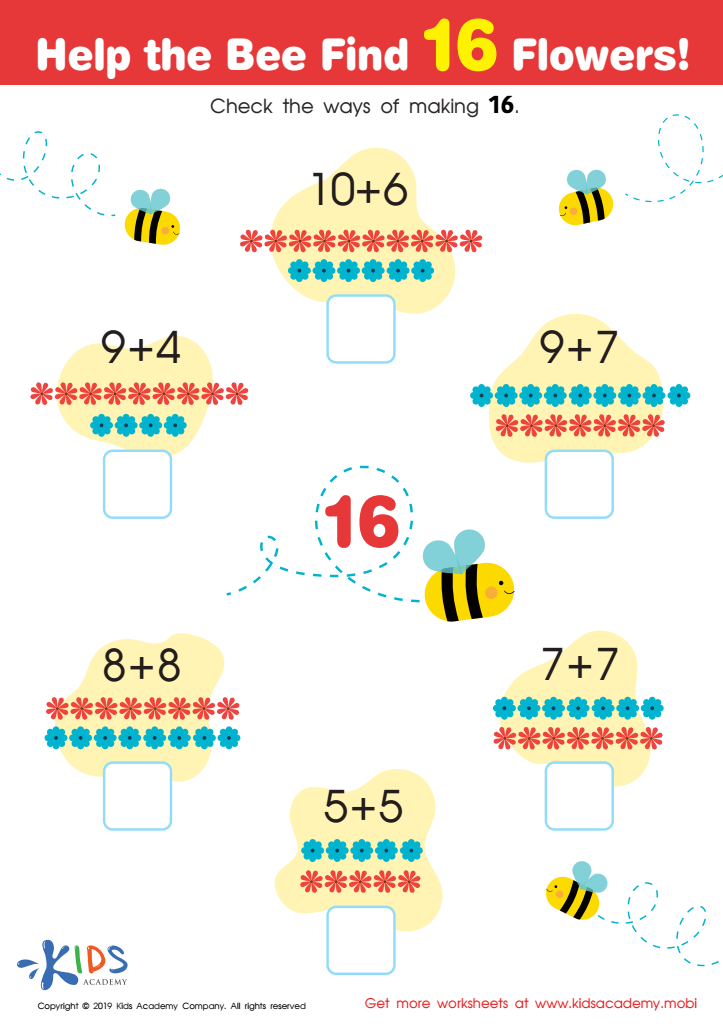
Help the Bee Find 16 Flowers Worksheet


.jpg)





Parents and teachers should care about problem-solving addition for 4-year-olds because it lays a critical foundation for future learning and cognitive development. Engaging young children in basic addition exercises fosters early mathematical skills that are essential for more complex math concepts they will encounter later. At the age of four, children's brains are highly receptive and adaptable, making it an ideal time to introduce problem-solving activities.
Problem-solving through addition helps to strengthen a child's logical thinking and reasoning abilities. It encourages them to think critically about numbers and relationships, enhancing their analytical skills. Moreover, these activities support the development of fine motor skills and the ability to follow sequential steps, both of which are crucial for academic success in various subjects beyond mathematics.
Additionally, early exposure to math problems can instill a sense of confidence and curiosity in young learners. When children successfully solve problems, they experience a sense of accomplishment that can promote a positive attitude toward education. This early confidence in math can lead to sustained interest and optimism toward tackling challenges in other areas.
Finally, these fundamental skills are often linked to other developmental milestones, including language and social-emotional development, as children often work collaboratively or discuss their thought processes with peers and adults. By prioritizing problem-solving addition, parents and teachers are nurturing well-rounded learners prepared for a lifetime of cognitive growth.








