Basic Math Skills Math Worksheets for 4-Year-Olds - Page 4
79 filtered results
-
From - To
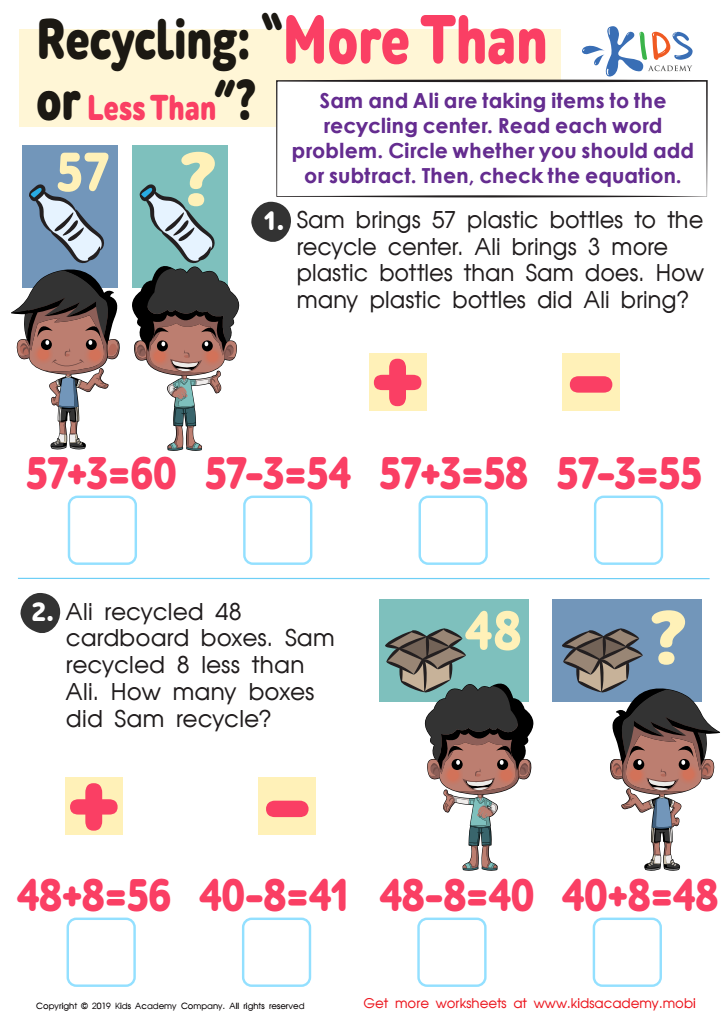
Recycling - More or Less Worksheet
 Assign to My Students
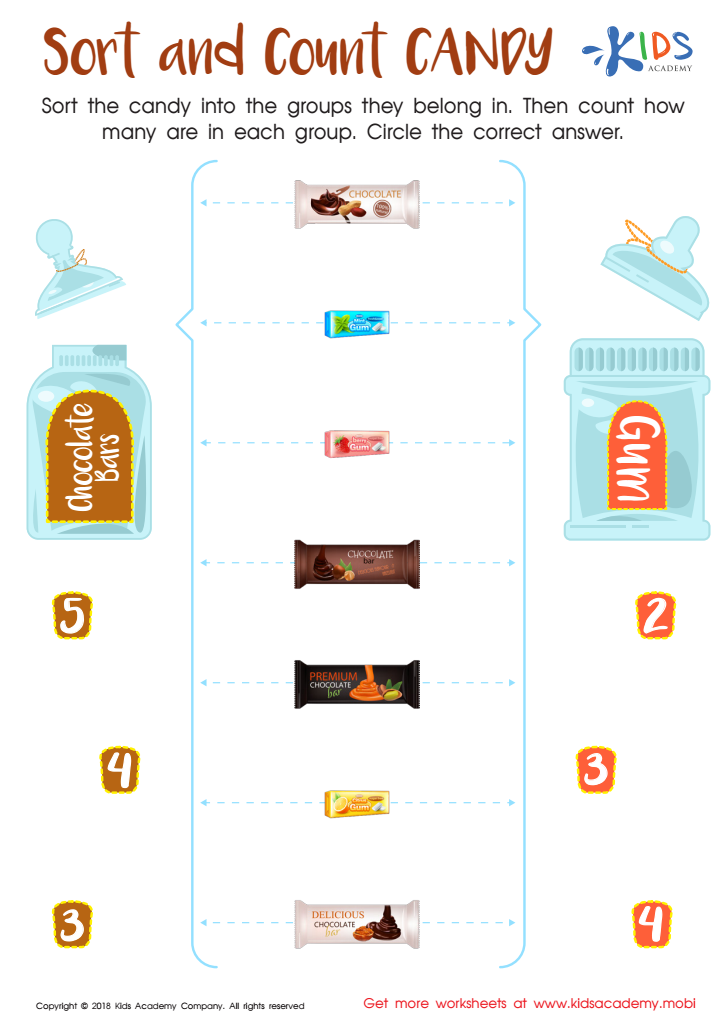
Sort and Count Candy Worksheet
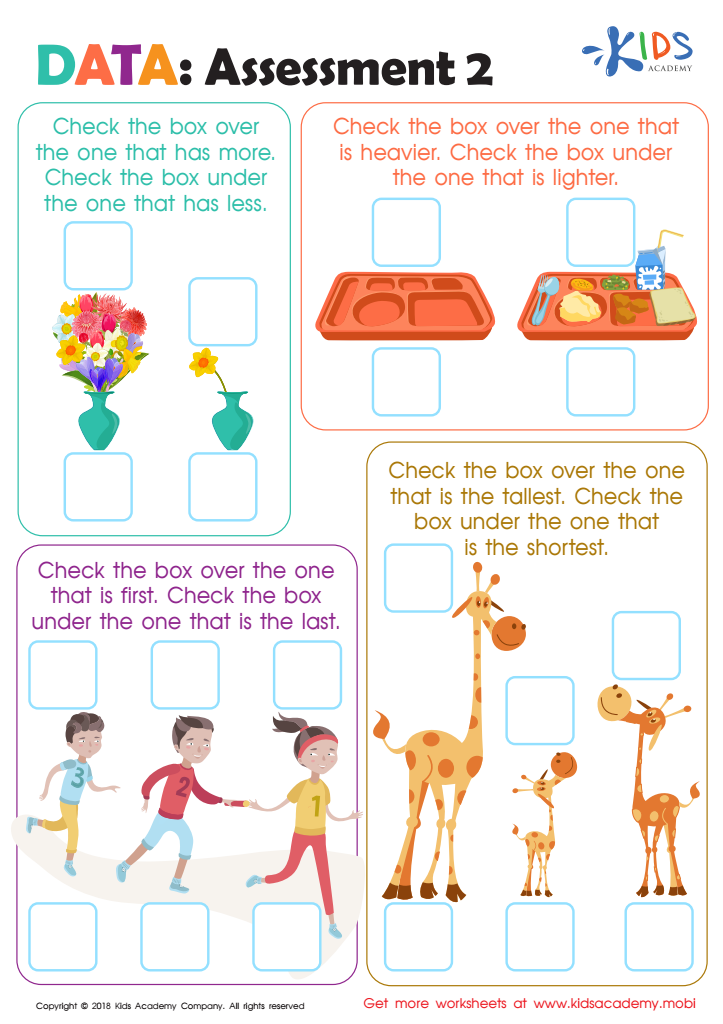
Data: Assessment 2 Worksheet
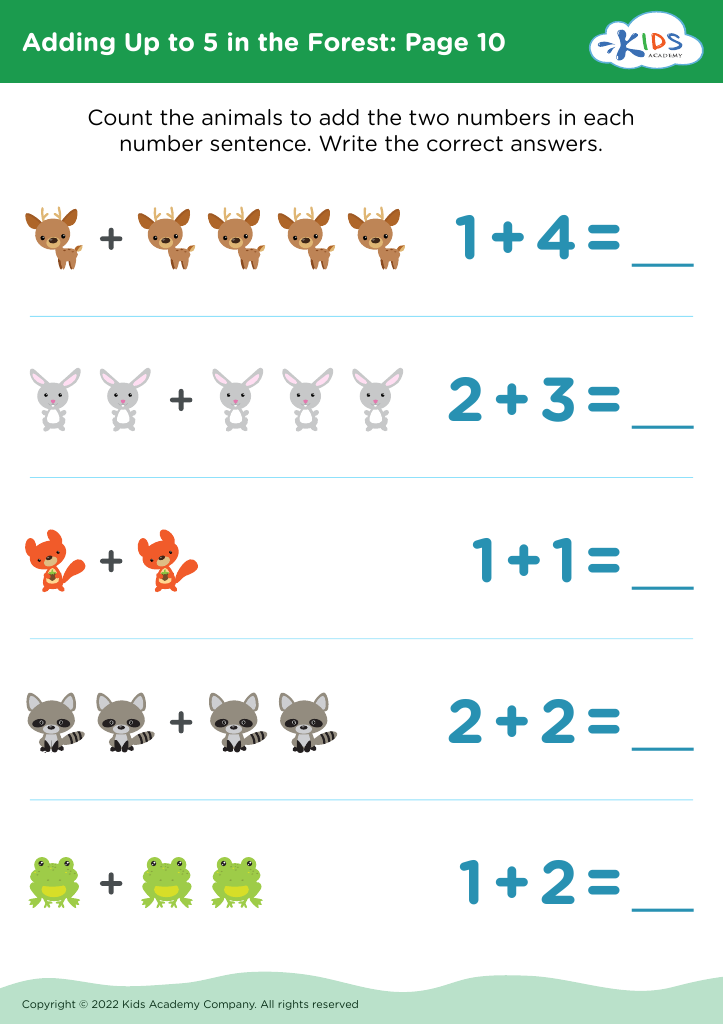
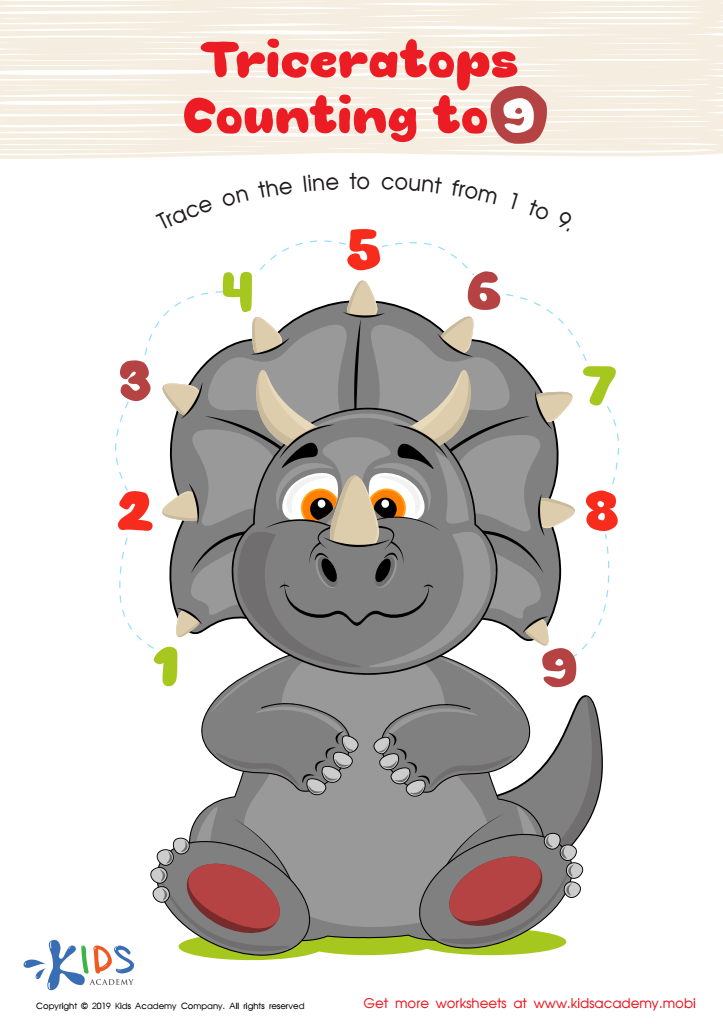
Triceratops Counting to 9 Worksheet
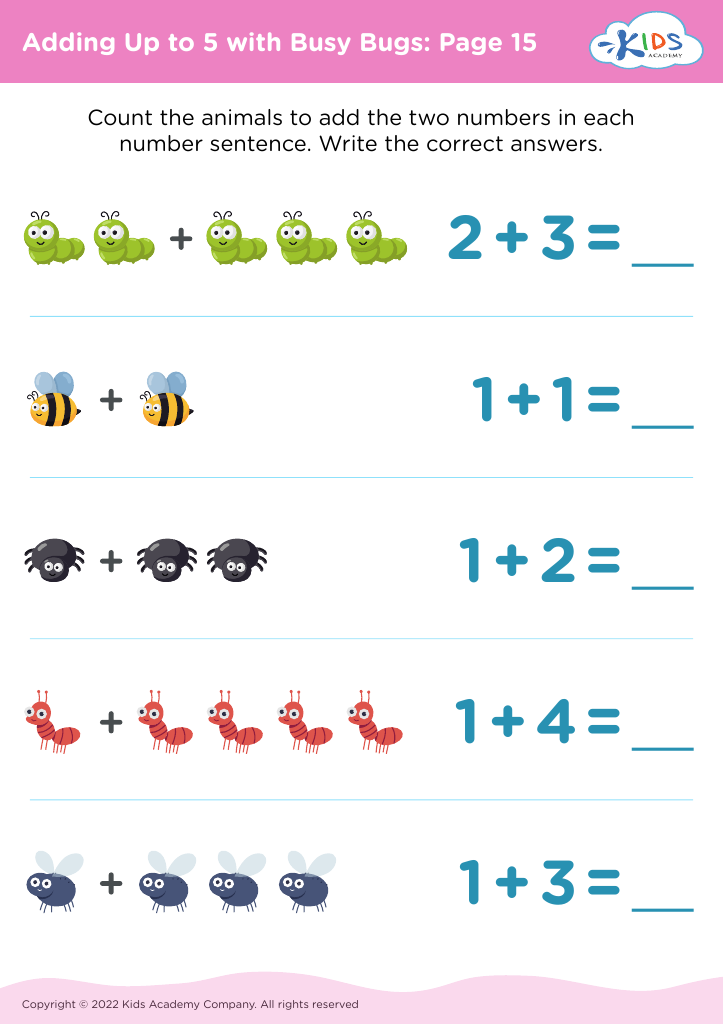
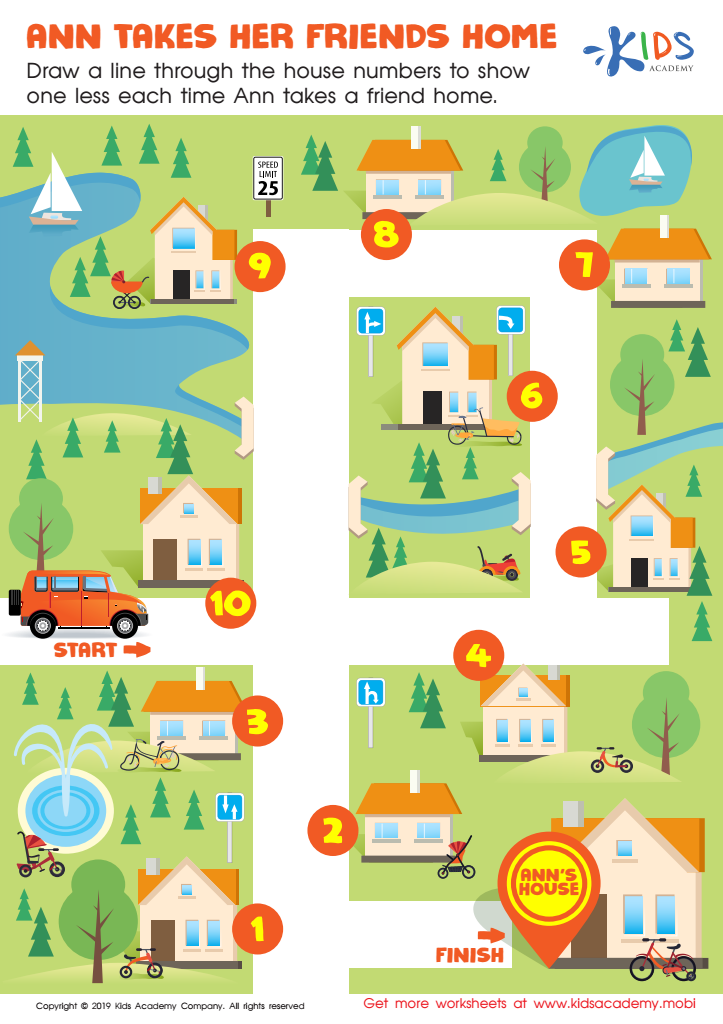
Ann Takes her Friends Home Worksheet







Basic math skills for 4-year-olds are essential for laying the foundation for future learning and development. At this age, children are naturally curious and eager to explore concepts related to numbers, shapes, and patterns. Engaging young learners in basic math activities enhances their cognitive abilities, promoting critical thinking and problem-solving skills.
Teaching basic math helps foster a positive attitude toward learning, ensuring that children approach mathematics with confidence. These early experiences also contribute to language development, as discussing numbers, counting, and comparing fosters vocabulary growth. Furthermore, basic math skills are applicable to daily life, equipping children to understand concepts such as time, money, and measurement.
Parents and teachers play a crucial role by creating a supportive environment where math is seamlessly integrated into everyday activities. Simple games involving counting, shape recognition, and sorting can make math enjoyable and interactive. This early exposure not only instills skills but also reinforces the idea that math is a useful and fun part of life. Ultimately, prioritizing basic math skills at an early age sets a strong learning trajectory, encouraging children to engage with more complex mathematical concepts in the future.








