Enhancing fine motor skills Math Worksheets for 4-Year-Olds
3 filtered results
-
From - To
Discover our engaging collection of math worksheets designed specifically for enhancing fine motor skills in 4-year-olds. These worksheets combine fun activities with essential early math concepts, helping children develop hand-eye coordination and small muscle movements. Each worksheet features colorful illustrations and interactive tasks, making learning enjoyable while promoting skills such as tracing, counting, and number recognition. Our resources cater to various learning styles and encourage independent practice, providing a solid foundation for future academic success. Explore our age-appropriate exercises that nurture both fine motor skills and essential math abilities, ensuring an enriching early learning experience for your child.
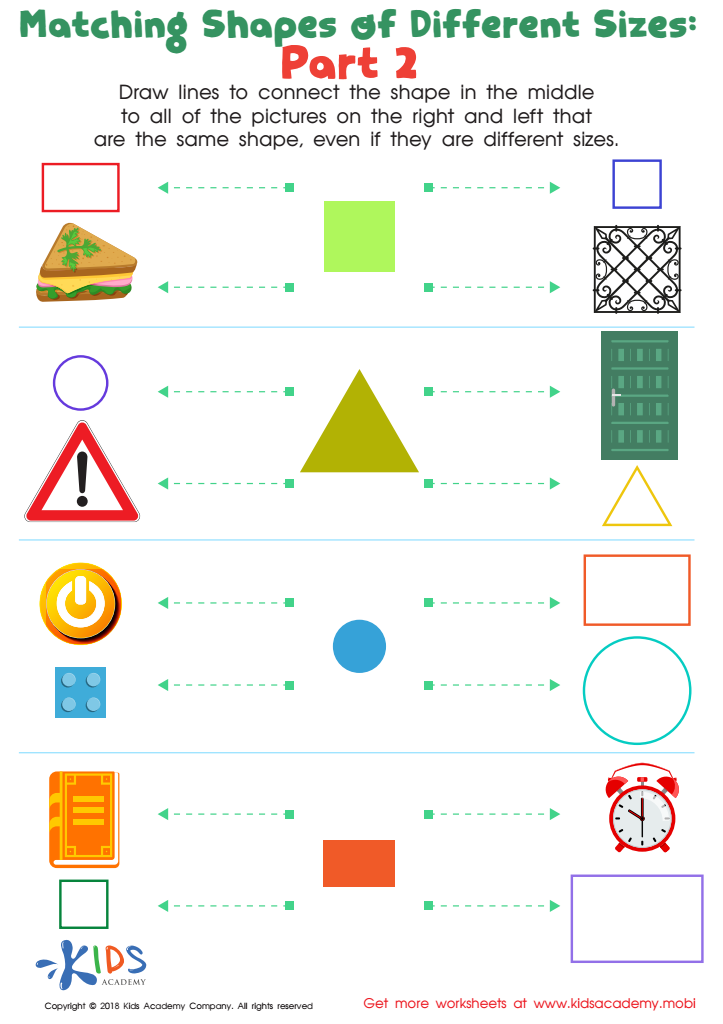
Geometry: Part 2 Worksheet
 Assign to My Students
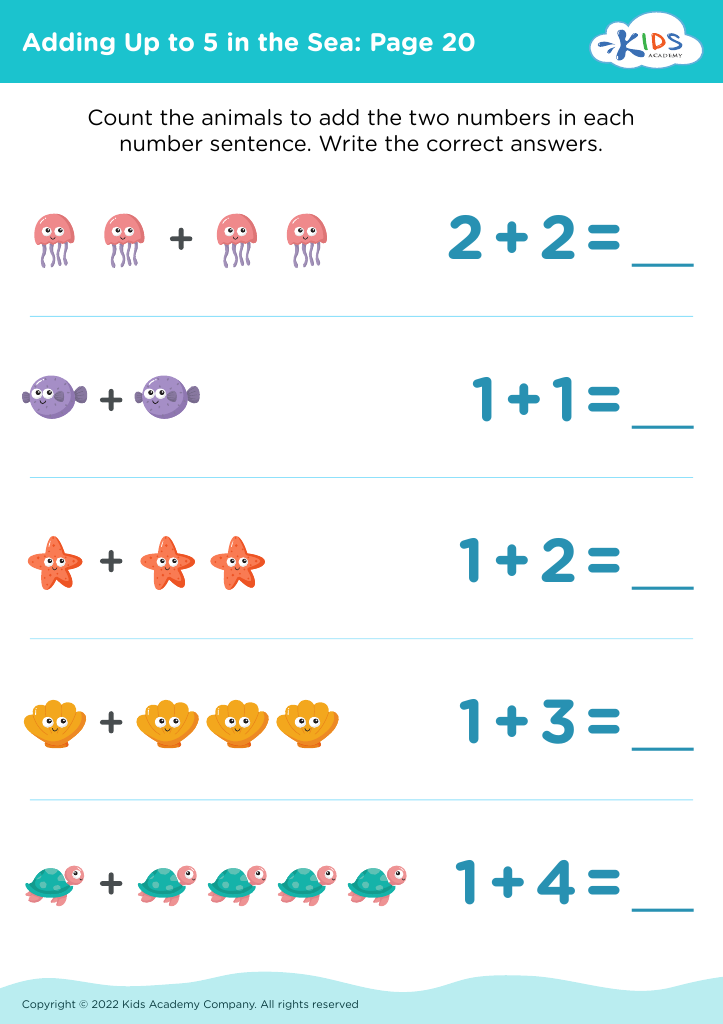
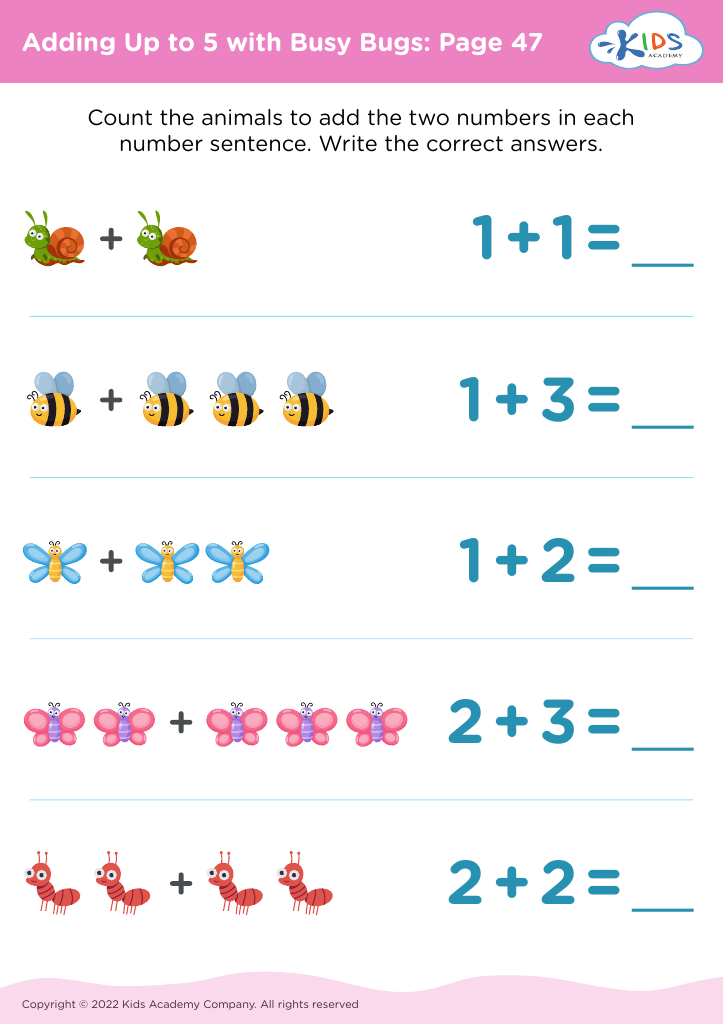








Enhancing fine motor skills in 4-year-olds is crucial for several reasons, especially in relation to mathematics. Fine motor skills involve the use of small muscles in the hands and fingers, which are essential for numerous tasks, including writing, cutting, and manipulating objects. When 4-year-olds engage in activities that develop these skills, they also inadvertently strengthen their mathematical understanding.
At this age, children are naturally curious and eager to explore the world around them. By introducing activities that combine fine motor skills with math concepts—such as sorting, counting beads, or playing with building blocks—parents and teachers can create a fun and engaging learning environment. These activities require children to practice hand-eye coordination, dexterity, and precision, all while developing spatial awareness and problem-solving abilities.
Furthermore, fostering fine motor skills at an early age lays the foundation for later academic success. Children who struggle with these skills may find it challenging to perform math tasks that require writing numbers or managing physical manipulatives. Prioritizing fine motor skill development ultimately supports holistic growth, empowering children to navigate math concepts with confidence and ease. Investing time in these activities improves their motor proficiency and enhances their overall learning experience in the early educational years.








