Fine motor development Math Worksheets for 4-Year-Olds
6 filtered results
-
From - To
Looking for engaging ways to boost your child's fine motor skills while learning math? Our Fine Motor Development Math Worksheets for 4-Year-Olds are perfect for you! Designed by early childhood education experts, these printable worksheets offer fun, hands-on activities that enhance your child's hand-eye coordination and precision. From tracing shapes and numbers to simple puzzles and counting exercises, each task aims to develop dexterity and mathematical understanding. Start building foundational motor skills and making math fun today. Download now from Kids Academy and watch as your child's cognitive and fine motor abilities flourish!
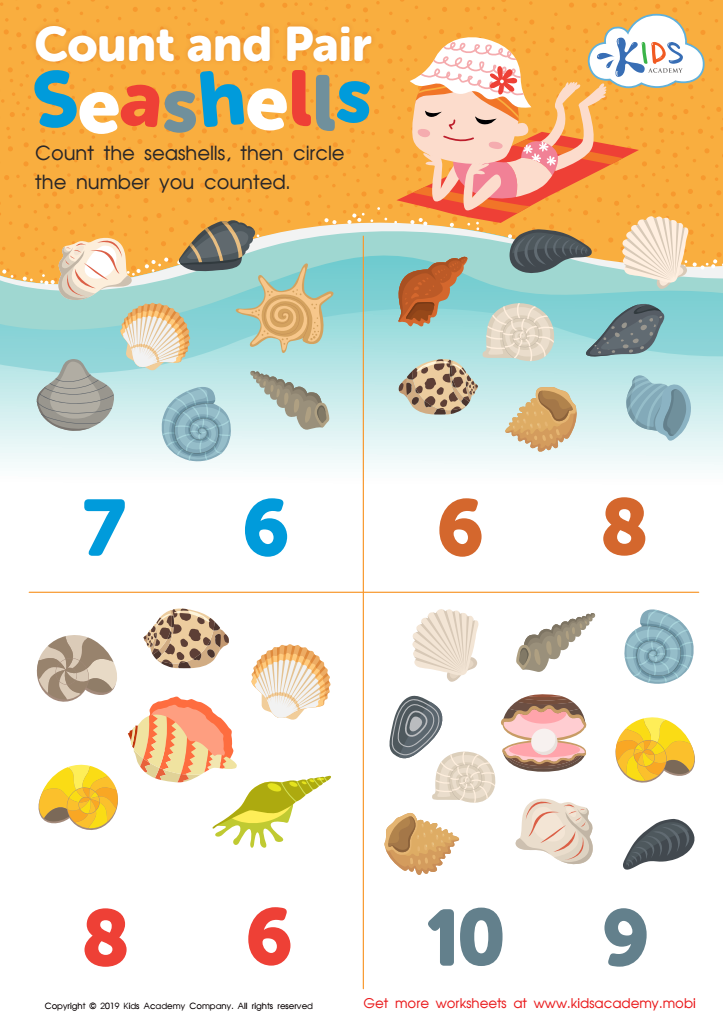
Count and Pair Seashells Worksheet
 Assign to My Students
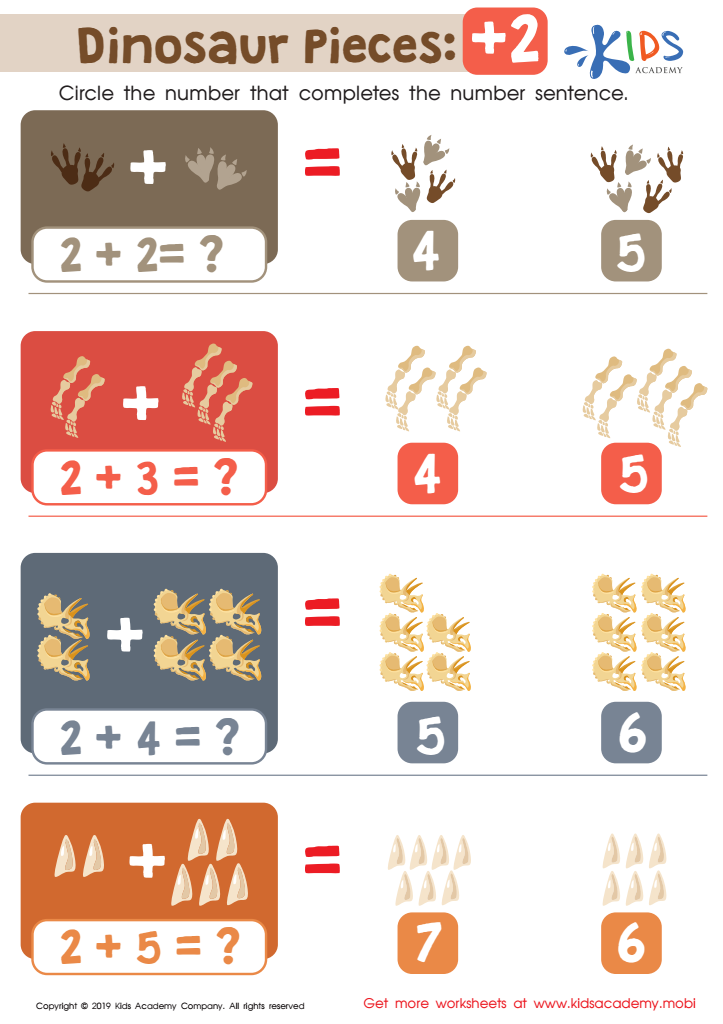
Dinosaur Pieces: +2 Worksheet
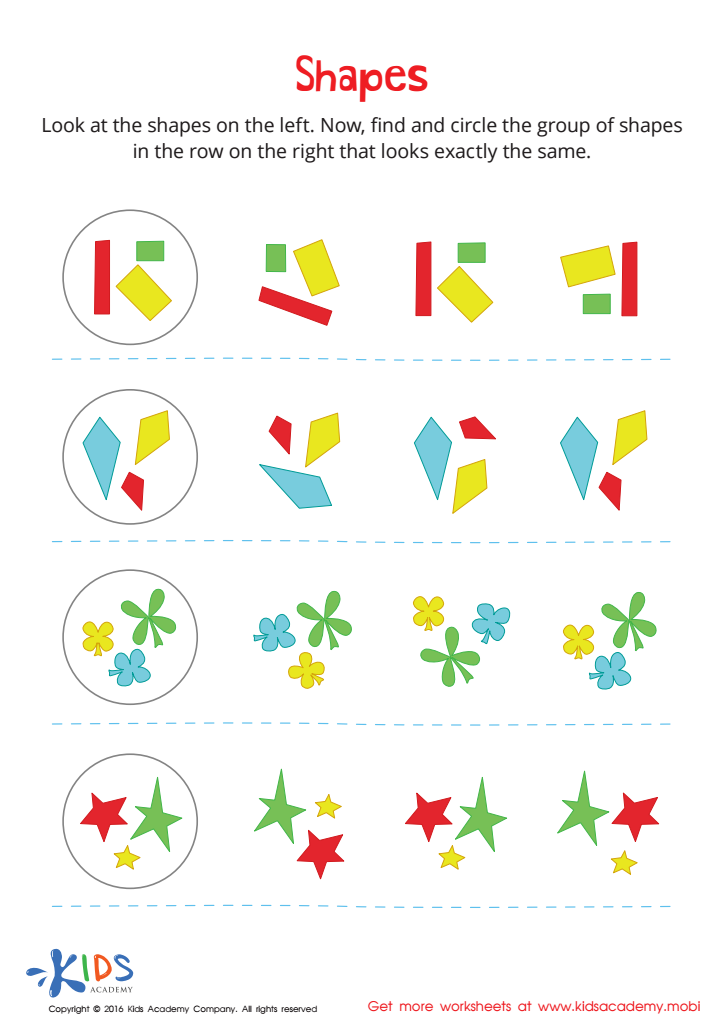
Shapes Worksheet
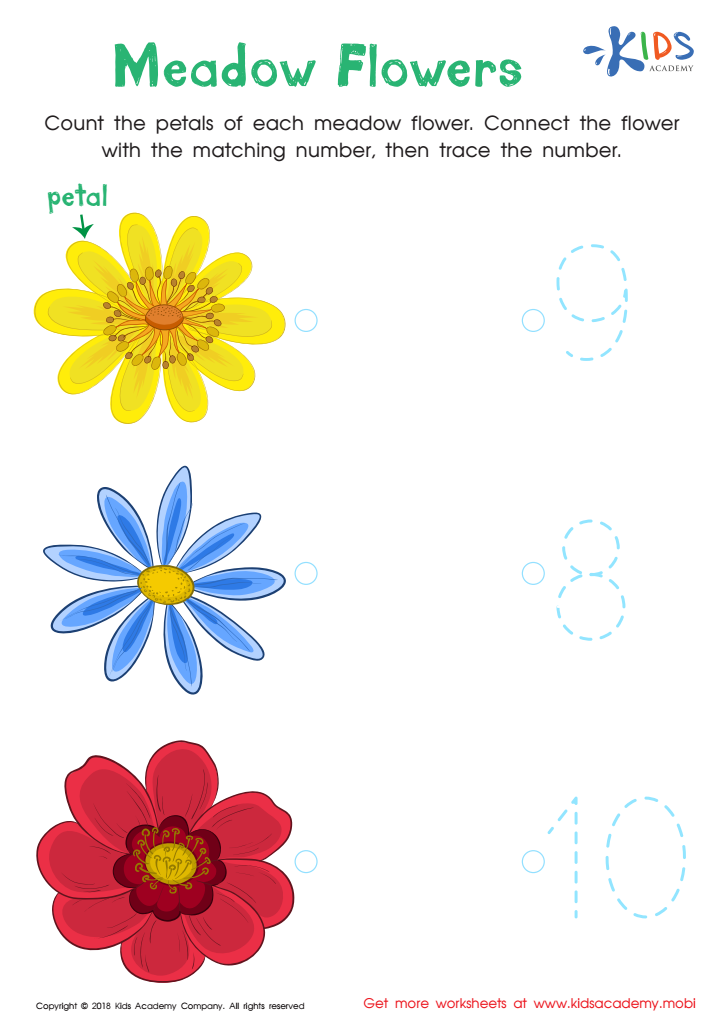
Kindergarten Number Tracing: Medow Flowers Worksheet








Fine motor development is crucial for 4-year-olds as it plays a fundamental role in various areas of learning, particularly in math. Fine motor skills involve the coordination of small muscles, particularly in the hands and fingers, allowing children to perform precise actions, such as gripping a pencil, manipulating small objects, or using scissors. These skills are not only essential for day-to-day tasks but are foundational in supporting early math learning.
Math at this age often involves activities like sorting, patterning, counting, and recognizing numbers. Tasks such as placing counters precisely on a number line, using tweezers to sort small objects, or drawing numbers require fine motor control. Without well-developed fine motor skills, children might struggle with these activities, which can lead to frustration and reduced interest in math.
Furthermore, practicing fine motor activities enhances brain development by forming neural connections that support cognitive processing. Engaging in activities that develop fine motor skills, such as threading beads, playing with building blocks, and drawing shapes, can thus foster a positive and productive early learning experience. Therefore, teachers and parents should care about fine motor development as it directly influences a child's ability to engage in and enjoy math, laying the groundwork for more complex mathematical skills in the future.








