Understanding sequencing Math Worksheets for 4-Year-Olds
4 filtered results
-
From - To
Welcome to our "Understanding Sequencing Math Worksheets for 4-Year-Olds" page! These engaging and colorful worksheets are designed to help young learners grasp the fundamental concept of sequencing in an enjoyable way. Through fun activities, children will develop their ability to recognize patterns, arrange numbers and objects, and enhance their critical thinking skills. Our carefully crafted worksheets encourage hands-on learning, making math approachable for early learners. Ideal for parents and teachers alike, these resources support early childhood education and lay the groundwork for future mathematical understanding. Explore our collection today to inspire your child's love for math through sequencing!
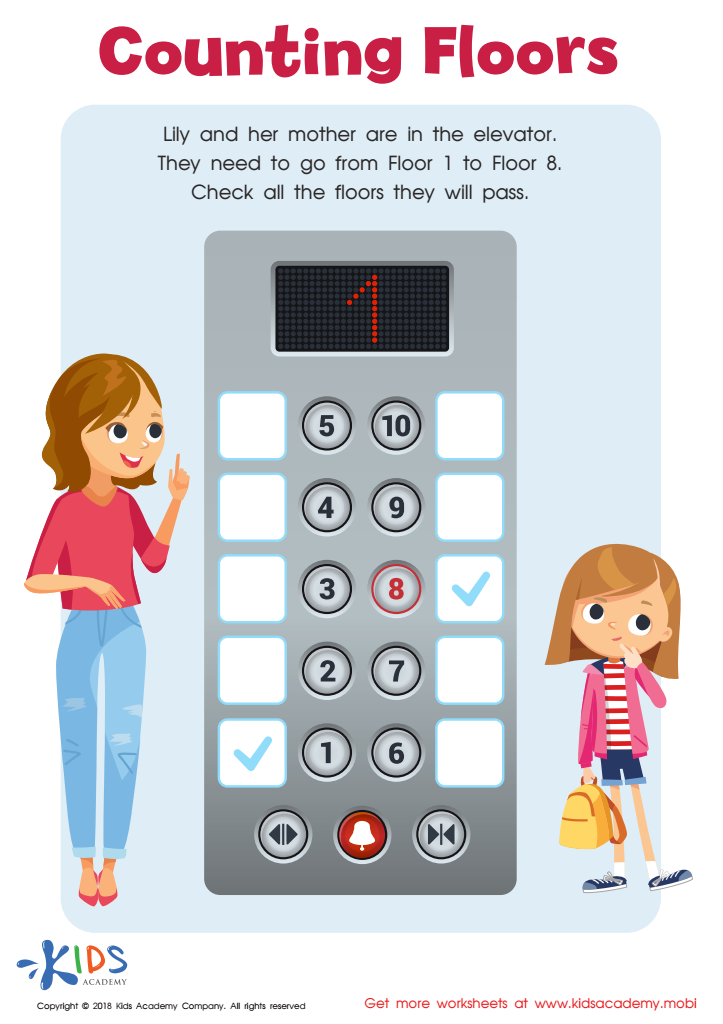
Counting Floors Worksheet
 Assign to My Students
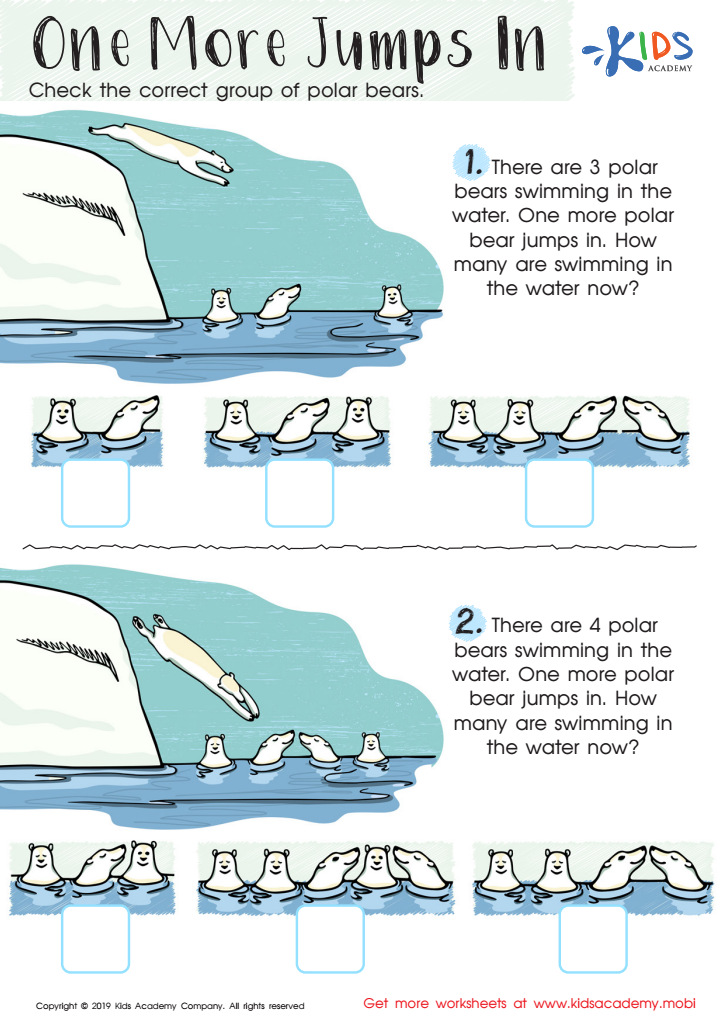
One More Jumps In Worksheet
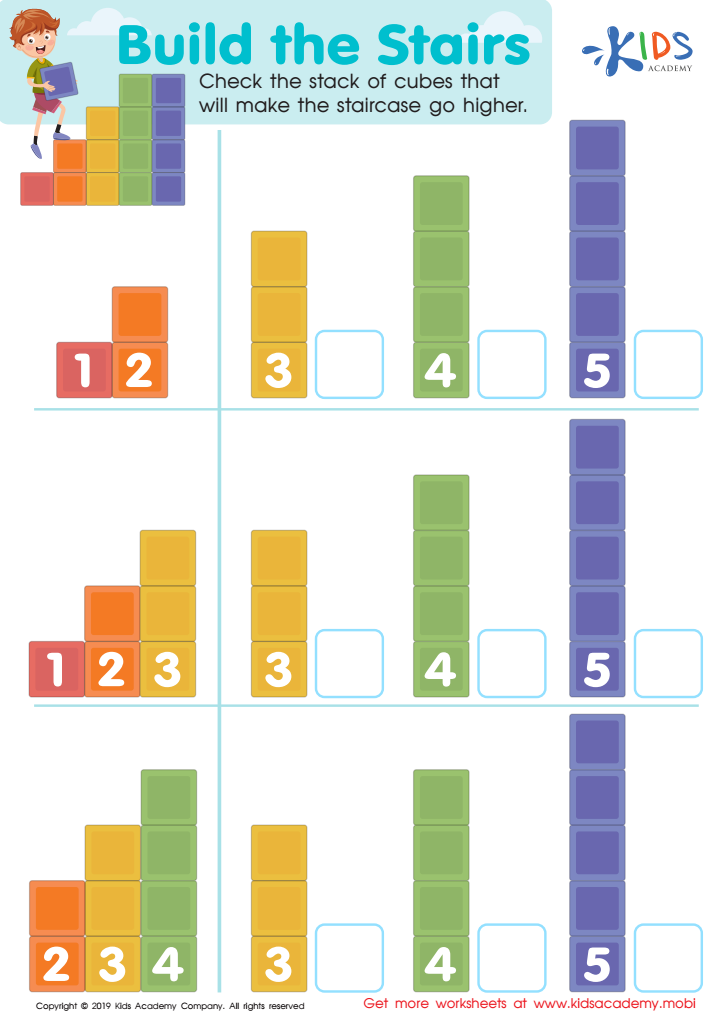
Build the Stairs Worksheet
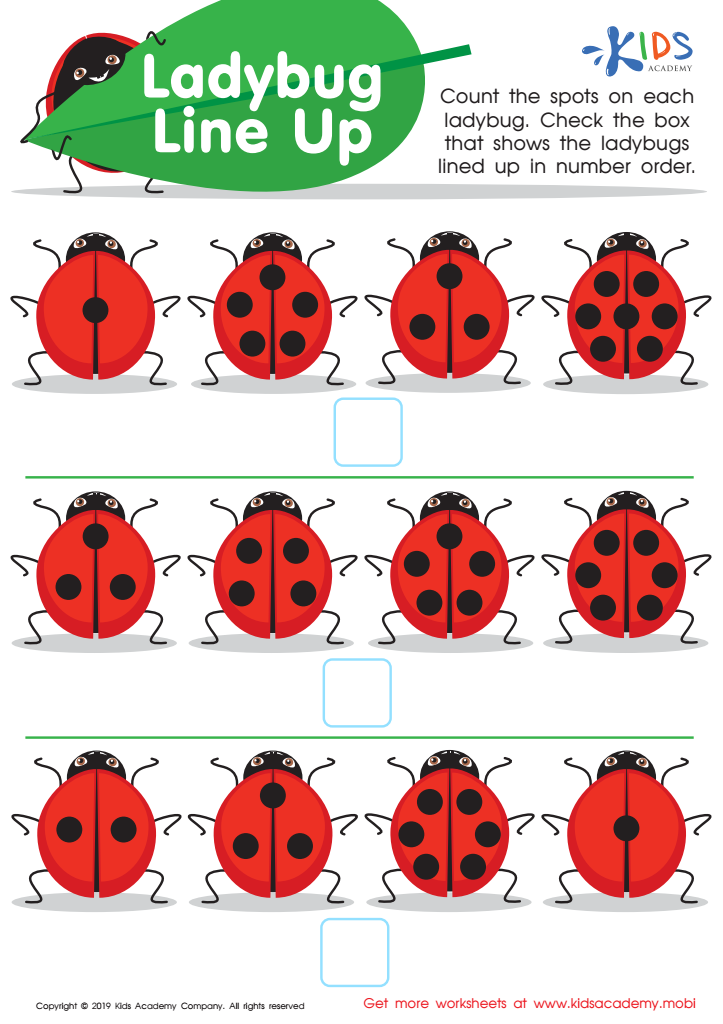
Ladybug Line Up Worksheet







.jpg)
Understanding sequencing in math for 4-year-olds is crucial for several reasons. At this age, children are developing foundational cognitive skills that set the stage for future learning. Sequencing, which involves arranging items or events in a specific order, is integral to various mathematical concepts, including patterns, measurements, and even basic arithmetic.
When parents and teachers emphasize sequencing, they help children enhance their problem-solving and critical-thinking abilities. For example, recognizing the correct order in a number line or following a pattern of shapes lays the groundwork for understanding more advanced mathematical concepts later on. Engaging in sequencing activities, such as sorting blocks by size or arranging images in a story, also nurtures fine motor skills, necessary for writing and geometry.
Moreover, sequencing supports language development. As children discuss their sequencing tasks, they learn to express thoughts clearly, a skill that benefits communication in many other areas. Finally, promoting sequencing creates a strong sense of organization and logic, traits beneficial not just for math but across all learning domains. Ultimately, fostering sequencing skills in young children prepares them for a more confident transition into formal education. Parents and teachers play a critical role in nurturing these foundational proficiencies, ensuring long-term academic success.








