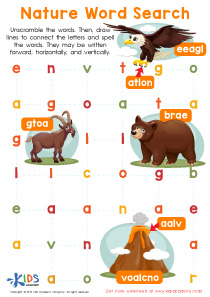
Basic Addition Skills Sight Words Worksheets for 4-Year-Olds
4 filtered results
Difficulty Level
Grade
Age
-
From - To
Subject
Activity
Standards
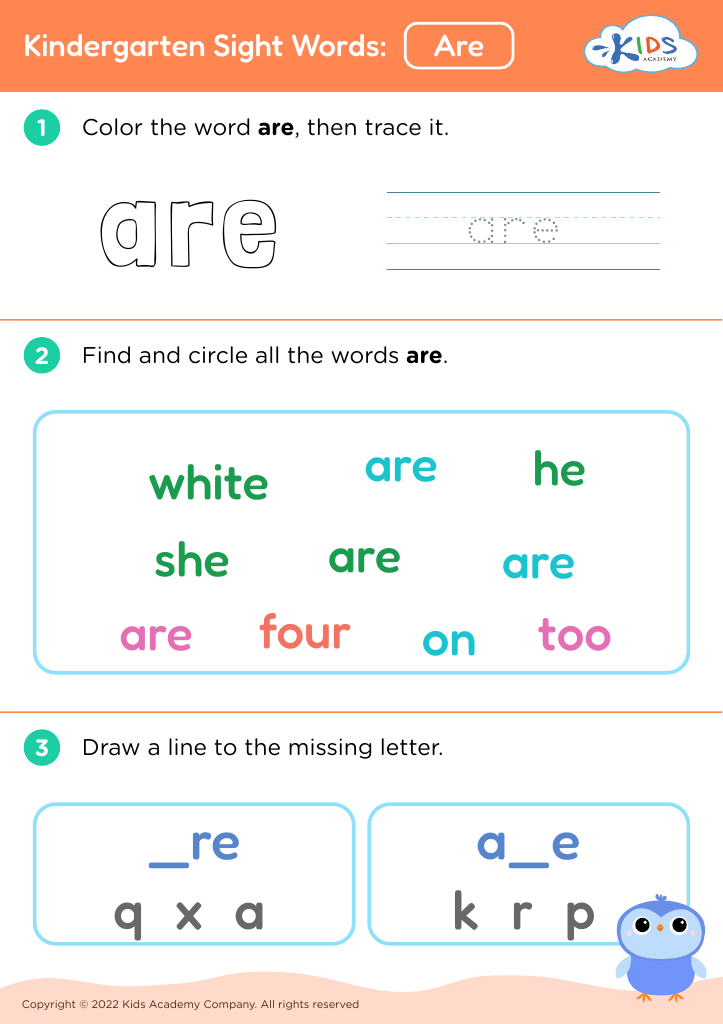
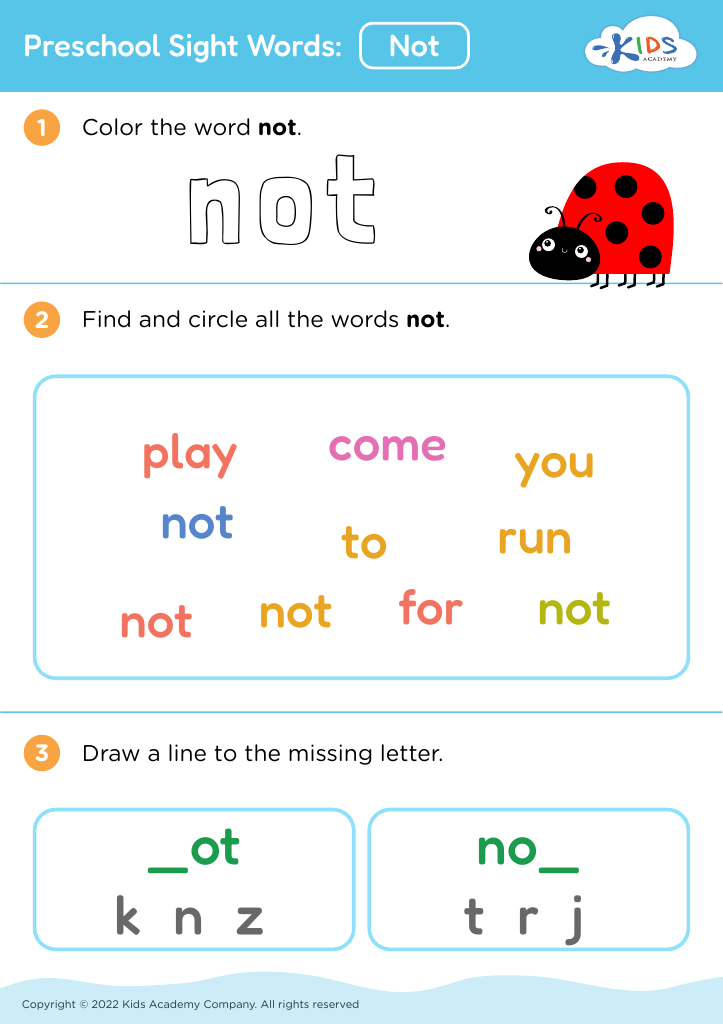
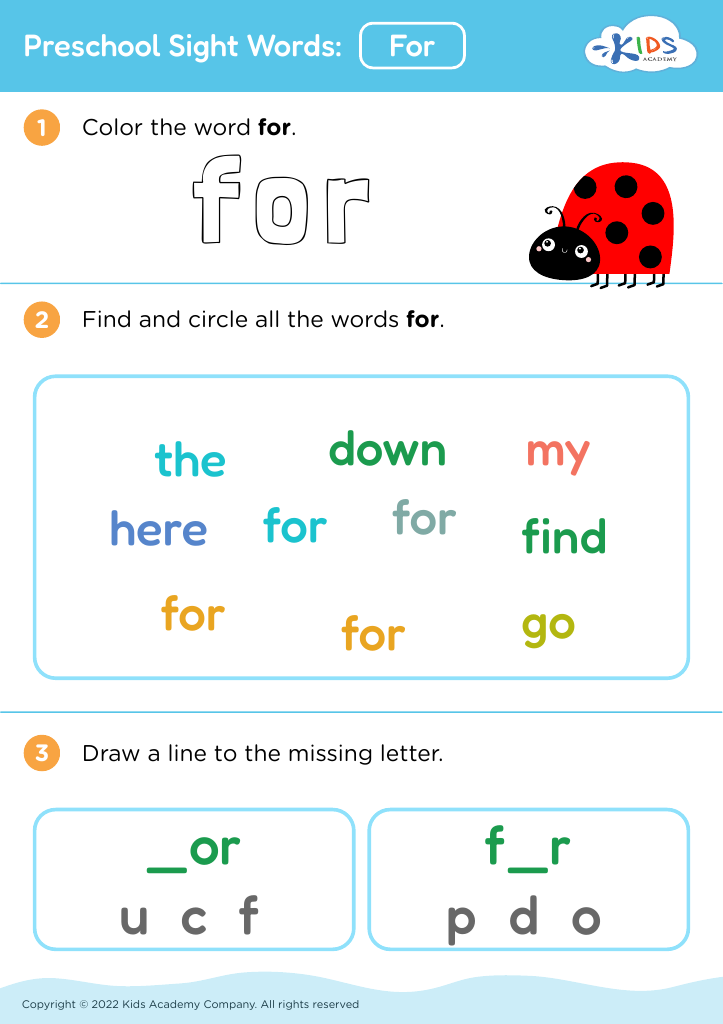
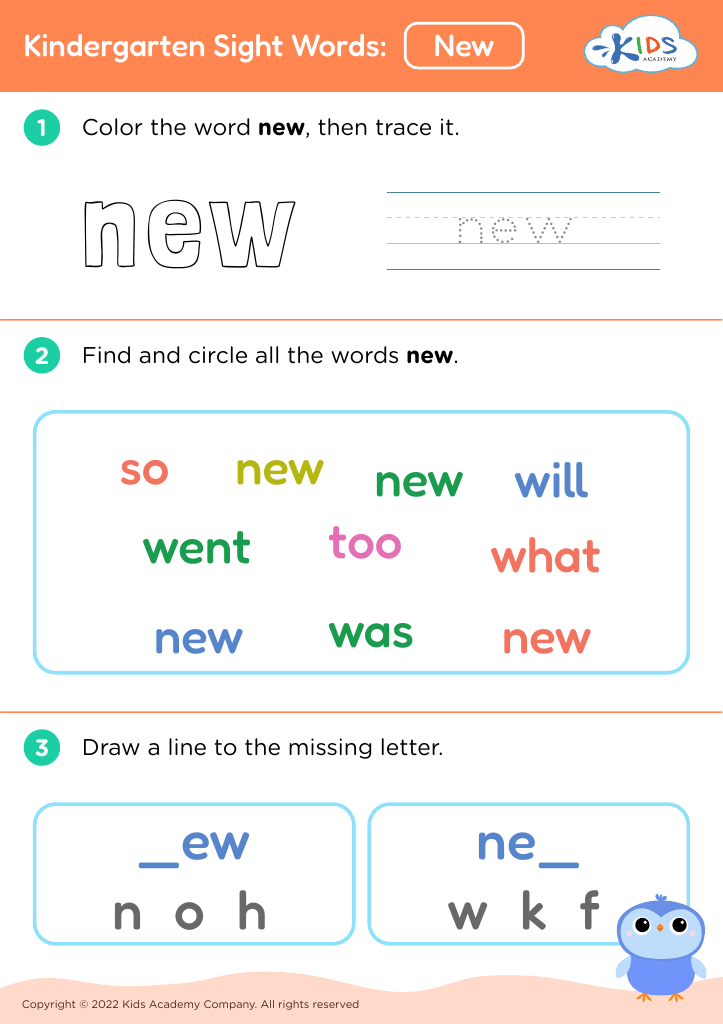
Our "Basic Addition Skills Sight Words Worksheets for 4-Year-Olds" seamlessly blend essential math and reading skills to create a fun and engaging learning experience. Specially designed for young learners, these printable worksheets introduce fundamental addition concepts through easy-to-understand exercises and vibrant visuals. Each worksheet features key sight words, helping children enhance their reading proficiency while mastering basic addition. Perfect for preschoolers, these activities boost confidence, build foundational skills, and foster a love for learning. Download today to give your child a strong start in both math and literacy!
Favorites
With answer key
Interactive




Join Kids Academy for Free
Who is primarily going to use this learning content?






.jpg)

Basic addition skills and sight words are foundational components of early childhood education that parents and teachers should prioritously cultivate in 4-year-olds. Mastering basic addition lays the groundwork for higher mathematical concepts by developing number sense, critical thinking, and problem-solving skills. Engaging with simple addition from a young age makes arithmetic less intimidating and more intuitive as they progress in school, fostering a lifelong appreciation for mathematics.
Simultaneously, sight words—common words children are encouraged to recognize instantly without decoding—play a critical role in early literacy. By familiarizing 4-year-olds with sight words, educators and parents can significantly improve their reading fluency, comprehension, and confidence. Recognizing these words by sight allows children to read more naturally and smoothly, as they won't have to stop and sound out every single word, reducing frustration and encouraging a more enjoyable reading experience.
Building these skills early supports cognitive development and academic performance. Proficiency in basic addition and sight words equips children not only for future academic success but also for effective communication and problem-solving in everyday life. Therefore, integrating these core skills into early learning ensures that children are well-prepared for the more sophisticated challenges of later education stages.