Filters

7 filtered results

Clear all filters
Favorites
With answer key
Interactive

7 filtered results

Difficulty Level

Grade


Boost your child's reading and speaking skills with our Vocabulary Enhancement Letter Sounds Worksheets for Ages 5-6. Designed to make learning fun, these worksheets introduce young learners to the world of phonetics through engaging activities that refine their ability to recognize, pronounce, and use various letter sounds. Perfect for early grade students, these printable materials help build a strong foundation in vocabulary and comprehension. Each worksheet is crafted to enhance reading readiness and support language skills crucial for academic success. Make early learning enjoyable and effective with our expertly designed worksheets.

Check out this FREE Trial Lesson on Letter Sounds for age 5-6!

Letter Sound Relationship N-P

Favorites
With answer key
Interactive
  • 5-6
  • Vocabulary enhancement
  • Letter Sounds
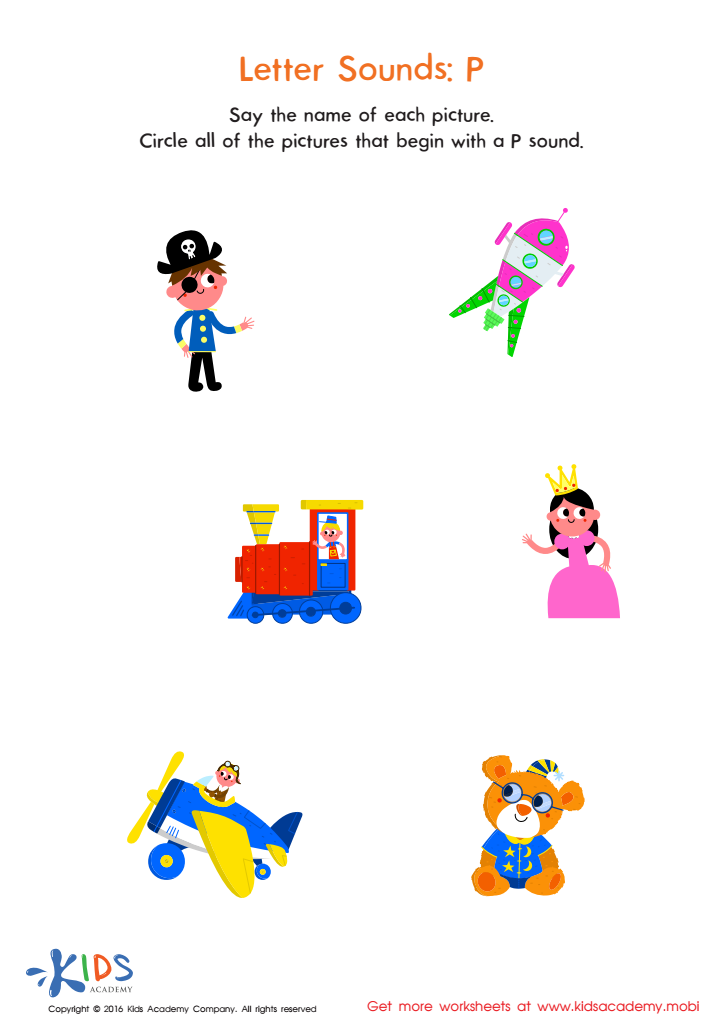
Letter p sound worksheet

Letter P Sound Worksheet

Think P! Kids practice phonics with this fun letter P worksheet. With delightful illustrations, they'll sound out simple words and get closer to reading.
Letter P Sound Worksheet
Worksheet
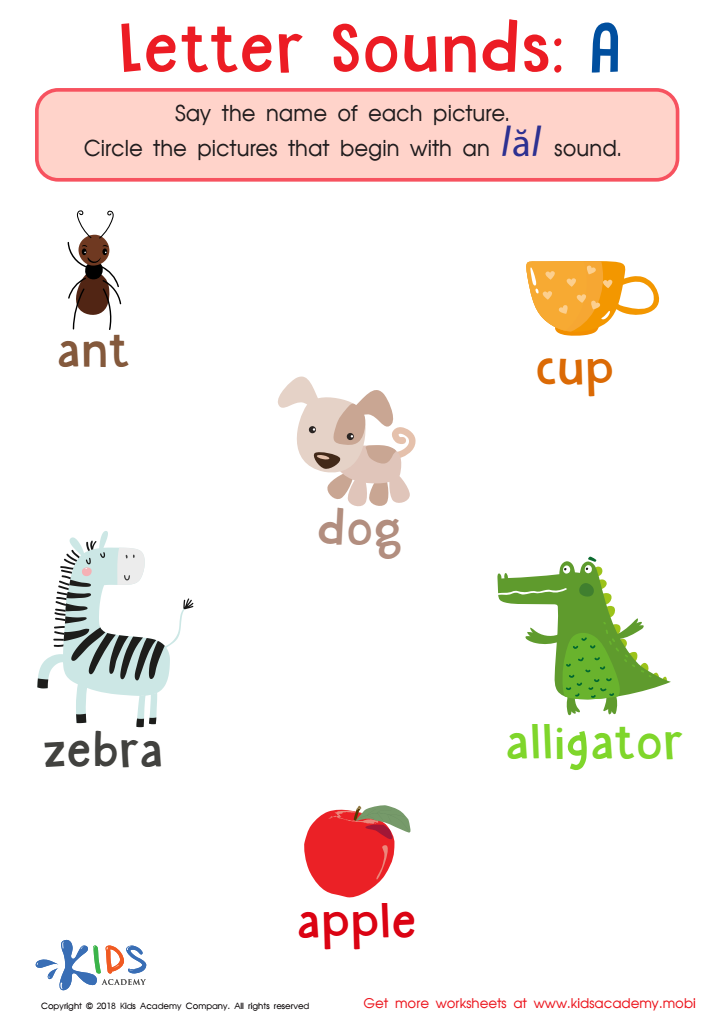
Letter A Sounds Worksheet

Letter A Sounds Worksheet

Encourage your new reader to practice the «ă» sound with this fun, free PDF worksheet. With the help of picture clues, they'll say the name of each word and trace circles around the items that start with «ă». This worksheet is an effective way to boost beginning sound skills while having fun!
Letter A Sounds Worksheet
Worksheet
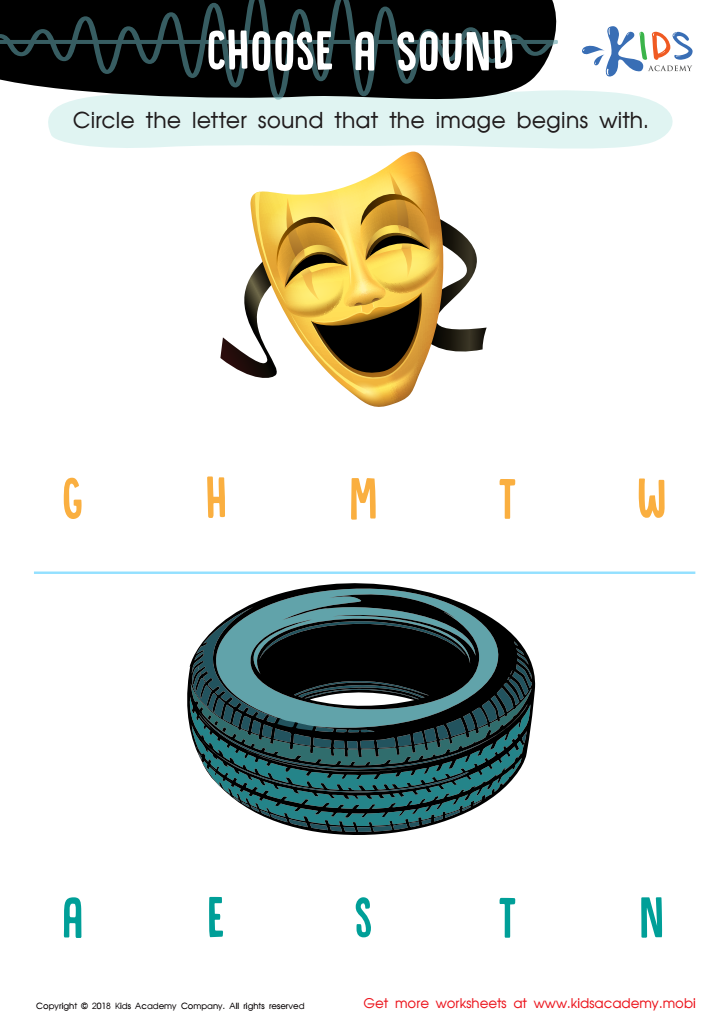
Choose a Sound Worksheet

Choose a Sound Worksheet

Help your child hone pre-reading skills with this colorful worksheet! They'll practice tracing letter sounds, develop phoneme awareness, and gain confidence. Plus, it's a fun way to work on their fine motor skills.
Choose a Sound Worksheet
Worksheet
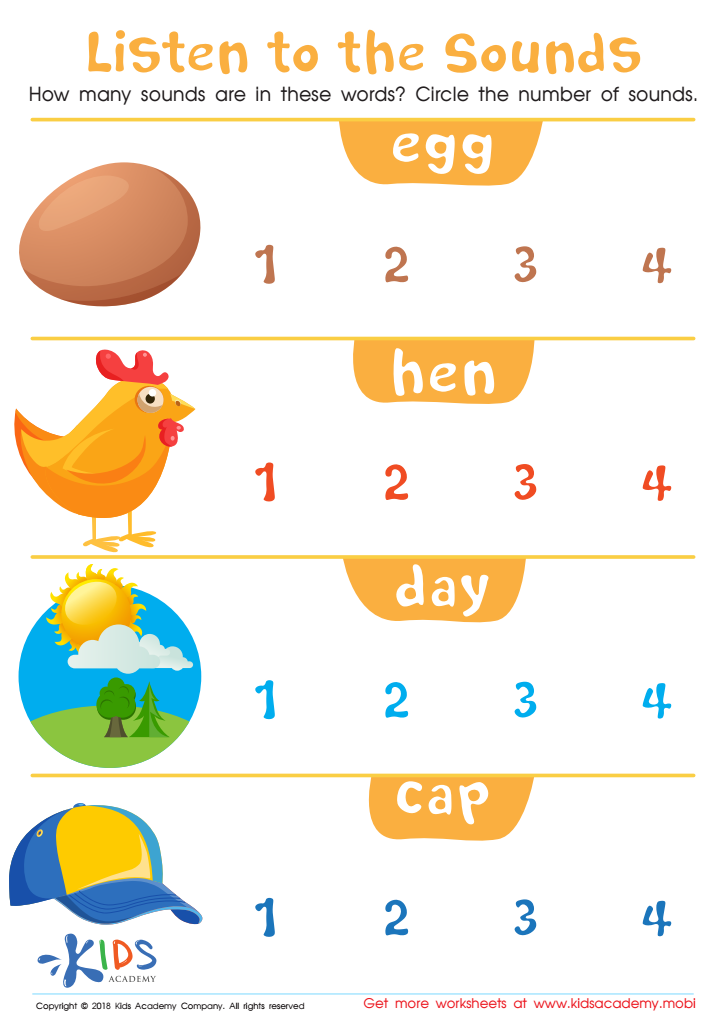
Listen to the Sounds Worksheet

Listen to the Sounds Worksheet

This worksheet builds emerging readers' skills in using sounds for reading and spelling. It helps strengthen auditory processing by having them count the sounds in each word, then trace the corresponding number. Fun and cheerful!
Listen to the Sounds Worksheet
Worksheet
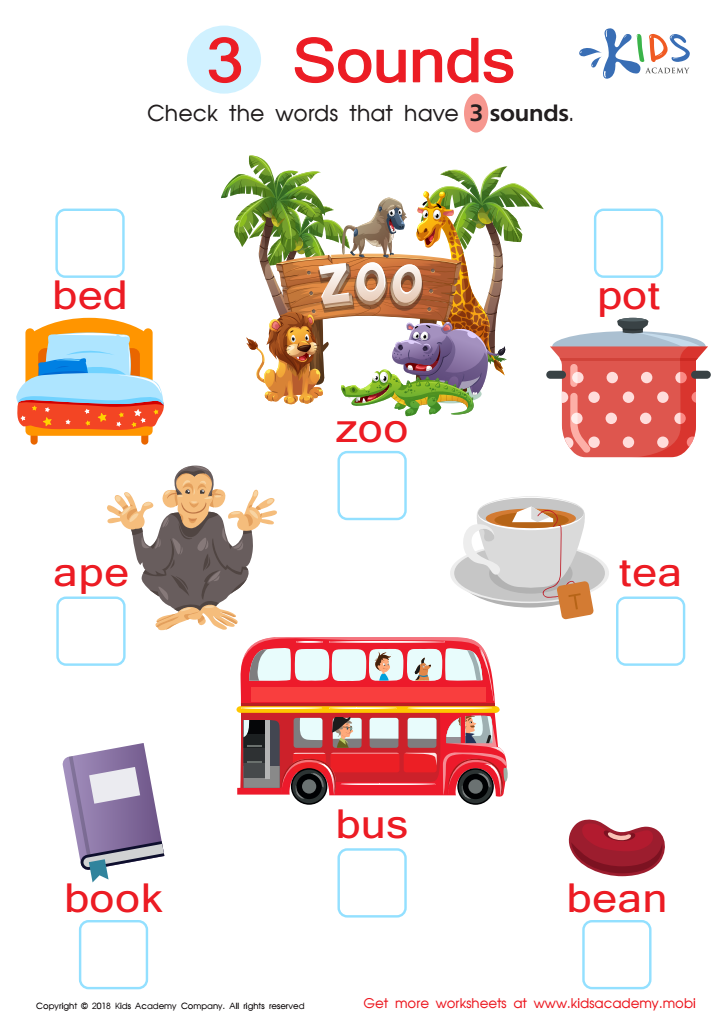
3 Sounds Worksheet
3 Sounds Worksheet

3 Sounds Worksheet

Kids will love learning with this free, colorful worksheet. It's full of familiar words they can name and sound out with three distinct sounds. This helps build decoding skills, plus they get to check off words they read. It's a fun way to teach children to identify and use sounds.
3 Sounds Worksheet
Worksheet
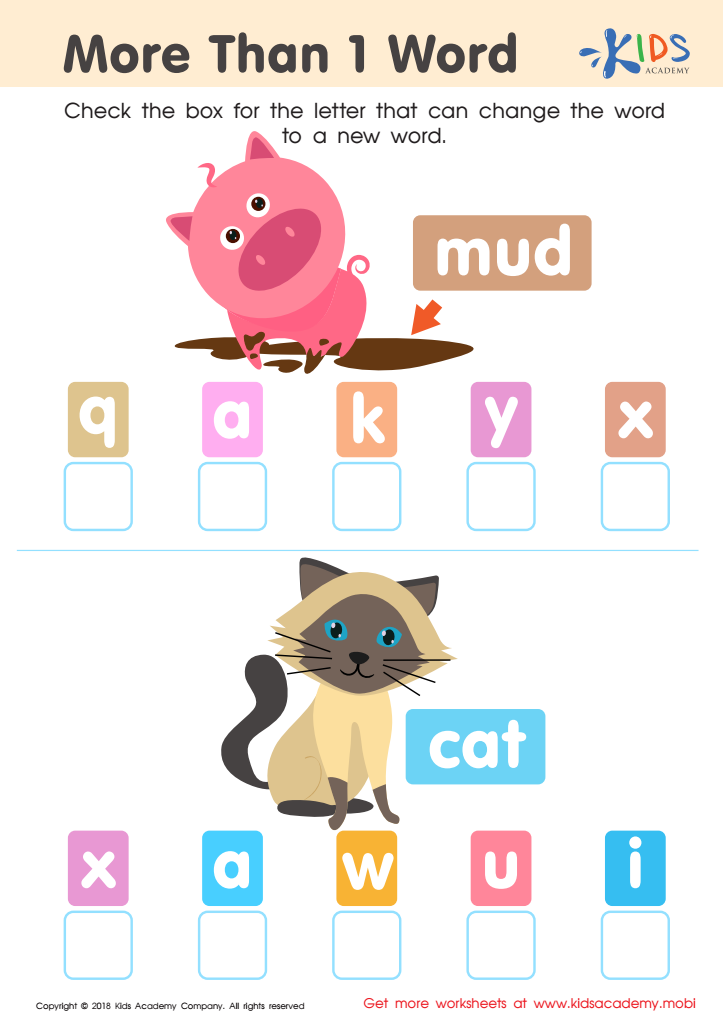
More than 1 word Worksheet

More than 1 word Worksheet

Test your child's reading skills with this fun worksheet! Point out the word in each picture, then switch the middle letter of each word with one from the list and check the box when you find a new word. It's a great way to develop your child's reading skills!
More than 1 word Worksheet
Worksheet
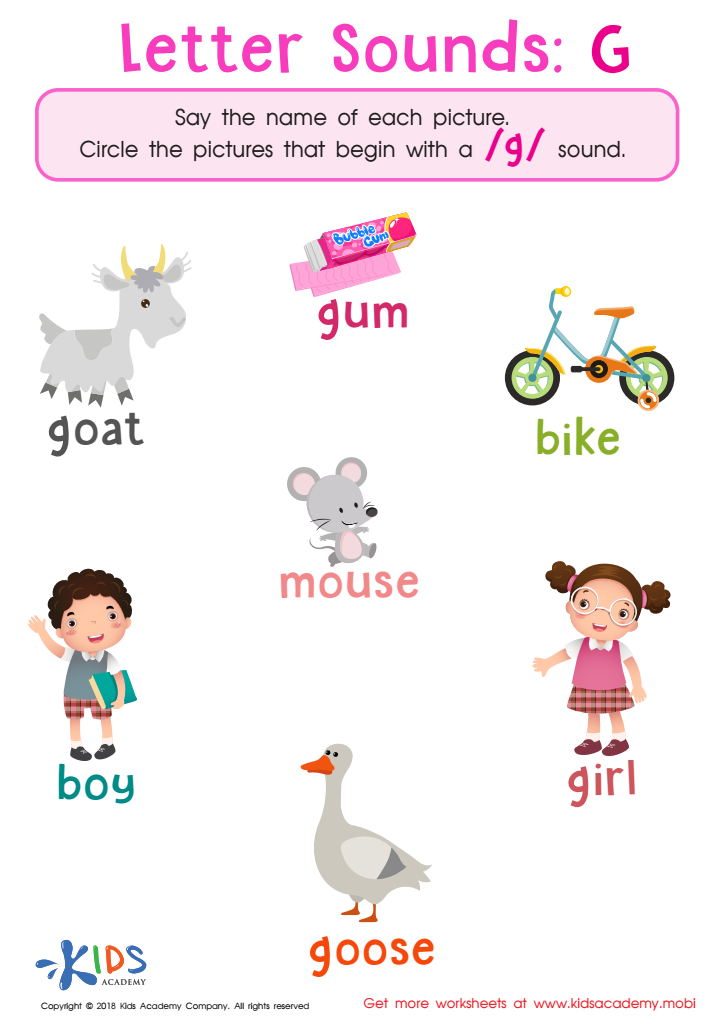
Letter G Sounds Worksheet


Letter G Sounds Worksheet

Help emerging readers build confidence by giving them practice identifying hard "G" with this free PDF worksheet. They'll use picture clues to name the words, and practice fine-motor skills tracing circles around the corresponding pics. It's a great way to introduce or reinforce hard "G" words.
Letter G Sounds Worksheet
Worksheet


Ensuring an early focus on vocabulary enhancement and letter sounds for children aged 5-6 is crucial for their overall language development and reading proficiency. During these formative years, children are in a critical period for language acquisition. Enhancing vocabulary introduces them to a broader range of words, fostering better comprehension and more expressive communication skills. Understanding letter sounds, or phonics, is fundamental in teaching children how to read. When children grasp how letters correspond to sounds, they can begin to decode words, giving them the tools they need to read independently.

Young children who have a strong grasp of vocabulary and phonics are more likely to develop fluent reading skills, which are essential for their academic success across all subjects. Reading also strengthens cognitive skills, augmenting problem-solving abilities and enabling children to draw connections between new and known concepts.

Additionally, children with a rich vocabulary can express their thoughts and emotions more clearly and accurately, leading to enhanced social interactions and self-esteem. For parents and teachers, focusing on these areas ensures that children are not only prepared for academic challenges but are also equipped for lifelong learning and effective communication. Investing in vocabulary and phonics sets a solid foundation for future literacy and intellectual growth.