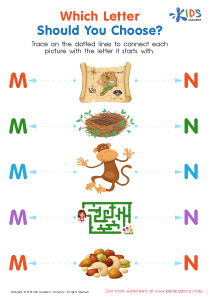
Alphabet Recognition Lowercase/Small Letters Worksheets for Ages 5-6
9 filtered results
-
From - To
Unlock the world of words with our Alphabet Recognition Lowercase/Small Letters Worksheets, designed for ages 5-6. These engaging, educational worksheets help young learners master lowercase letter recognition through fun activities and exercises. Each worksheet combines visual aids, tracing, and matching tasks to make learning the alphabet a delightful adventure. Perfect for at-home practice or classroom supplementation, our resources ensure solid foundational skills in reading and writing. Encourage your child’s early literacy development and boost their confidence with worksheets tailored to their learning pace. Prepare your child for a bright academic future with our user-friendly, expertly crafted alphabet worksheets.
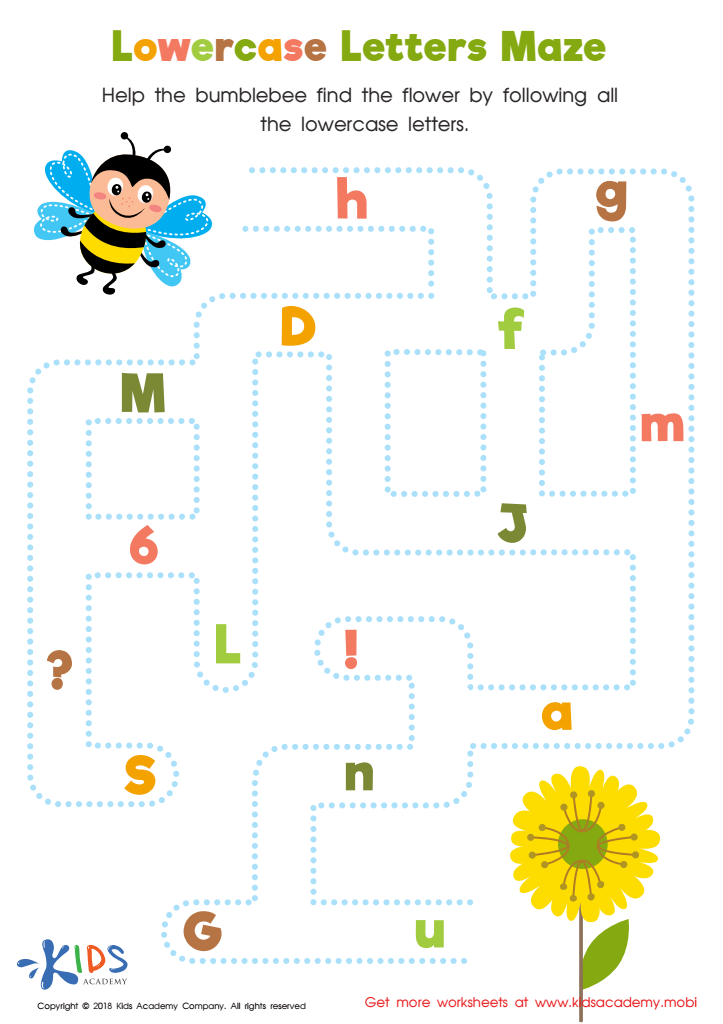
Lowercase Letters Maze Worksheet
 Assign to My Students
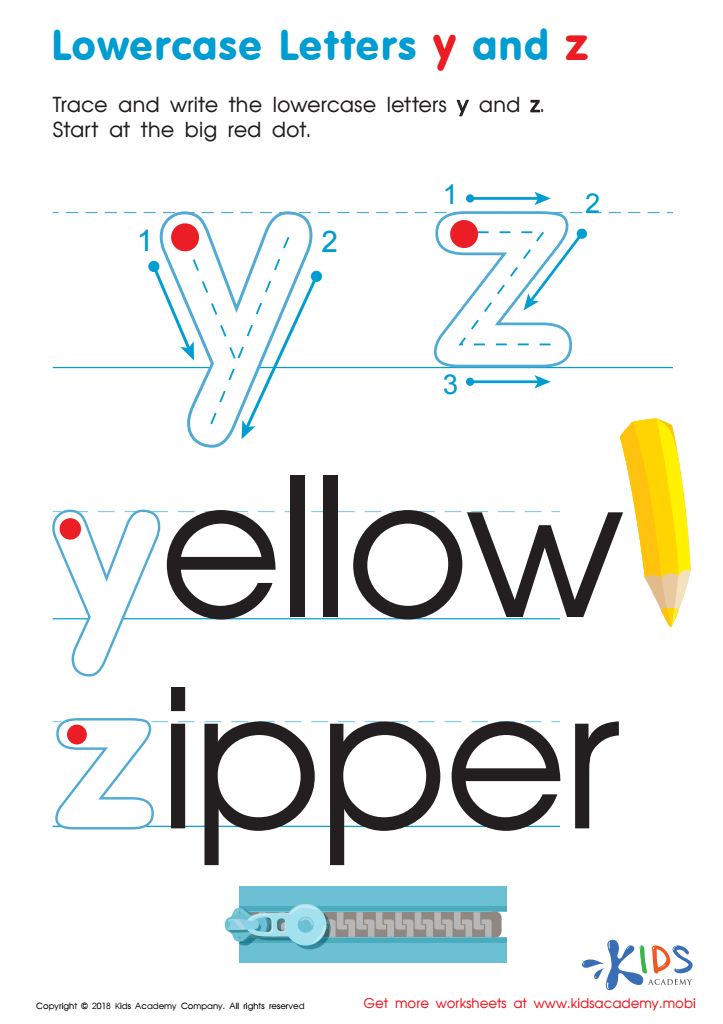
Lowercase Letters y z Worksheet
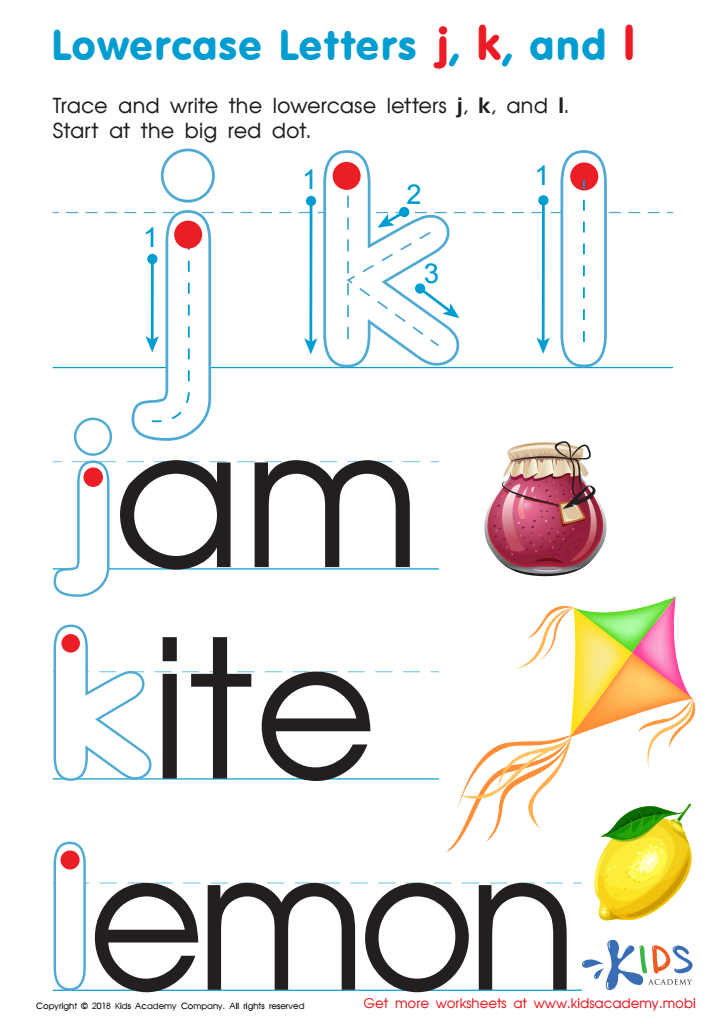
Lowercase Letters j k l Worksheet
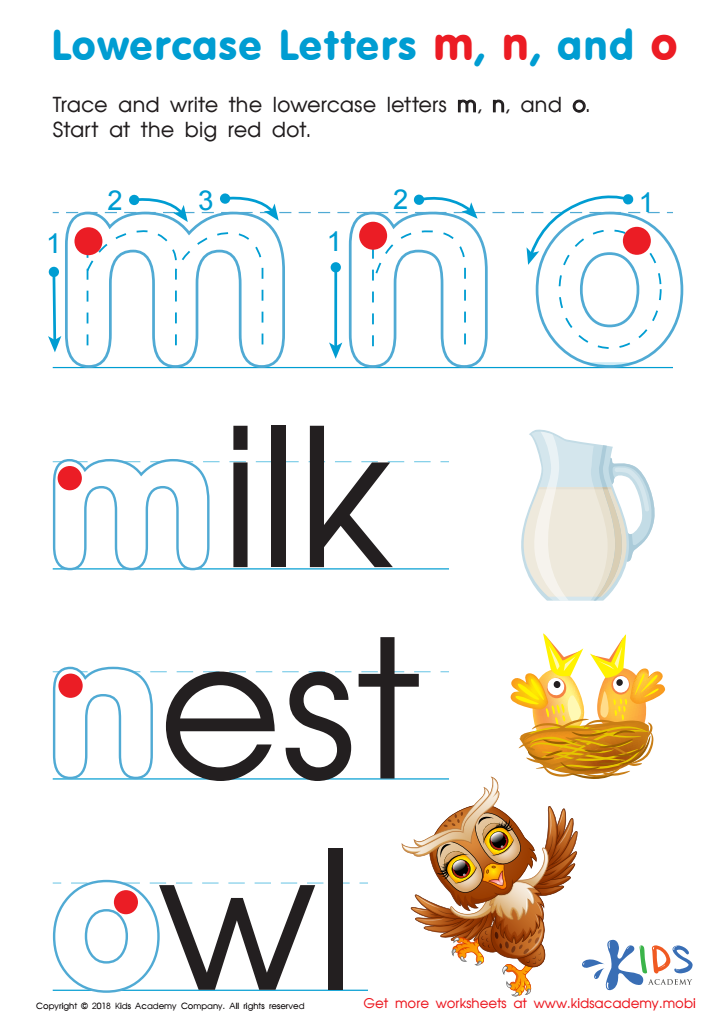
Lowercase Letters m n o Worksheet
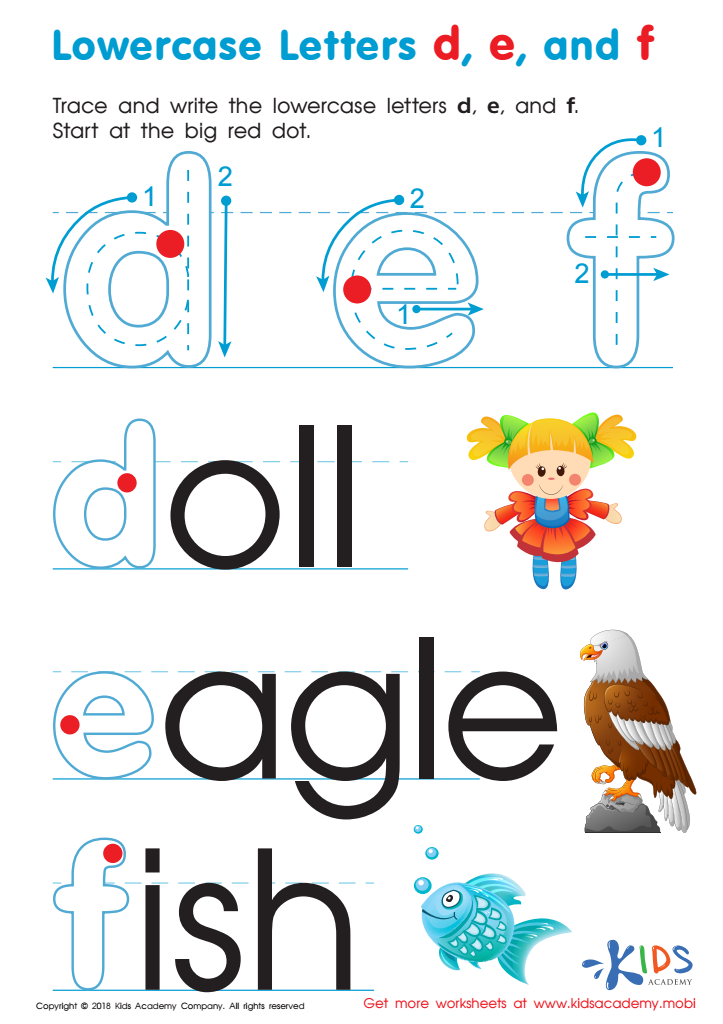
Lowercase Letters d e f Worksheet
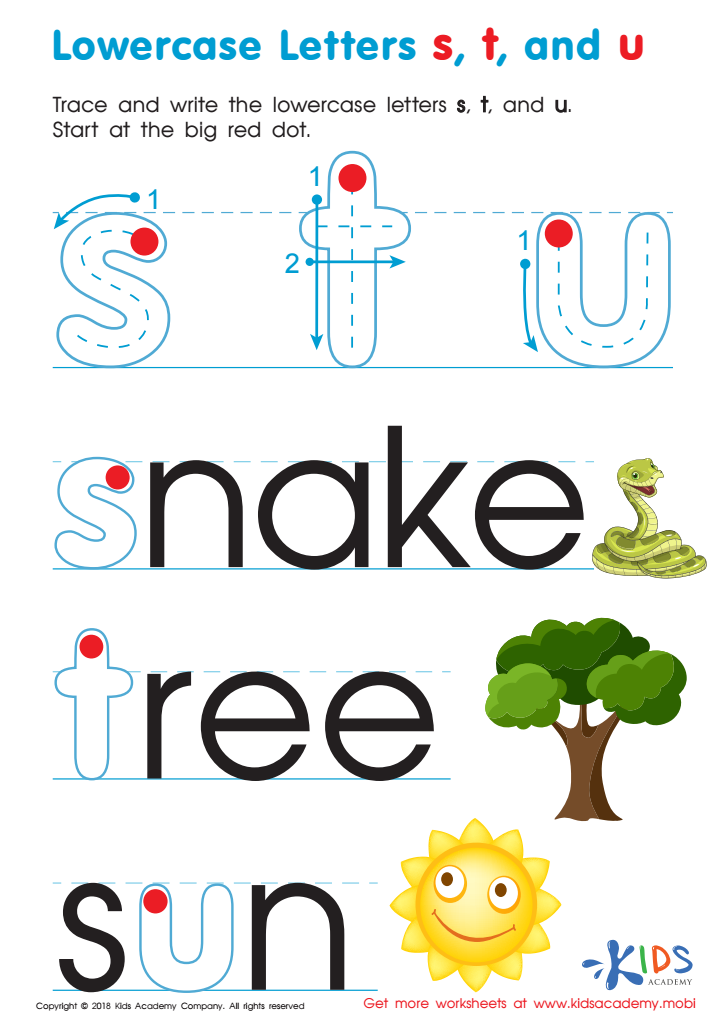
Lowercase Letters s t u Worksheet
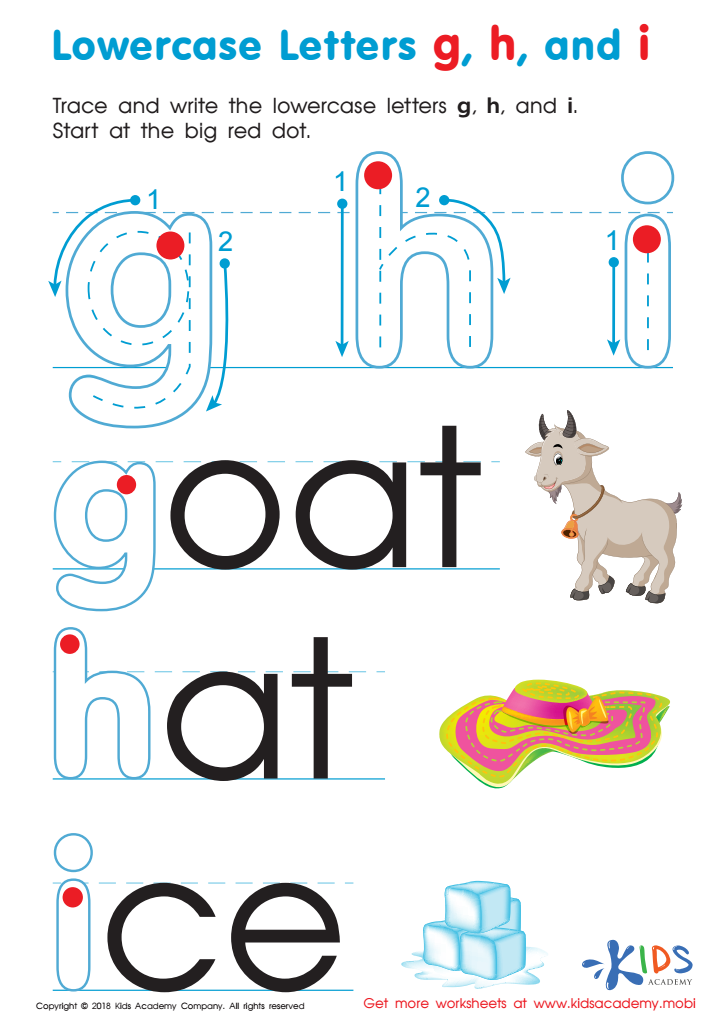
Lowercase Letters g h i Worksheet
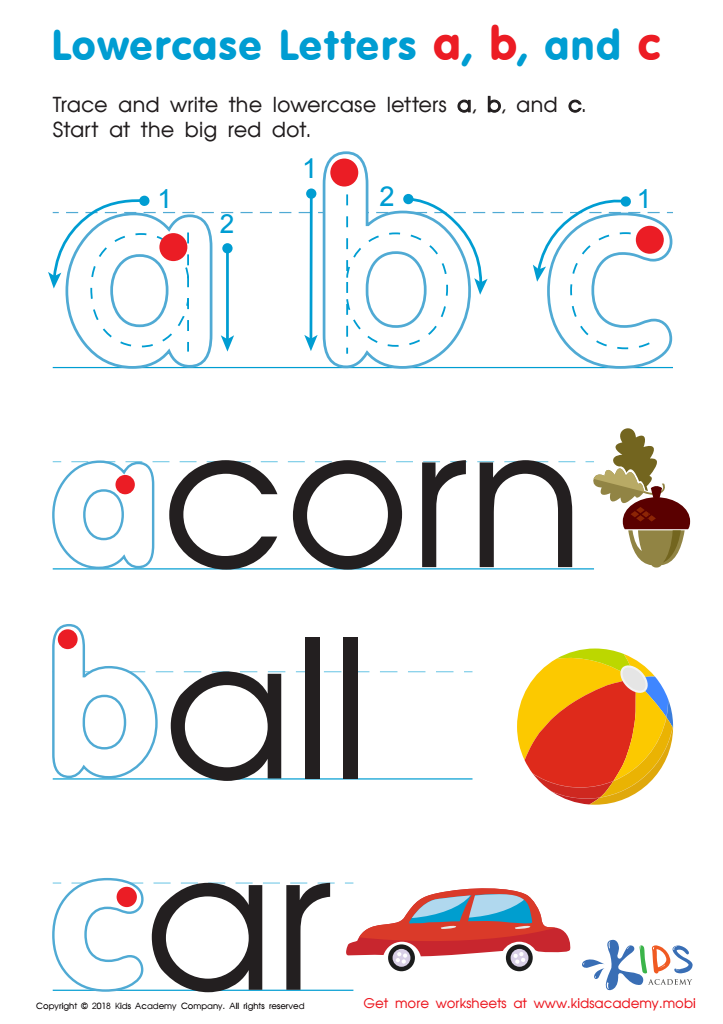
Lowercase Letters a b c Worksheet
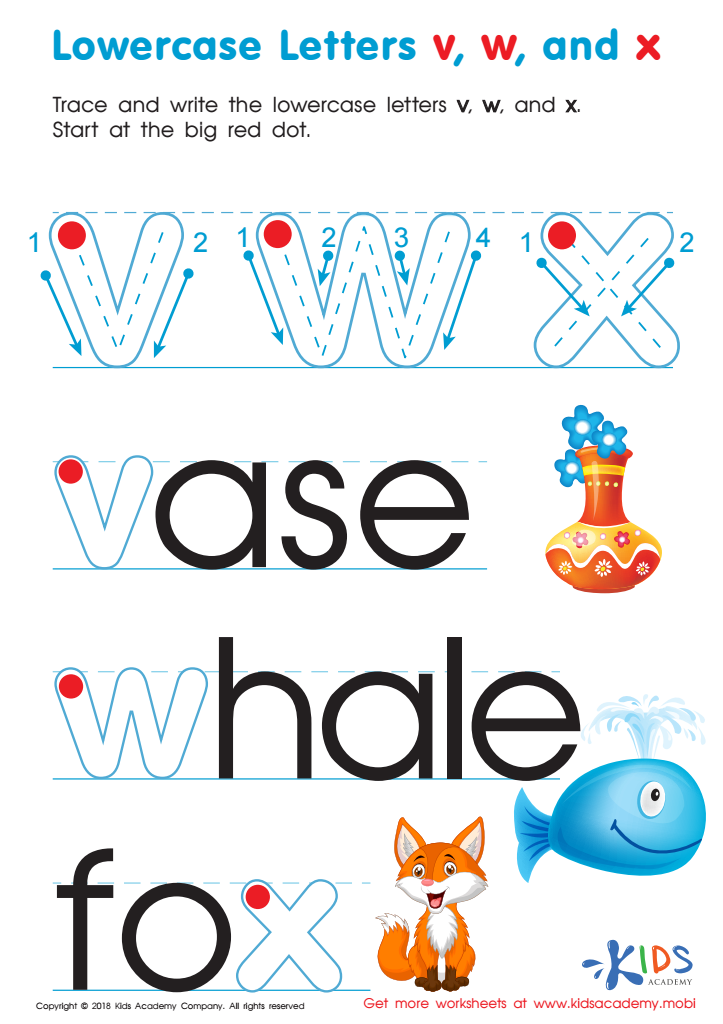
Lowercase Letters v w x Worksheet


Alphabet recognition of lowercase or small letters is pivotal for ages 5-6 as it serves as the foundation for developing essential reading and writing skills. This early skill acquisition impacts a child’s ability to recognize, comprehend, and utilize letters effectively in daily communications.
First, lowercase letters dominate the texts children will encounter in books, signs, and various print media. Recognizing these letters enables children to build vocabulary and fluency, both vital for reading comprehension. When children can quickly identify letters, they are less likely to become frustrated during reading, fostering a love for learning and an eagerness to explore more complex texts.
Second, writing proficiency hinges on the ability to distinguish between uppercase and lowercase letters. By mastering lowercase recognition, children improve their handwriting skills, vital for composing sentences and expressing thoughts clearly.
Additionally, early mastery of lowercase letters can boost self-esteem and academic confidence. Children who can read and write effectively from a young age are more likely to excel in later educational pursuits. Consequently, promoting alphabet recognition, especially lowercase letters, is an indispensable step for parents and teachers. It not only enhances a child's literacy skills but also sparks an enduring excitement for learning and paves the way for future academic success.