Fine Motor Skills Color Words Worksheets for Ages 5-6
4 filtered results
-
From - To
Enhance your child's learning journey with our "Fine Motor Skills Color Words Worksheets" designed specifically for ages 5-6. These engaging worksheets combine color recognition with fine motor skill development, making learning fun and interactive. As children trace, color, and write, they build dexterity while reinforcing their understanding of color words. Perfect for young learners, parents, and educators, these printable sheets encourage creativity and critical thinking. Help your little ones gain confidence as they explore colors and refine their motor skills, laying a strong foundation for future academic success. Start the adventure today with our exciting, skill-building activities!
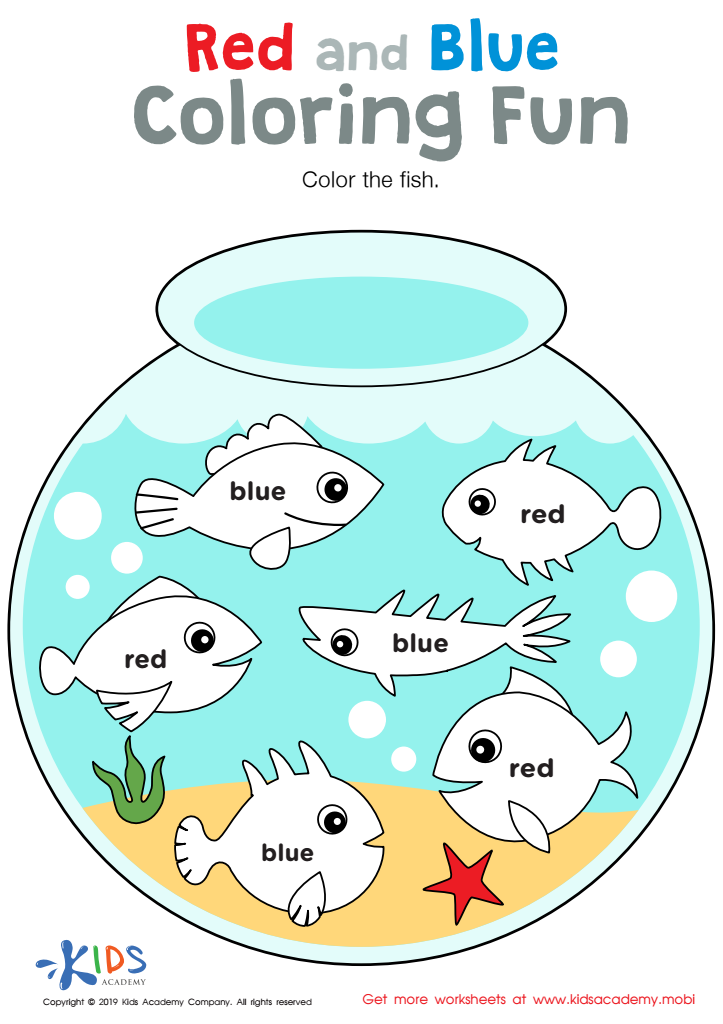
Red and Blue Coloring Fun Worksheet
 Assign to My Students

Yellow and Green Coloring Fun Worksheet
Assign to My Students

Black and Brown Coloring Fun Worksheet
Assign to My Students
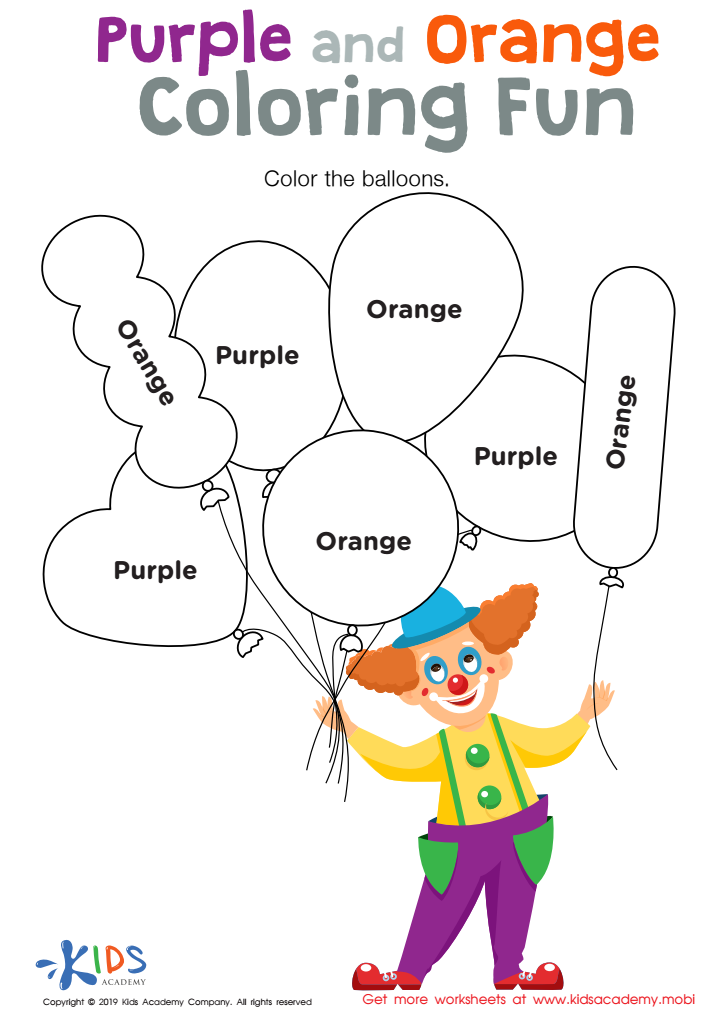
Purple and Orange Coloring Fun Worksheet
Assign to My Students



Fine motor skills are vital for young children, particularly between the ages of 5 and 6, as they form the foundation for more complex tasks essential for academic success and everyday life. Mastering color words enhances these skills, encouraging children to associate verbal communication with visual recognition. Exploring colors through activities such as coloring, cutting, and manipulating small objects fosters hand-eye coordination and dexterity.
Additionally, incorporating color words into fine motor activities makes learning engaging and enjoyable. For instance, children can identify colors while art projects or play dough activities, allowing them to practice both their language and motor skills simultaneously. These exercises refine their grip, control movements, and build confidence in their abilities.
Furthermore, developing fine motor skills through color word activities can support cognitive development by enhancing their critical thinking, problem-solving abilities, and creativity. Children who are proficient in fine motor skills are often better prepared for tasks such as writing and self-feeding, facilitating independence in daily life. Ultimately, fostering these skills ensures that children are not only better equipped academically but also more adept socially, reinforcing the importance for parents and teachers to focus on this crucial developmental aspect.








