Color recognition Worksheets for Ages 5-6 - Page 5
105 filtered results
-
From - To
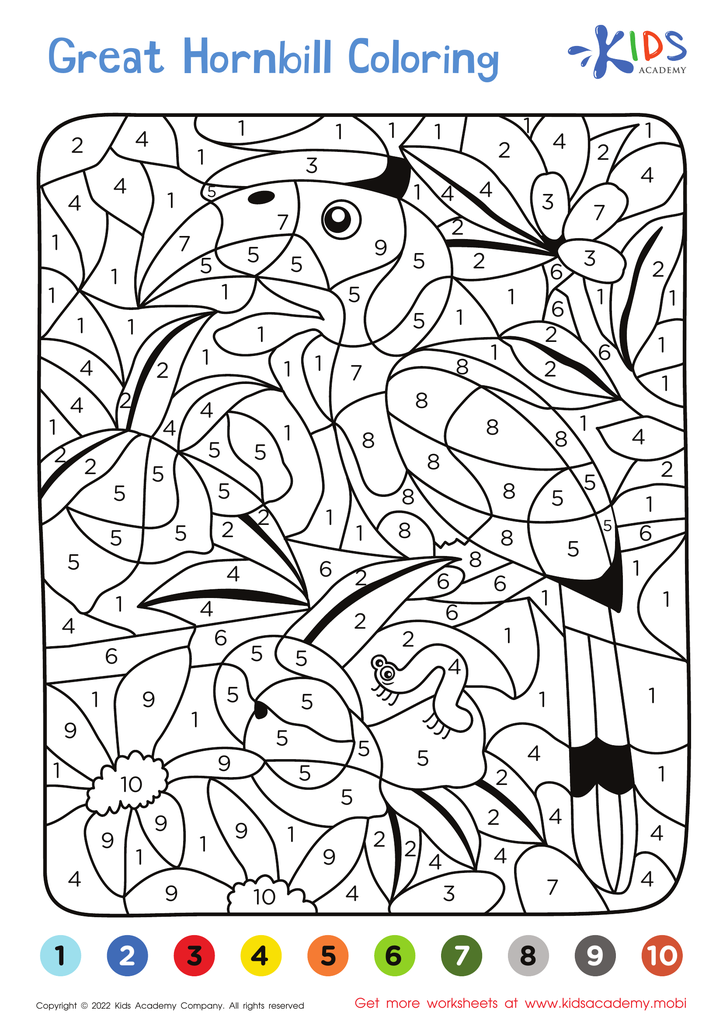
Great Hornbill – Coloring by Numbers
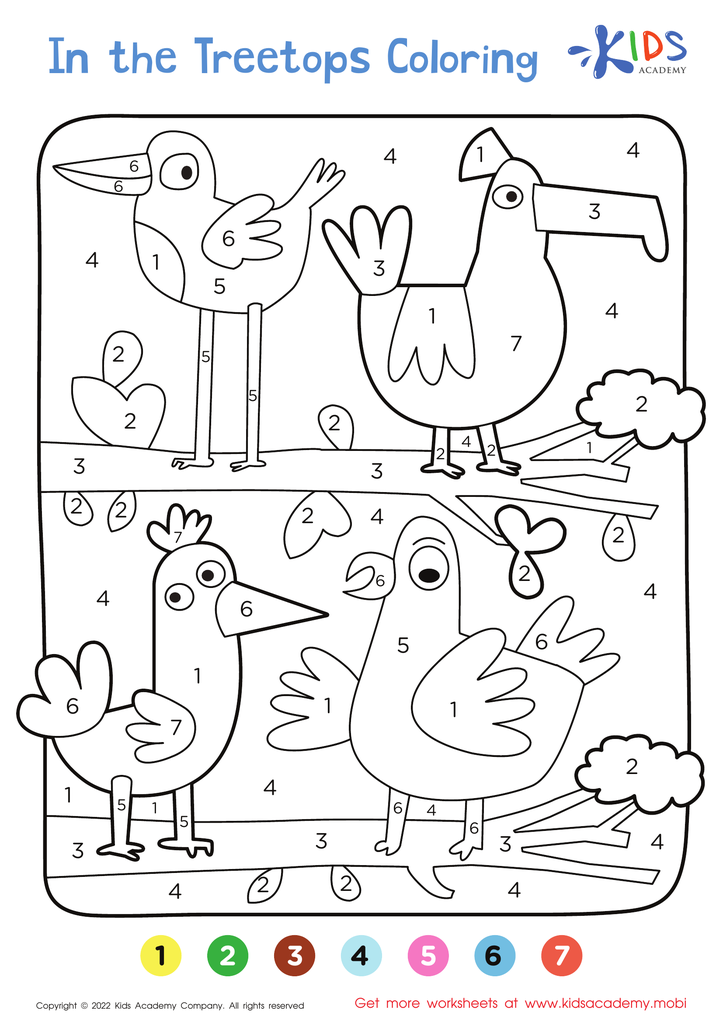
In the Treetops – Coloring Page
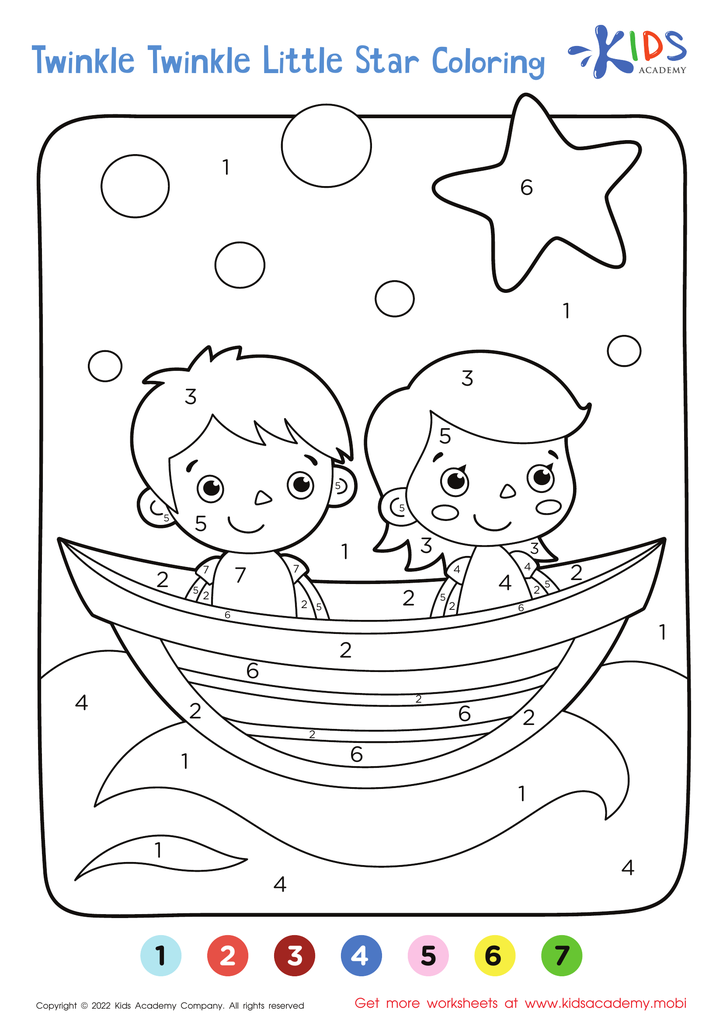
Twinkle, Twinkle, Little Star – Coloring by Numbers
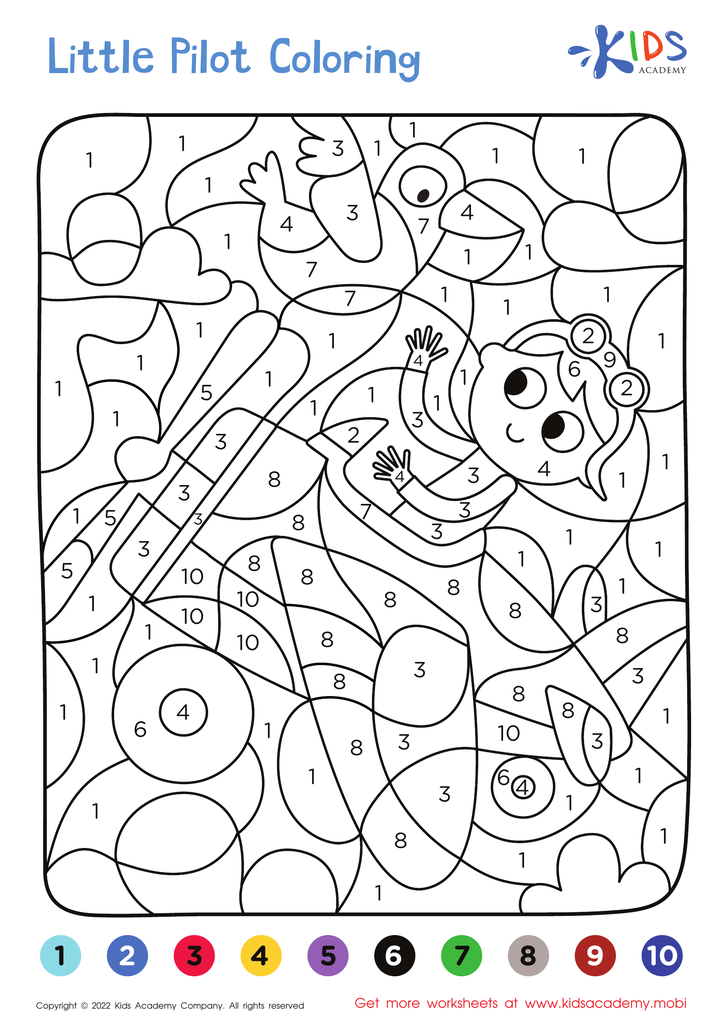
Little Pilot – Coloring by Numbers
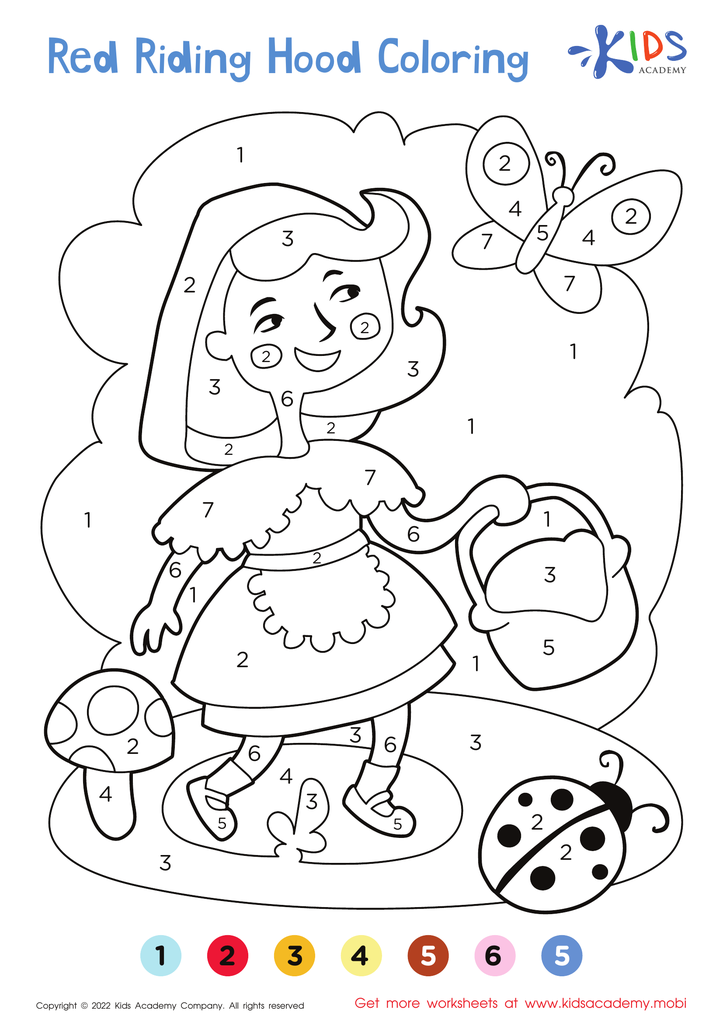
Little Red Riding Hood – Coloring by Numbers
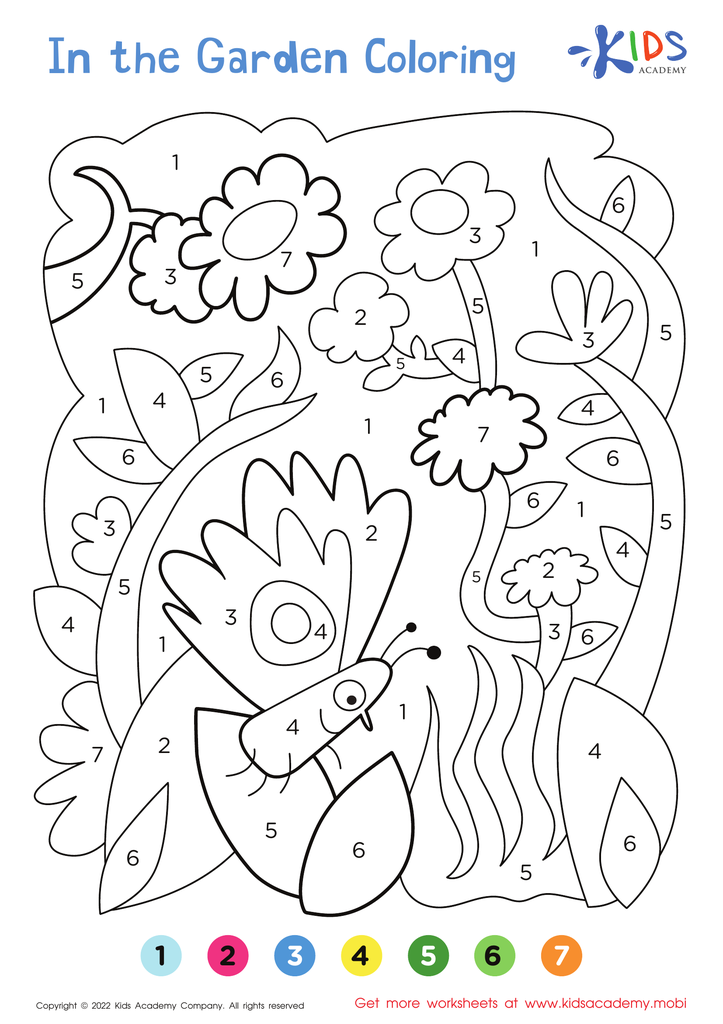
In the Garden – Coloring by Numbers
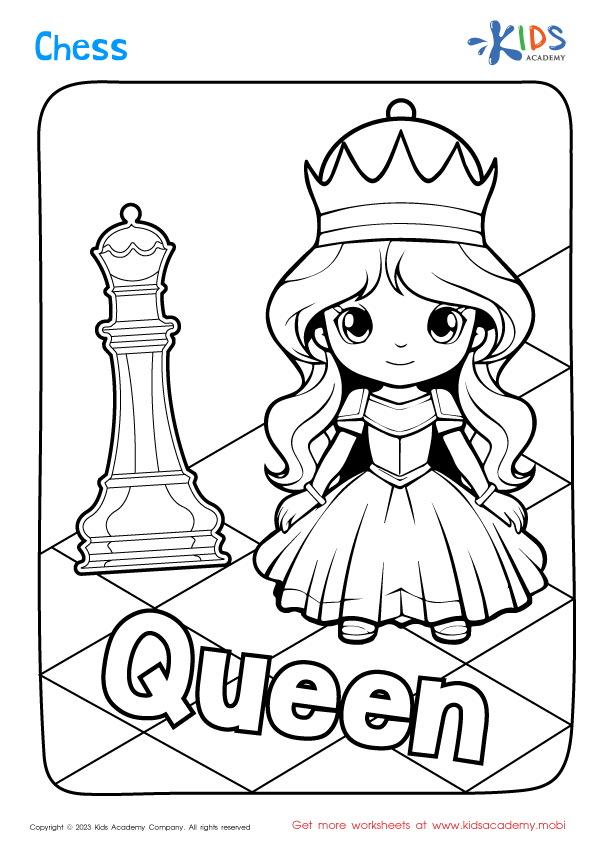








Color recognition is a foundational aspect of early childhood education that significantly influences various developmental domains in children ages 5-6. Parents and teachers should care about this skill because it lays the groundwork for cognitive development, language skills, and art education.
At this age, color recognition encourages observational skills and enhances memory. As children learn to identify and name colors, they expand their vocabulary and improve their communication. This simple activity also fosters critical thinking; when kids categorize objects by color, they engage in problem-solving and classification.
Moreover, color recognition plays a vital role in social and emotional development. Recognizing colors can aid in understanding emotions—associating feelings with certain colors. Additionally, encouraging children to express themselves through colors in art helps boost creativity and self-expression.
In a practical sense, being able to identify colors aids in everyday tasks, such as navigating the classroom, organizing materials, and engaging in group activities. Thus, by fostering color recognition, parents and teachers are supporting holistic development, readying children for more complex learning in the future while ensuring they enjoy the process through play and exploration. Investing time in teaching children about colors provides enduring benefits throughout their education and personal lives.








