Cultural Understanding Worksheets for Ages 5-6
3 filtered results
-
From - To
Discover our engaging Cultural Understanding Worksheets designed for children ages 5-6! These interactive resources aim to promote appreciation for diverse cultures, traditions, and practices. Each worksheet is carefully crafted to encourage young learners to explore global concepts through fun activities, such as drawing, matching, and coloring. With bright visuals and simple instructions, students will develop empathy and a sense of belonging in a multicultural world. Perfect for at-home or classroom use, our worksheets help establish foundational skills in social studies while fostering an inclusive mindset. Join us in nurturing well-rounded learners who respect and celebrate differences!
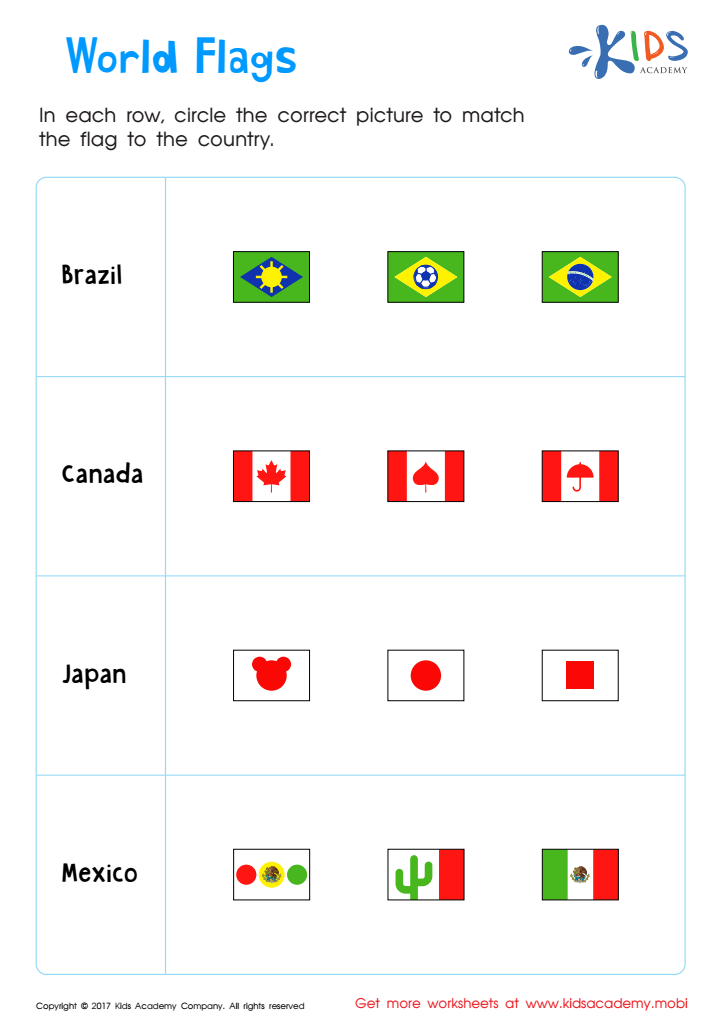
World Flags Printable
 Assign to My Students
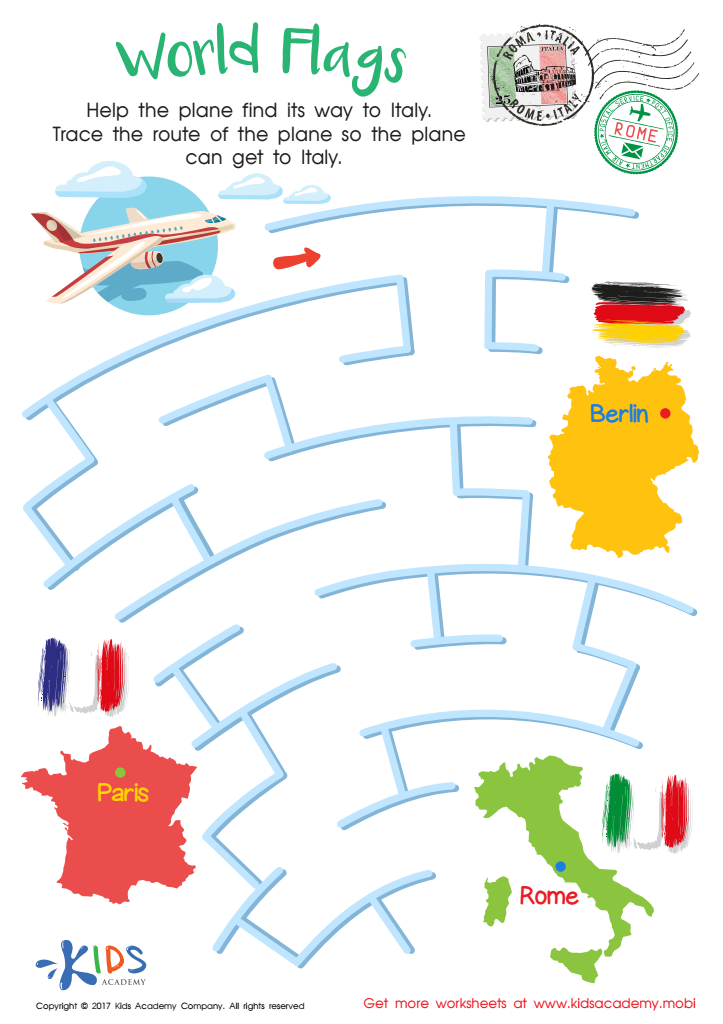
World Flags Maze Worksheet
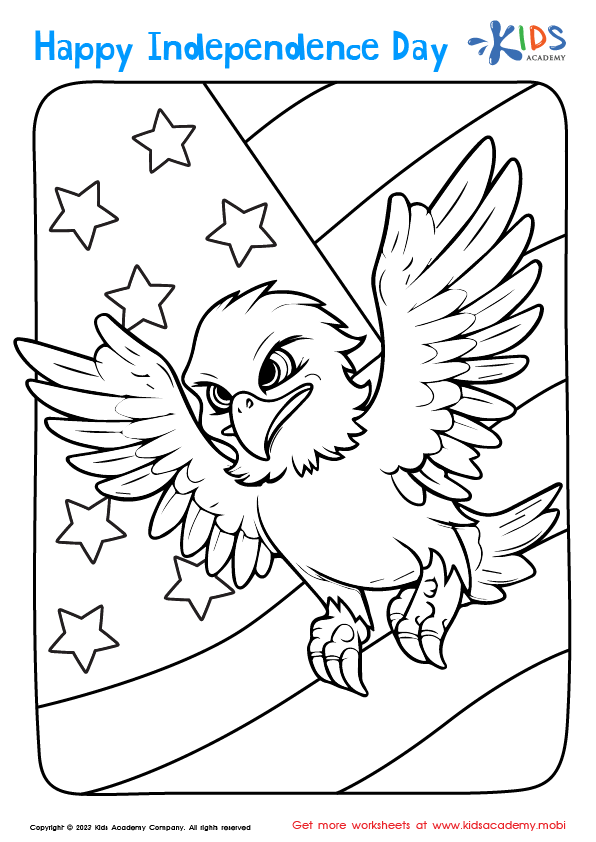






.jpg)

Cultural understanding is vital for young children aged 5-6 as it lays the groundwork for developing empathy, respect, and inclusivity. At this age, children are naturally curious about the world around them, and introducing them to diverse cultures can enhance their social and emotional development. By learning about different traditions, languages, and perspectives, children cultivate a sense of curiosity and appreciation for others.
Parents and teachers play a crucial role in shaping these values. When children engage with stories, music, art, and practices from various cultures, they broaden their horizons, fostering creativity and critical thinking. Understanding cultural diversity helps prevent stereotypes and promotes unity, allowing children to build friendships with peers from different backgrounds.
Moreover, early cultural education prepares children for an increasingly interconnected world. As they grow, these foundational experiences can influence their attitudes and behaviors, enabling them to become considerate global citizens. By prioritizing cultural understanding in early education, adults equip children with the skills needed to navigate and contribute positively to a diverse society. Investing time in this area means nurturing compassionate leaders and building communities that celebrate differences.








