
Fraction Addition Worksheets for Ages 5-6
4 filtered results
Difficulty Level
Grade
Age
-
From - To
Subject
Activity
Standards
Enhance your child's learning journey with our engaging Fraction Addition Worksheets designed for children aged 5-6. These fun and interactive resources make mastering basic fractions enjoyable, allowing young learners to explore concepts through visually appealing exercises. Easy-to-follow prompts guide kids in adding fractions with relatable, real-life examples. Our worksheets are crafted to build confidence and reinforce foundational math skills, ensuring your child understands and enjoys the process. Ideal for homework, practice, or classroom activities, these worksheets cater to diverse learning styles and improve critical thinking. Start nurturing a love for math early with our delightful fraction addition resources!
Favorites
With answer key
Interactive
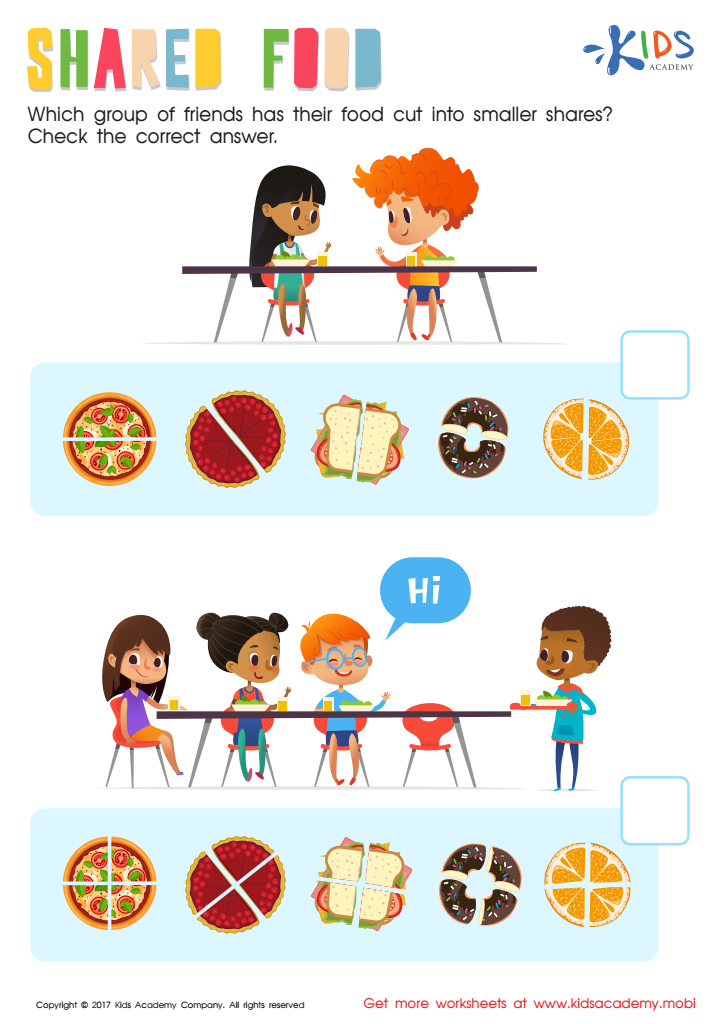
Shared Food Worksheet
In this worksheet, kids learn about sharing and cutting shapes into equal parts. There are two groups of friends: one with two, the other with four. Ask your child which group has their food cut into smaller shares, and help them find the right answer.
 Assign to My Students
Shared Food Worksheet
Worksheet
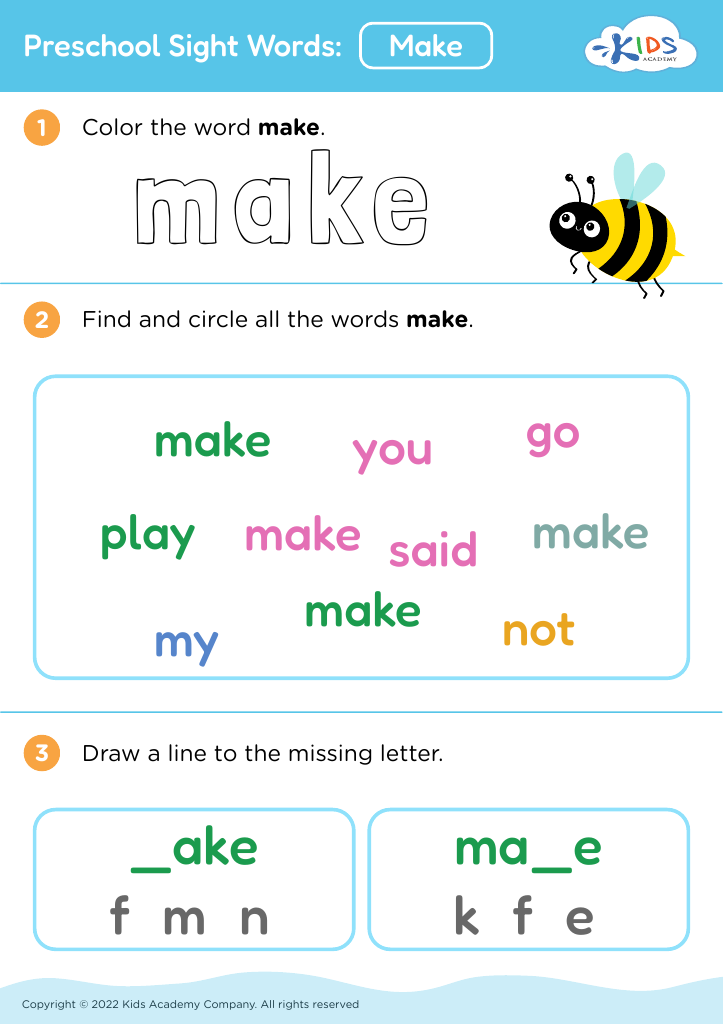
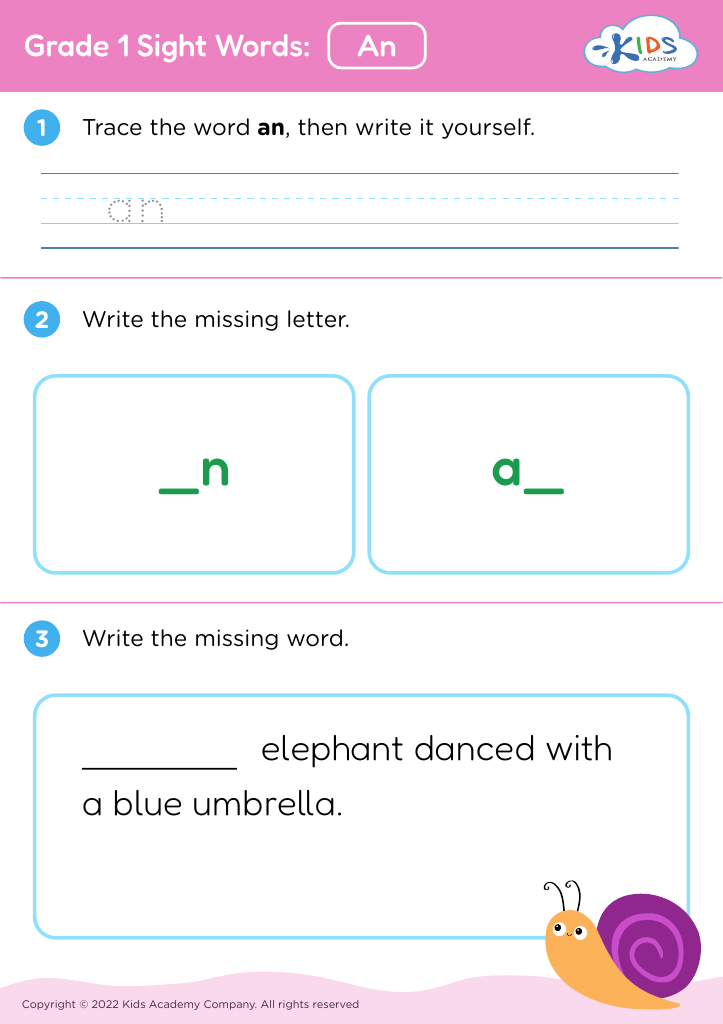
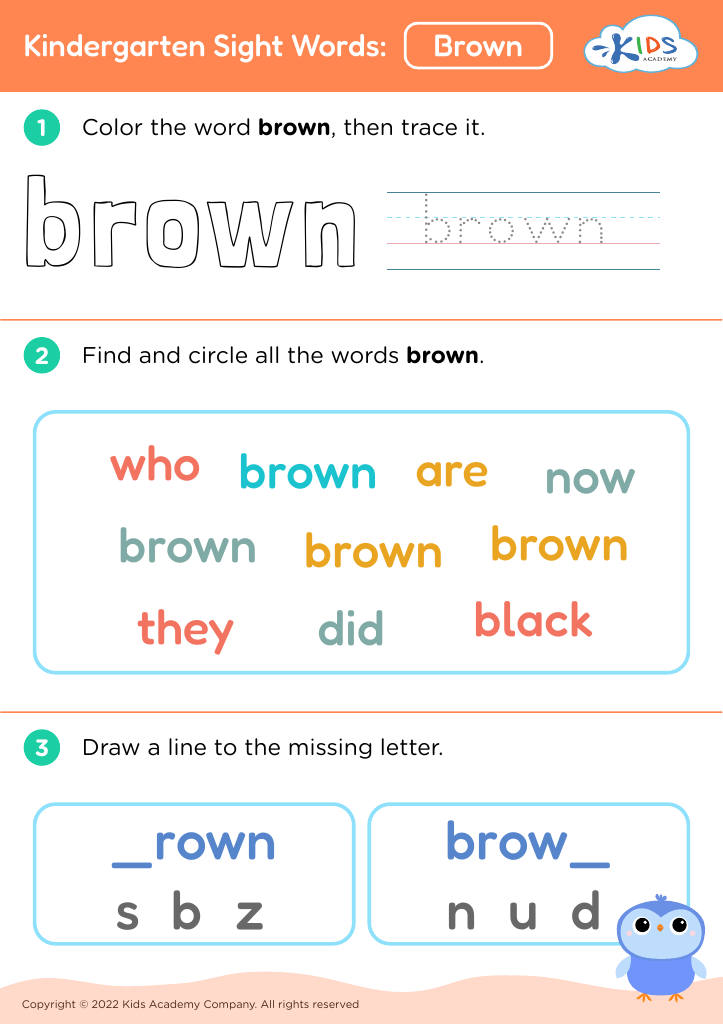
Join Kids Academy for Free
Who is primarily going to use this learning content?








Parents and teachers should care about fraction addition for children aged 5-6 because it lays the groundwork for understanding basic mathematical concepts and problem-solving skills. At this early age, children are naturally curious and eager to explore the world around them, making it an ideal period to introduce fractional concepts in a relatable and engaging way.
Understanding fractions helps children develop numerical fluency, enhancing their ability to compare, combine, and understand parts of a whole. When introduced to simple fraction addition, children learn to recognize relationships and patterns, which are crucial skills for more complex mathematics later on.
Moreover, fractional concepts can be easily integrated into everyday life, such as sharing snacks or dividing toys, making math practical and relevant. This reinforces their understanding and enthusiasm for learning.
Additionally, engaging with fractions promotes critical thinking and reasoning skills, as children begin to grasp how quantities can be composed and decomposed. Ultimately, fostering a solid grasp of fractions at an early age can boost children's confidence and interest in math, setting a positive foundation for their future education and encouraging a lifelong appreciation for learning.








