Identifying Animals Worksheets for Ages 5-6
6 filtered results
-
From - To
Explore our engaging "Identifying Animals Worksheets" designed for children aged 5-6! These fun and educational activities will help young learners develop their skills in recognizing and naming various animals. Each worksheet features colorful illustrations and simple instructions that encourage vocabulary building and enhance observational skills. Perfect for home or classroom use, our worksheets promote critical thinking as kids compare, categorize, and match animals. By working through these exercises, children will also boost their fine motor skills while coloring and completing various tasks. Dive into the world of animals with our worksheets and spark curiosity in your young learners today!
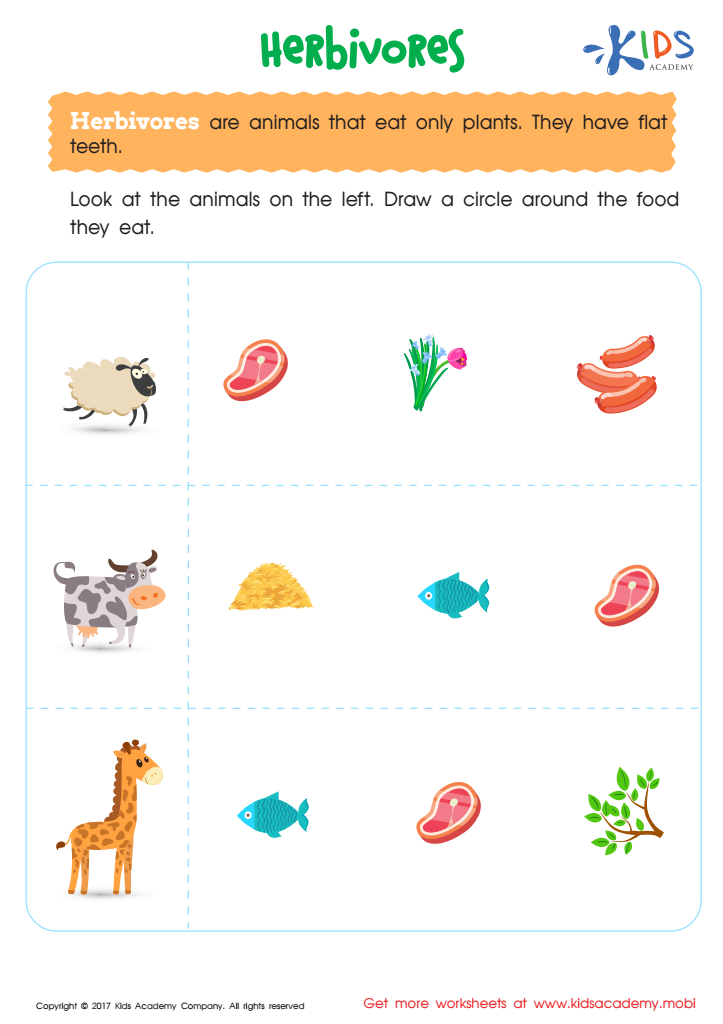
Herbivores Printable
 Assign to My Students
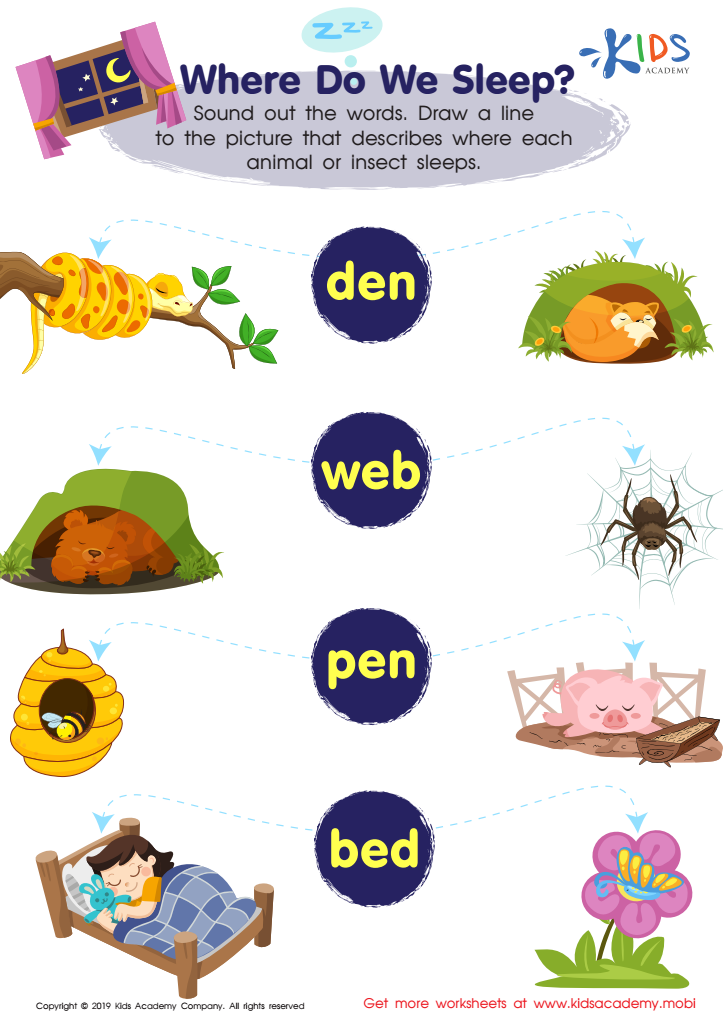
Where Do We Sleep Worksheet
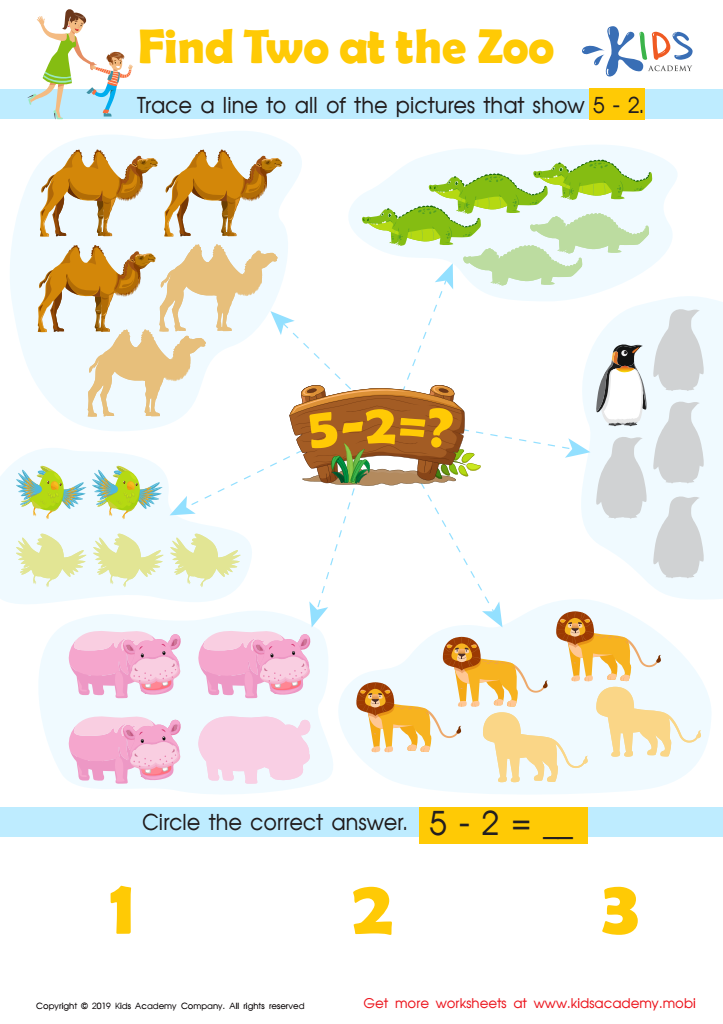
Find Two at the Zoo Worksheet
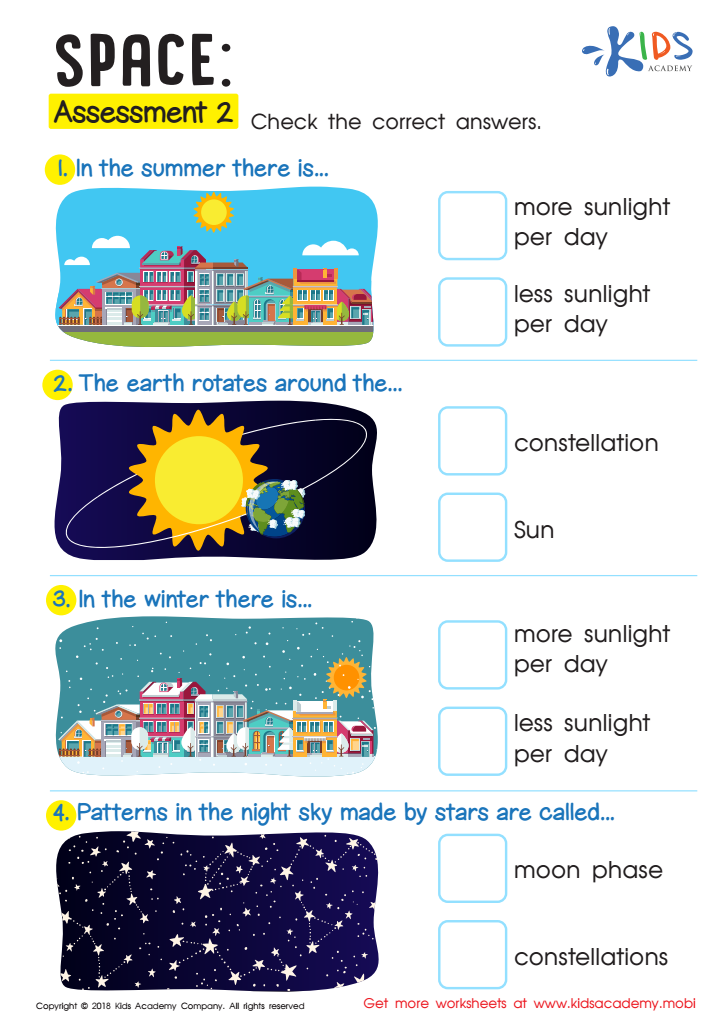
Space: Assessment 2 Worksheet
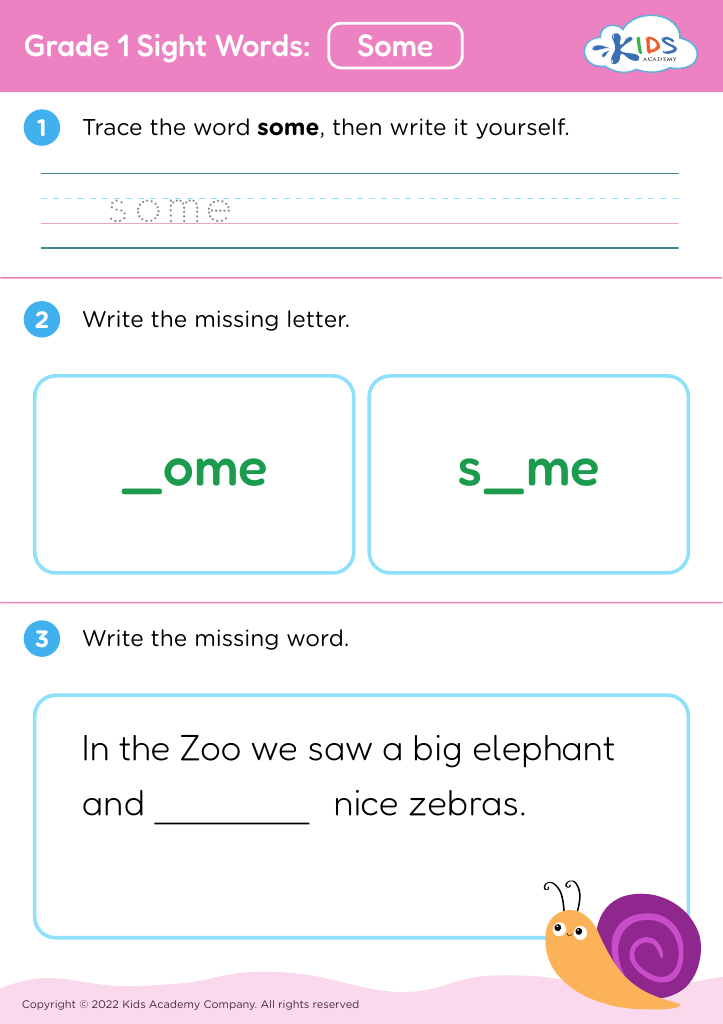








Identifying animals is an essential learning task for children aged 5-6, and parents and teachers should care about fostering this skill for several important reasons. Firstly, animal identification enhances children's cognitive development by promoting observation, critical thinking, and classification skills. As they learn to distinguish between different species, children engage in hands-on learning that strengthens their problem-solving abilities.
Secondly, understanding animals connects children to the natural world, fostering a sense of curiosity and wonder. This connection not only increases their knowledge of ecosystems and biodiversity but also nurtures a sense of responsibility towards the environment. By recognizing different animals and their habitats, children begin to understand the importance of conservation and empathy towards all living creatures.
Additionally, animal identification can enhance social skills and communication. Group activities, such as field trips to zoos or nature walks, encourage teamwork and discussions about animals encountered, allowing children to express their thoughts and share insights.
Lastly, the incorporation of this topic in early education aligns with foundational literacy and scientific learning, making it an enriching experience that lays the groundwork for future academic pursuits. Ultimately, investing time in this skill cultivates well-rounded, environmentally aware individuals.








