Plant identification Worksheets for Ages 5-6
5 filtered results
-
From - To
Discover our engaging Plant Identification Worksheets designed specifically for ages 5-6! These worksheets help young learners explore the fascinating world of plants through simple, age-appropriate activities. Children will enhance their observation skills while learning to recognize different types of plants, leaves, and flowers. Each worksheet features vibrant illustrations and interactive tasks to keep kids entertained while they learn about nature. Perfect for at-home learning or classroom activities, these worksheets encourage curiosity and foster a love for the environment. Download our Plant Identification Worksheets today and watch your child's understanding of the natural world grow! Teaching has never been so fun!
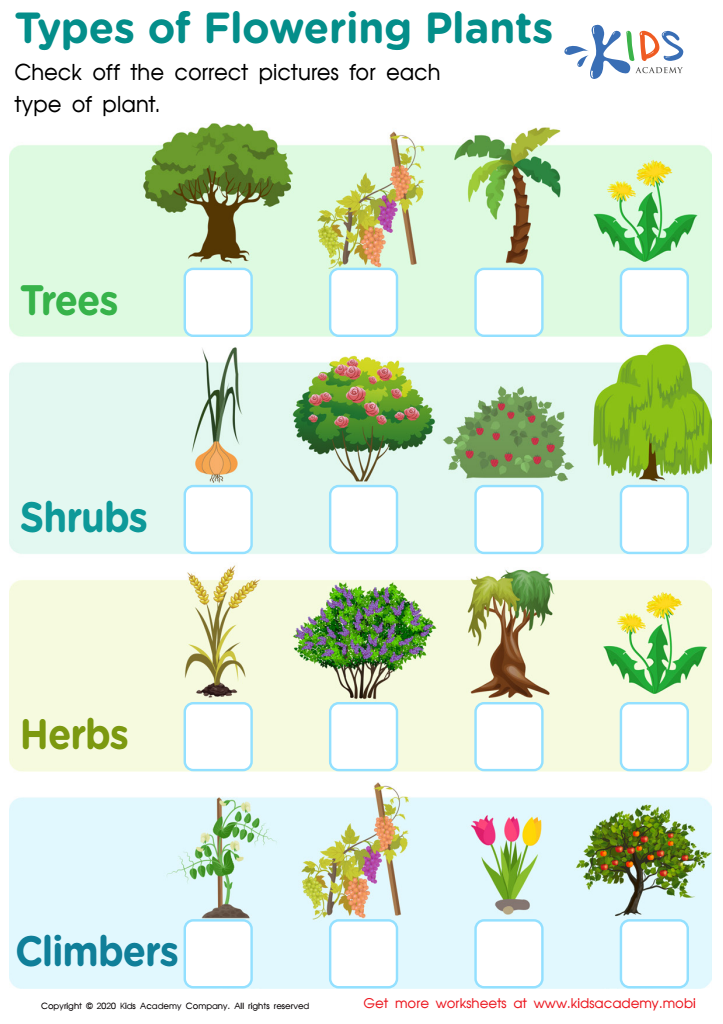
Types of Flowering Plants Worksheet
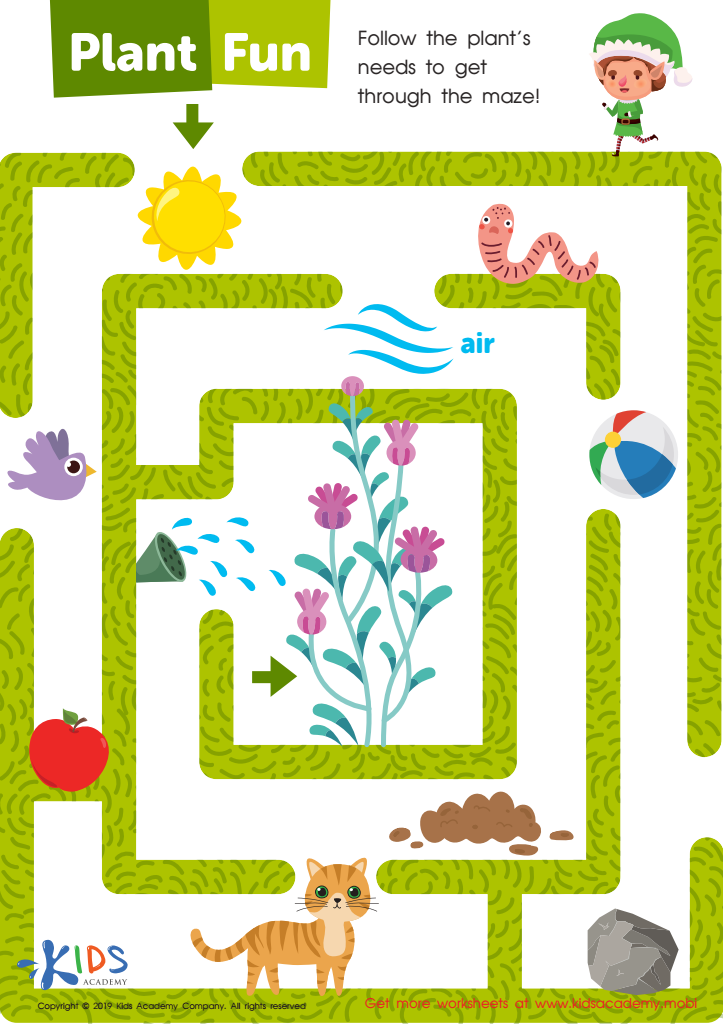
Plant Fun Worksheet
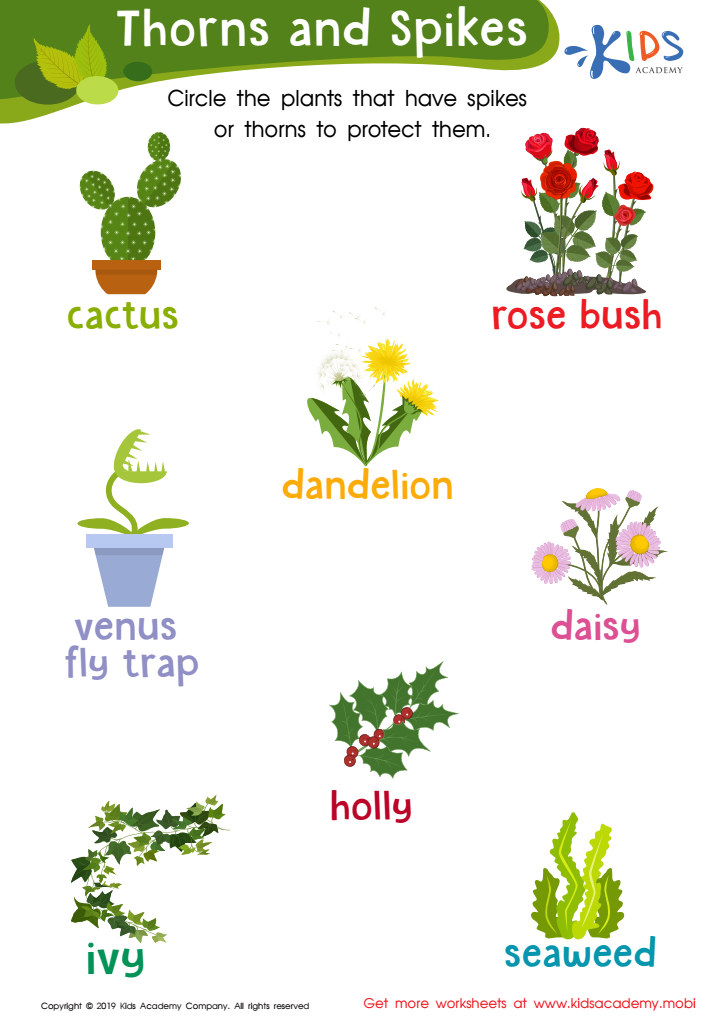
Thorns and Spikes Worksheet
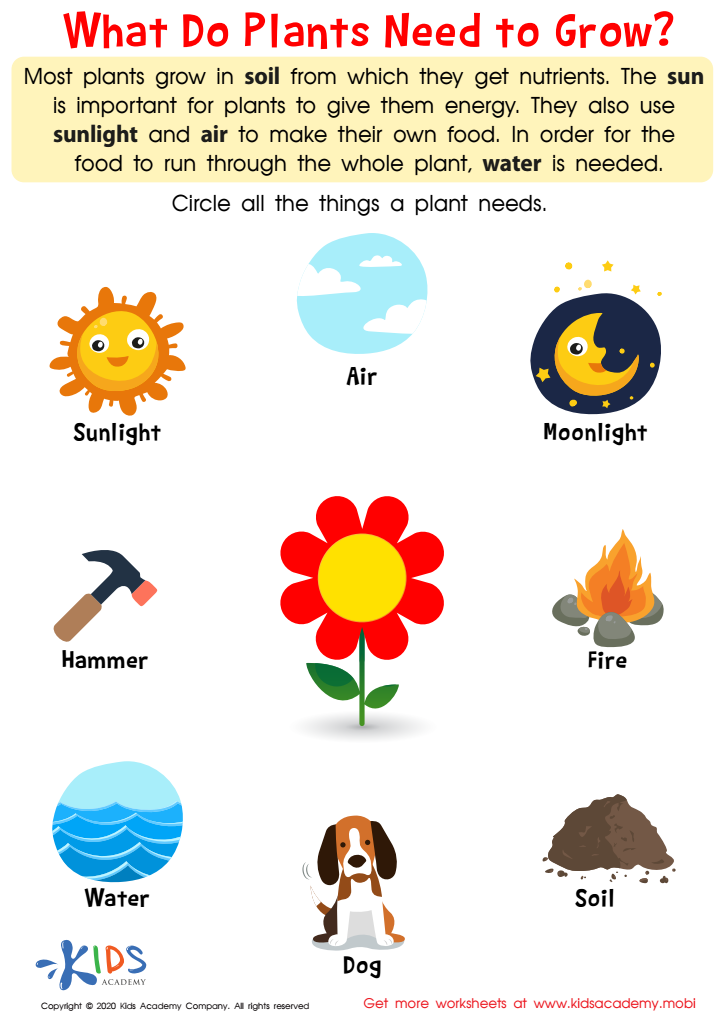
What Do Plants Need to Grow Worksheet
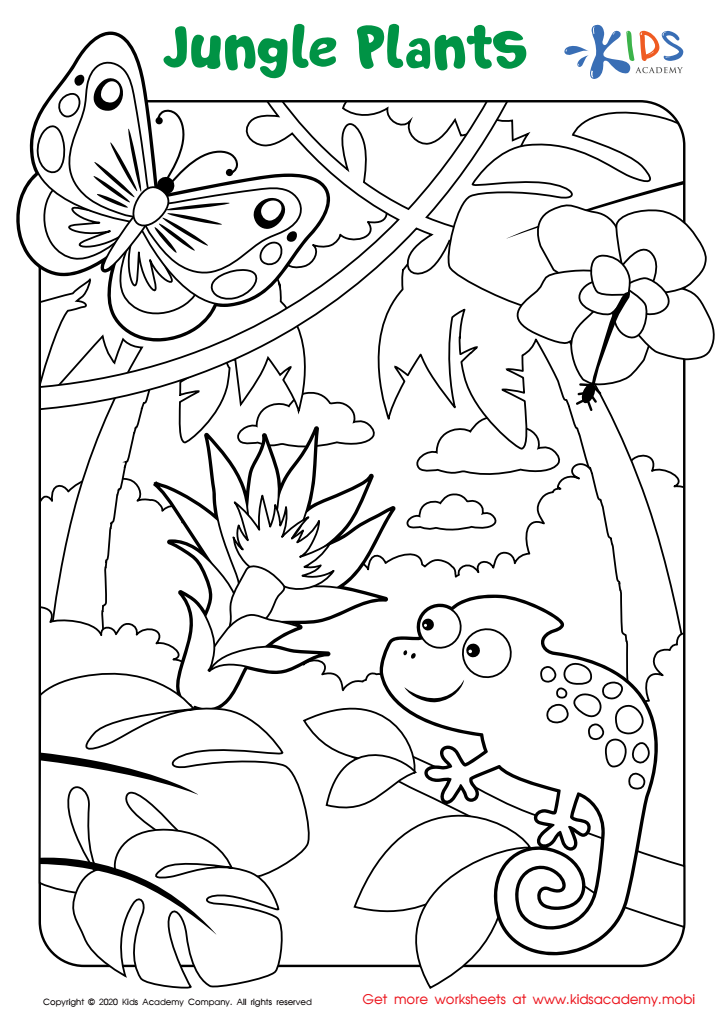
Jungle Plants Worksheet
 Assign to My Students







Parents and teachers should care about plant identification for children aged 5-6 because it fosters a sense of curiosity, nurtures learning, and promotes environmental awareness. At this age, children are naturally curious about the world around them, and engaging in plant identification can stimulate their interest in nature. It encourages exploration and observation, helping them develop critical thinking and observational skills.
Moreover, learning about plants teaches children categorization and similarity-difference identification, reinforcing basic concepts like colors, shapes, and sizes. It can be integrated into broader subjects such as science and math, laying a strong foundation for future learning.
Engaging with plants also enhances social skills, as children often share their findings with peers, fostering teamwork and cooperative learning. Furthermore, understanding local flora can cultivate a sense of belonging and responsibility towards their environment, promoting conservation awareness from an early age.
Finally, outdoor learning associated with plant identification supports physical health, as children are encouraged to play and learn in green spaces. By helping children learn about plants, parents and teachers instill a respect for nature that cultivates environmentally conscious adults who value and protect the world around them.








