Understanding context Worksheets for Ages 5-6
8 filtered results
-
From - To
Enhance your child's comprehension skills with our "Understanding Context Worksheets for Ages 5-6" at Kids Academy! These engaging worksheets are designed to help young learners grasp the meaning and nuances of words within sentences and stories. By focusing on context clues, children practice inferring meanings, building vocabulary, and improving reading fluency in a fun and interactive way. Each worksheet is tailored to fit the developmental stages of 5 to 6-year-olds, ensuring that learning remains age-appropriate and enjoyable. Get started today and watch your child’s reading and critical thinking abilities soar!
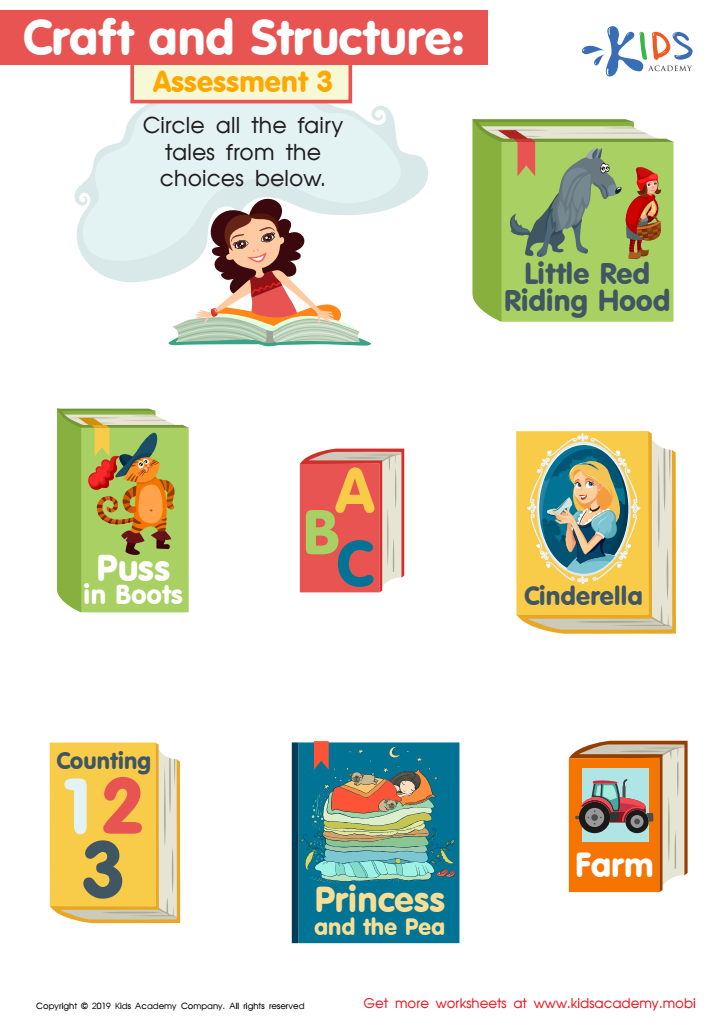
Craft and Structure: Assessment 3 Worksheet
 Assign to My Students
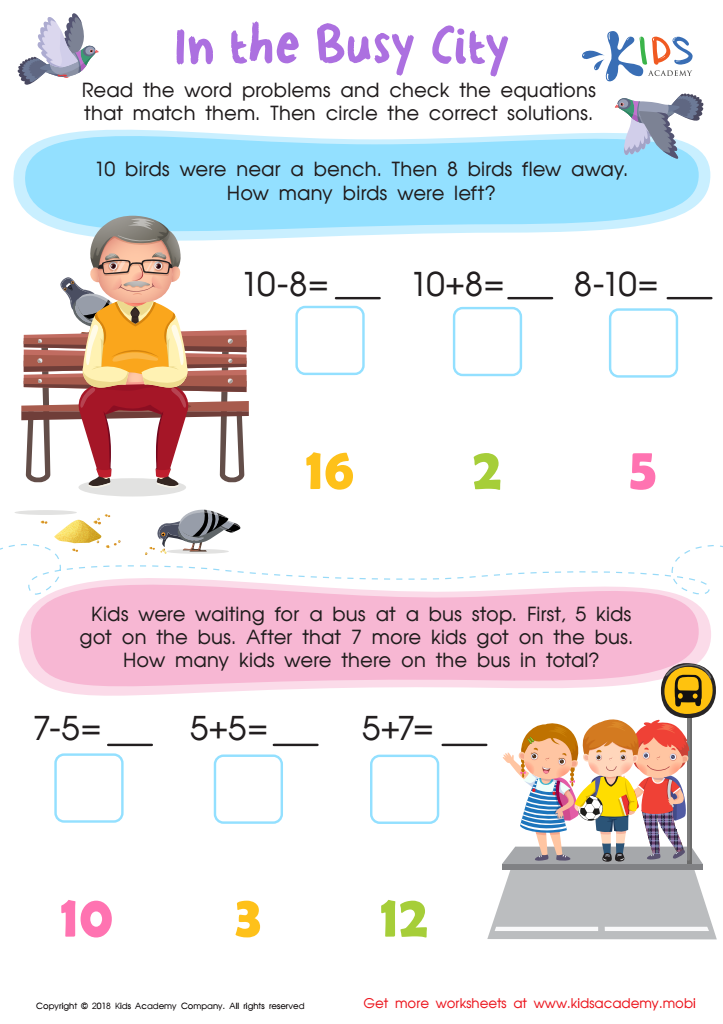
In the Busy City Word Problems Worksheet
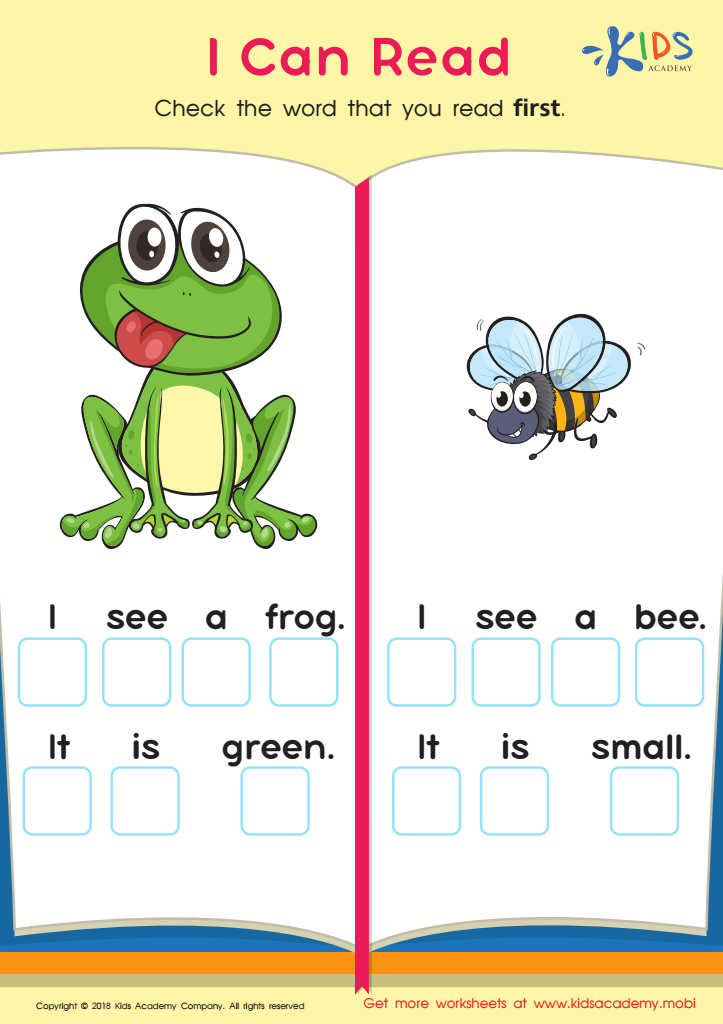
I Can Read Worksheet
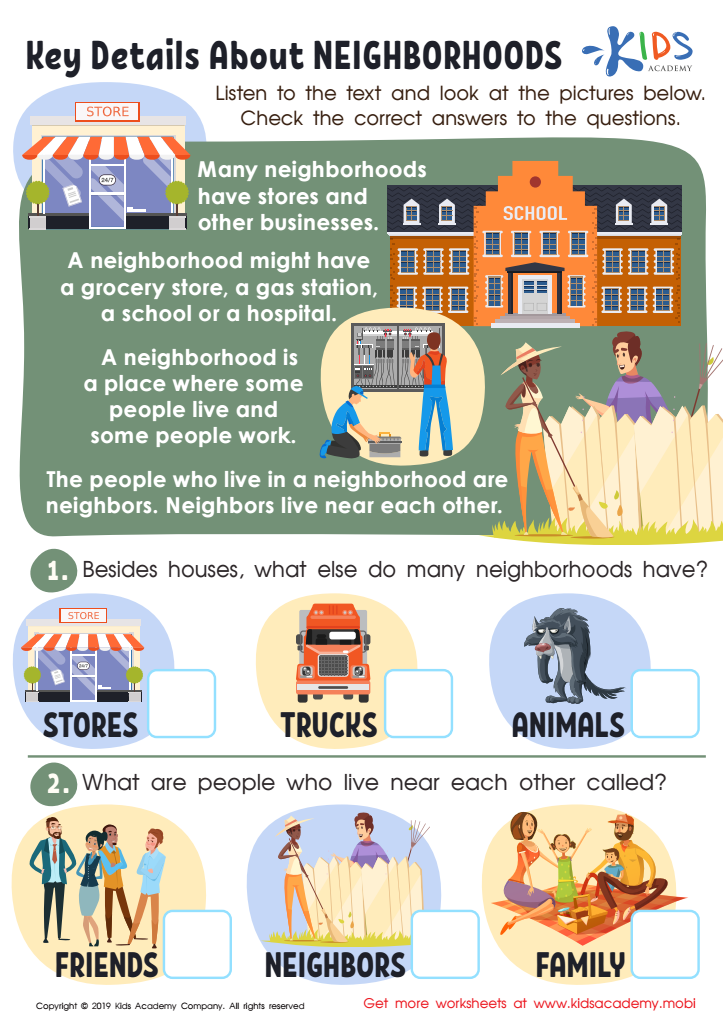
Key Details Neighborhoods Worksheet
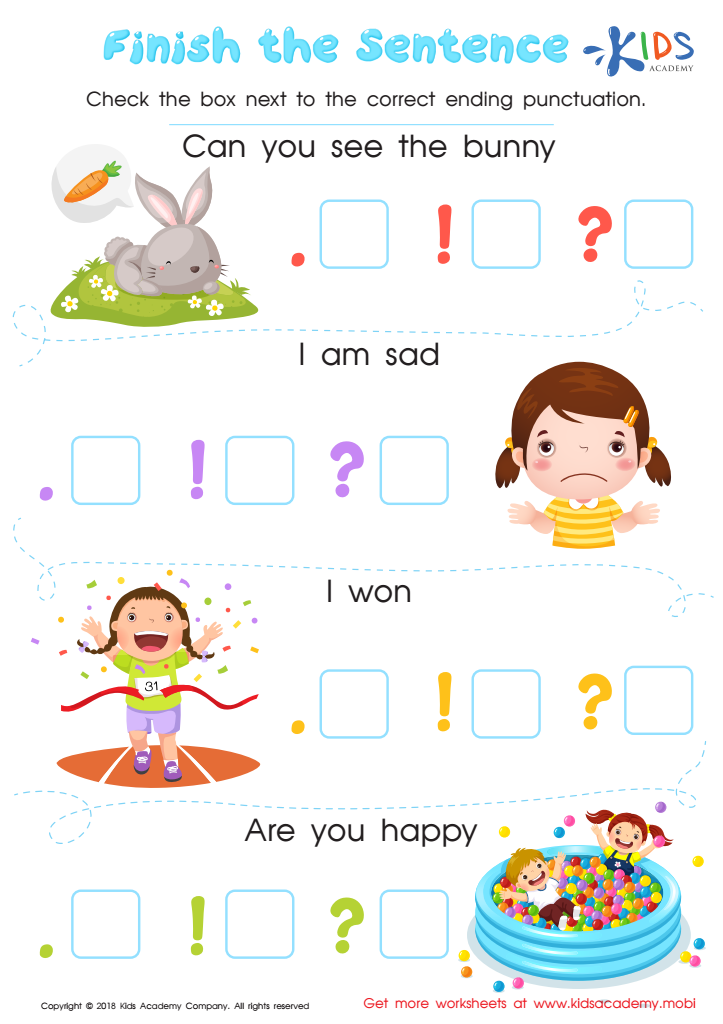
Finish the Sentence Worksheet
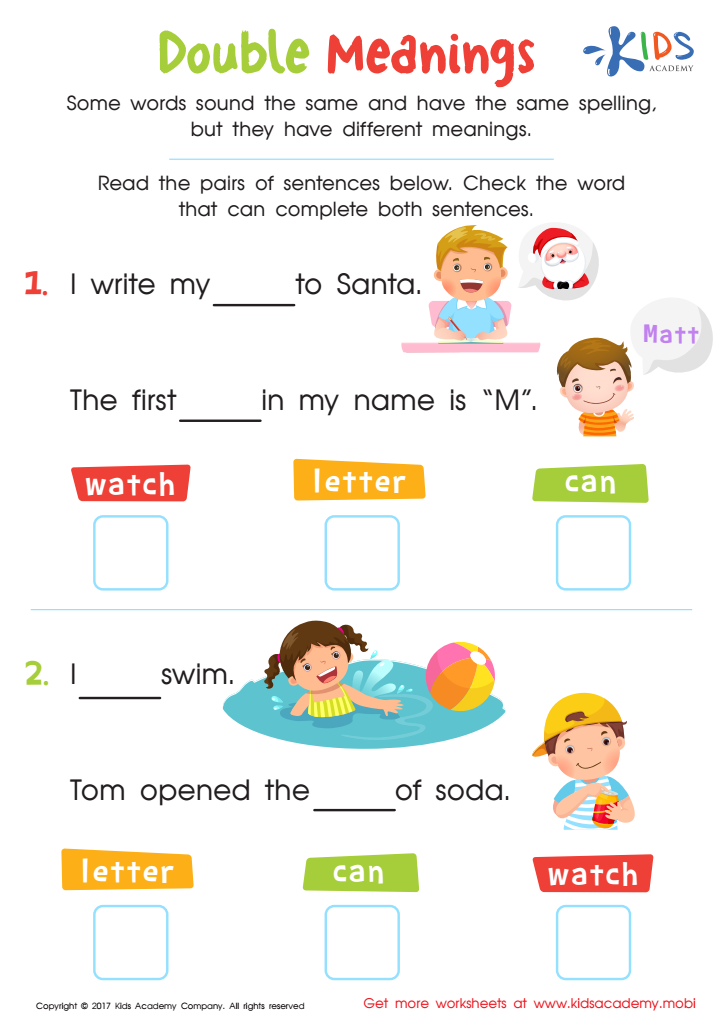
Double Meanings Worksheet
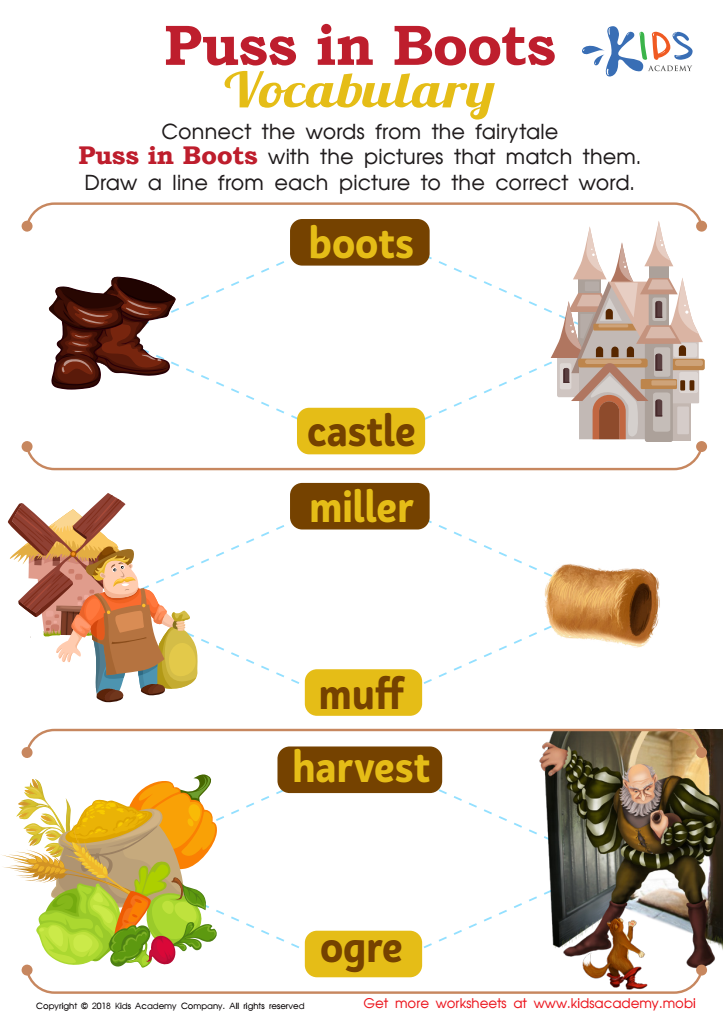
Puss in Boots Vocabulary Worksheet
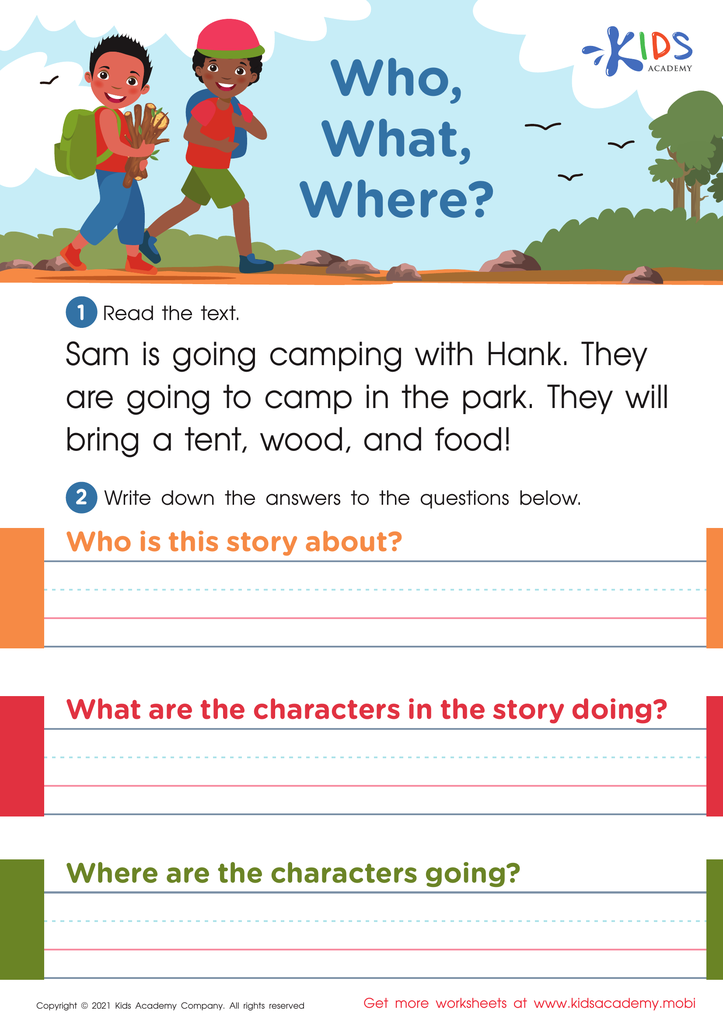
Who, What, Where? Worksheet







Understanding context is crucial for children ages 5-6 because it lays a strong foundation for their cognitive, social, and emotional development. At this formative stage, children are learning how to interpret and respond to various situations, making contextual comprehension essential for their overall growth.
First, grasping context enhances cognitive abilities. When children understand the surrounding environment and social nuances, it boosts their critical thinking and problem-solving skills. For instance, recognizing that a library is a quiet place helps them adapt their behavior accordingly, thereby enhancing their learning experience.
Second, context comprehension fosters social awareness and relationships. Young children begin to understand social cues, body language, and the emotions of others. This awareness helps them develop empathy and improve their ability to communicate effectively with peers and adults, laying the groundwork for strong social relationships.
Lastly, being adept at understanding context contributes to emotional intelligence. Children learn to navigate their feelings and those of others, which is vital for managing stress and building resilience. When teachers and parents emphasize context, they help children make sense of their experiences, facilitating smoother emotional and social adjustments.
In summary, nurturing the ability to grasp context in young children is key for their balanced, holistic development. It equips them with the tools needed for effective learning, social interaction, and emotional well-being.








