Check out this FREE "Understanding fractions" Trial Lesson for age 5-6!

P

Favorites
With answer key
Interactive
  • 5-6
  • Understanding fractions
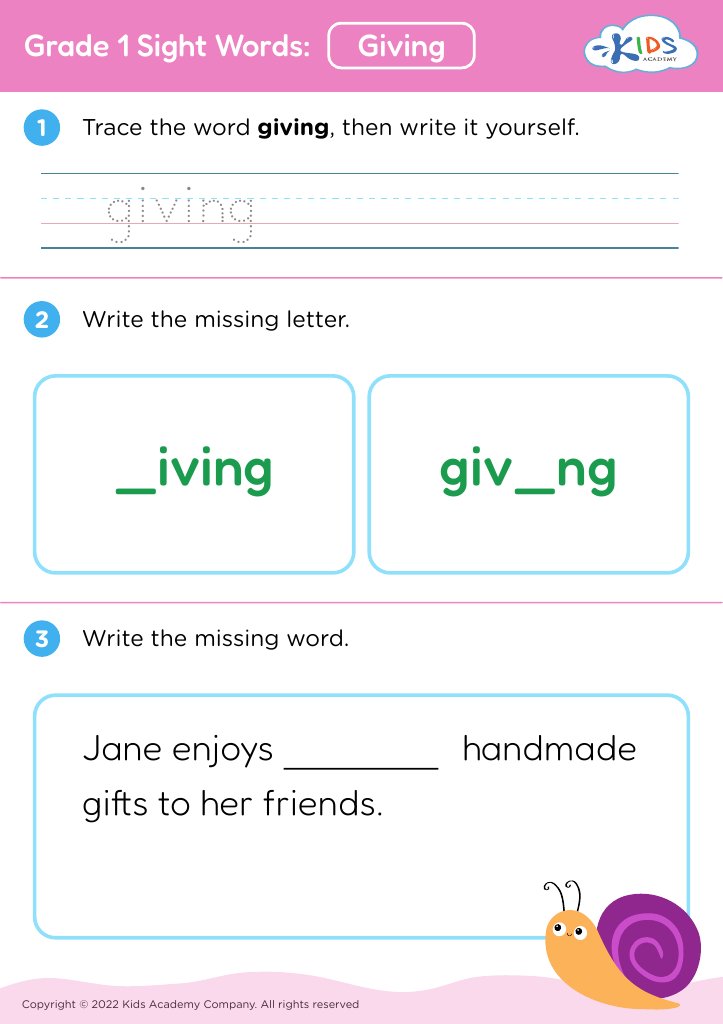
Grade 1 Sight Words: Giving

Grade 1 Sight Words: Giving

Grade 1 Sight Words: Giving
Worksheet
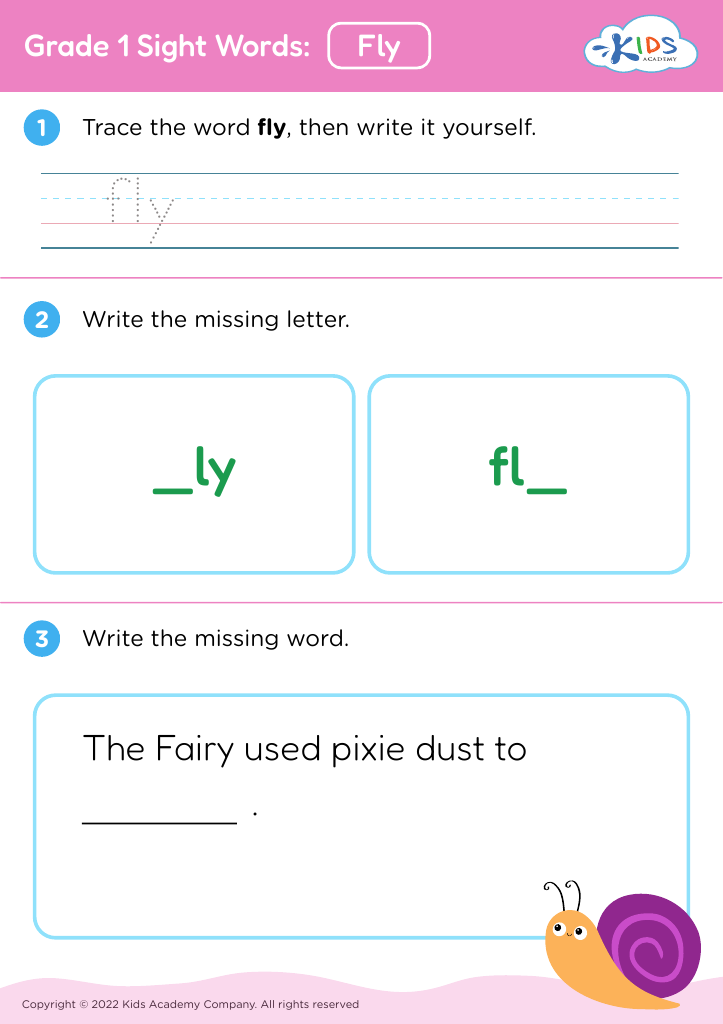
Grade 1 Sight Words: Fly

Grade 1 Sight Words: Fly

Grade 1 Sight Words: Fly
Worksheet
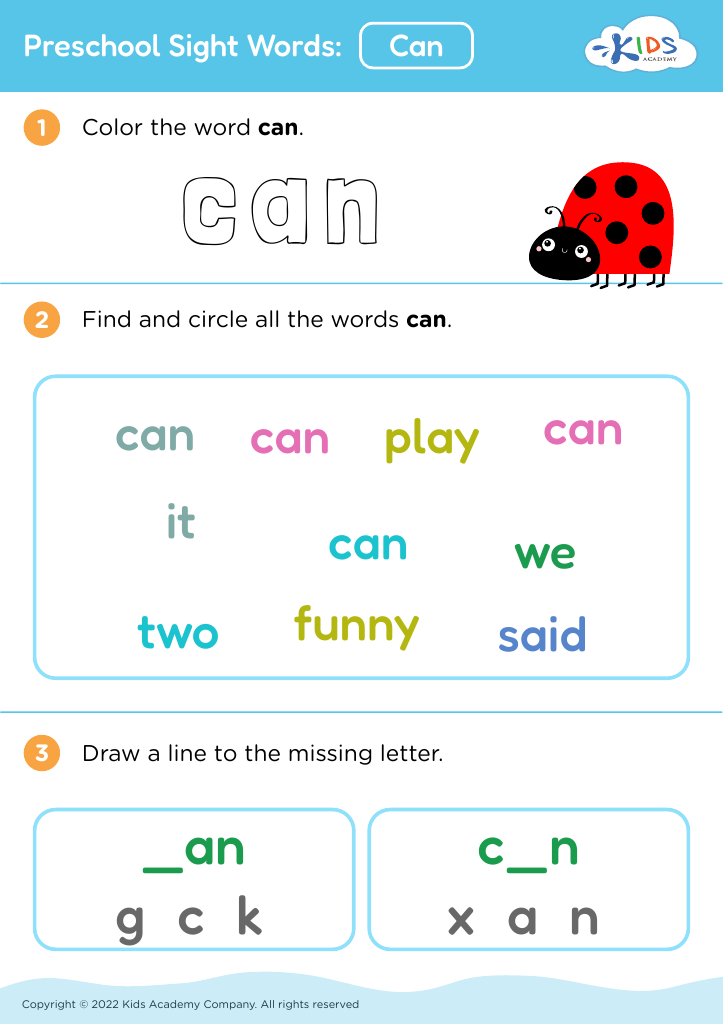
Preschool Sight Words: Can

Preschool Sight Words: Can

Preschool Sight Words: Can
Worksheet
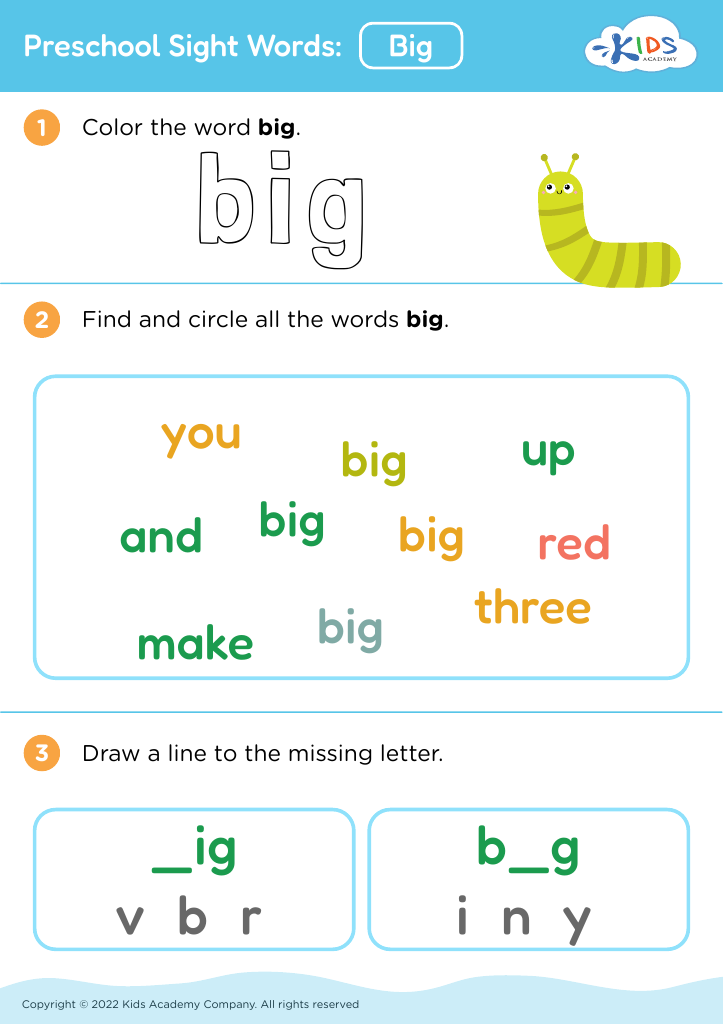
Preschool Sight Words: Big

Preschool Sight Words: Big

Preschool Sight Words: Big
Worksheet
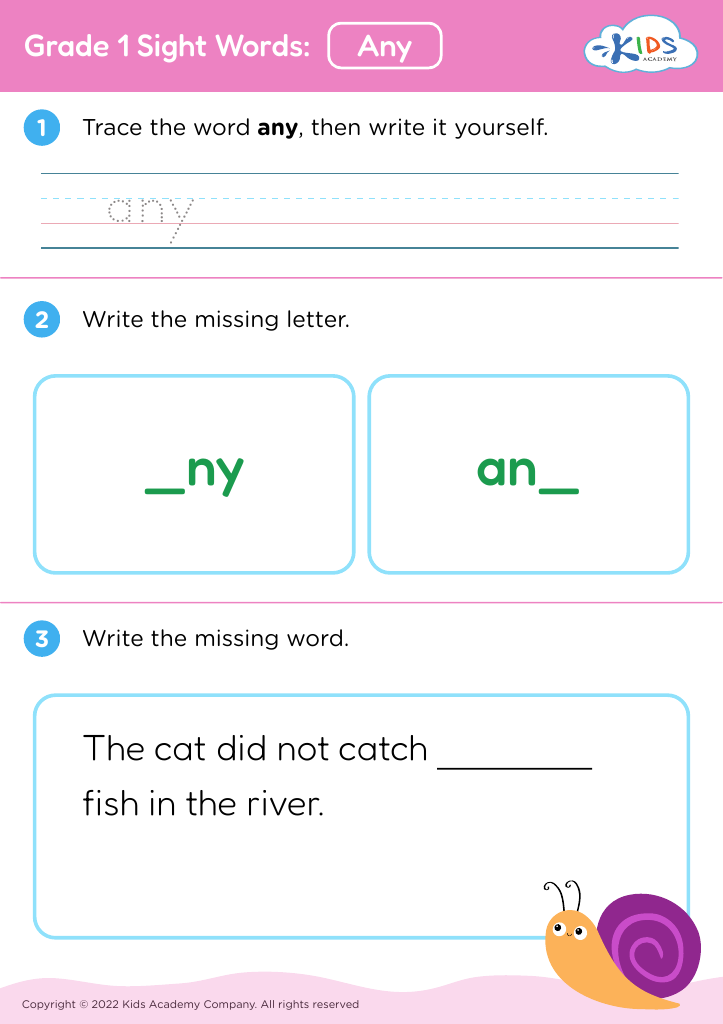
Grade 1 Sight Words: Any

Grade 1 Sight Words: Any

Grade 1 Sight Words: Any
Worksheet
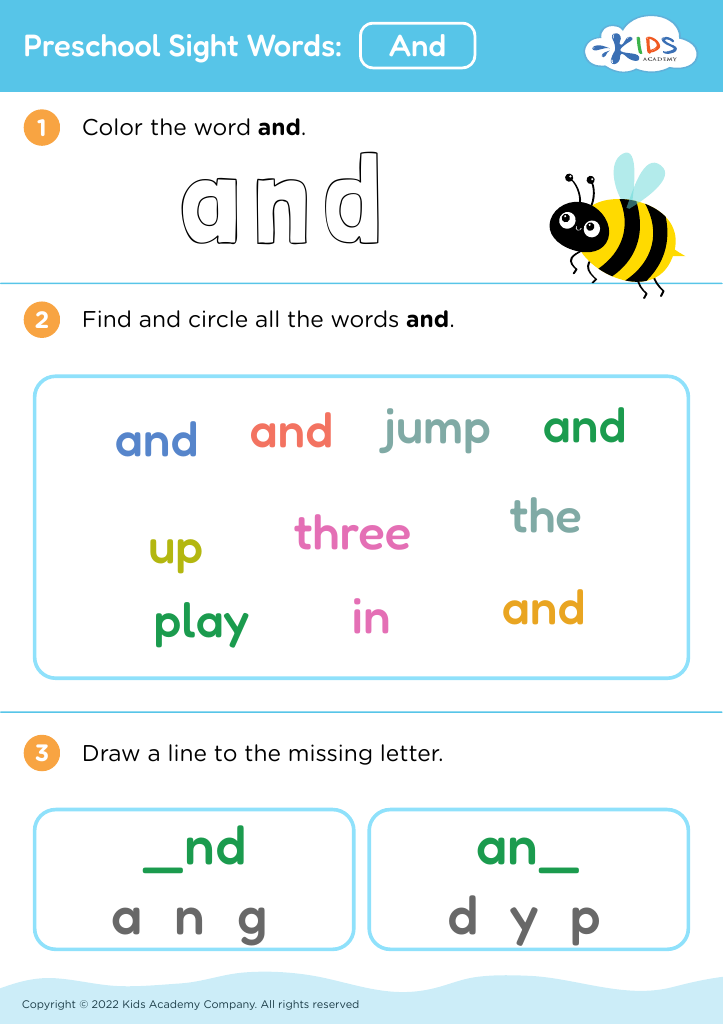
Preschool Sight Words: And

Preschool Sight Words: And

Preschool Sight Words: And
Worksheet
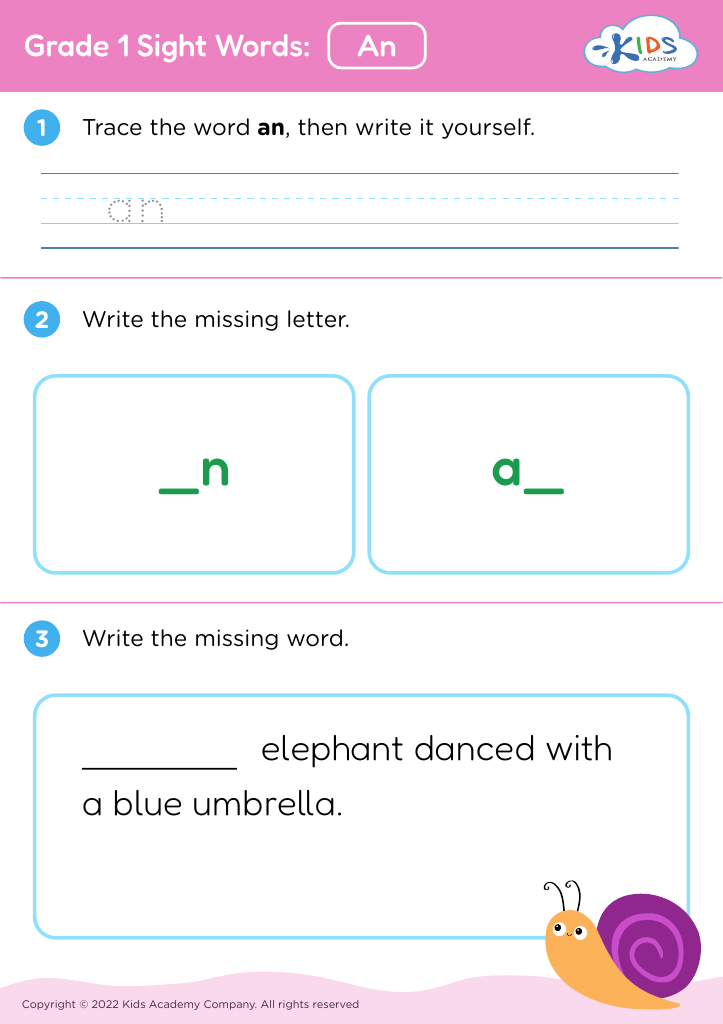
Grade 1 Sight Words: An

Grade 1 Sight Words: An

Grade 1 Sight Words: An
Worksheet
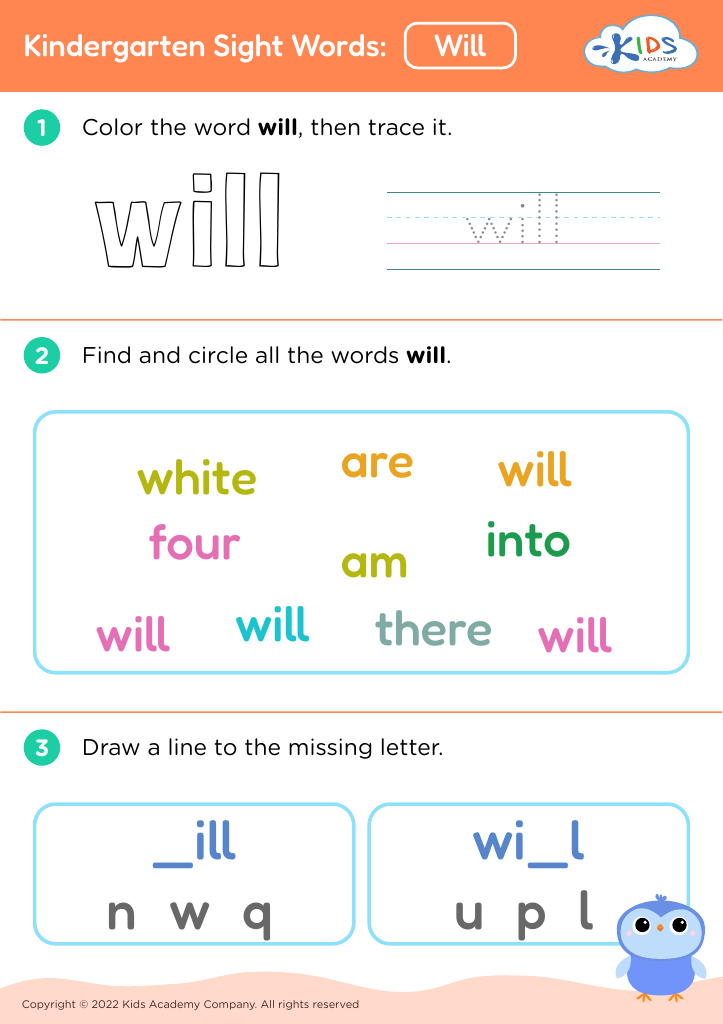
Kindergarten Sight Words: Will

Kindergarten Sight Words: Will

Kindergarten Sight Words: Will
Worksheet
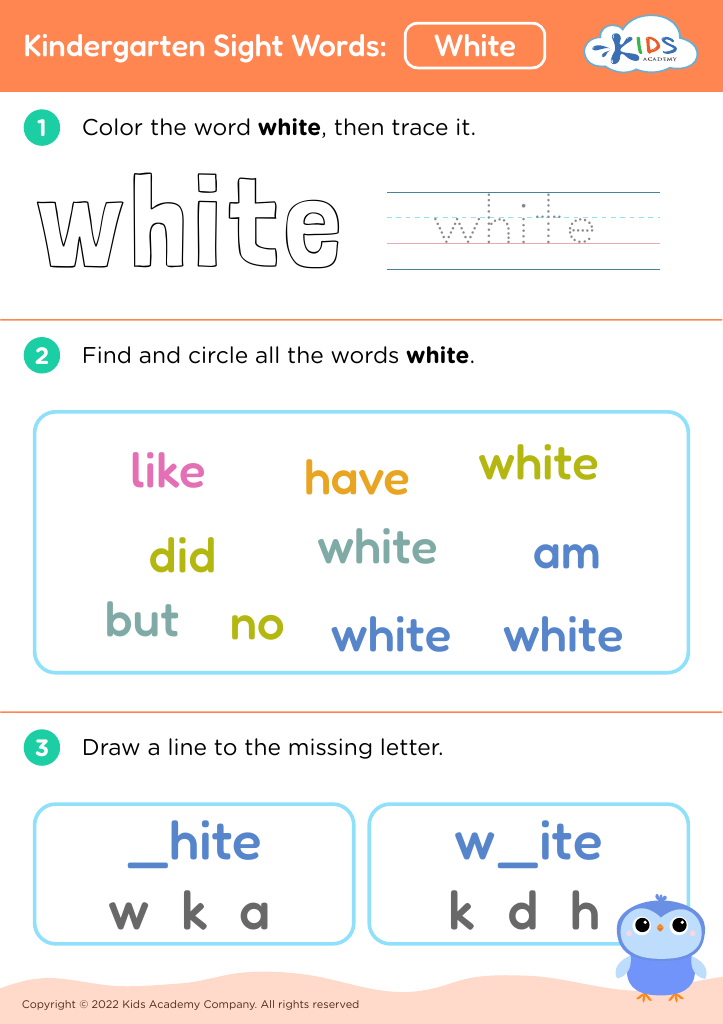
Kindergarten Sight Words: White

Kindergarten Sight Words: White

Kindergarten Sight Words: White
Worksheet
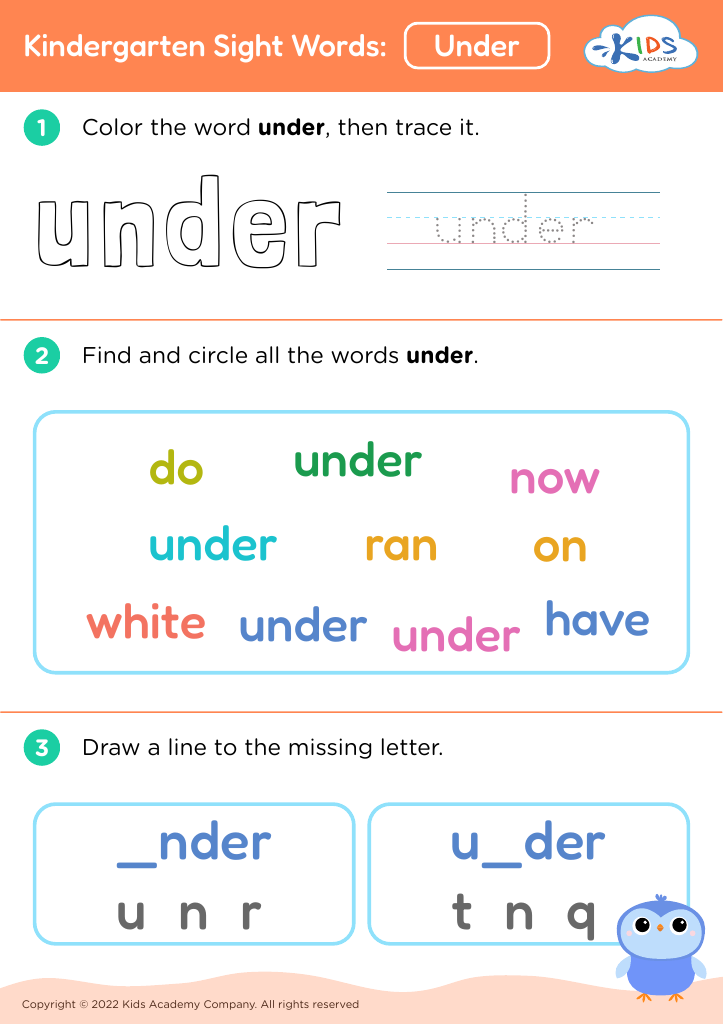
Kindergarten Sight Words: Under

Kindergarten Sight Words: Under

Kindergarten Sight Words: Under
Worksheet
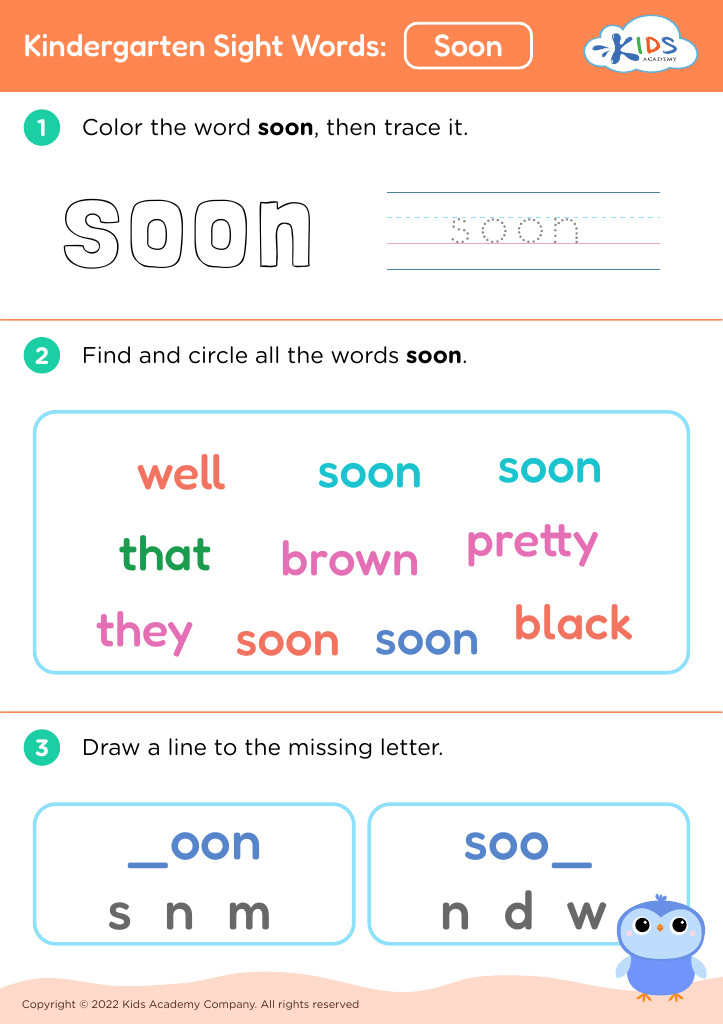
Kindergarten Sight Words: Soon

Kindergarten Sight Words: Soon

Kindergarten Sight Words: Soon
Worksheet
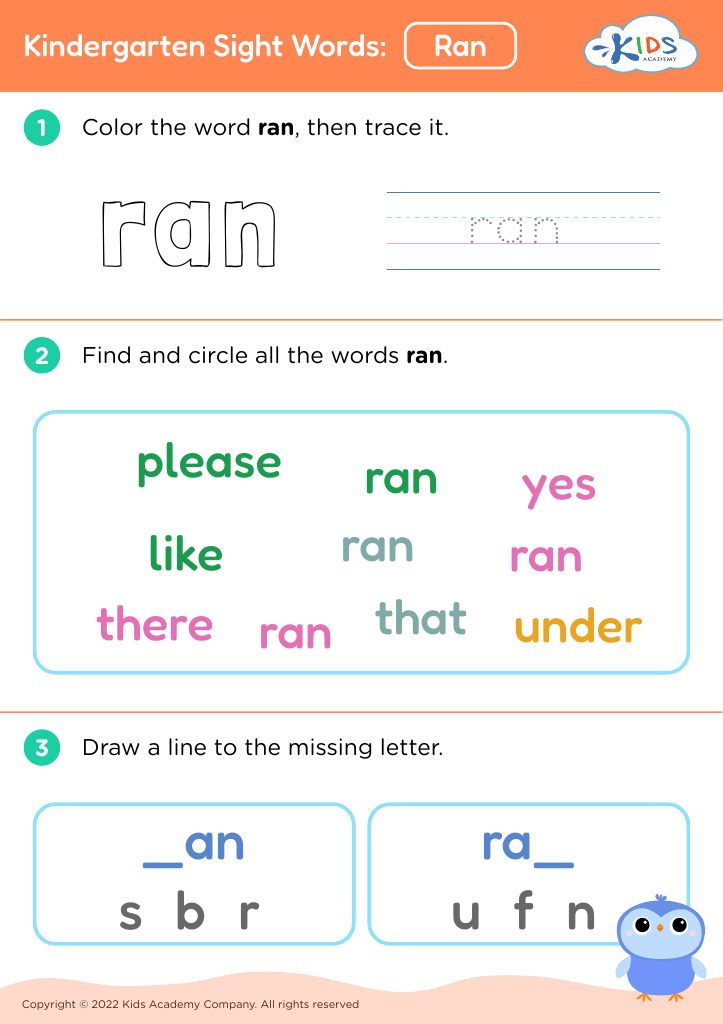
Kindergarten Sight Words: Ran

Kindergarten Sight Words: Ran

Kindergarten Sight Words: Ran
Worksheet
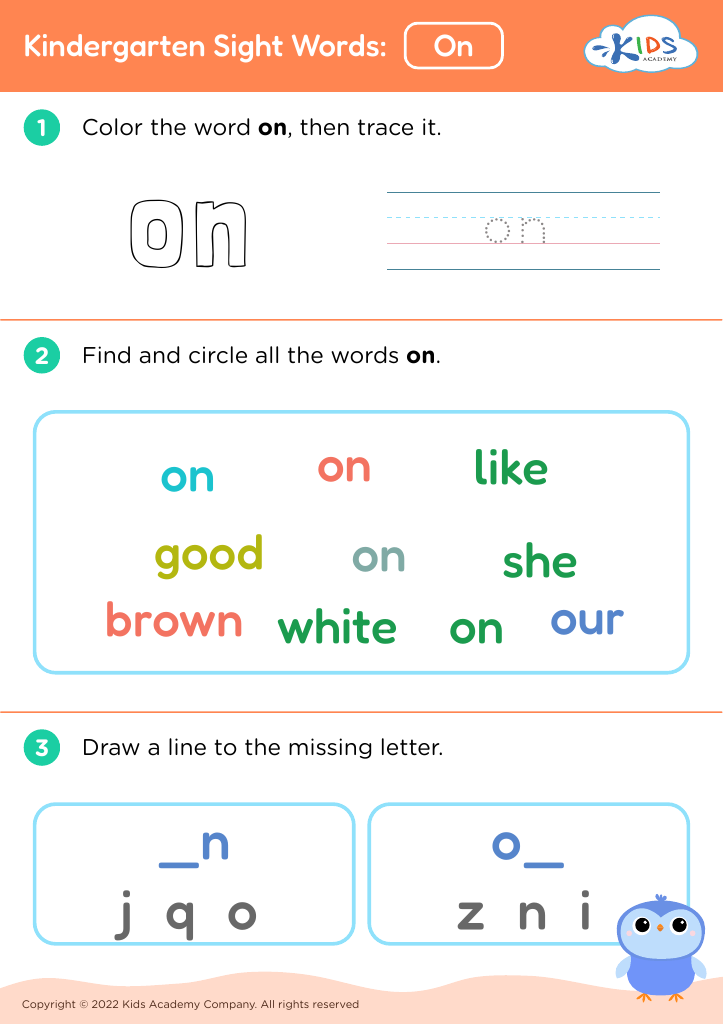
Kindergarten Sight Words: On

Kindergarten Sight Words: On

Kindergarten Sight Words: On
Worksheet
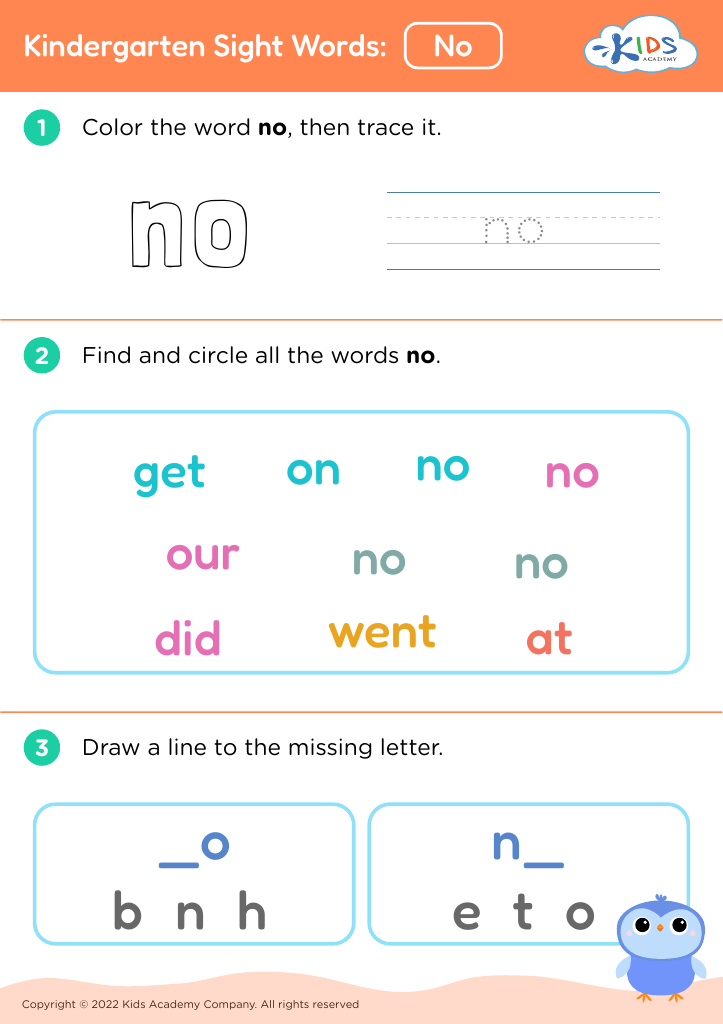
Kindergarten Sight Words: No

Kindergarten Sight Words: No

Kindergarten Sight Words: No
Worksheet


... 2 3

Understanding fractions at ages 5-6 is crucial for several reasons. First, early exposure to fractions lays the foundation for mathematical proficiency in later years. Just like learning to read phonetically helps kids tackle complex words, grasping fractions early boosts a child's ability to handle more complex math topics, such as algebra and geometry, down the line.

Second, fractions are woven into daily life. From equally sharing snacks to understanding portions in recipes, fractions are everywhere. Introducing them young helps children better navigate everyday tasks and stimulates critical thinking and decision making.

Third, developing a conceptual understanding of fractions helps enhance a child's overall number sense. It promotes an understanding of division, proportions, and parts of a whole, algebra concepts pivotal for higher-order math skills. If children find these foundational principles approachable and intuitive from an early age, they'll likely develop a positive attitude towards math in general.

Finally, teaching fractions to young children nurtures their problem-solving and logical reasoning abilities. This not only benefits their mathematical skills but also sharpens their minds for various cognitive tasks across all subjects. Fostering these skills early in a supportive, engaging environment helps instill confidence and perseverance, qualities valuable far beyond the math classroom.