Understanding number values Worksheets for Ages 5-6
4 filtered results
-
From - To
Help your little learners master number values with our engaging worksheets designed specifically for ages 5-6! Our collection features fun and interactive activities that make understanding numbers enjoyable and effective. Young children will explore concepts like counting, comparing, and identifying numbers through colorful illustrations and playful exercises. These worksheets are perfect for reinforcing early math skills in a school or home setting, ensuring that children build a strong foundation for future learning. Watch your child gain confidence as they play while discovering the importance of number values. Start their math journey today with our thoughtfully crafted resources!
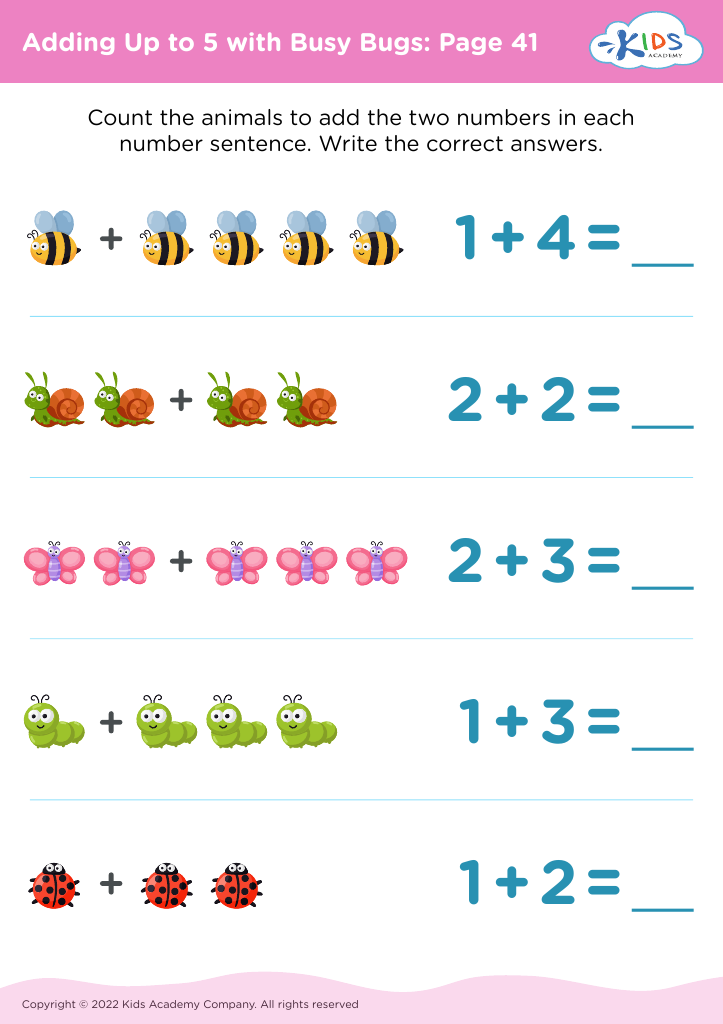
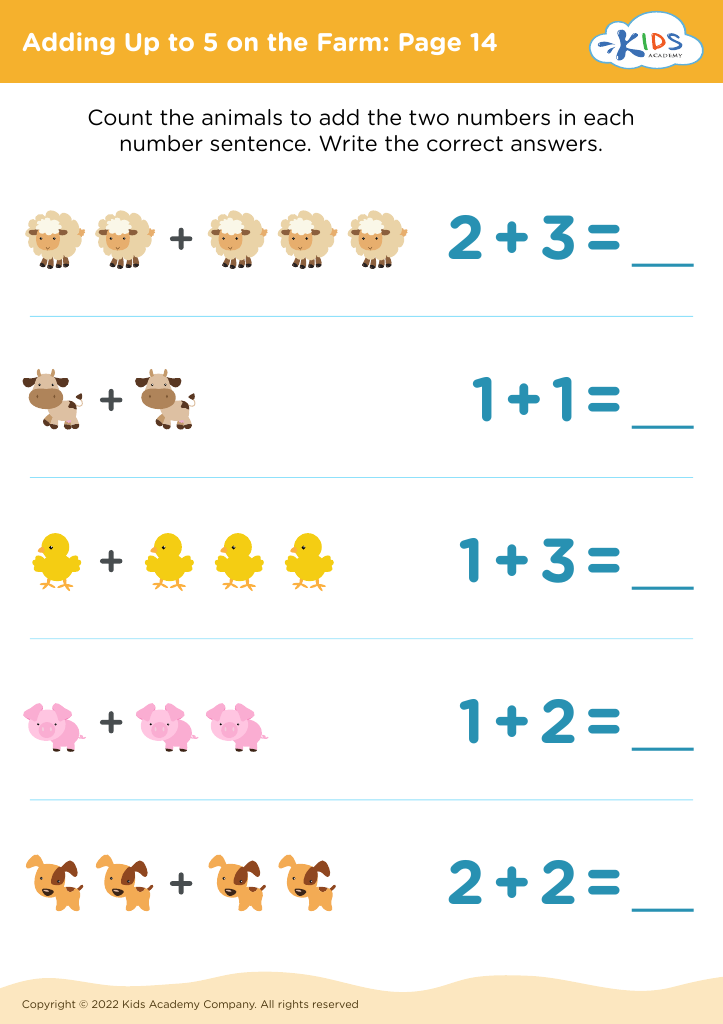
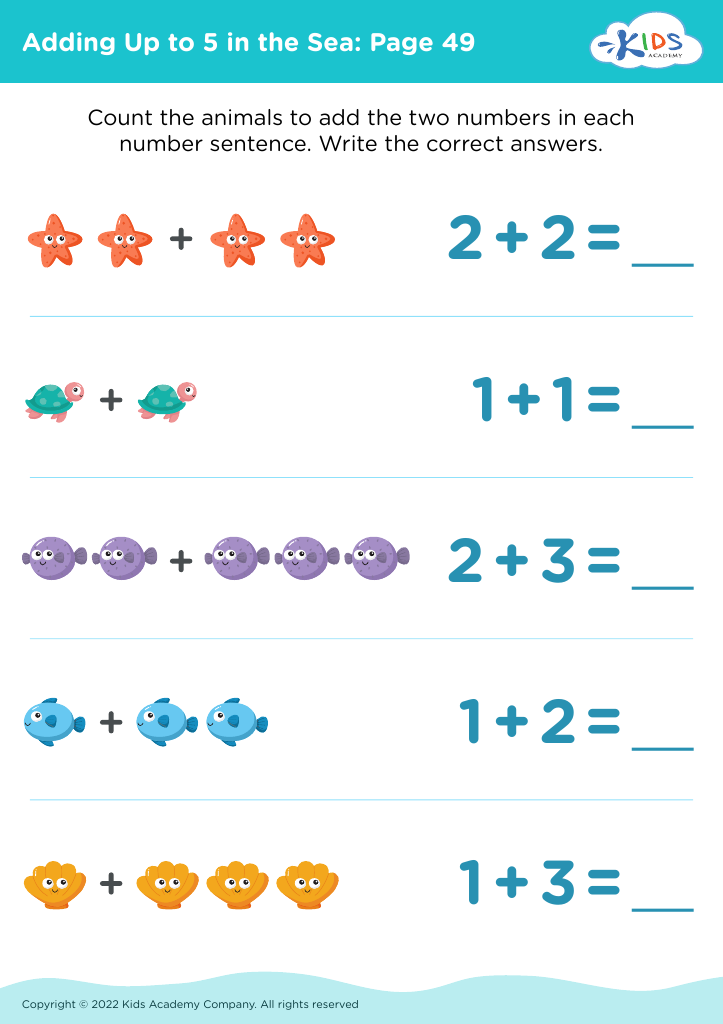
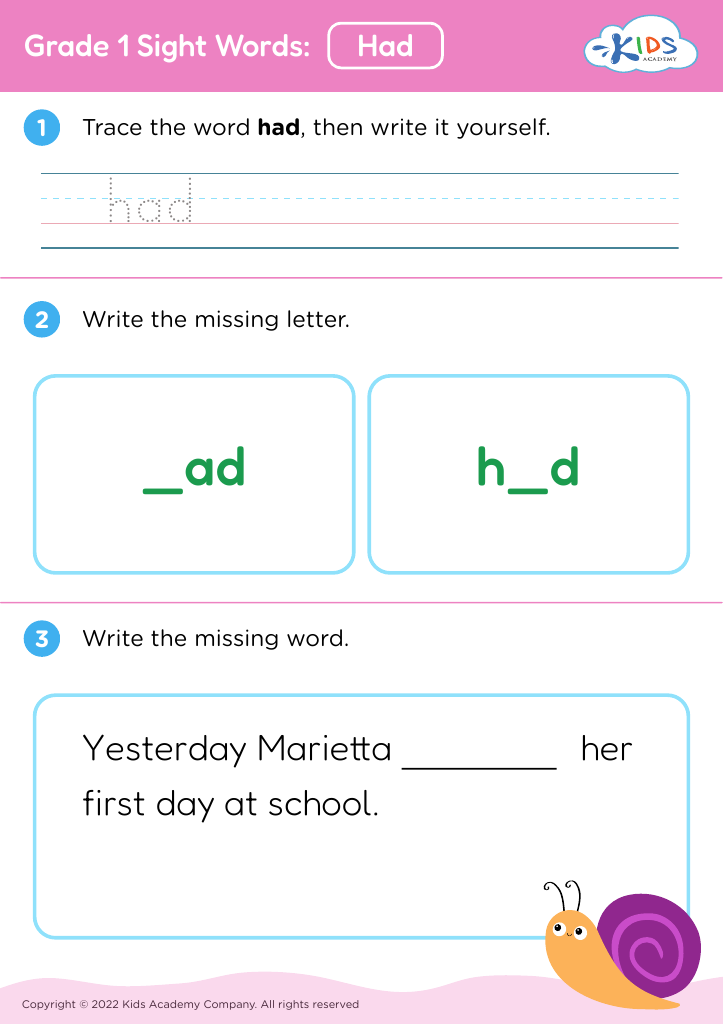



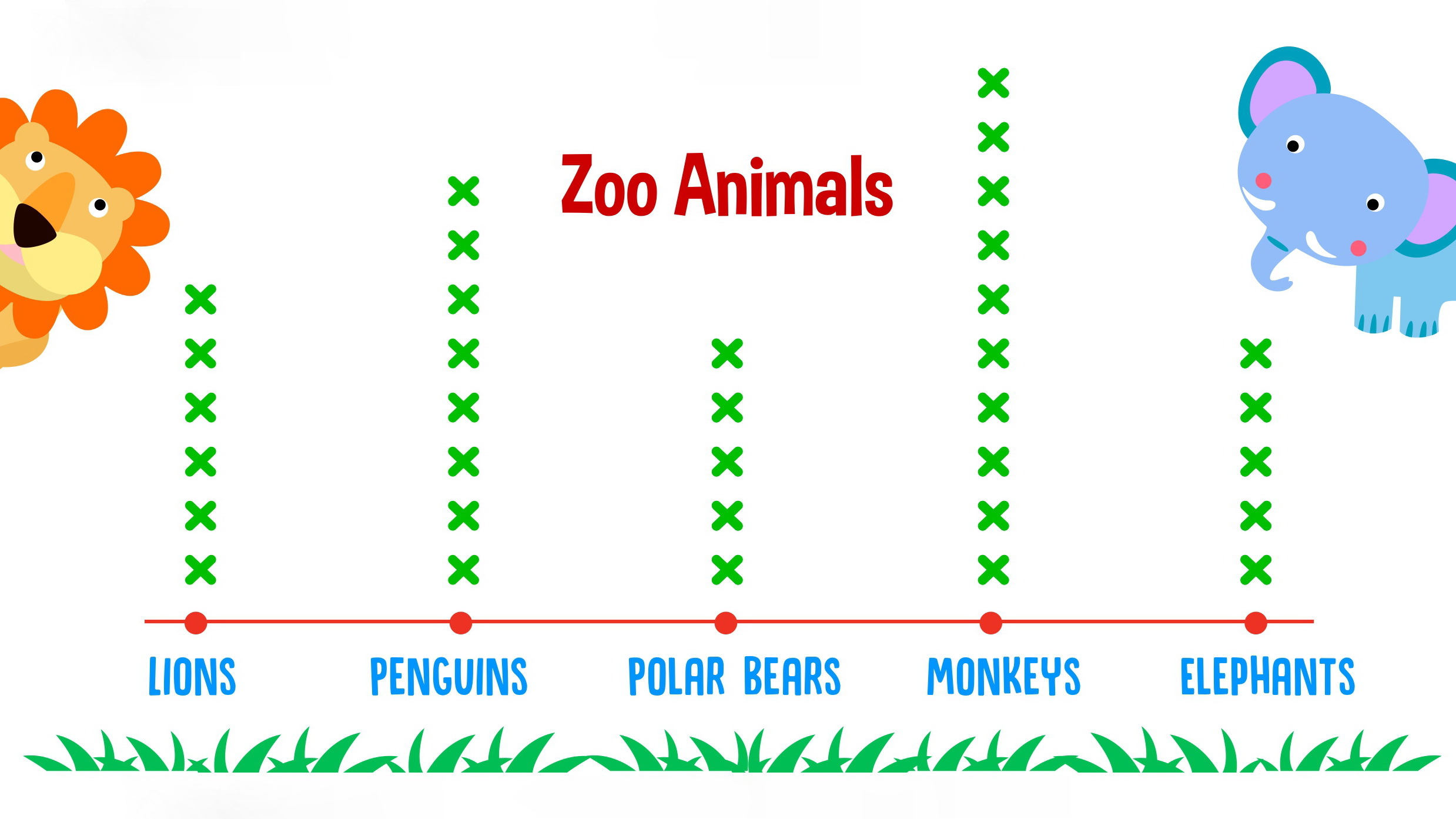




Understanding number values is foundational for children aged 5-6 as it sets the stage for all future mathematics learning. At this sensitive age, children begin to grasp the concept of numbers and their relationships, making it crucial that parents and teachers nurture this understanding. A solid grasp of number values helps children develop essential skills such as counting, comparing, and basic addition and subtraction, which are vital for more complex mathematical concepts later on.
Moreover, understanding number values supports cognitive development. It enhances problem-solving abilities and logical thinking, encouraging children to approach challenges systematically. As they learn to recognize the size and significance of numbers, they also gain confidence in expressing their thoughts and reasoning.
In addition, this foundational knowledge equips children with skills they will use daily, from simple tasks like counting objects to understanding money and time. By fostering number value awareness early on, parents and teachers can promote an enduring positive attitude towards math, intertwining it with everyday life. Investing time in this important learning area not only supports academic success but also lays the groundwork for critical thinking and everyday decision-making, ultimately fostering independent, confident learners.








