Visual perception development Worksheets for Ages 5-6
3 filtered results
-
From - To
Enhance your child's visual perception skills with our engaging worksheets designed for ages 5-6! Our expertly crafted activities focus on developing crucial skills, such as pattern recognition, spatial awareness, and distinguishing differences and similarities. Through fun and interactive exercises, kids will boost their ability to process and interpret visual information, laying a strong foundation for reading, writing, and everyday problem-solving. Each worksheet is thoughtfully created to make learning enjoyable and effective, ensuring your child stays motivated and excited about their progress. Start your child’s journey to improved visual perception with our specialized worksheets today!
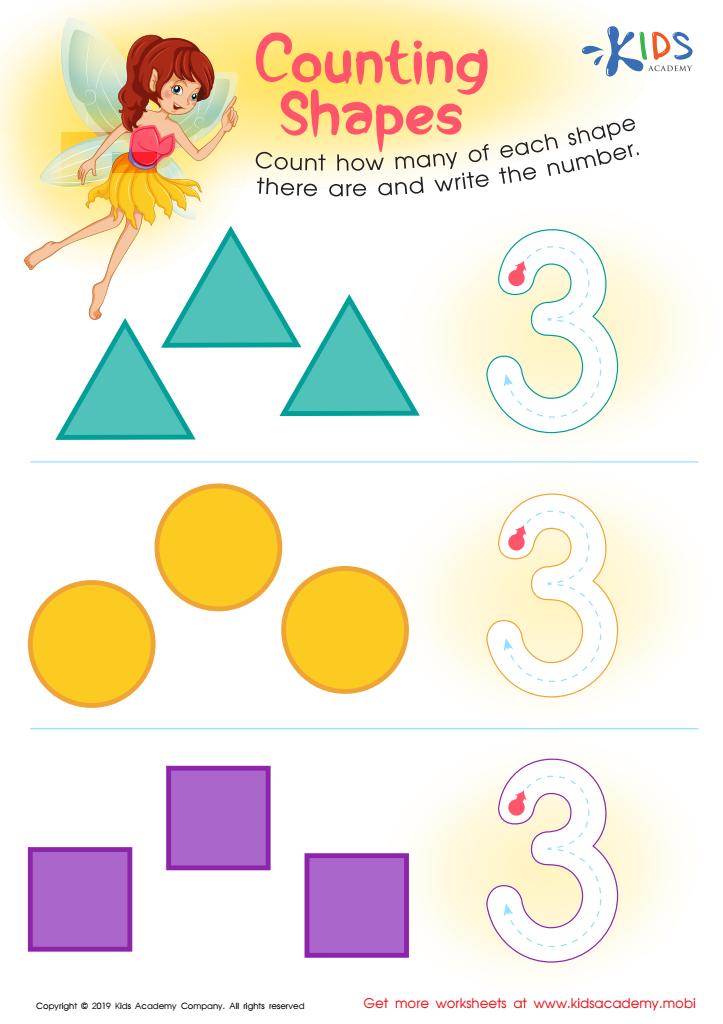
Counting Shapes Worksheet
 Assign to My Students
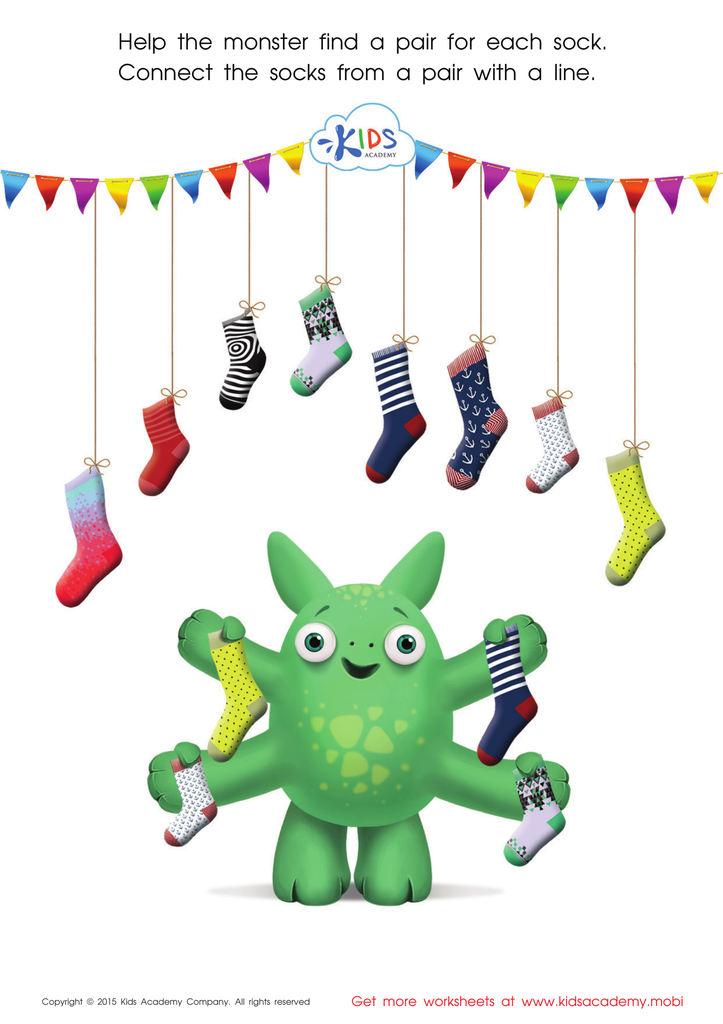
Math Matching Pairs Game: Monsterв's Socks Worksheet
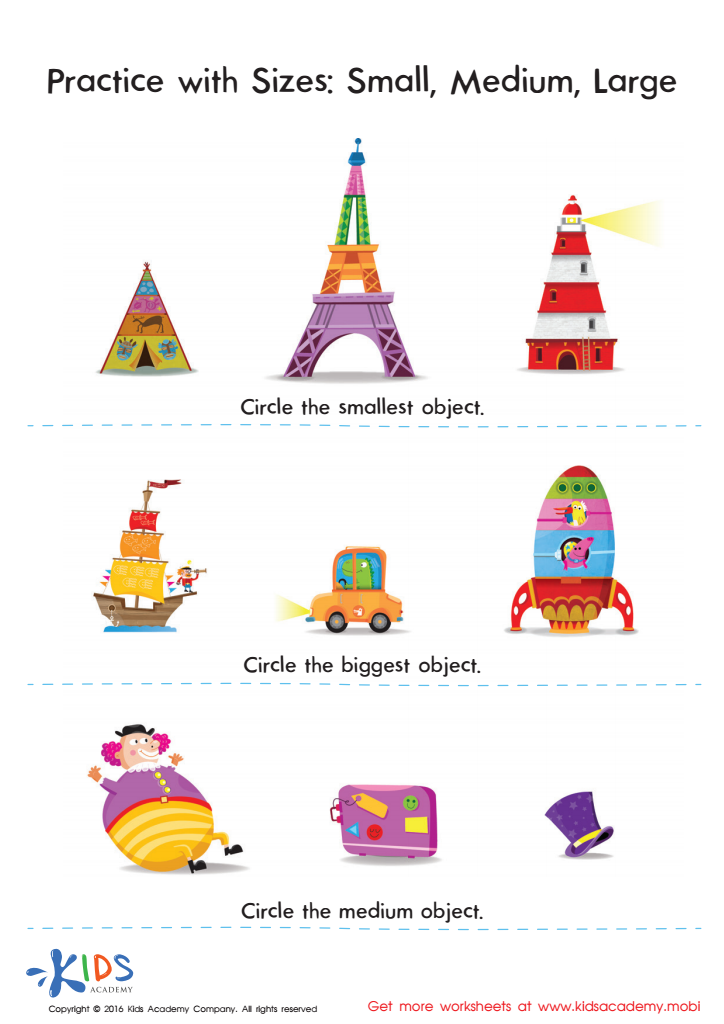


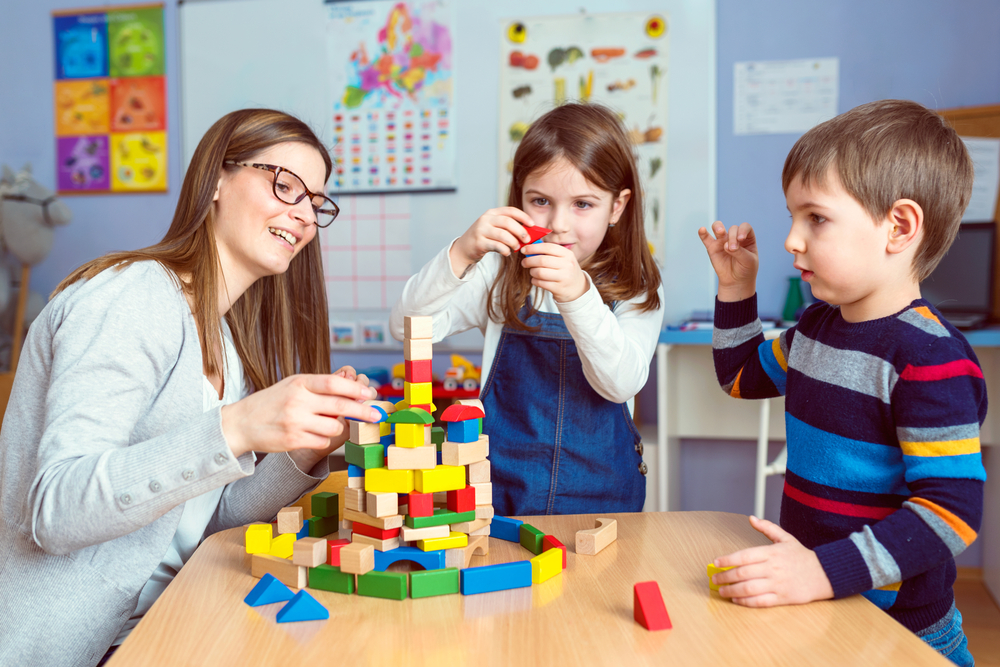


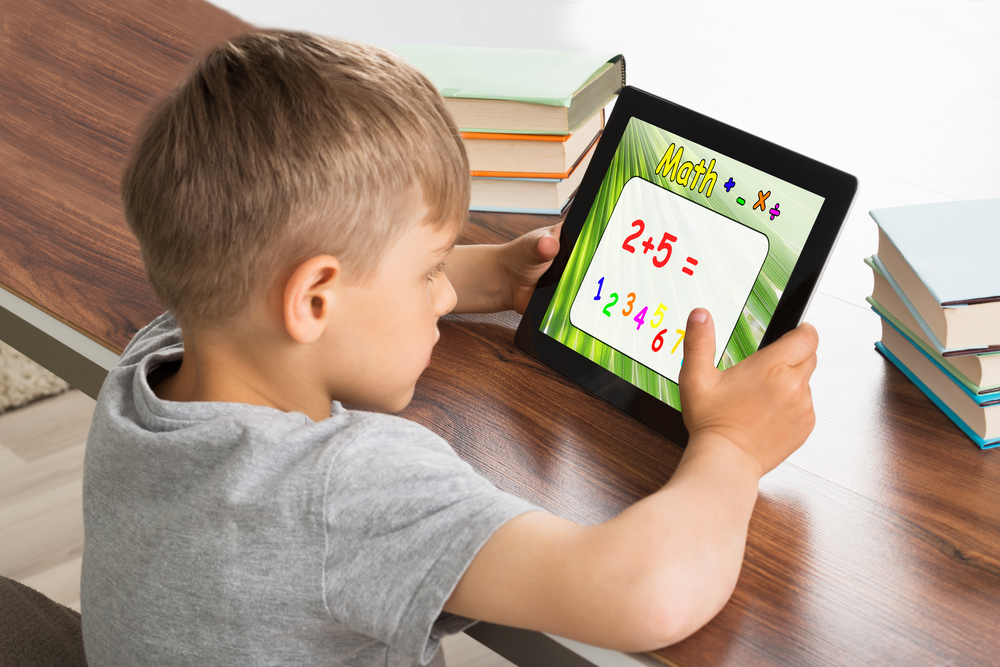
Visual perception is a critical aspect of a child's overall development and becomes particularly significant at ages 5-6, a pivotal period for early learning experiences. At this age, children are transitioning from preschool to more structured educational environments like kindergarten or first grade, where visual perceptual skills are heavily utilized and developed.
Firstly, visual perception influences reading readiness. The ability to distinguish shapes, letters, and patterns is foundational for learning to read and write. Children need to differentiate between similar-looking letters such as 'b' and 'd' or 'p' and 'q,' which requires strong visual discrimination skills.
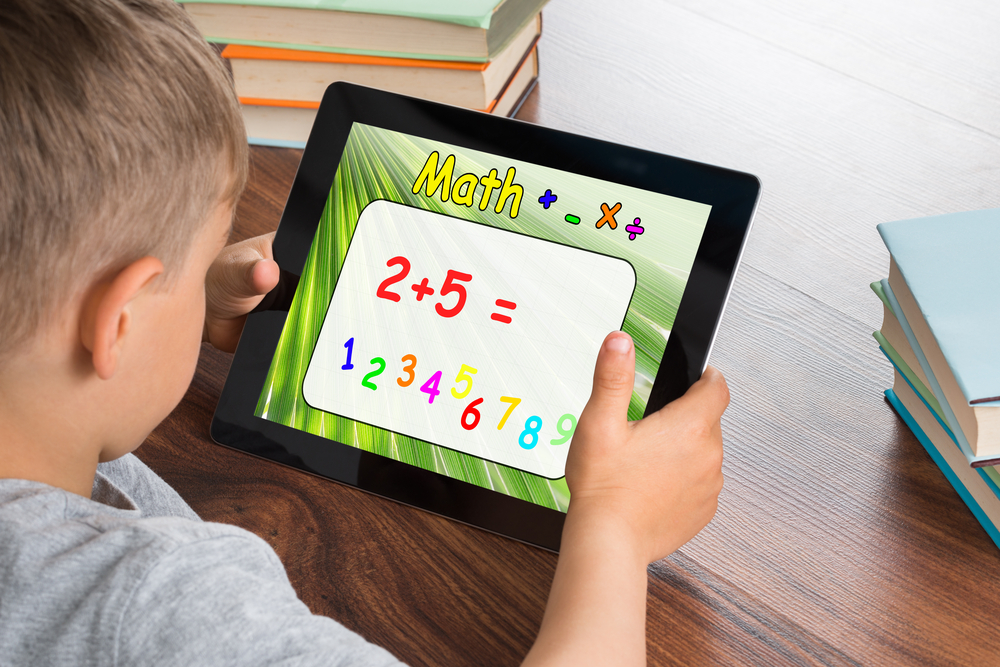
Secondly, mathematical concepts also depend on visual perceptual abilities. Recognizing numbers, understanding spatial relationships, and following the alignment of rows and columns for basic arithmetic tasks are all visually grounded activities.
Moreover, good visual perception supports improved hand-eye coordination, which is vital for activities such as writing, cutting with scissors, drawing, and engaging in sports. Enhanced visual perception can lead to better performance in arts and physical education, fostering a more well-rounded development.
Importantly, children with underdeveloped visual perceptual skills might struggle with classroom tasks, possibly leading to frustration and a lack of confidence. Parents and teachers play a crucial role in identifying challenges early and providing activities that strengthen these essential skills, ensuring children have a solid foundation for academic success and daily life activities.








