Visualization skills Worksheets for Ages 5-6
4 filtered results
-
From - To
Discover our engaging Visualization Skills Worksheets for ages 5-6, designed to help young learners enhance their cognitive abilities through fun, interactive activities. These worksheets aim to strengthen children's imagination and visual processing, crucial for early literacy and comprehension. With a variety of tasks including puzzles, drawing prompts, and picture-based games, kids will build their visual memory and keen observation skills. Ideal for home or classroom use, these worksheets foster creativity while promoting critical thinking. Explore our collection now and support your child's developmental journey in a playful and effective way! Perfect for encouraging a love of learning from a young age!
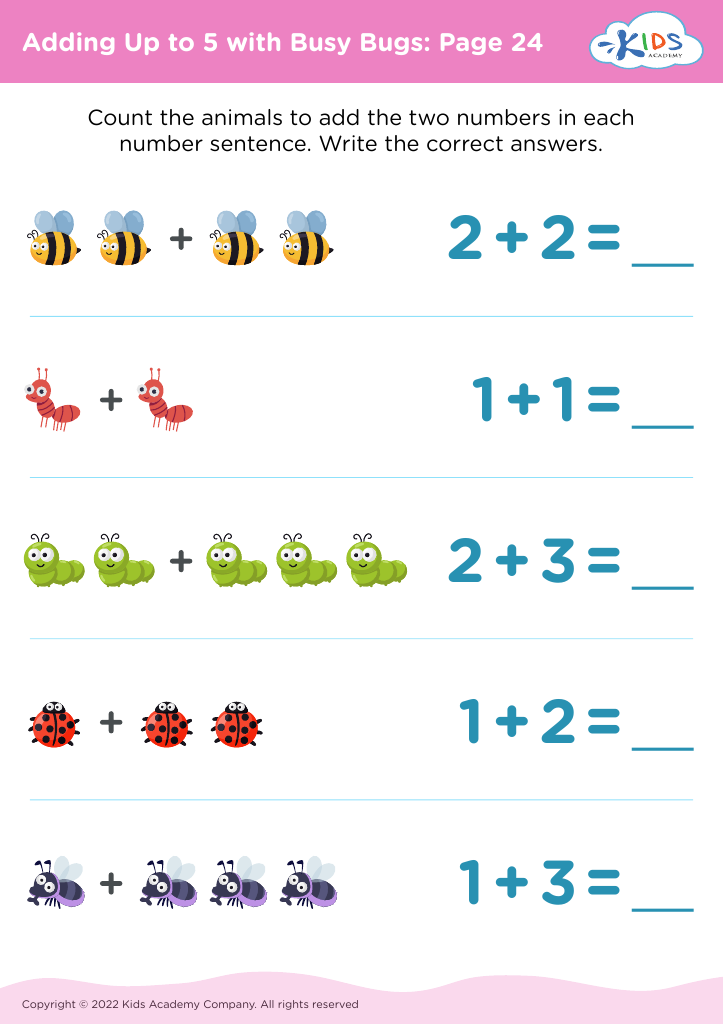
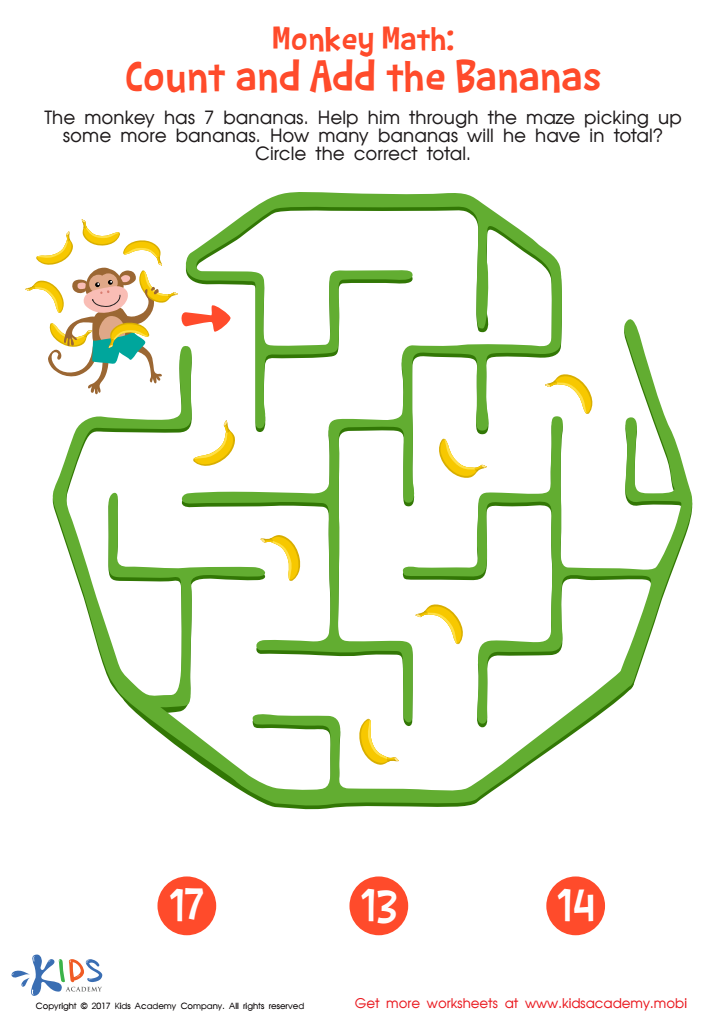
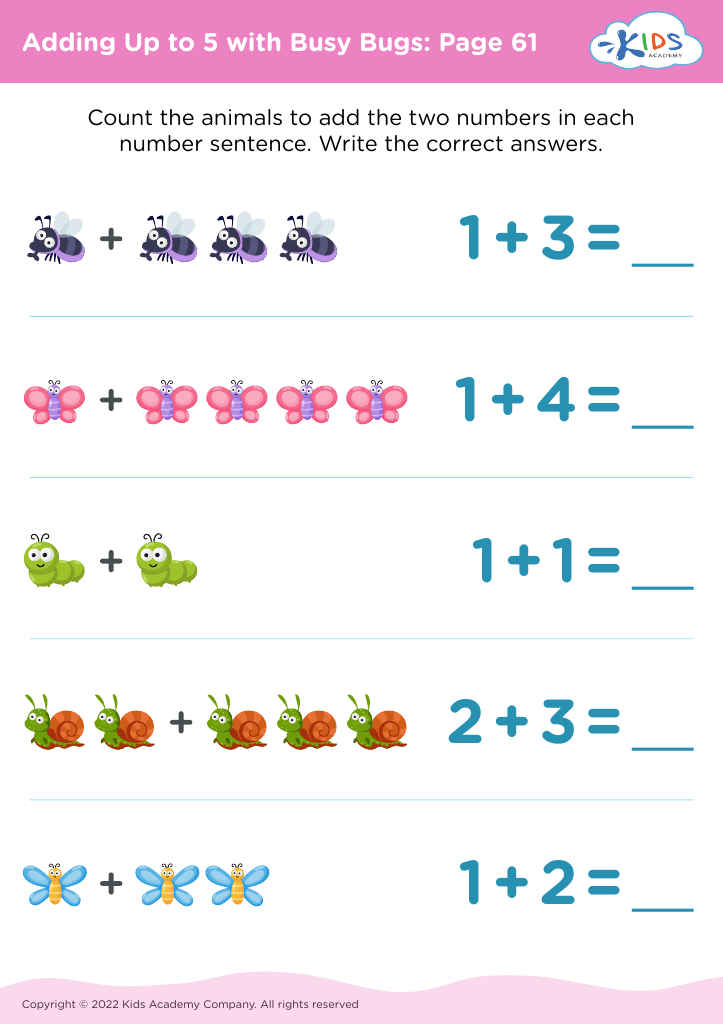
 Assign to My Students
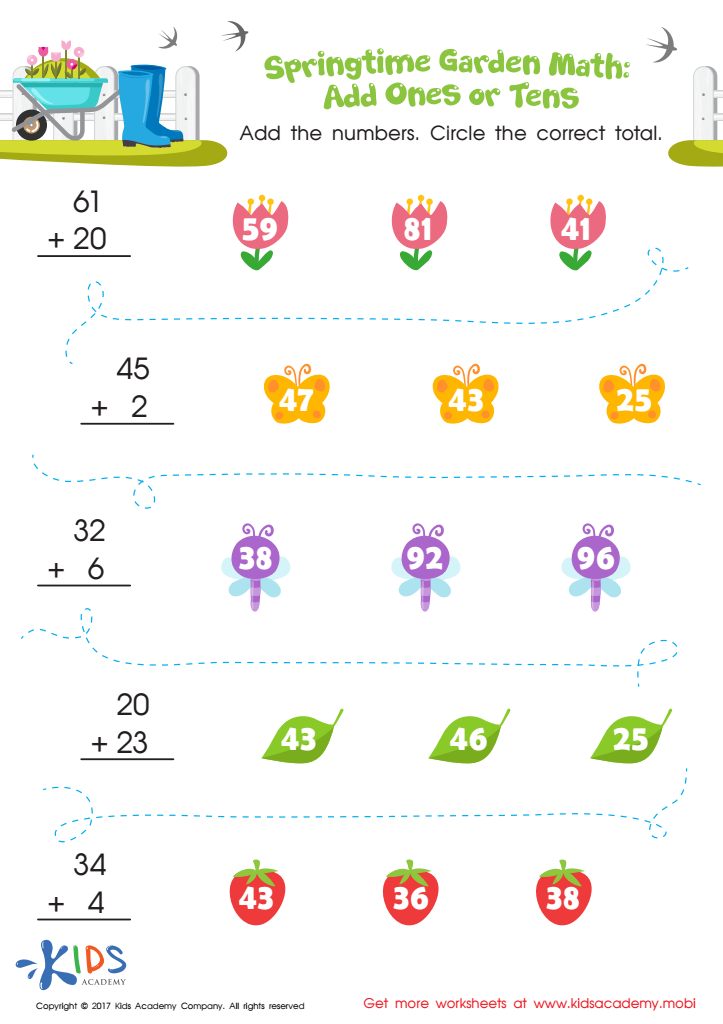
Springtime Garden Math Worksheet







Visualization skills are crucial for children aged 5-6 as they lay the foundation for effective learning and cognition. At this age, children are developing critical thinking and problem-solving abilities, and visualization helps them create mental images that enhance their understanding of concepts. For instance, when children can visualize a story, they are better able to recall details, understand character motivations, and grasp narratives. This skill also supports numeracy; visualizing quantities, patterns, and spatial relationships aids in the comprehension of more complex mathematical concepts later on.
Furthermore, strong visualization skills foster creativity and imagination, essential for artistic expression and innovative thinking. As children engage in activities that promote these skills, such as storytelling, drawing, or playing games that require strategic thinking, they enhance their ability to think abstractly and represent ideas visually.
For parents and teachers, nurturing visualization skills can lead to improved academic performance and a deeper engagement with learning. By using visual aids and encouraging imaginative play, adults can support children in developing these skills, making learning more enjoyable and effective. Ultimately, cultivating visualization abilities equips children with tools that will benefit them academically and personally throughout their educational journey and beyond.








