
Color recognition Mazes Worksheets for Ages 5-6
4 filtered results
Difficulty Level
Grade
Age
-
From - To
Subject
Activity
Standards
Enhance your child's color recognition and problem-solving skills with our engaging Color Recognition Mazes Worksheets for ages 5-6. These fun and educational worksheets are designed to captivate young learners while teaching them to identify and differentiate between various colors. Each maze offers a unique challenge that requires children to correctly identify colors to successfully navigate their way to the finish. Perfect for developing fine motor skills and early math abilities, these printable worksheets provide an interactive way for children to learn and have fun simultaneously. Start this colorful adventure and watch your child's confidence and skills bloom!
Favorites
With answer key
Interactive
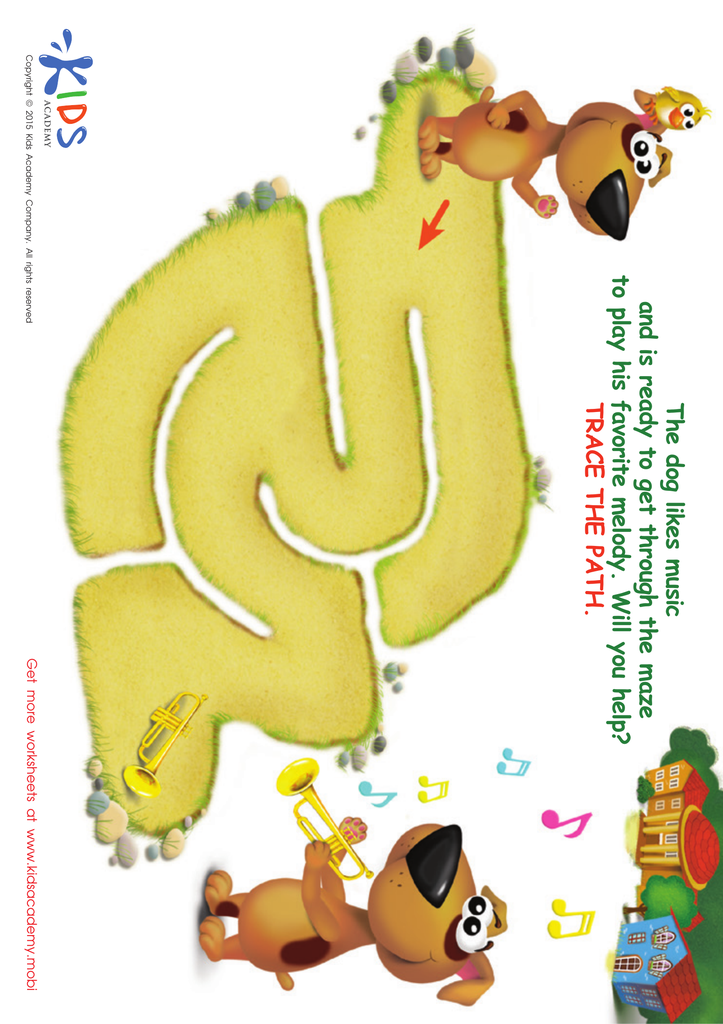
Trumpeter Maze Worksheet
Help your kid to find the way out of the maze to hear their favorite melody! Visit Kids Academy now and explore plenty of fun and educational resources.
Trumpeter Maze Worksheet
Worksheet
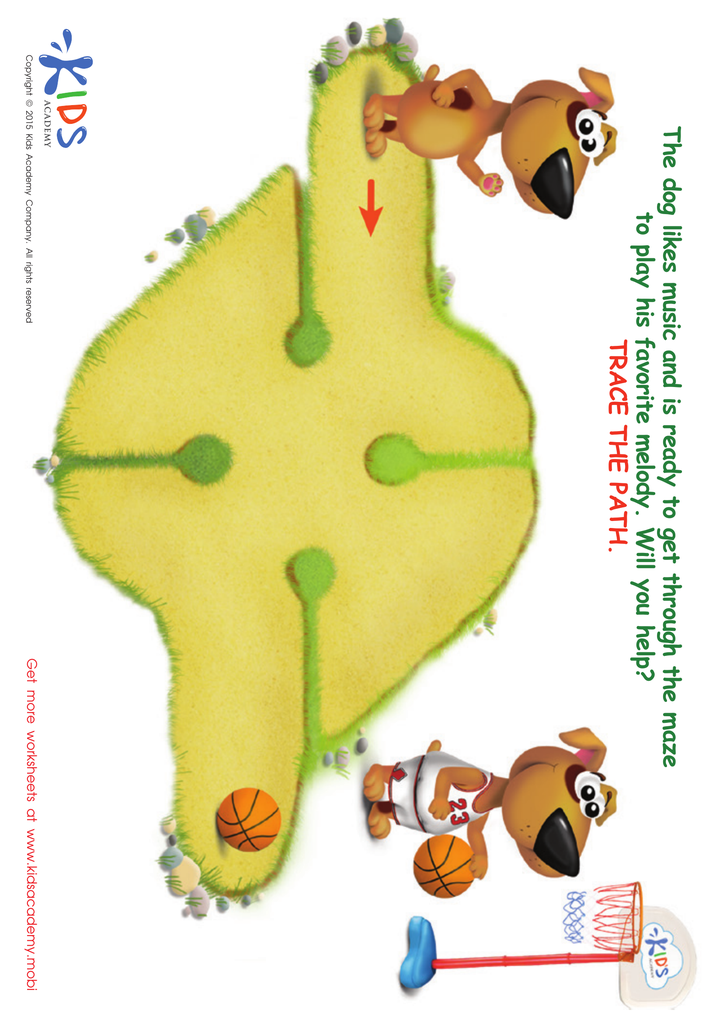
Basketball Player Maze Worksheet
Test your skills with our new printable maze worksheets, and help the little dog get his basketball! Trace the path carefully to get the ball and play together.
Basketball Player Maze Worksheet
Worksheet
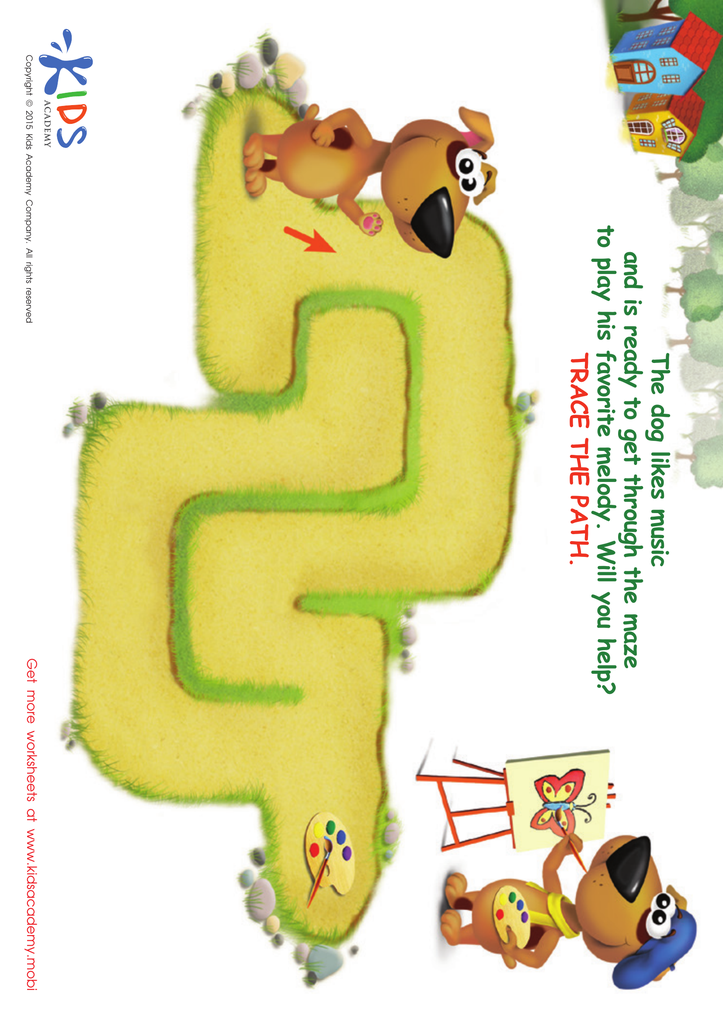
Artist Maze Worksheet
Try this new maze worksheet to help your child develop problem-solving skills. Let the pup traverse the path and create a masterpiece with the brush and paints on the other side! Give it a go now.
Artist Maze Worksheet
Worksheet
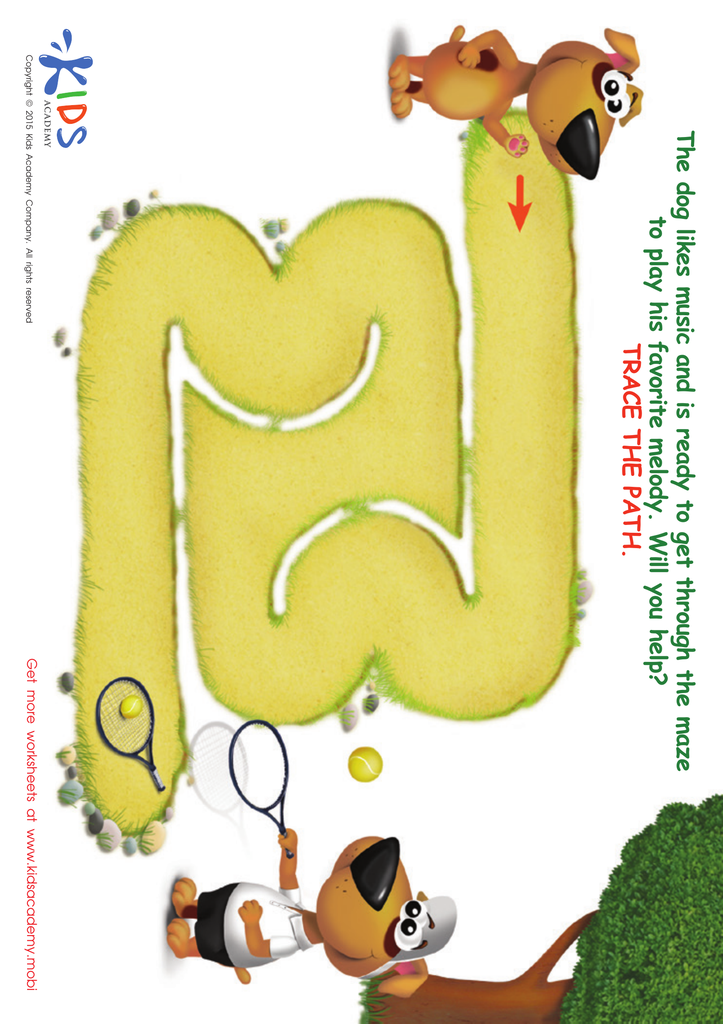
Tennis Player Maze Worksheet
Get them now and play together with your kids! Trace paths and help the dog find the racquets and balls. Fun and learning await.
Tennis Player Maze Worksheet
Worksheet
Join Kids Academy for Free
Who is primarily going to use this learning content?


Color recognition mazes offer a fun yet educational activity that enhances numerous skills for young children aged 5-6. For parents and teachers, understanding their value can significantly impact a child’s early development. Firstly, color recognition mazes help reinforce the identification and differentiation of colors, a critical aspect of a child's cognitive development. Mastering this skill boosts visual perception and prepares children for more advanced learning concepts.
Additionally, navigating through the mazes necessitates critical thinking and problem-solving. Children learn to plan steps, make decisions, and evaluate outcomes, laying a foundation for more intricate reasoning skills. Completing these mazes also requires fine motor skills and hand-eye coordination. Moving a crayon or pencil along the path strengthens hand muscles, which is essential for writing and other detailed activities.
Moreover, color recognition mazes introduce children to the concepts of order and following directions, fostering a sense of discipline and patience. These frameworks can help children adapt successfully to structured educational environments. Above all, these mazes are enjoyable. By merging play with education, children stay engaged and motivated, creating positive learning experiences that can help ignite a lifelong love for learning. Parents and teachers, therefore, should highly value these activities for their multifaceted developmental benefits.








