Hand-eye Coordination Mazes Worksheets for Ages 5-6
3 filtered results
-
From - To
Hand-eye Coordination Mazes Worksheets for Ages 5-6 are designed to enhance young children’s fine motor skills and cognitive abilities through engaging puzzle activities. These carefully crafted mazes help kids practice focus, problem-solving, and coordination. Perfect for preschool and kindergarten aged learners, each worksheet provides a fun and educational way to improve accuracy and control as little hands trace the paths from start to finish. Through regular practice with these worksheets, children can build confidence in their abilities while enjoying the thrill of completing diverse and colorful maze challenges. Ideal for both classroom and at-home learning adventures.
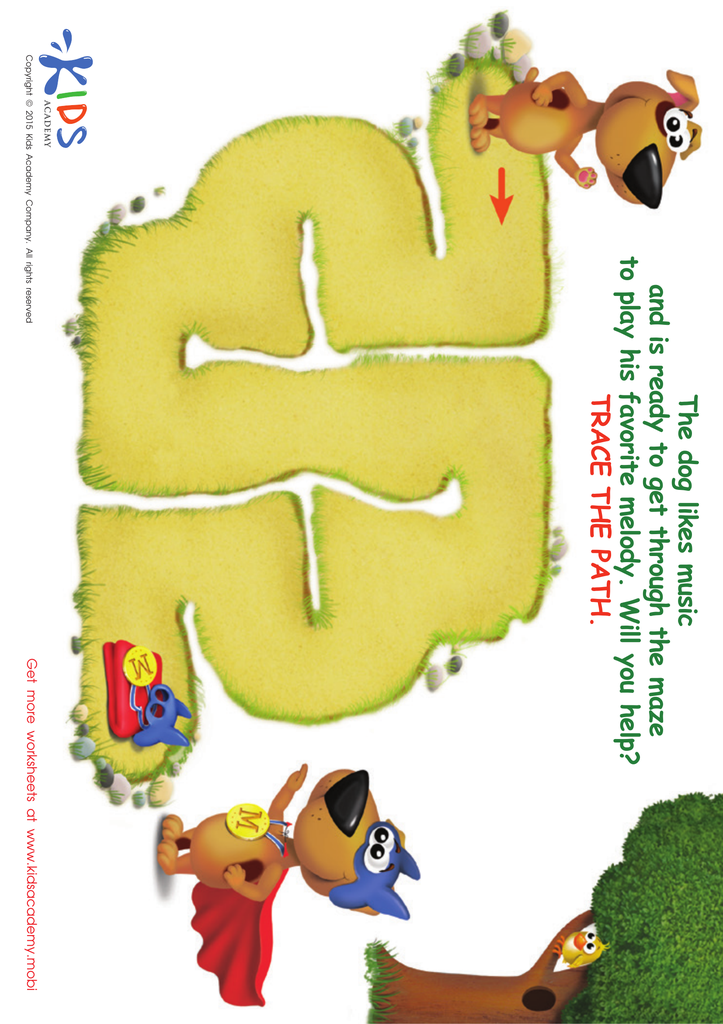
Superman Maze Worksheet
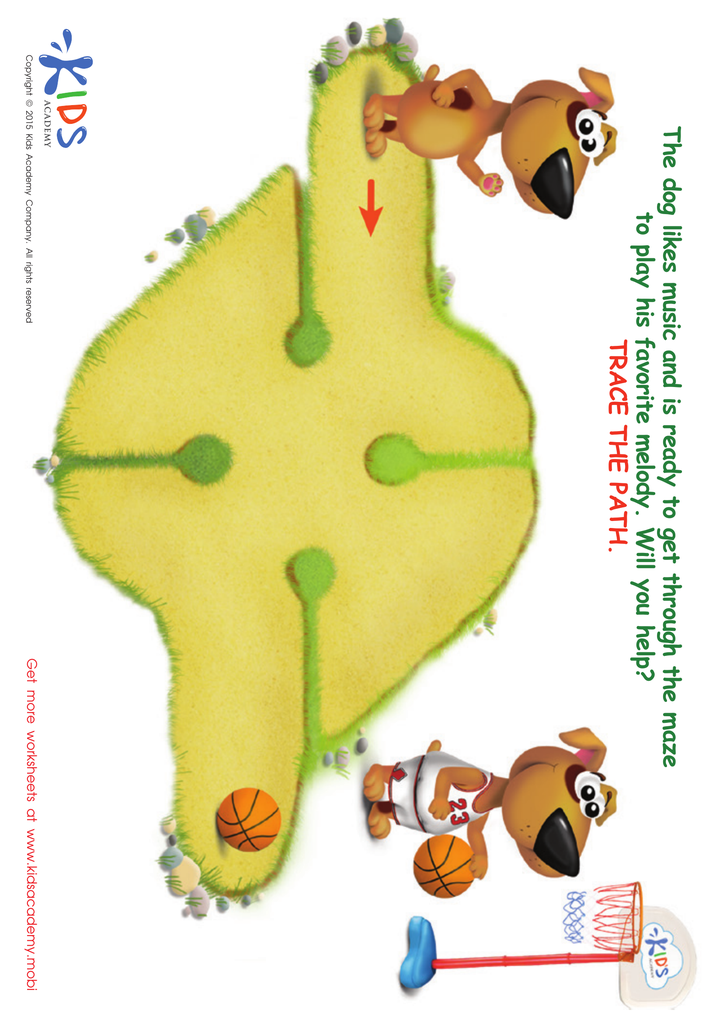
Basketball Player Maze Worksheet
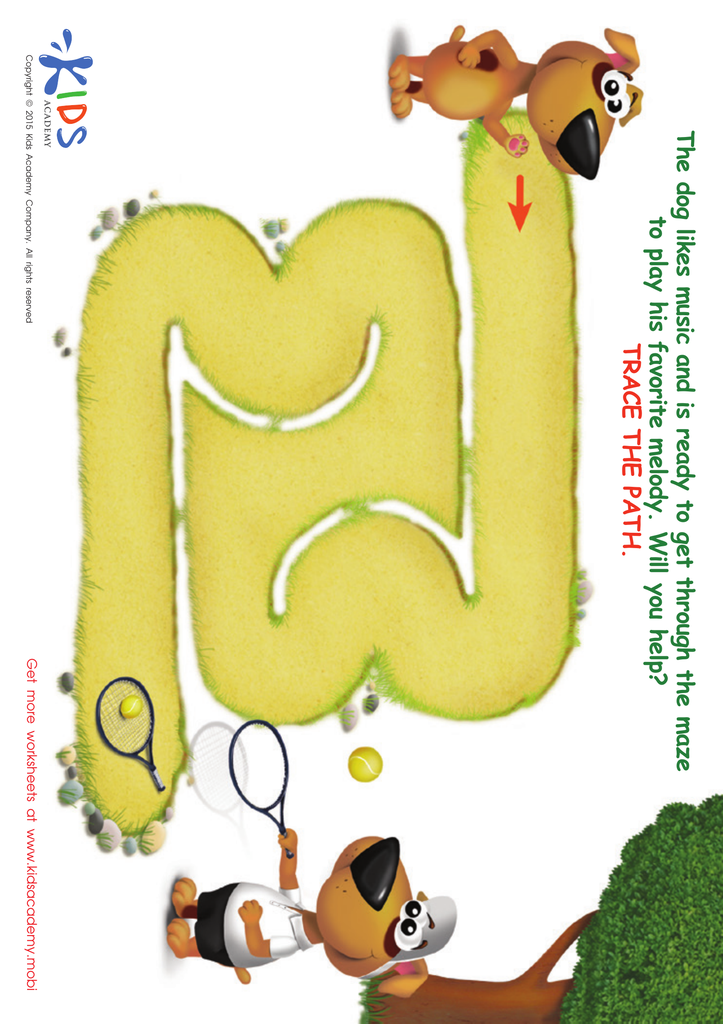
Tennis Player Maze Worksheet


Hand-eye coordination mazes for ages 5-6 are an essential tool for early childhood development, benefiting both cognitive skills and motor abilities. These mazes require children to visually track a path and simultaneously guide a pencil or finger to navigate through it, effectively linking visual input with physical movement. This coordination is crucial for developing skills that are foundational for more complex tasks.
Firstly, engaging in these mazes enhances fine motor skills, which are vital for everyday activities like writing, buttoning clothing, and using utensils. By practicing controlled, precise movements, children strengthen the small muscles in their hands and fingers.
Secondly, these activities refine spatial awareness and problem-solving abilities. As children work through the mazes, they develop a sense of directionality, learn to anticipate obstacles, and foster critical thinking. This capability to plan ahead and strategize is transferable to many academic and life skills, such as mathematics and reading comprehension.
Moreover, the sense of accomplishment children feel upon completing a maze boosts confidence and encourages perseverance. This emotional reinforcement is especially significant during the early years, fostering a positive attitude towards learning and challenges.
In summary, hand-eye coordination mazes support physical, cognitive, and emotional development, making them a valuable investment for preparing children for future academic success and daily life activities.








