Mathematical reasoning Addition Facts Worksheets for Ages 5-6
4 filtered results
-
From - To
Discover our engaging "Mathematical Reasoning Addition Facts Worksheets" designed specifically for children aged 5-6! These interactive activities foster early math skills by helping young learners understand and practice addition concepts. Our worksheets encourage critical thinking and problem-solving as kids tackle various exercises that promote reasoning abilities, ensuring a solid foundation for future mathematical learning. Each worksheet incorporates colorful visuals and age-appropriate problems, making math fun and accessible. By emphasizing mathematical reasoning in addition, children gain confidence while developing their analytical skills. Explore our resources today and support your child's educational journey with effective and enjoyable worksheets!
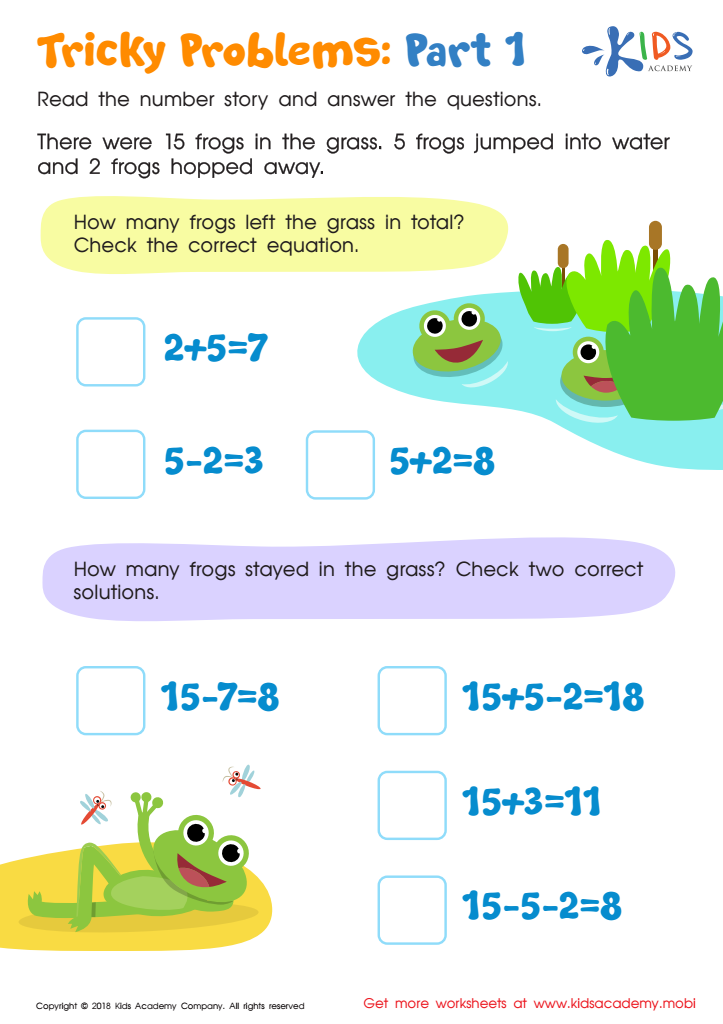
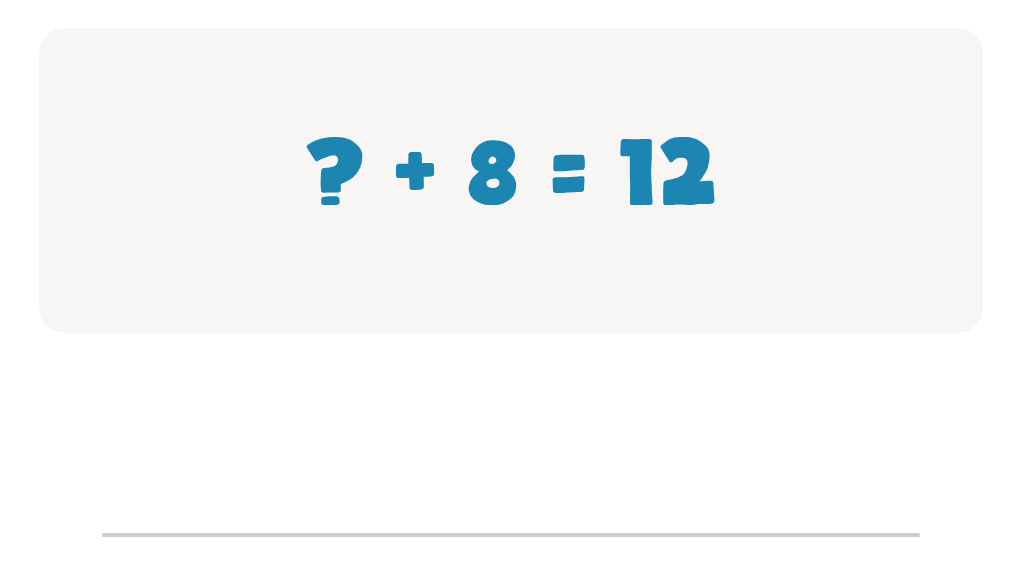
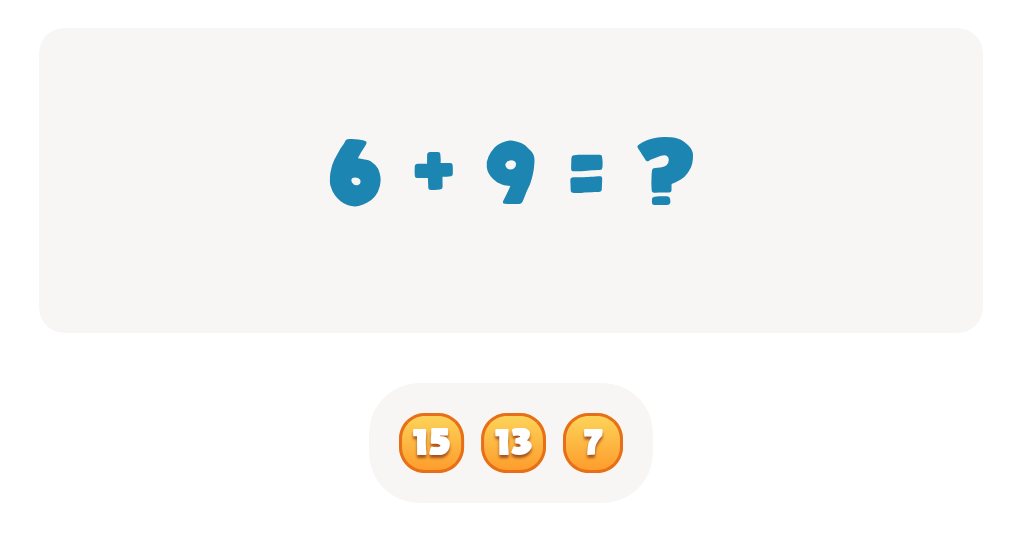
Tricky Problems Worksheet: Part 1
 Assign to My Students
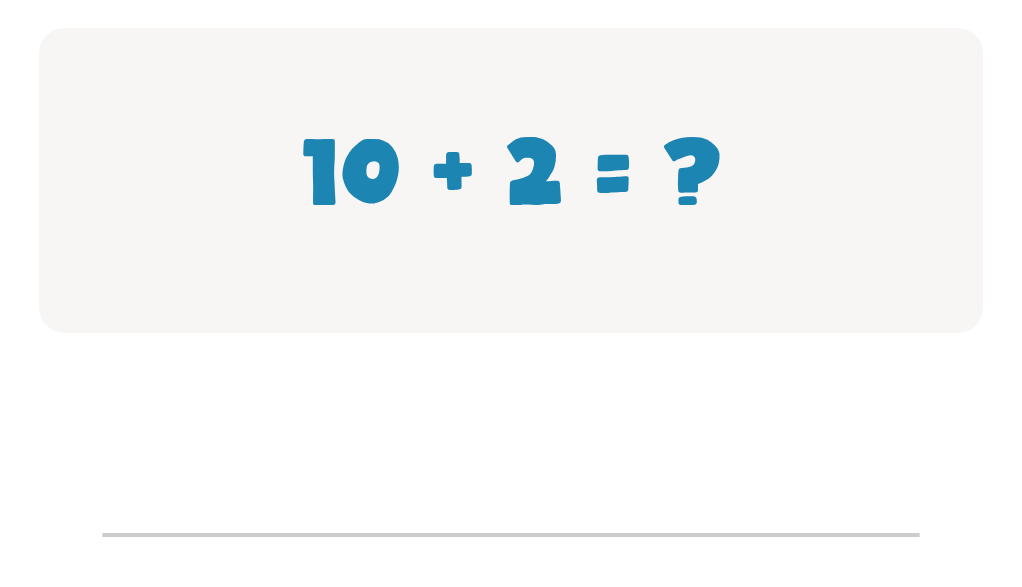

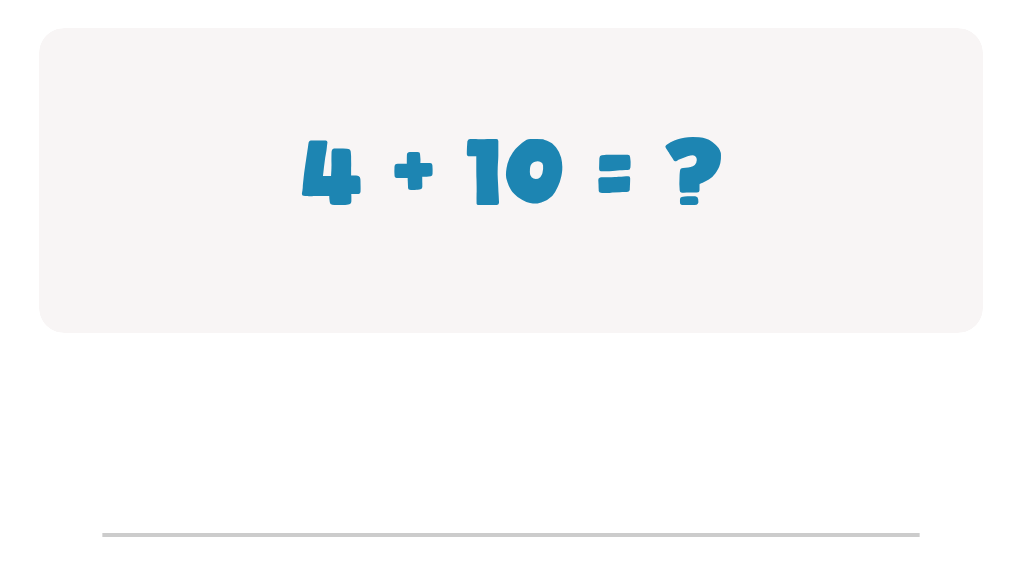
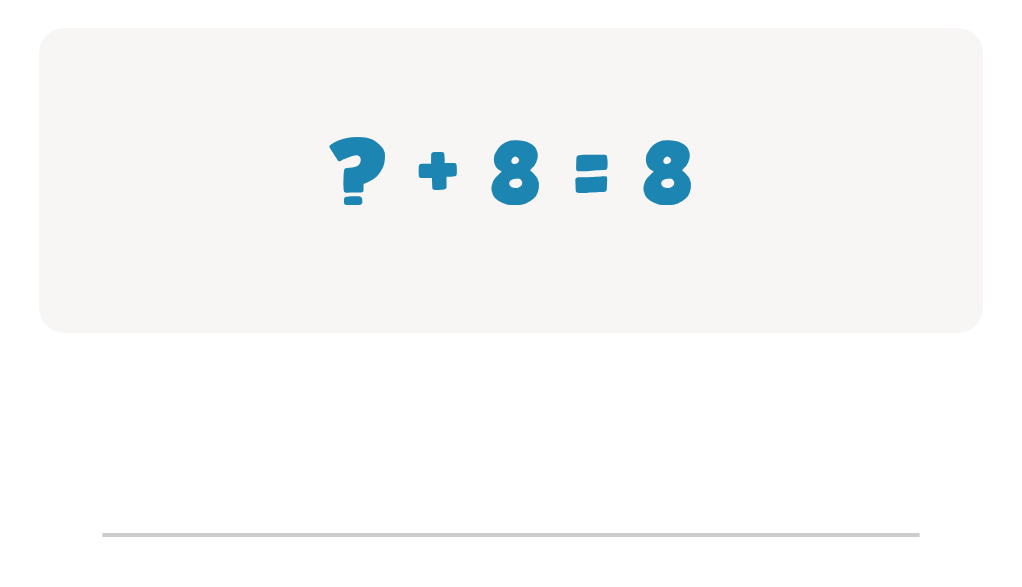

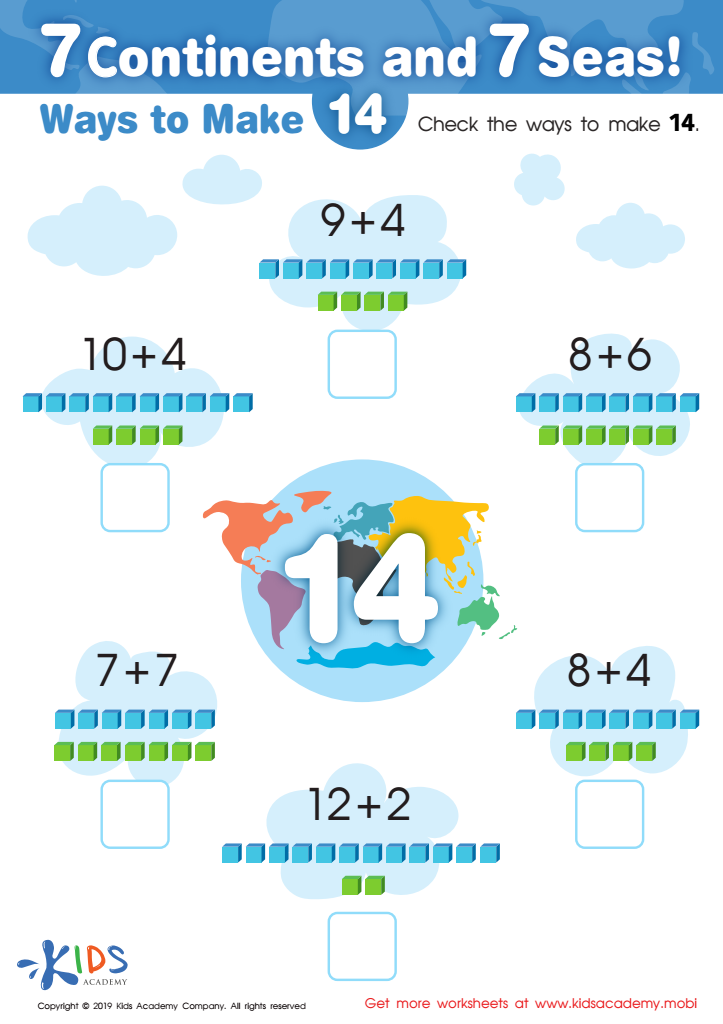
7 Continents and 7 Seas Worksheet
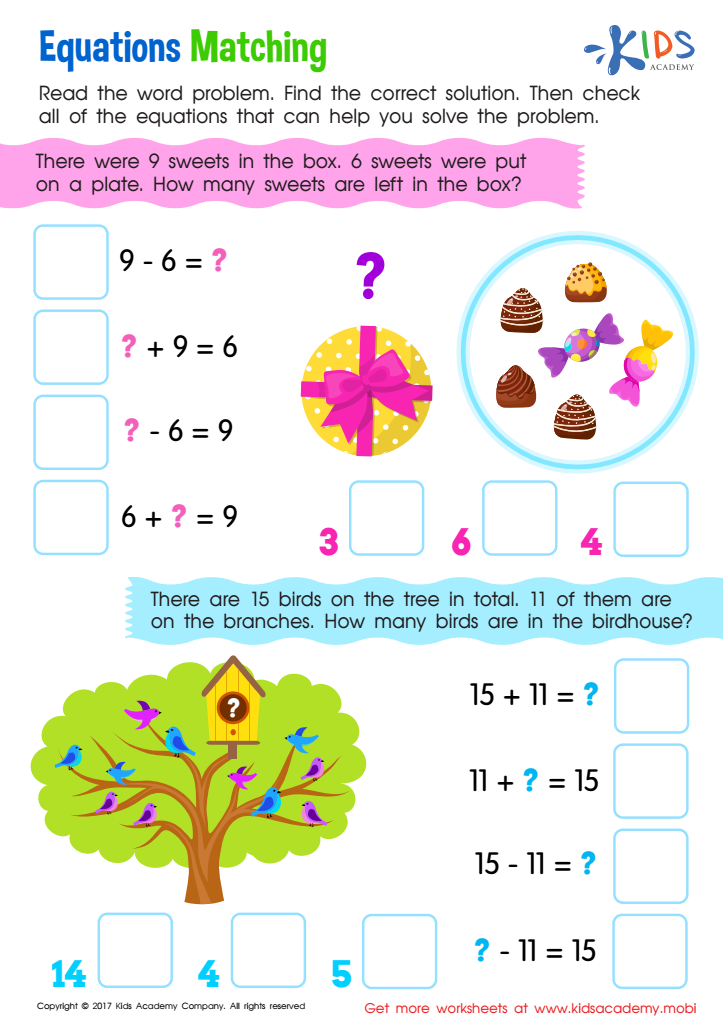
Equations Matching Word Problems Worksheet
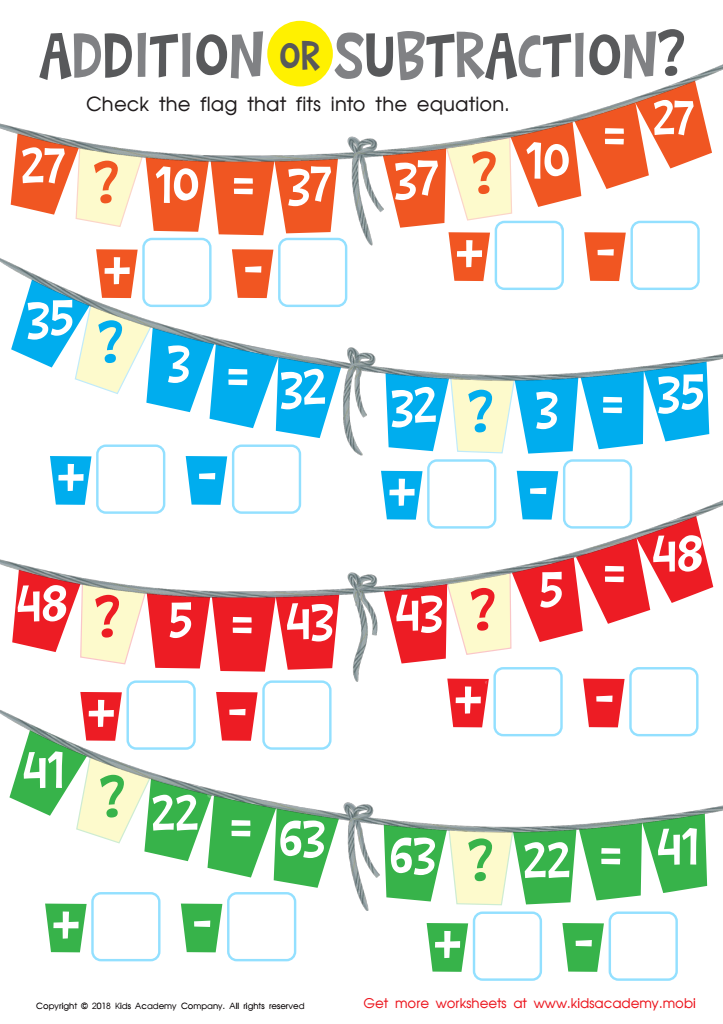
Addition or Subtraction? Worksheet




.jpg)


Mathematical reasoning, especially regarding addition facts, is crucial for children aged 5-6 as it forms the foundation for their future math skills. At this age, children are developing cognitive skills that help them understand concepts such as quantity, number relationships, and problem-solving strategies.
When parents and teachers focus on mathematical reasoning in addition, children learn to recognize and manipulate numbers effectively. This fosters number sense—not just rote memorization of facts but an understanding of how numbers work together. For instance, when children understand that 2 + 3 equals 5, they are also grasping the concept that 3 + 2 equals 5, reinforcing their comprehension of addition as a commutative operation.
Additionally, mastering addition facts enhances children's confidence and resilience as they work through challenges, providing a sense of accomplishment. Early math skills also support literacy and critical thinking skills, paving the way for better academic performance across subjects.
By nurturing mathematical reasoning, parents and teachers can help children develop essential problem-solving skills, which are necessary not just in math, but in everyday contexts, ultimately preparing them for a lifetime of learning and critical thinking.








