Counting skills Comparing Numbers Worksheets for Ages 5-6
5 filtered results
-
From - To
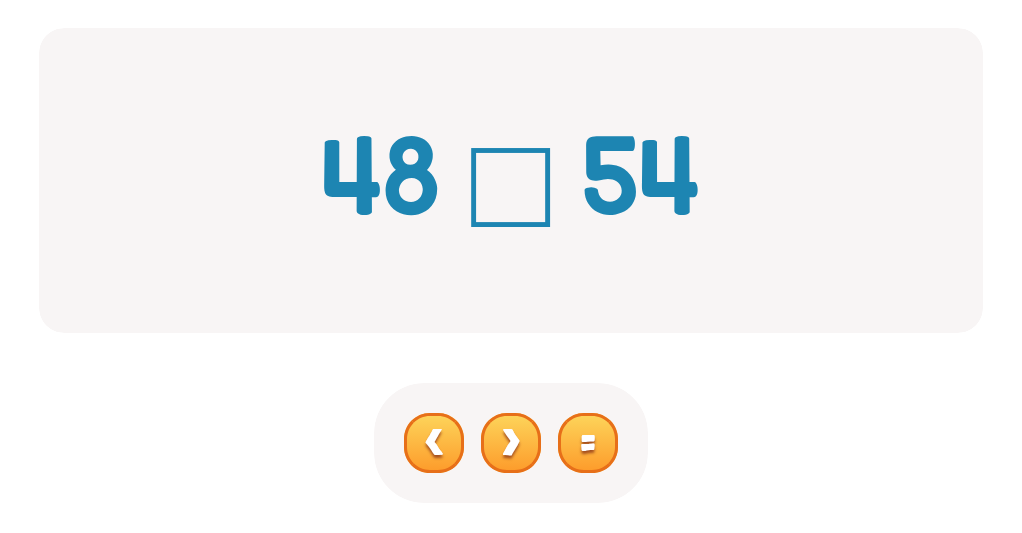
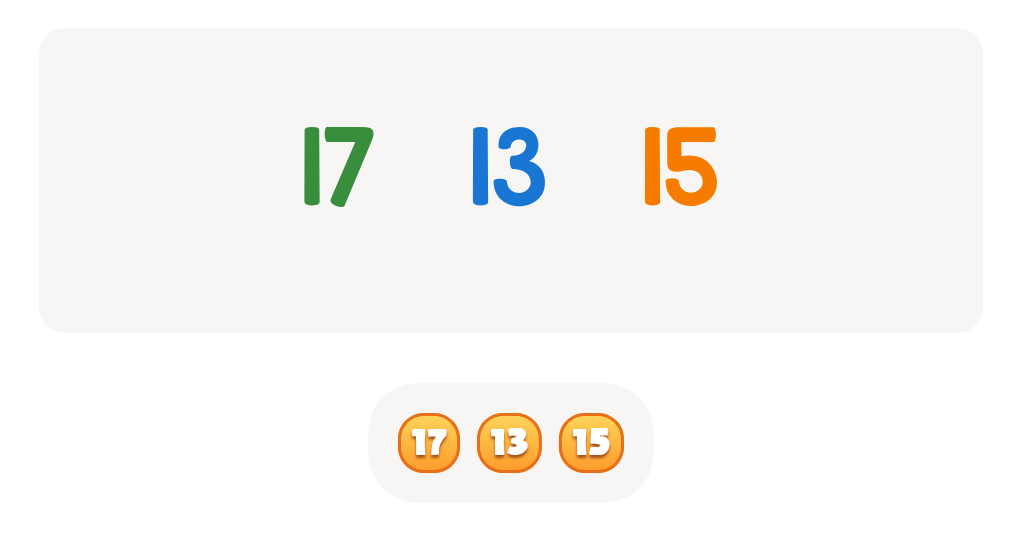
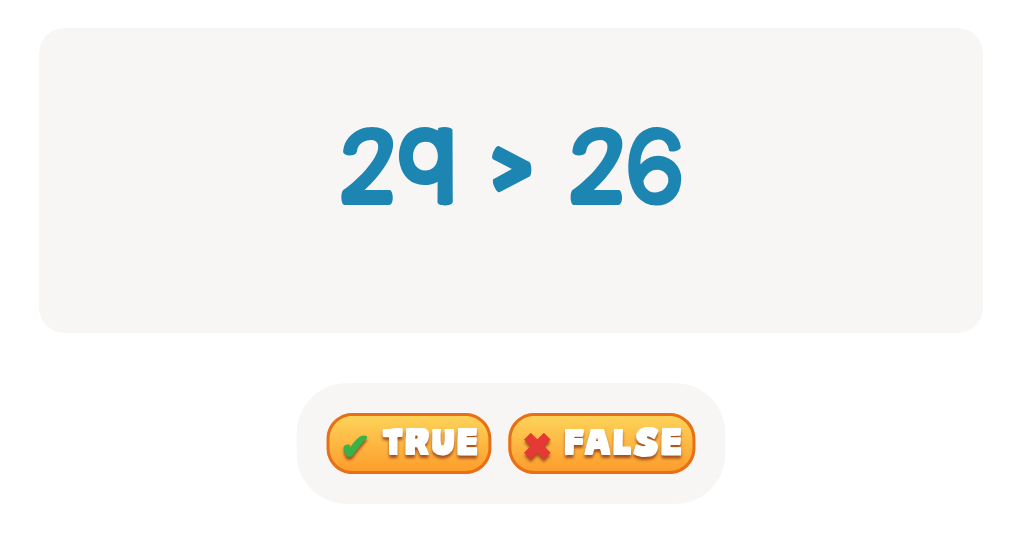
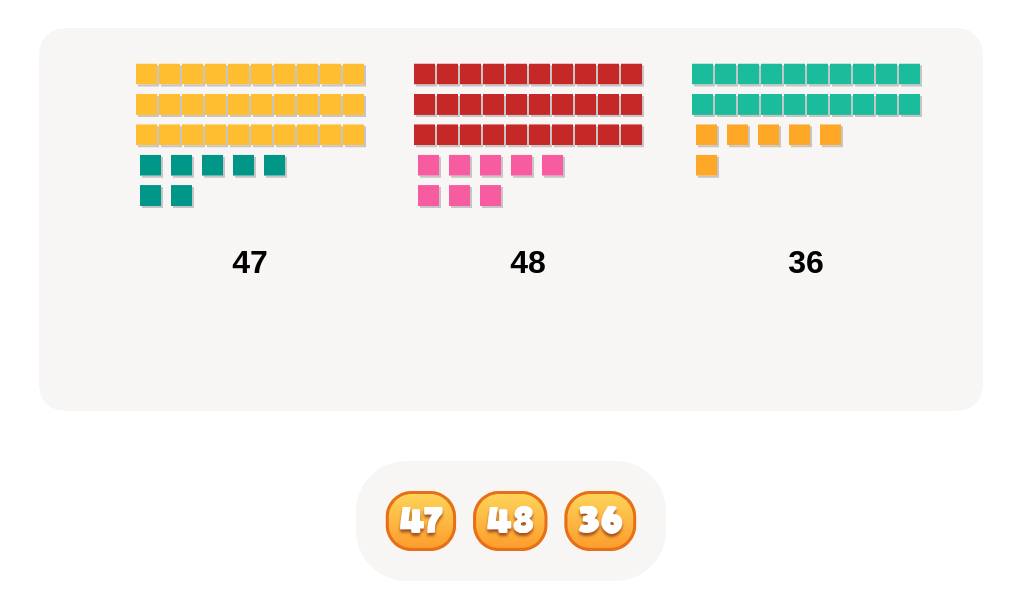
Our Counting Skills Comparing Numbers Worksheets for ages 5-6 provide an engaging way for young children to enhance their math abilities. Designed to foster crucial counting skills, these worksheets help kids compare numbers, identify greater and lesser values, and develop number sense. Colorful graphics and fun themes keep children motivated as they practice counting, enabling them to grasp foundational math concepts easily. Suitable for home or classroom settings, these worksheets are excellent resources for parents and teachers striving to support children’s early math learning journey. Boost your child's counting and comparison skills with our educational worksheets!
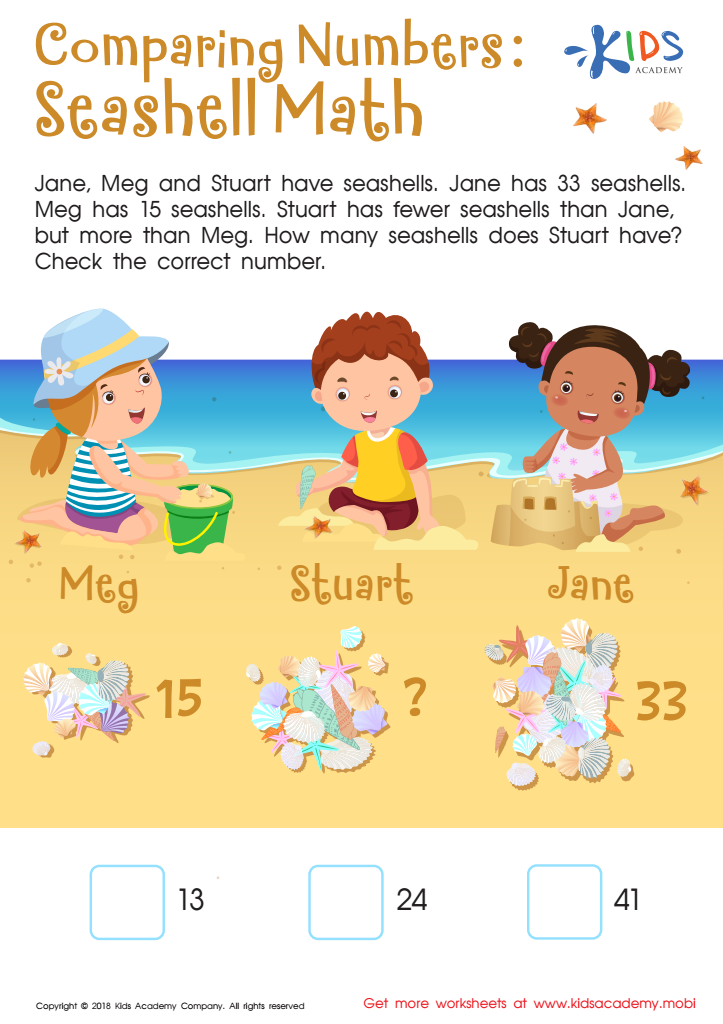
Seashell Collectors Worksheet
 Assign to My Students
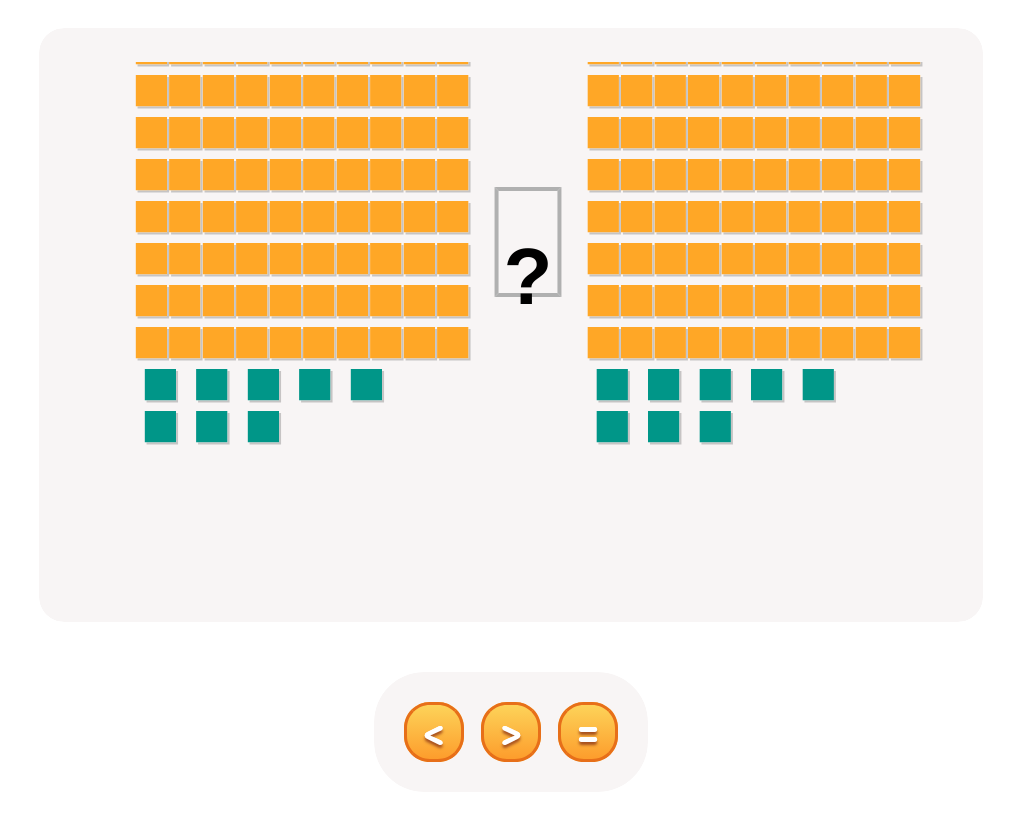

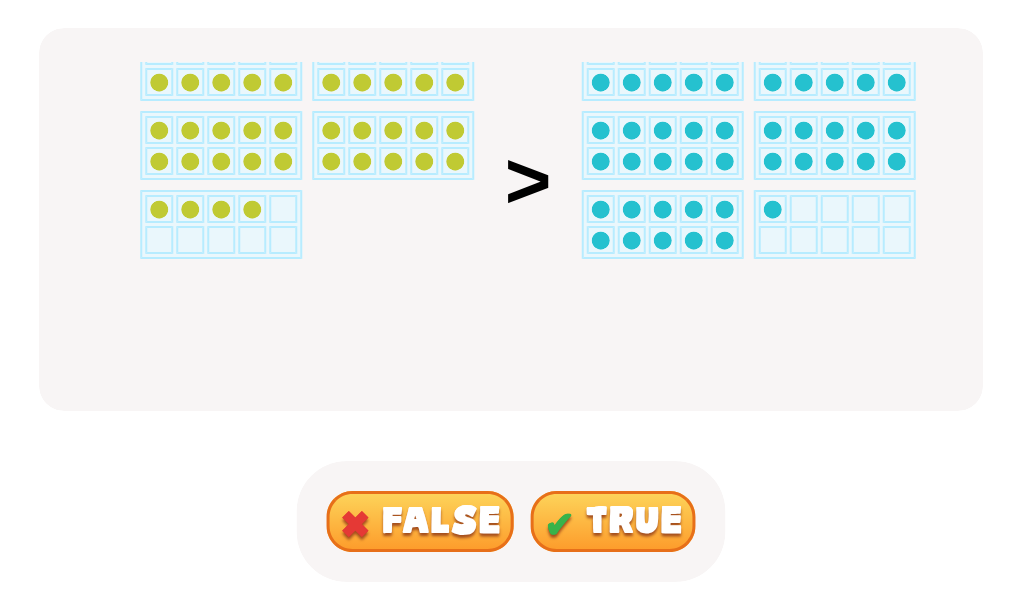
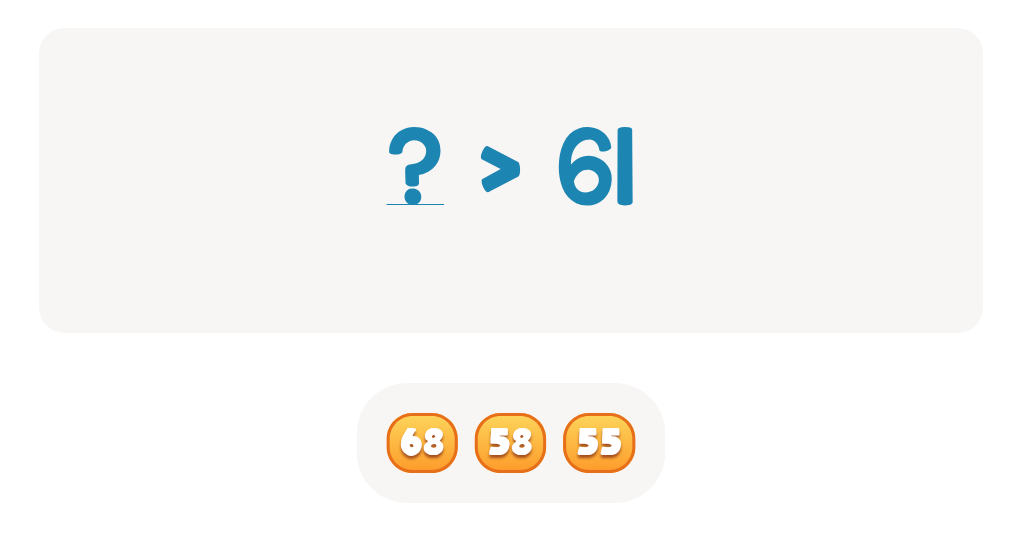
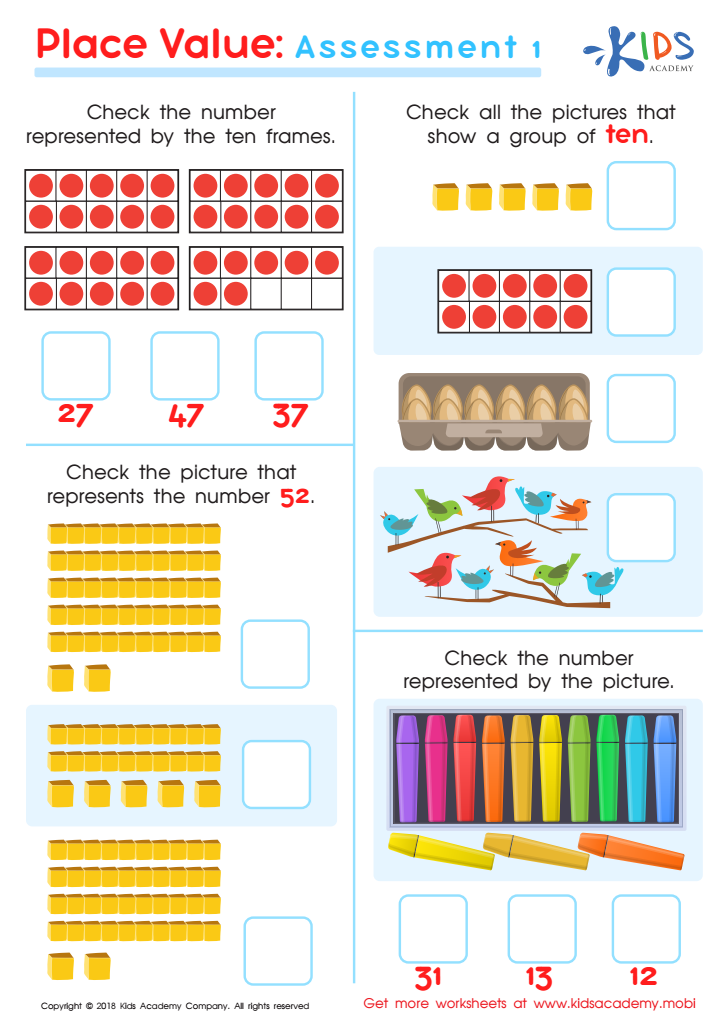
Place Value: Assessment 1 Worksheet
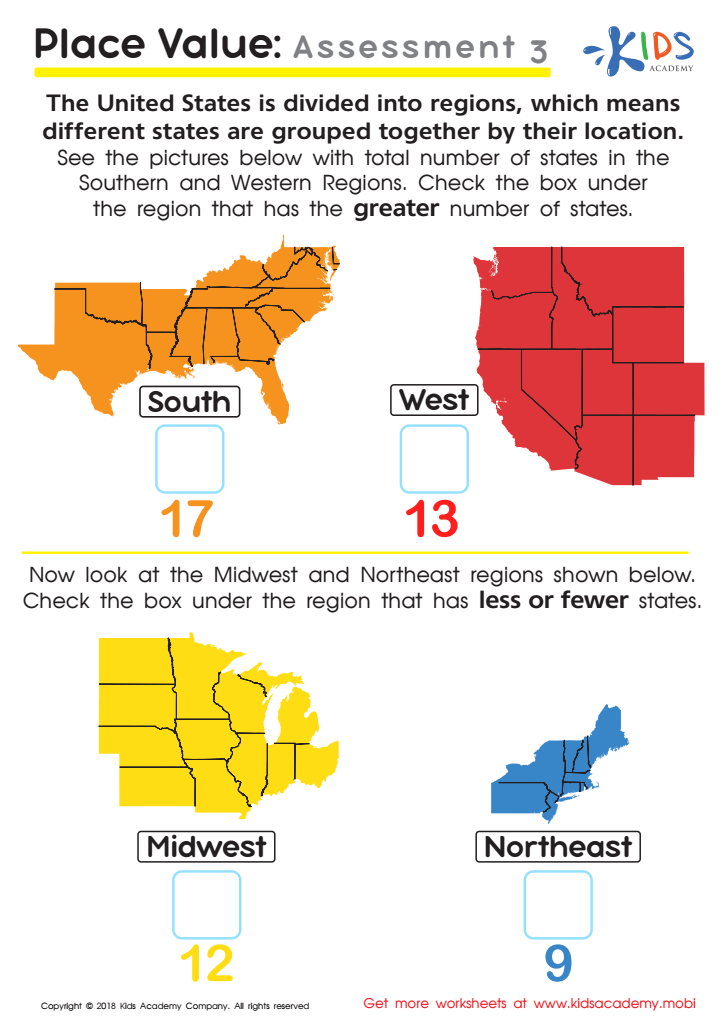
Place Value: Assessment 3 Worksheet
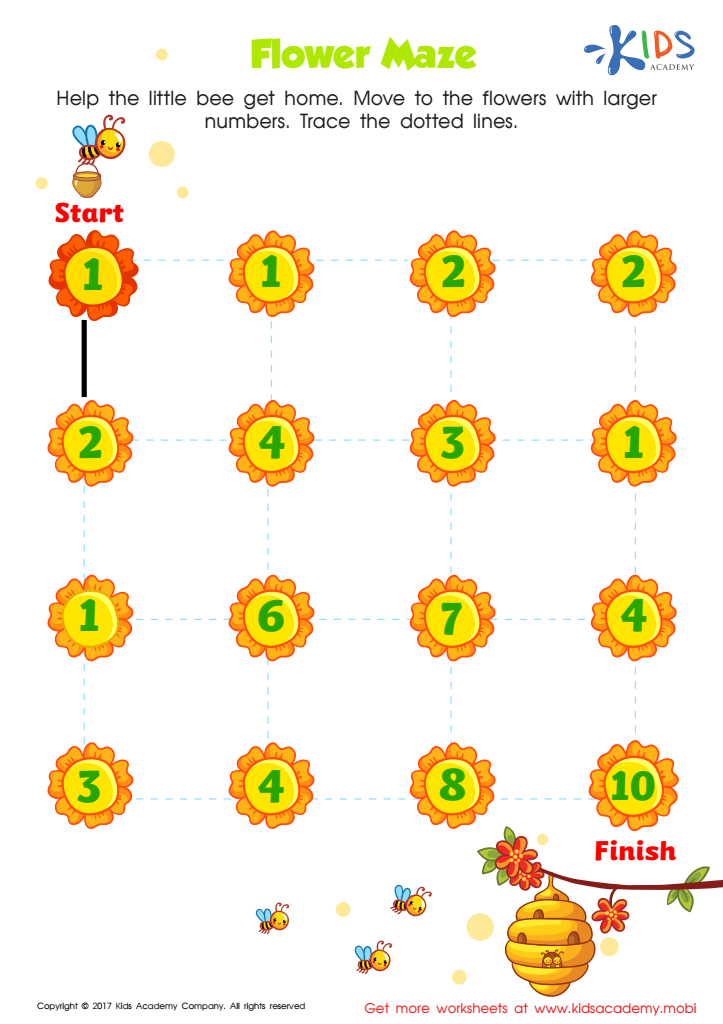
Number Maze For Kindergarten Printable
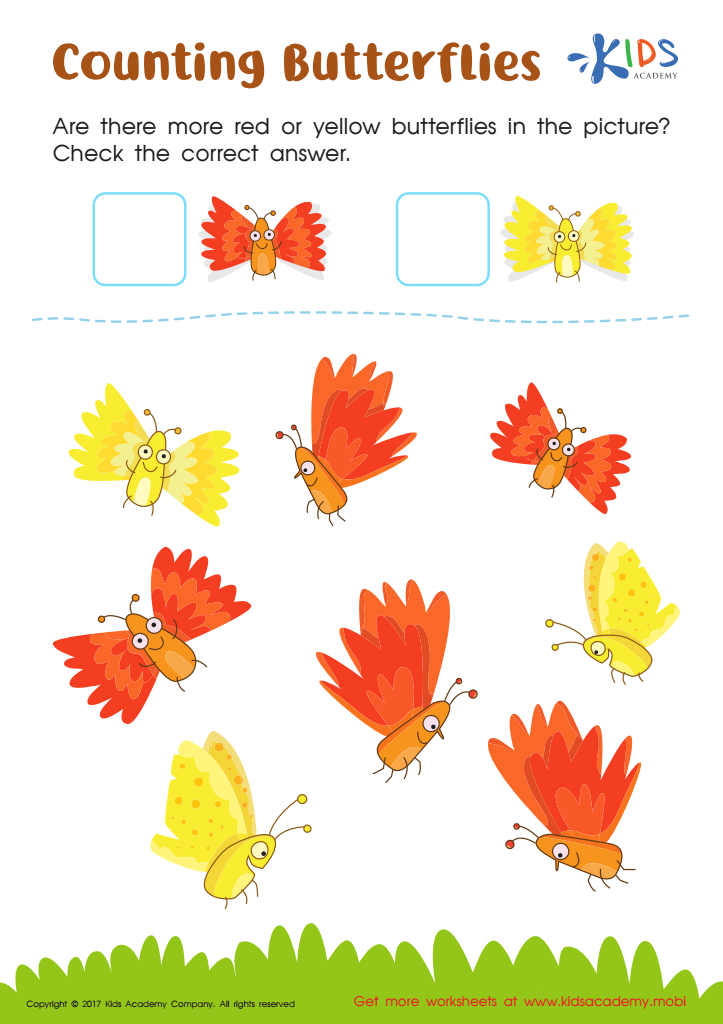
Counting Butterflies Worksheet








Counting skills and the ability to compare numbers in children ages 5-6 are fundamental building blocks for early math development. At this age, children are naturally curious and eager to make sense of the world around them. Mastering counting and comparing numbers provide them with critical cognitive tools that influence their everyday experiences and problem-solving skills.
First, counting aids children in understanding one-to-one correspondence, where each object is counted once. This practice lays the groundwork for operations such as addition and subtraction, which rely on counting proficiency. When children count objects, steps, or even sounds, they sharpen their number sense, enhancing their ability to recognize, identify, and use numbers confidently.
Second, comparing numbers allows children to grasp concepts of quantity and can boost critical thinking skills. By understanding and articulating whether one number is greater than, less than, or equal to another, children start developing logical reasoning. These skills are not limited to math but extend to other subjects such as science and everyday decision-making—if a child understands that 4 apples are more than 1 apple, they begin to make decisions based on mathematical reasoning.
Additionally, early success in math promotes confidence and positive attitudes toward learning, which is essential for future academic achievement. Hence, ensuring that young children develop strong counting and number comparison skills equips them with lifelong learning tools.








