Basic subtraction Math Worksheets for Ages 5-6
5 filtered results
-
From - To
Introduce your child to the world of subtraction with our engaging collection of Basic Subtraction Math Worksheets for Ages 5-6. Designed specifically for young learners, these worksheets blend fun activities with foundational math skills, helping kids grasp subtraction concepts with ease. Each worksheet is colorful and entertaining, featuring familiar objects to support visual learning and maintain interest. Our printable worksheets provide excellent practice to reinforce classroom learning, improve problem-solving skills, and build confidence in basic math. Perfect for home or school use, give your child the tools to succeed in early math with these delightful subtraction worksheets!
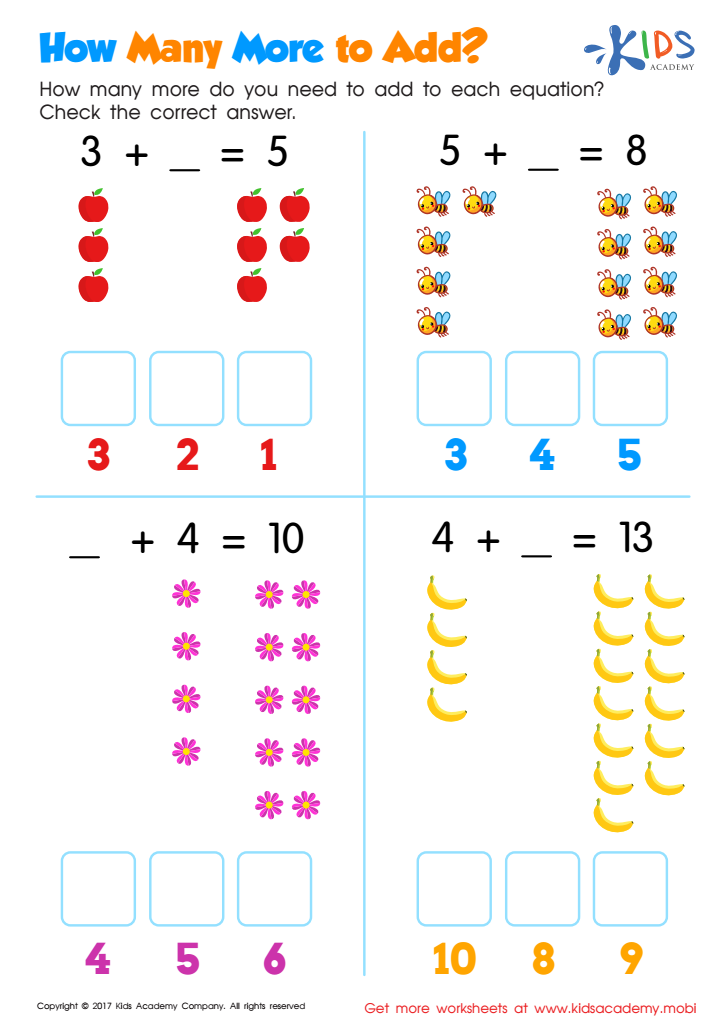
How Many More to Add Worksheet
 Assign to My Students
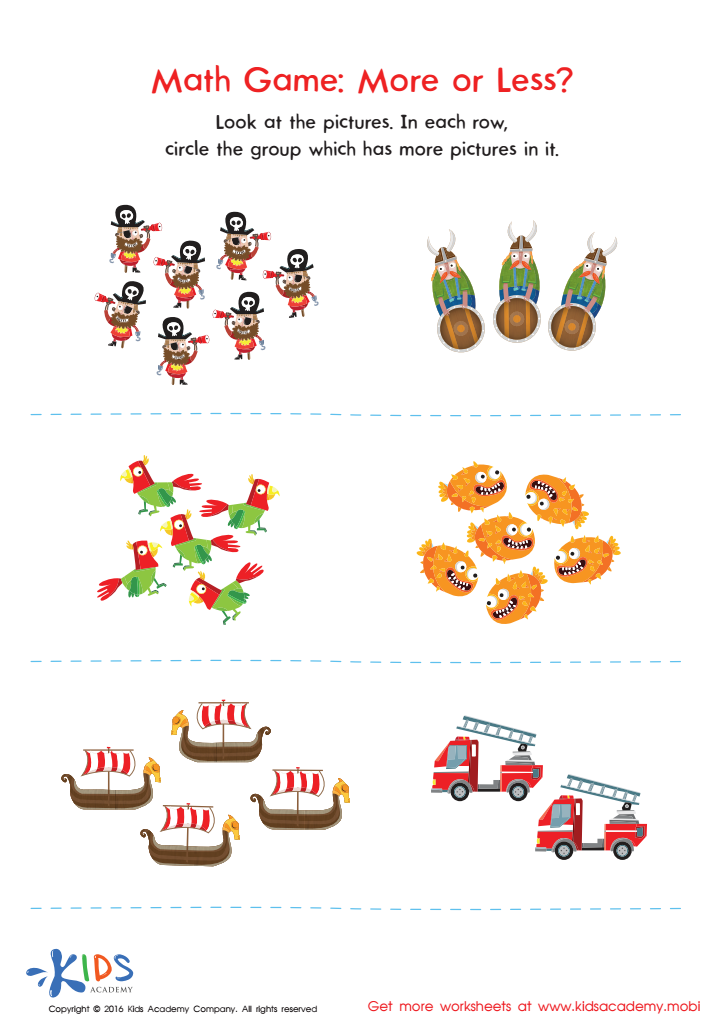
More or Less Worksheet
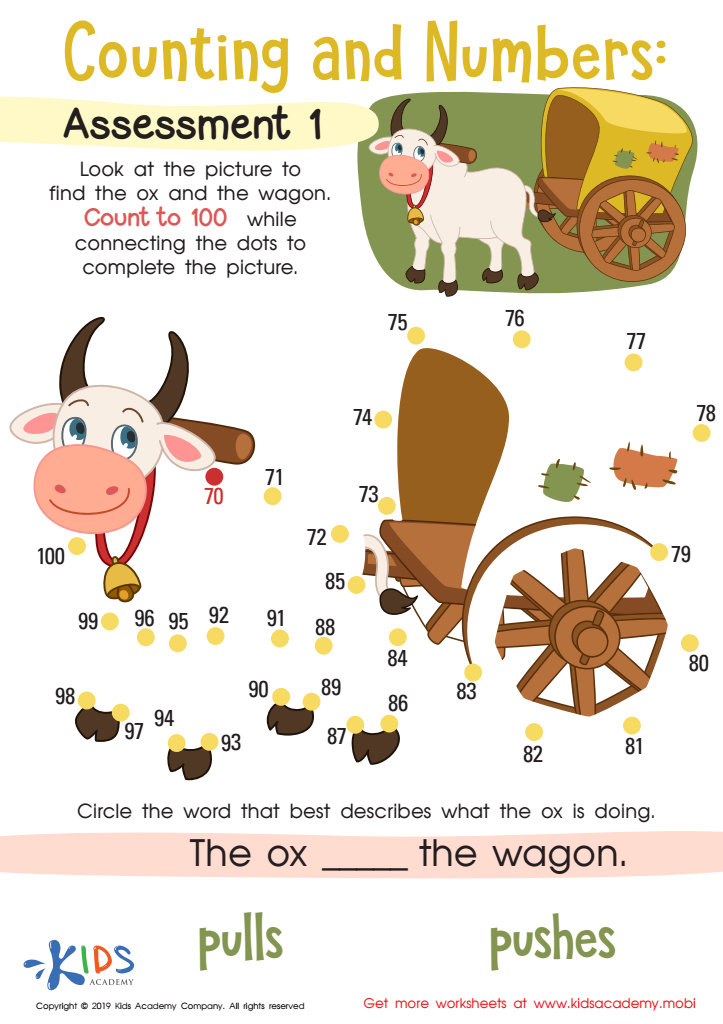
Counting and Numbers: Assessment 1 Worksheet
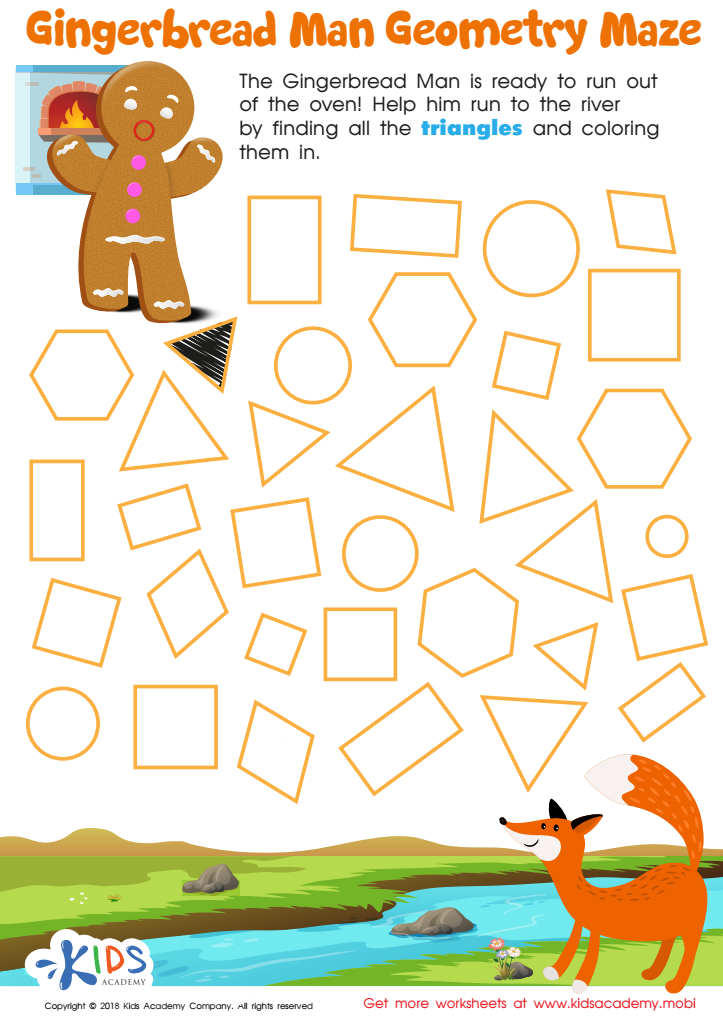
Gingerbread Man Geometry Maze Worksheet
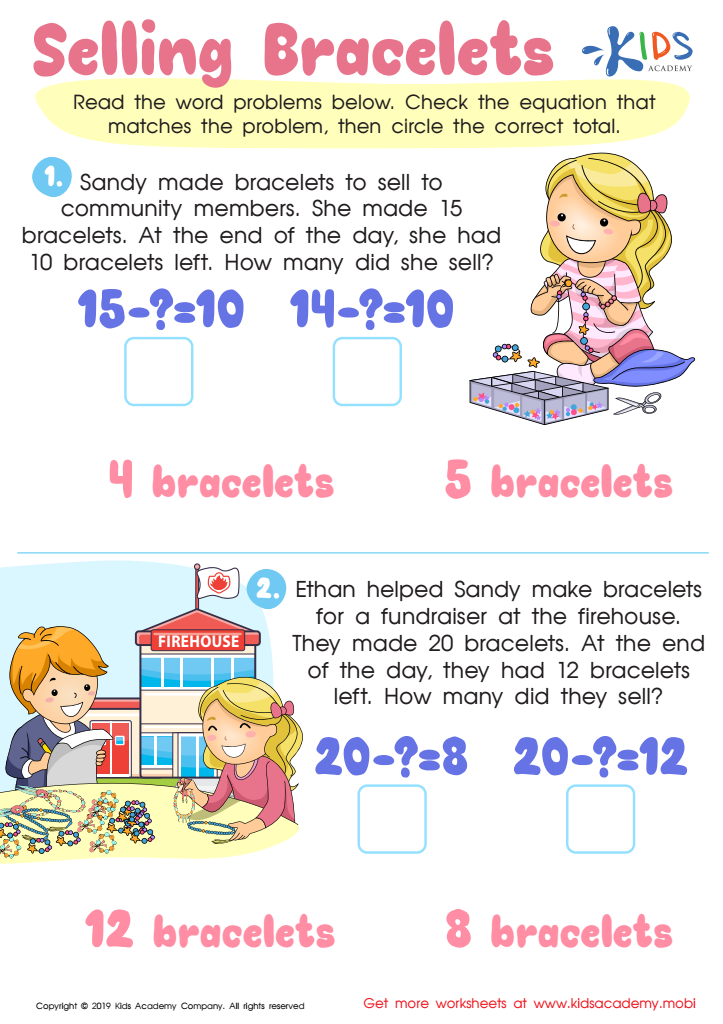
Selling the Bracelets Worksheet







Basic subtraction is a fundamental math skill for children ages 5-6, and it significantly contributes to their cognitive and social development. For parents and teachers, focusing on this skill lays a critical foundation for future mathematical learning and problem-solving abilities. Proficiency in subtraction not only helps kids excel in academics but also enhances their reasoning and logical thinking skills.
Learning to subtract improves number sense and fosters an understanding of the relationships between numbers, such as knowing 7-2 means removing 2 from 7, leaving 5. This mathematical insight extends beyond the classroom, as effective problem-solving and analytical abilities are imperative for everyday decisions and financial literacy.
Moreover, mastering basic subtraction boosts confidence and encourages a positive attitude toward learning. Young children, when guided and supported in a nurturing way, often carry this self-assurance into other subjects. In social contexts, group activities centered around subtraction can enhance cooperative learning and teamwork as children solve problems together.
Teachers and parents should view basic subtraction not just as an academic requirement but as a building block for overall intellectual growth, instilling a lifelong enthusiasm for learning and numeracy. By nurturing these skills early, we empower children to succeed in more complex mathematical concepts and practical life situations.








