Enhances concentration Math Worksheets for Ages 5-6
5 filtered results
-
From - To
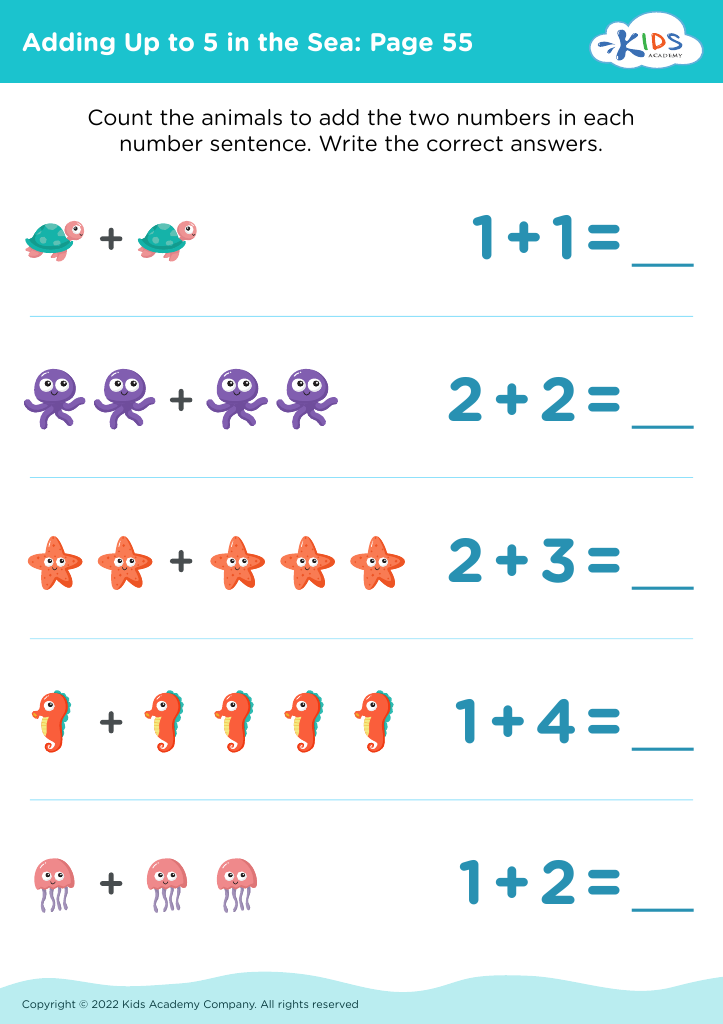
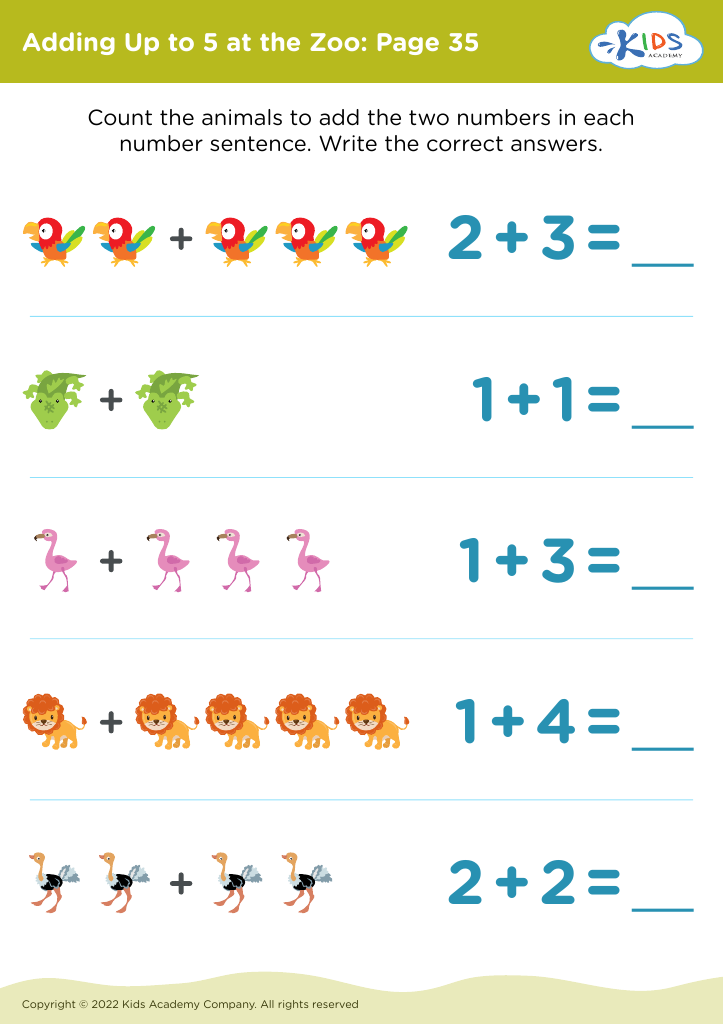
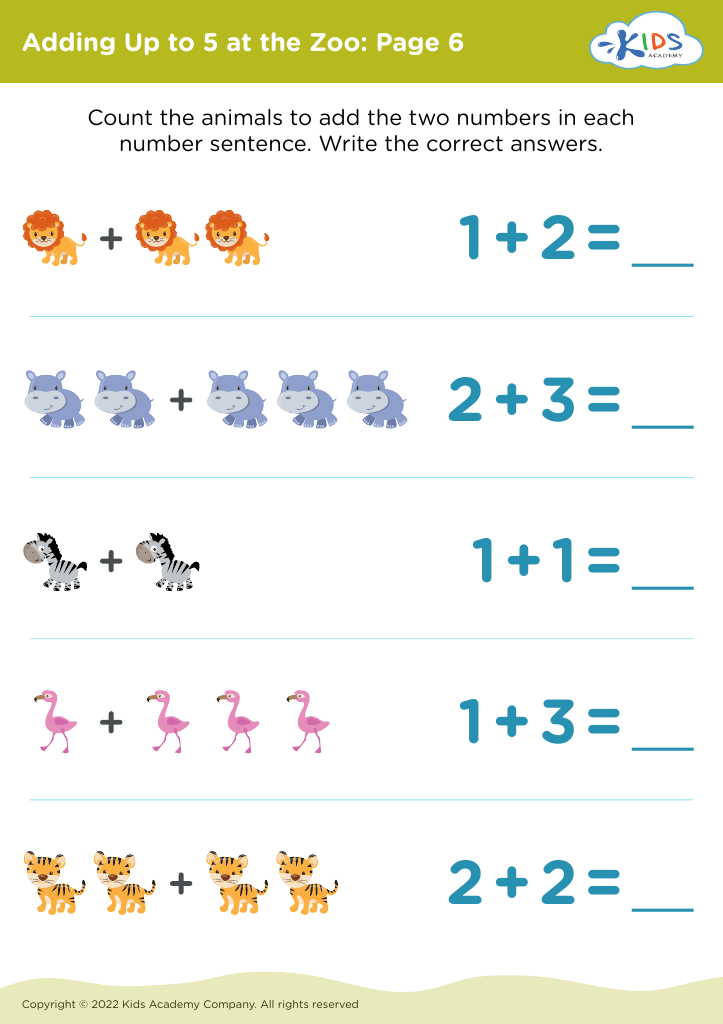
Boost your child's focus and math skills with our Enhances Concentration Math Worksheets, specially designed for ages 5-6! These engaging worksheets aid in developing essential concentration skills through fun, interactive activities. Each worksheet features vibrant illustrations and age-appropriate exercises that encourage children to practice counting, simple addition, and more while improving attention span. With a variety of interesting themes and challenging tasks, your little ones will stay motivated and eager to learn! Perfect for home or classroom use, these worksheets will help young learners build a strong mathematical foundation while sharpening their cognitive abilities. Get started today and watch their concentration soar!
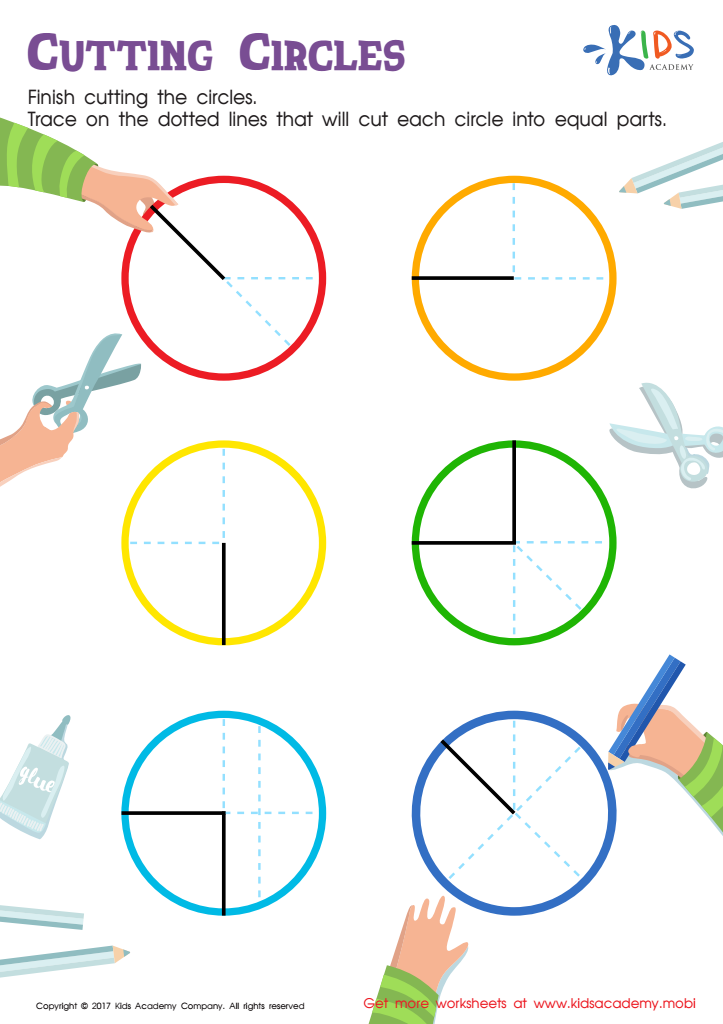
Cutting Circles Worksheet
 Assign to My Students
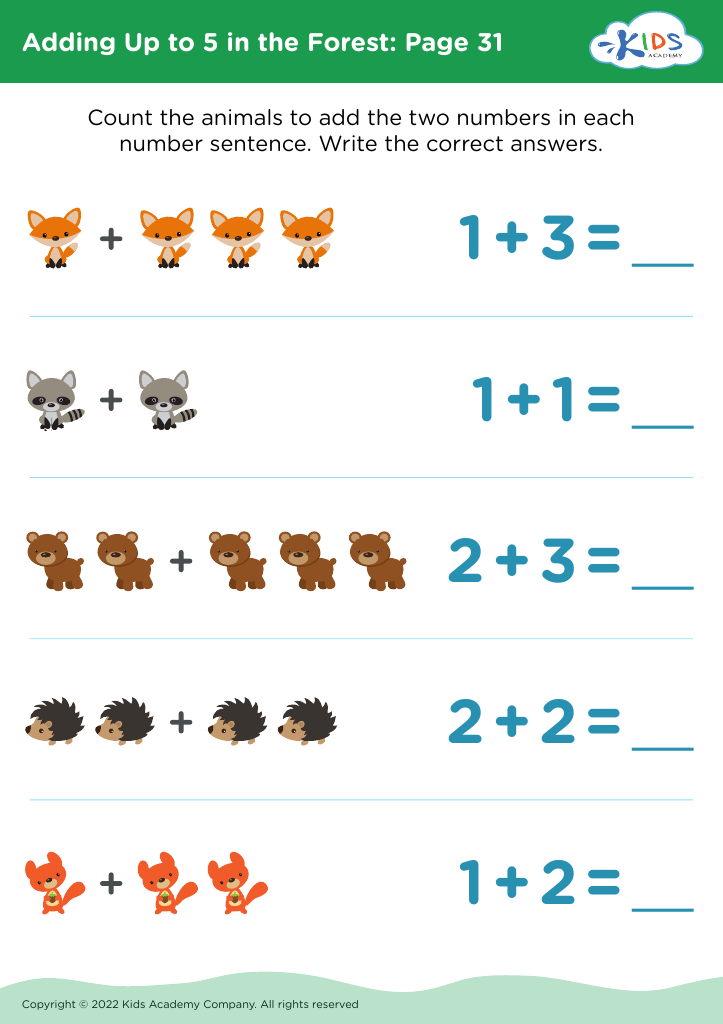








Parents and teachers should prioritize enhancing concentration in mathematics for children aged 5 to 6, as this early stage is crucial for cognitive development. At this age, children begin to form foundational skills that will shape their future learning experiences. Concentration is vital for effective problem-solving, allowing young learners to engage deeply with concepts like numbers, patterns, and basic operations.
When children can focus on math tasks, they are more likely to understand and retain information, which helps build their confidence in the subject. Improved concentration also leads to better classroom behavior, reducing distractions and creating a more positive learning environment.
Incorporating fun and engaging activities, such as games or hands-on manipulation of objects, can enhance their focus while making learning enjoyable. Additionally, developing concentration skills can have a broader impact on other areas of learning, supporting language acquisition and socio-emotional growth.
Ultimately, when parents and teachers emphasize the importance of concentration in early math education, they are equipping children with essential academic skills and fostering a lifelong love for learning. By nurturing these skills early on, we lay a strong foundation for future educational success and personal growth.








